 Slow Bio Hack
Introduction: Why Gamers Need Smart Sleep Tracking in 2026
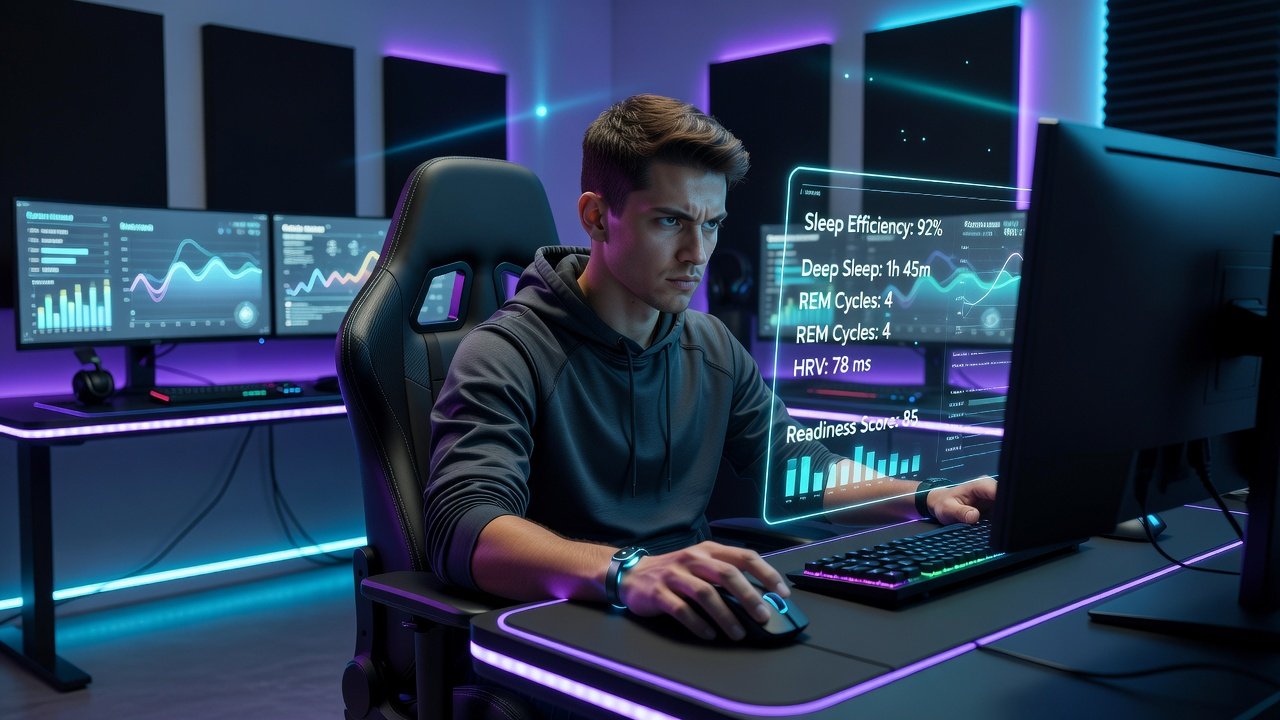
Gamers often battle irregular sleep patterns due to competitive play, streaming, and intense screen exposure. In 2026, wearable tech like Oura and Whoop offers data-driven solutions to enhance recovery and maintain peak cognitive performance. These devices track metrics such as heart rate variability (HRV), sleep stages, and recovery scores, helping high-focus individuals balance late-night gaming with restorative rest. Blue light from monitors disrupts circadian rhythms by suppressing melatonin production. Wearables provide actionable insights to counteract this, turning sleep into a strategic advantage rather than an afterthought. Many competitive players report improved reaction times and focus after implementing tracker-guided sleep protocols, especially during extended tournament seasons where fatigue can decide outcomes.
Beyond basic tracking, these tools integrate with daily routines to flag when screen time has overly taxed the nervous system. This allows gamers to adjust session lengths proactively rather than reacting to exhaustion after the fact.
Understanding Blue Light's Impact on Circadian Rhythms
Prolonged exposure to blue light delays sleep onset and reduces deep sleep quality. Research from authoritative sources confirms that evening screen time shifts natural sleep-wake cycles. Sleep Foundation details how this affects melatonin levels, leading to grogginess during daytime practice sessions. Gamers who play under bright LED monitors for four or more hours past sunset often experience fragmented REM cycles, which directly impacts memory consolidation needed for learning new game mechanics or strategies.
To counter this, wearables can log exact sleep latency times and suggest gradual light-dimming schedules. For instance, setting phone and monitor filters to warmer tones two hours before intended bedtime has shown measurable improvements in sleep efficiency scores across multiple user reports.
HRV Monitoring During Competitive Play
Heart rate variability serves as a key indicator of stress and recovery. High-intensity gaming sessions elevate sympathetic nervous system activity, lowering HRV. Whoop bands excel here by providing real-time strain scores that correlate with sleep needs. Monitoring HRV during ranked matches helps identify when adrenaline spikes are lingering into rest periods, potentially delaying sleep by 30-60 minutes.
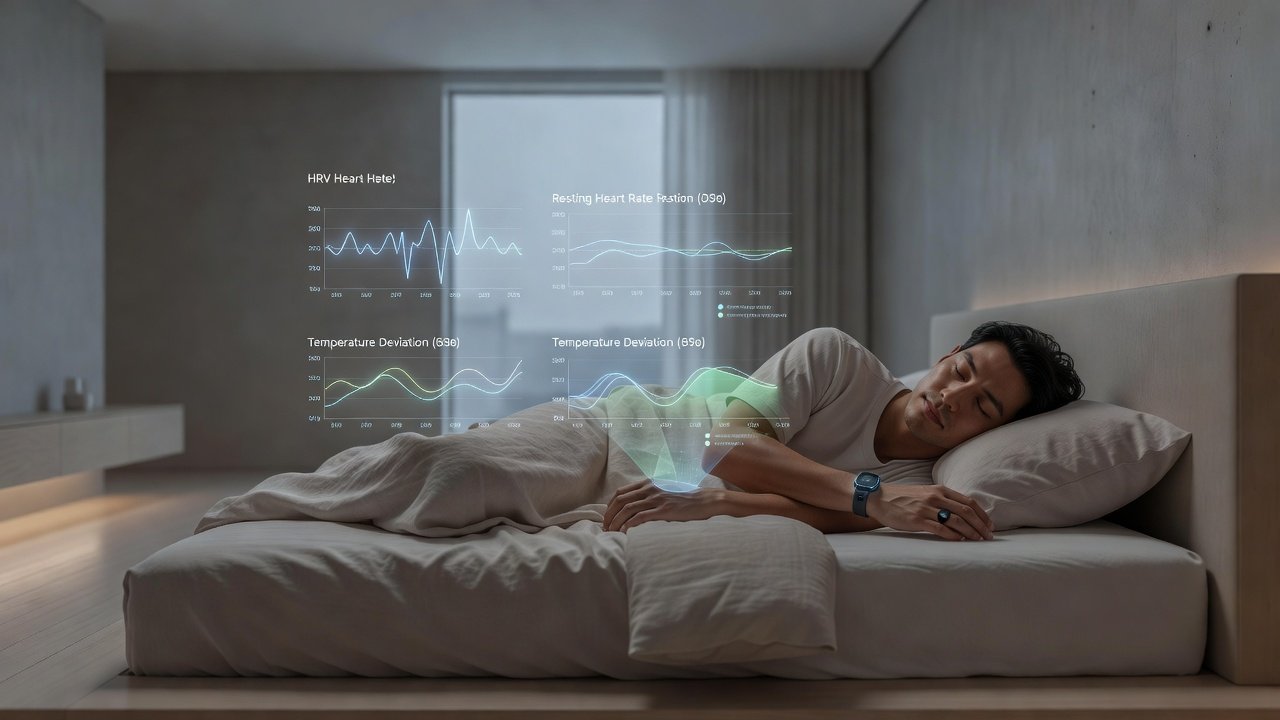
Integrating HRV data helps gamers schedule recovery periods between tournaments, preventing burnout. Professional players often review overnight HRV trends the morning after high-stakes events to decide whether to add light training or full rest days. This approach turns subjective feelings of tiredness into quantifiable metrics that support consistent performance.
Step-by-Step Setup Guide for Oura Ring Integration
- Charge and pair the Oura Ring via the mobile app on your smartphone, ensuring Bluetooth permissions are enabled for seamless data sync.
- Enable sleep tracking and set baseline metrics during a week of normal gaming to establish personal norms for sleep stages and readiness.
- Sync with gaming software like Discord or Steam for activity tagging, allowing the app to automatically categorize high-strain periods.
- Review daily readiness scores to decide on session length, such as shortening queues if recovery falls below 70 percent.
- Adjust bedtime alerts based on circadian data trends, incorporating reminders to reduce blue light exposure in the final hour before sleep.
Step-by-Step Setup Guide for Whoop Strap Integration
- Activate the Whoop strap and calibrate with your profile in the app, inputting typical gaming hours for tailored strain calculations.
- Wear consistently during play and sleep for accurate baselines, allowing the device to learn your unique recovery patterns over seven to ten days.
- Monitor strain from esports sessions and correlate with recovery percentages, using the data to cap daily screen exposure when needed.
- Use the journal feature to note screen time and caffeine intake, building correlations that reveal hidden disruptors like late energy drinks.
- Set custom alerts for low recovery days to prioritize rest, such as auto-scheduling shorter practice blocks the following morning.
Real-World Examples from Professional Gamers
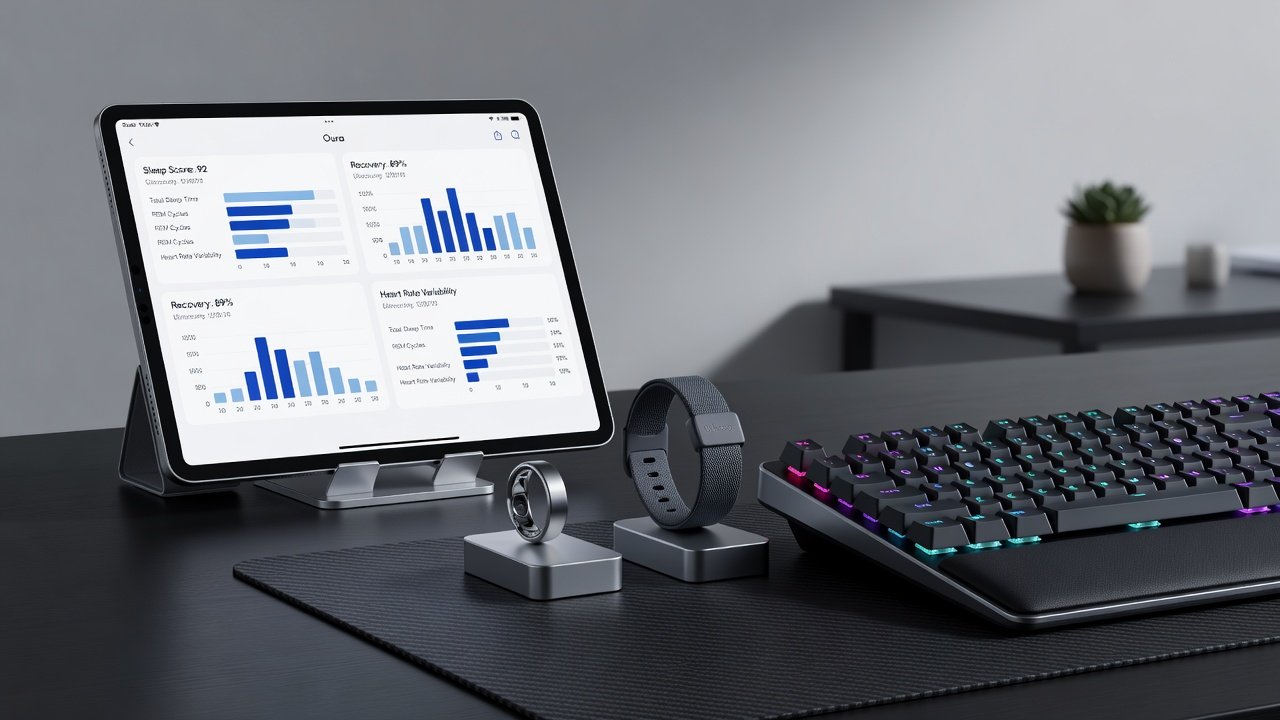
Esports athletes like those in League of Legends teams use Oura to maintain consistent sleep despite travel and scrims. One pro reported improved aim accuracy after prioritizing 7-9 hours based on ring data, noting a 15 percent reduction in missed shots during late-night qualifiers. Whoop users in FPS communities share recovery protocols that include wind-down routines post-stream, such as 20-minute meditation sessions tracked for their impact on next-day HRV. Another example comes from a Valorant pro who used Whoop strain scores to limit marathon sessions, resulting in fewer tilt-induced losses and better team coordination.
Comparison Tips: Choosing Between Oura and Whoop
- Oura offers detailed sleep stage breakdowns and is discreet for all-day wear, making it ideal for gamers who prefer a ring over a wristband during intense mouse movements.
- Whoop focuses on strain and recovery with subscription analytics suited for athletes, providing deeper insights into how gaming exertion compares to physical workouts.
- Consider battery life: Oura lasts up to 7 days while Whoop requires weekly charging, which may influence choice for players with unpredictable travel schedules.
- Budget for accessories and app features when selecting for long-term gaming use, weighing one-time purchase models against ongoing subscription benefits.
- Evaluate ecosystem integration, as Oura pairs well with meditation apps while Whoop excels in community challenges that motivate consistent tracking.
Customized Recovery Protocols for Gamers
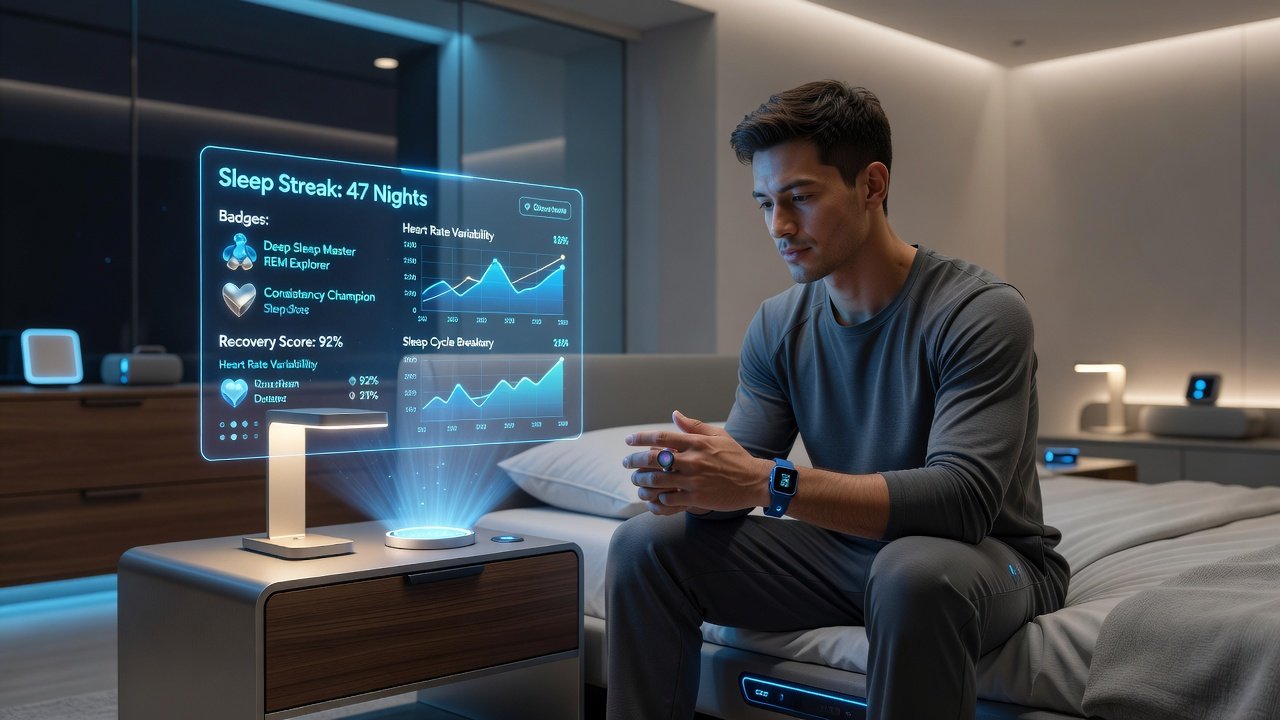
Combine tracker insights with practical habits: dim lights 90 minutes before bed, use blue-light filters, and schedule short naps tracked via wearables. For irregular schedules, focus on consistent wake times over fixed bedtimes to stabilize circadian rhythms. Additional steps include post-session stretching logged in the app and avoiding heavy meals within three hours of sleep. Many gamers add magnesium supplementation after reviewing low recovery scores and retest metrics over a two-week period to confirm improvements.
Actionable 2026 Trends in Wearable Tech for Gamers
Emerging features include AI-driven sleep coaching tailored to gaming schedules and integration with VR headsets for real-time alertness monitoring. Mayo Clinic resources on sleep disorders highlight how personalized data will evolve to support mental optimization in digital lifestyles. Newer models are expected to incorporate eye-strain sensors and direct links to gaming performance dashboards, allowing players to correlate sleep quality with in-game K/D ratios. National Institutes of Health continues to publish studies on wearable accuracy that inform these advancements for high-focus populations.
FAQ: Addressing Common Issues
How accurate is data during irregular schedules?
Trackers use algorithms that adapt over time; users should log irregularities manually for better calibration and cross-reference with multiple nights of data.
Can wearables handle late-night sessions?
Yes, by focusing on recovery metrics rather than strict sleep windows, they guide optimal rest periods and suggest compensatory rest on following days.
What if HRV readings seem off?
Cross-reference with multiple nights and consult device support for firmware updates, while also checking for factors like recent illness or intense caffeine use.
Are there privacy concerns with constant tracking?
Most devices allow users to control data sharing, and reviewing privacy settings regularly helps maintain control over personal health information.
Conclusion
Adopting wearable tech transforms sleep from a liability into a gamer's secret weapon. Start with one device, follow the guides, and refine based on personal data for sustained performance gains in 2026 and beyond. Consistent use reveals patterns that generic advice cannot match, empowering players to compete at their best while protecting long-term health.
No comments yet. Be the first!