 Slow Bio Hack
Introduction: Turning Sleep Data into Motivation
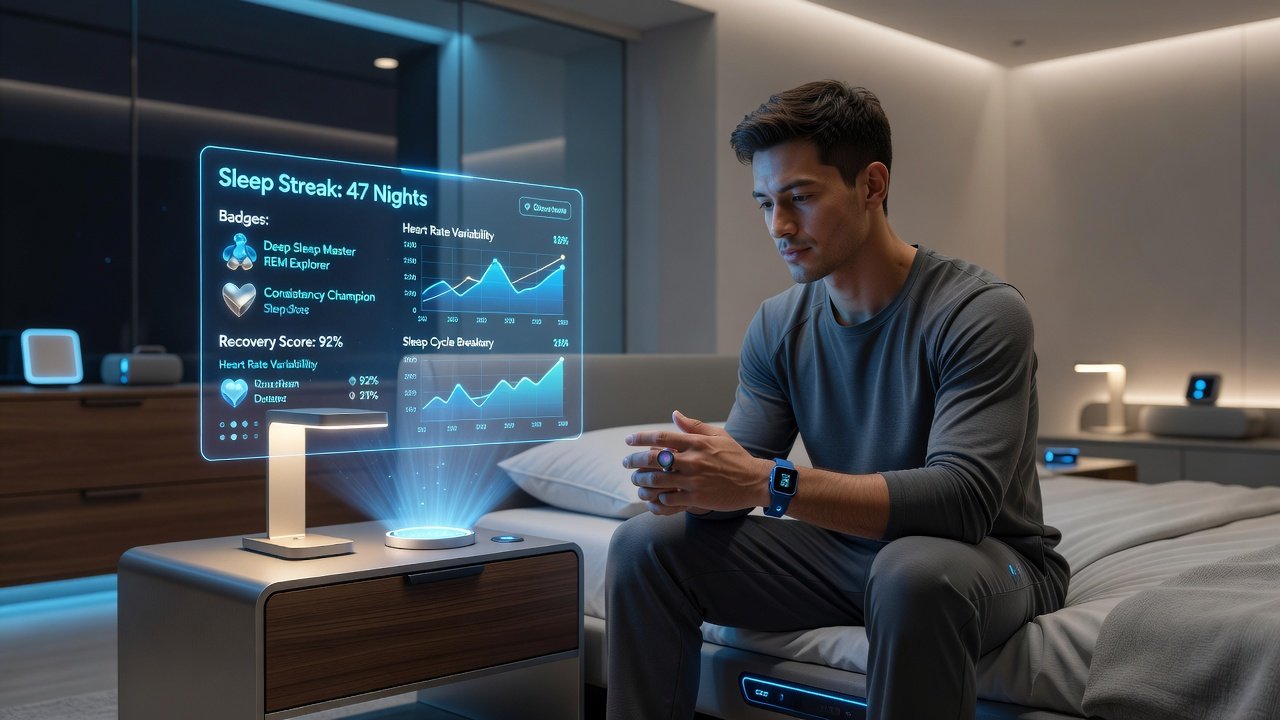
In 2026, wearable technology has evolved beyond basic metrics, offering users powerful tools to transform sleep tracking into an engaging, game-like experience. Devices like the Oura Ring and Whoop strap provide detailed recovery insights, but many users seek more than numbers—they want fun, sustainable motivation that fits into busy modern lives. Gamifying sleep tracking leverages psychology principles such as rewards, competition, and progress visualization to build lasting habits that improve fitness, cognitive function, and overall well-being. This how-to guide explores every angle of the process, from initial setup to advanced strategies, ensuring readers gain actionable knowledge rather than surface-level tips.
Whether you are a complete beginner or someone who has tracked sleep for years, turning raw data into games and challenges creates accountability and excitement. By the end of this article you will understand how to design personal reward systems, connect apps for seamless streak tracking, compare leading devices, avoid common pitfalls, and align your efforts with the latest 2026 trends in sustainable health habits.
Why Gamification Works for Sleep Tracking
Gamification applies game design elements to non-game contexts, boosting engagement through dopamine-driven feedback loops that make daily habits feel rewarding. Research from sources like the CDC highlights how consistent sleep routines enhance immune function and cognitive performance. When paired with wearables, this creates a closed feedback system where visible progress encourages better bedtime behaviors and morning routines. Users often report 30 to 50 percent higher adherence rates when streaks, badges, and leaderboards are involved compared with passive tracking alone.
In 2026, AI-driven personalization in apps makes these experiences even more tailored, predicting optimal sleep windows based on your activity data and adjusting difficulty levels automatically. The psychological benefit extends beyond motivation; gamification reduces the mental friction associated with lifestyle change by framing sleep improvement as an enjoyable quest rather than a chore.
Setting Up Reward Systems with Oura and Whoop
Start by defining clear, achievable goals within each app. For Oura users, focus on the Readiness Score by creating self-imposed rewards like treating yourself to a favorite meal after five consecutive high-score nights or purchasing a small gadget after a month of improved deep sleep percentages. Whoop users can tie recovery metrics to fitness challenges, such as unlocking a new workout playlist or earning extra rest days after maintaining a streak. The key is to make rewards meaningful yet sustainable so the system does not collapse after the novelty wears off.
Practical steps include reviewing your baseline data for one full week to establish realistic targets, establishing tiered rewards that include small daily wins and larger weekly milestones, and tracking progress in a dedicated journal or note app alongside your wearable dashboard. Many successful users also incorporate social accountability by sharing non-sensitive streak updates with a trusted friend or online community. These layered systems foster accountability without overwhelming beginners and help maintain momentum during plateaus.
Using App Integrations for Streaks and Challenges
Both Oura and Whoop support integrations with platforms like Apple Health and Google Fit, enabling cross-app streak tracking that pulls data from multiple sources. Connect your sleep metrics to habit-building apps such as Habitica for RPG-style quests or Streaks for simple calendar-based rewards. In 2026, emerging features allow community challenges where users compete anonymously on leaderboards focused purely on recovery metrics rather than performance pressure. Setting up these connections typically takes under ten minutes and involves authorizing data sharing within each app's privacy menu.
Real-world examples include fitness enthusiasts who combined Whoop's strain coach with Oura's sleep insights to achieve month-long consistency, reporting improved energy levels and reduced burnout. Another user integrated data into a custom spreadsheet that awarded virtual points redeemable for weekend activities. These integrations turn isolated sleep scores into a unified motivational ecosystem.
Comparing Gamification Features Across Devices
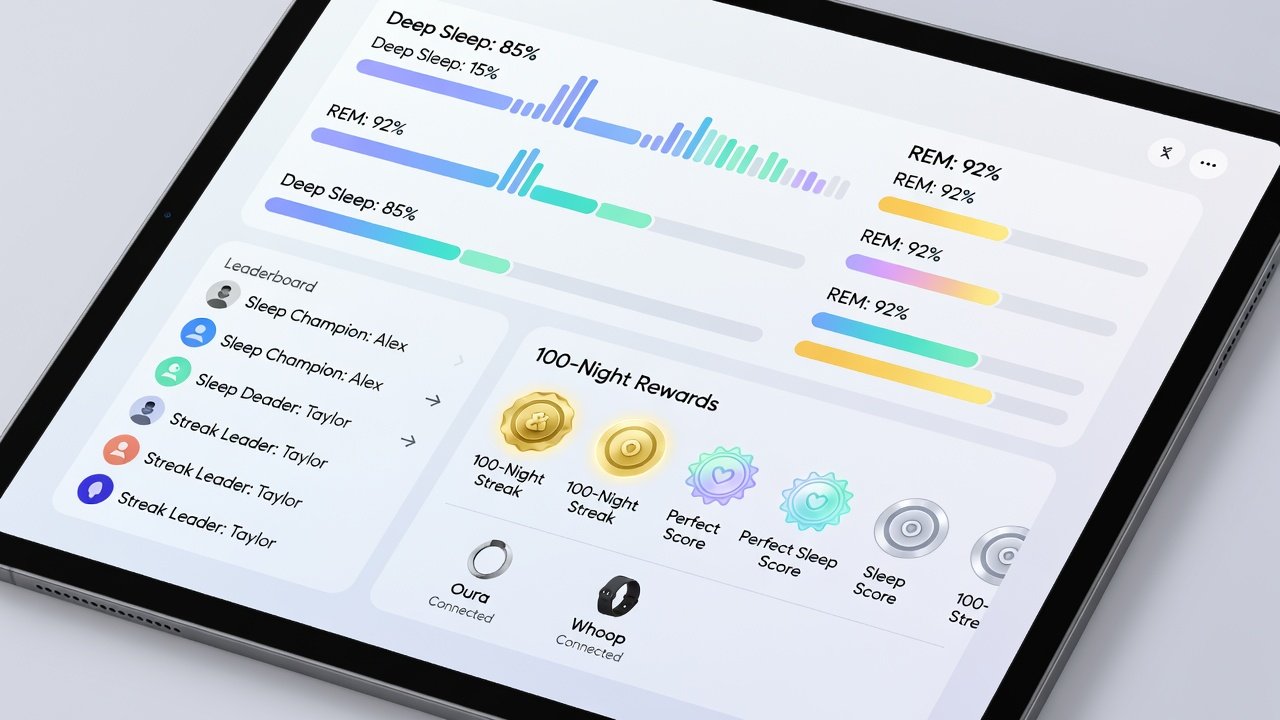
Oura emphasizes visual storytelling with its daily scores, trend graphs, and narrative summaries, making it ideal for reflective users who enjoy seeing long-term patterns. Whoop excels in real-time coaching and team-based challenges, appealing to competitive athletes who thrive on immediate feedback and peer comparison. When choosing between them, consider your lifestyle: Oura suits passive tracking with elegant ring form factor while Whoop encourages active engagement through its journal prompts and strain calculations. Key differences in 2026 include Oura's enhanced AI narratives versus Whoop's expanded social sharing options and customizable challenge templates. Test both via trial periods to see which aligns with your motivation style and daily comfort preferences.
Practical Steps for Beginners in 2026
Follow this beginner roadmap to launch your gamified sleep system successfully. First, choose a primary device based on comfort, battery life, and data depth. Second, enable all relevant notifications and set gentle reminders that do not disrupt sleep itself. Third, join online communities or forums for shared challenges to stay inspired during difficult weeks. Fourth, review weekly reports and adjust goals dynamically rather than rigidly. Fifth, incorporate mindfulness elements such as breathing exercises or gratitude journaling as bonus rewards that compound the benefits of good sleep. Consistency typically builds over 30 days, at which point the habits become instinctive and require less conscious effort.
Real-World Success Stories
One software engineer transformed chronic poor sleep patterns by gamifying Whoop recovery scores with a points system tied to his favorite video games, achieving a personal best streak of 45 consecutive nights and noticing measurable improvements in focus during work hours. Another user leveraged Oura's temperature and heart rate variability trends to create cycle-based challenges aligned with her menstrual cycle, resulting in better athletic performance and fewer injuries over six months. A third example involves a group of friends who formed a private leaderboard using integrated apps, supporting each other through accountability messages and celebrating collective milestones with virtual high-fives. These stories illustrate how simple mechanics, when personalized, lead to profound and lasting lifestyle shifts.
Common Mistakes to Avoid
Many beginners fail by setting overly ambitious targets that lead to frustration and abandonment within the first two weeks. Another frequent error is ignoring data accuracy by wearing the device inconsistently or failing to calibrate it properly. Users should also avoid over-relying on competitive elements if they find social pressure demotivating; solo reward systems work equally well. Finally, neglecting to review privacy settings when connecting third-party apps can expose sensitive health information. Learning from these pitfalls early saves time and preserves long-term motivation.
2026 Trends in Fun, Sustainable Habits
Expect deeper AI integrations that simulate virtual pet care or story progression tied directly to your nightly sleep quality. Social features will continue expanding, allowing family or friend groups to participate in recovery leagues with optional anonymity. The overarching focus remains on sustainability, encouraging users to build in rest days and flexible challenges that prevent burnout while still delivering measurable recovery gains. Emerging partnerships between wearable brands and mental health platforms are also making gamified sleep a gateway to broader wellness ecosystems.
Advanced Gamification Techniques
Once comfortable with basic streaks, explore layering multiple metrics such as combining sleep consistency with daytime activity scores for hybrid challenges. Some users create seasonal themes, like a summer recovery quest or winter resilience program, complete with custom badges. Advanced practitioners also experiment with variable reward schedules inspired by slot-machine psychology to keep engagement high even after months of use. Always ground these techniques in your personal data trends rather than generic templates for maximum effectiveness.
FAQ: Addressing Common Hurdles
How do I stay motivated if I miss a streak?
Reframe misses as learning opportunities instead of failures. Adjust goals downward temporarily, restart with a fresh challenge, and focus on the overall trend rather than any single night to rebuild momentum quickly.
Are integrations secure for health data?
Always review privacy settings and data-sharing permissions on official sites like Oura and Whoop before linking additional apps. Enable two-factor authentication wherever available.
What if my device data feels inaccurate?
Cross-reference readings with manual sleep logs and consult a healthcare professional if discrepancies persist. Most 2026 models include built-in calibration tools and firmware updates that improve precision over time.
Can gamification work without competitive elements?
Absolutely. Solo reward systems, narrative storytelling, and personal milestone tracking provide ample motivation, especially for introverted users who prefer private progress.
How long until results become noticeable?
Most users observe subjective improvements in energy and mood within two to four weeks, while objective metrics such as resting heart rate often show measurable change after 30 to 60 days of consistent tracking and gamified habits.
Conclusion
Gamifying sleep tracking with wearables in 2026 offers a fresh, effective path to better recovery and fitness. By implementing thoughtful reward systems, leveraging app integrations for streaks, comparing device features carefully, and learning from both successes and mistakes, users create enjoyable routines that support long-term health goals. Start small, stay consistent, and watch your sleep quality transform into a sustainable advantage.

No comments yet. Be the first!