 Slow Bio Hack
Introduction: Why Family Sleep Tracking Matters in 2026
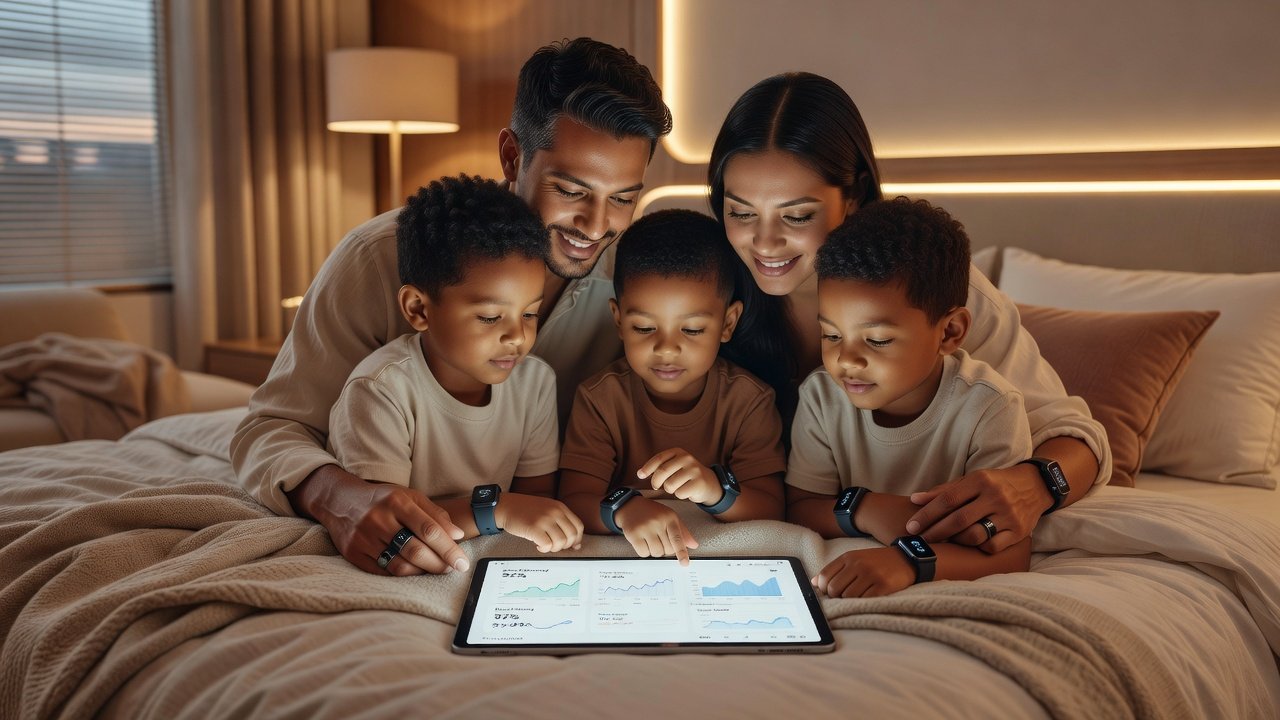
In 2026, families are increasingly turning to advanced fitness trackers to monitor and optimize sleep patterns collectively rather than individually. Wearable devices from brands like Oura and Whoop provide detailed metrics on rest, recovery, and circadian rhythms, helping parents address common household issues such as inconsistent bedtimes or disrupted nights. This guide covers practical applications for syncing multiple devices, interpreting shared data, and implementing routines that benefit everyone from toddlers to adults. By adopting these technologies, households can foster better overall wellness and reduce the stress associated with poor sleep across generations.
Research from the National Institutes of Health highlights how consistent family sleep hygiene supports overall wellness, reducing risks associated with poor rest. Sleep affects everything from cognitive performance and mood regulation to immune function and long-term health outcomes. When multiple family members experience fragmented sleep, it creates a ripple effect that impacts school performance, work productivity, and family dynamics. Fitness trackers turn subjective feelings of tiredness into objective data points, enabling proactive adjustments rather than reactive fixes.
Comparing Tracker Features for Different Ages
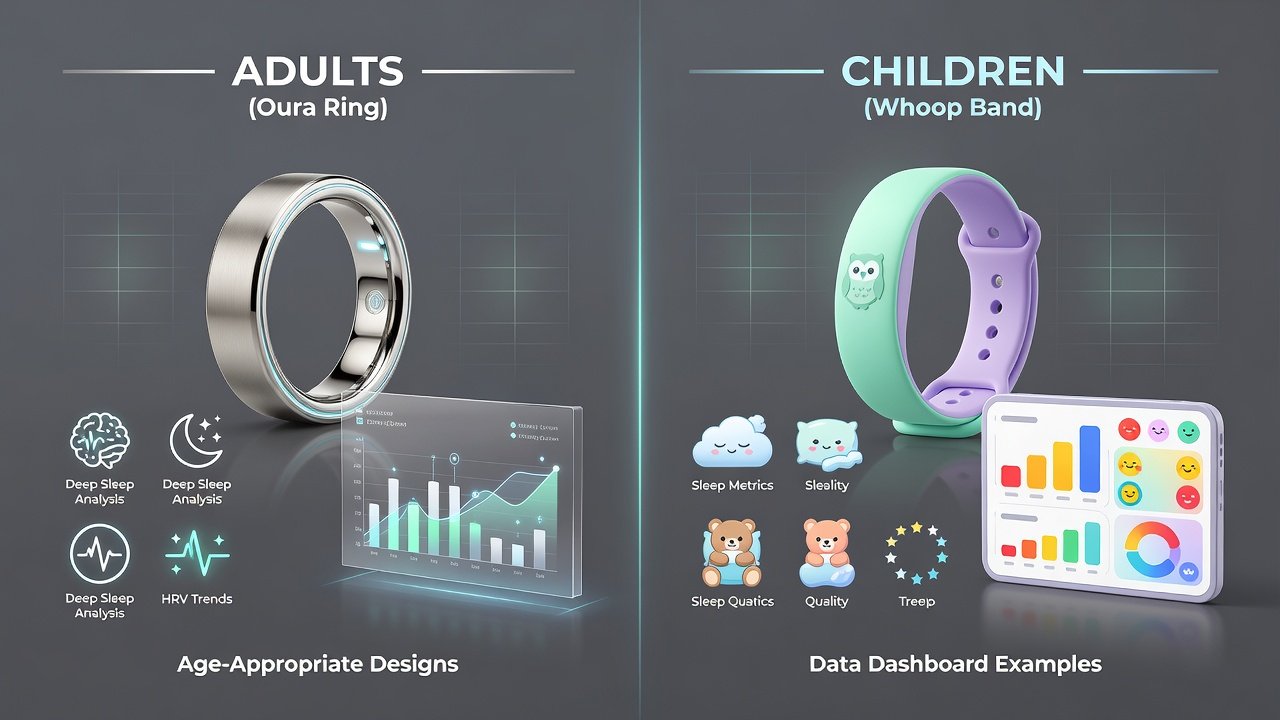
When selecting devices for family use, consider age-appropriate designs and capabilities. Oura Rings excel for adults with their focus on recovery scores, heart rate variability, and detailed sleep stage analysis including REM, deep, and light sleep percentages. Whoop bands offer flexible sizing suitable for older children and teens, with emphasis on strain and recovery metrics that appeal to active adolescents. For younger kids, look for models with parental controls, simplified interfaces, and comfortable bands that avoid overwhelming children with too much data.
Key differences include battery life, water resistance levels, data sharing capabilities, and integration with smartphone ecosystems. Adult-focused trackers often prioritize advanced biomarkers like respiratory rate and skin temperature trends, whereas child-oriented versions emphasize safety certifications, durability against rough play, and easy-to-read summaries for parents. Parents should evaluate overnight comfort, especially for sensitive skin, and ensure the app supports multi-user profiles with customizable privacy settings. Comparing these features side by side helps families choose a mix of devices that scale effectively from elementary school through adulthood.
Step-by-Step Setup for Parents and Kids
Begin by creating individual accounts in the respective apps for each family member, ensuring age-appropriate consent features are enabled where required. Pair devices via Bluetooth, setting permissions for data sharing within the household group while maintaining individual privacy boundaries. For children, involve them in the process to build buy-in by explaining in simple terms how the tracker helps identify better sleep habits and why rest matters for energy and growth.
- Charge all devices fully before initial setup and perform firmware updates to access the latest 2026 features.
- Download the most recent app versions and enable family sharing or group dashboards for centralized viewing.
- Calibrate sensors during a full baseline week of normal routines without major interventions to establish accurate personal norms.
- Review initial data together during a family meeting to set realistic, age-specific goals such as consistent wind-down times or reduced screen exposure before bed.
- Establish charging rituals and cleaning routines to maintain device accuracy and longevity over months of daily use.
Consistency is essential—recalibrate every few months as kids grow, seasonal changes occur, or family schedules shift due to school or work demands.
Syncing Devices and Interpreting Shared Data
Modern apps allow seamless syncing across multiple trackers, aggregating data into intuitive family dashboards that highlight both individual and collective trends. Focus on metrics like average sleep duration, number of awakenings, sleep efficiency scores, and correlations with shared household factors such as evening meal timing or exposure to blue light. Use built-in visualizations to spot patterns, for instance how a parent's late work schedule might influence children's ability to fall asleep promptly.
Actionable insights emerge when families examine data over weeks rather than single nights. For example, if trackers reveal frequent awakenings around 2 AM across multiple members, investigate environmental contributors like room temperature fluctuations, noise from appliances, or inconsistent bedtime stories. Sharing anonymized summaries during weekly check-ins encourages collaborative problem-solving instead of blame.
Real-World Examples of Resolving Family Sleep Issues
Consider a household where two teens struggled with delayed sleep phases due to homework and social media. Tracking with Whoop revealed elevated evening heart rates linked to caffeine consumption after 4 PM; shifting to decaf options and implementing a 9 PM device curfew improved sleep onset by 45 minutes within two weeks. Another family with a toddler and working parents used Oura insights to align the child's afternoon nap with parental recovery windows, resulting in more synchronized morning routines and reduced daytime irritability for all.
A third example involves a blended family managing jet lag after travel. By monitoring recovery scores across devices, they adjusted light exposure and meal timing based on individual data, shortening adjustment periods from five days to three. These cases illustrate how collective monitoring transforms raw numbers into actionable, family-wide strategies that address root causes rather than symptoms.
Common Challenges and Solutions in Family Tracking
One frequent hurdle is inconsistent wear compliance, especially among younger children who may remove bands during play. Solutions include choosing comfortable, adjustable straps and gamifying the experience with rewards for consistent data collection. Accuracy concerns in shared bedrooms can arise from motion interference; positioning beds strategically and using devices with strong motion-filtering algorithms mitigates this issue. Battery management across multiple devices requires a dedicated charging station visible to the whole family.
Privacy worries surface when teens resist sharing metrics. Address this by allowing selective data visibility and emphasizing benefits like personalized advice rather than surveillance. Integration with other household apps, such as smart lighting or sound machines, further enhances results when sleep scores trigger automated adjustments.
Advanced Tips and Integration with Household Wellness
Beyond basic tracking, leverage 2026 features like AI-driven recommendations that suggest personalized wind-down playlists or optimal bedtime windows based on aggregated family data. Combine trackers with broader wellness tools such as nutrition logs or activity monitors for a complete picture. The World Health Organization emphasizes holistic approaches to sleep that consider physical activity, diet, and mental health together.
Regularly export reports to discuss with pediatricians or sleep specialists when persistent issues arise. Experiment with seasonal adjustments, such as earlier bedtimes in winter months when natural light is limited, guided by historical tracker trends.
FAQs on Privacy, Accuracy, and Integration
- How is family data kept private? Most trackers employ end-to-end encryption; review app settings to restrict visibility to household members only and avoid third-party sharing.
- Are readings accurate in shared sleeping environments? Devices perform reliably with consistent wear; cross-reference insights with guidelines from the CDC for validation and consult professionals for anomalies.
- Can trackers integrate with smart home systems? Yes, many connect via APIs to automate lights, thermostats, or white noise machines based on real-time sleep stages.
- What about accuracy for very young children? Select pediatric-certified models and combine with parent observations for the most reliable interpretations.
- How often should families review data together? Weekly reviews strike a balance between awareness and avoiding obsession, allowing time for meaningful patterns to emerge.
Conclusion: Building Lasting Family Wellness Habits
Embracing fitness trackers for family sleep monitoring in 2026 empowers households with data-driven decisions that extend far beyond individual use. Start with simple setups, maintain consistency through routines, and iterate based on real-world results to cultivate restorative sleep for every member. Over time, these habits contribute to stronger family bonds and sustained health improvements.
No comments yet. Be the first!