 Slow Bio Hack
Introduction: Bridging Pet Care and Human Recovery with Wearables
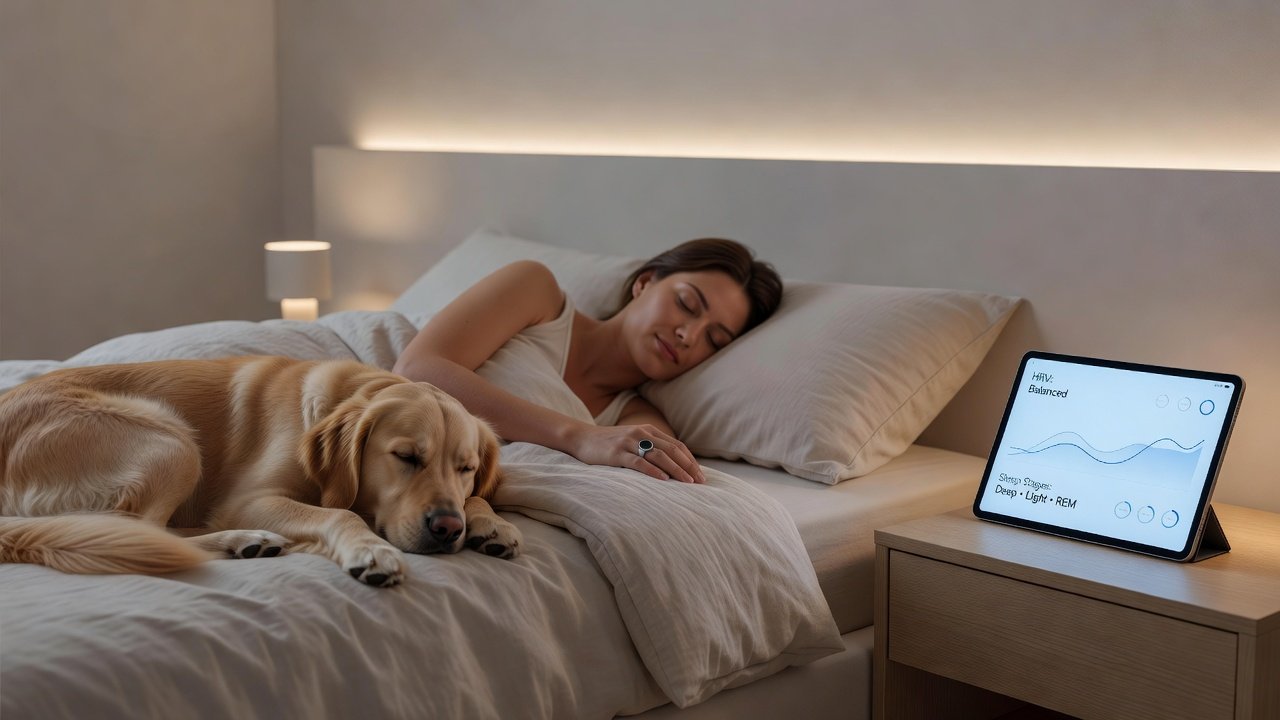
Pet owners frequently encounter fragmented sleep due to nighttime pet movements, barking, or demands for attention. These interruptions can significantly impair recovery, mood, and overall wellness. In 2026, advanced wearables such as the Oura Ring and Whoop strap provide detailed biometric insights that help users understand and mitigate these effects. By tracking metrics like heart rate variability (HRV), sleep stages, and recovery scores, owners can adjust routines for better rest. This comprehensive guide covers the science behind these impacts, practical setup processes, real-world applications, device comparisons, and expert tips to make the most of your tracker alongside pet ownership responsibilities.
Understanding HRV Impacts from Nighttime Pet Activity
Heart rate variability, or HRV, reflects the variation in time between heartbeats and serves as a primary indicator of autonomic nervous system function and overall recovery. Low HRV often signals stress or poor sleep quality. Nighttime pet activity, such as a dog shifting positions or a cat jumping on the bed, can trigger sudden heart rate increases that reduce HRV scores. Over time, repeated disruptions may lead to chronic fatigue and weakened immune response. Resources from Mayo Clinic emphasize how consistent sleep interruptions affect cardiovascular health. Oura captures nightly HRV trends through its ring sensors, while Whoop provides continuous strain data that highlights cumulative effects from pet-related awakenings. Users can correlate logged pet events with biometric drops to identify patterns, such as higher activity around 2-4 a.m. in multi-pet households.
Step-by-Step Setup for Integrated Alerts and Tracking
Setting up your wearable for pet-specific insights requires careful configuration. Begin by ensuring your device maintains solid skin contact and is charged nightly. In the Oura app, enable all-day HRV monitoring and set personalized baselines based on your typical sleep window. For Whoop, activate recovery tracking and link it to compatible health platforms. Next, create a simple logging system: use the app's notes feature or integrate with Apple Health to record pet behaviors like walks or disturbances. Configure alerts for HRV thresholds dropping below your average, timed to common pet-active periods. Test the system for one week, then review data to refine alerts. Troubleshooting includes repositioning the device if movement artifacts occur and cross-referencing with environmental factors like room temperature. This methodical approach turns passive tracking into proactive wellness management.
Monitoring Sleep Stages Alongside Pet Routines
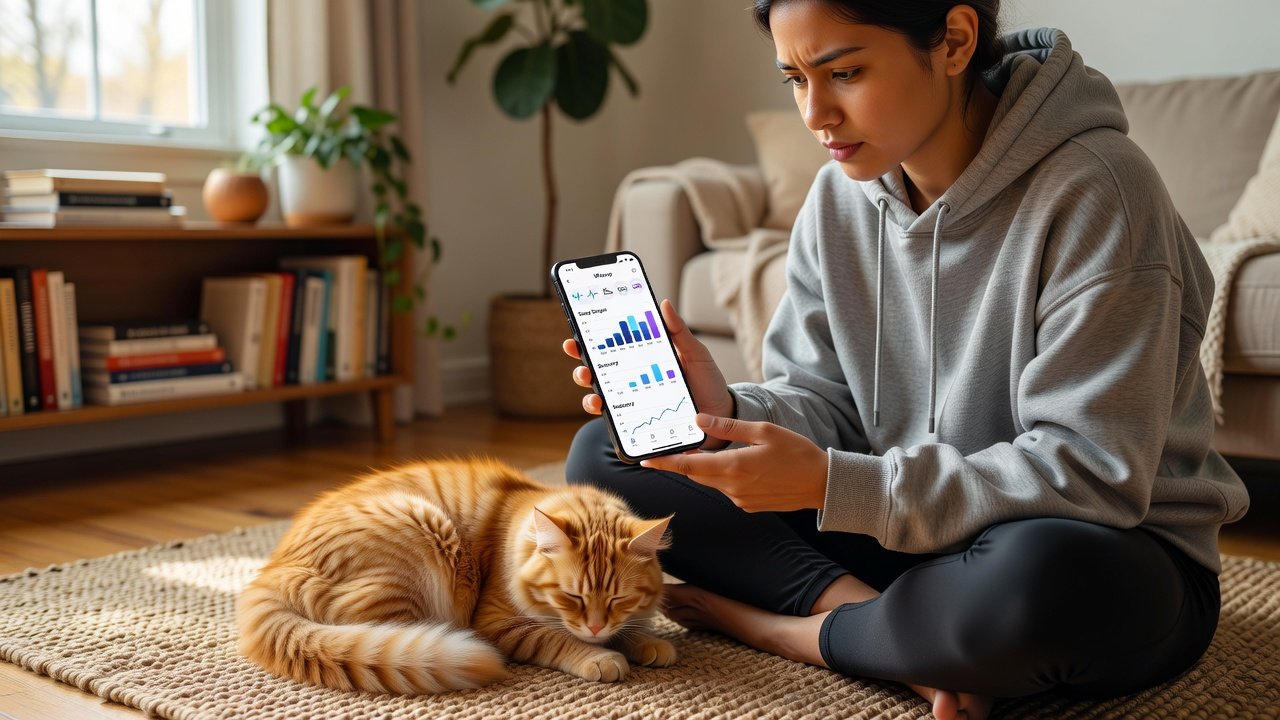
Beyond HRV, both devices excel at breaking down sleep into light, deep, and REM stages. Pet disruptions often fragment deep sleep, which is critical for physical restoration. Oura provides temperature and respiratory rate data that can reveal stress responses to nearby animal movement. Whoop focuses on overall recovery percentage, helping owners see how pet care duties influence next-day performance. Practical application involves aligning feeding times or last walks with your natural wind-down period to minimize late-night interruptions. Many users report improved deep sleep percentages after implementing consistent crate schedules informed by tracker feedback.
Real-World Case Examples
Sarah, a dedicated Labrador owner, noticed consistent 3 a.m. awakenings lowering her Oura readiness score. By shifting evening exercise earlier and using Whoop strain metrics to balance daily load, she achieved a marked improvement in HRV within weeks. Another case involves Michael, who owns two cats that roam at night. He used Oura’s bedtime reminders combined with gradual crate training to stabilize his sleep cycles, resulting in fewer awakenings. A third example features Emma, a shift worker with a small dog, who overlaid pet activity logs onto Whoop data to optimize nap timing around pet needs. These stories illustrate how personalized data interpretation leads to sustainable habit changes.
Feature Comparison: Oura vs Whoop for Pet Owners
- Oura Ring: Offers discreet 24/7 wearability ideal for those handling leashes or pet gear. Provides detailed sleep stage breakdowns, resting heart rate trends, and temperature tracking that detects subtle stress from pet proximity.
- Whoop Strap: Delivers robust continuous strain scoring and recovery metrics that quantify the physical toll of pet-related activities like playtime or nighttime checks.
- Shared Capabilities: Both support data export for custom analysis and integrate with third-party apps to overlay pet schedules on biometric charts.
- Limitations: Oura may require occasional charging pauses, while Whoop’s subscription model adds ongoing considerations for long-term use.
Practical Tips for Choosing Between Devices
Select Oura if you value a ring form factor that integrates seamlessly into daily life without interfering with pet handling. Choose Whoop when deeper strain analytics tied to active pet care are priorities. Consider trial periods offered by both brands to test compatibility with your specific routine. Factor in lifestyle elements such as swimming with pets or frequent travel, as these influence device durability and data continuity.
Common Mistakes to Avoid
Avoid ignoring baseline establishment, which leads to inaccurate alerts. Do not overlook manual tagging of pet events, as automated detection alone cannot differentiate sources. Refrain from over-adjusting routines too quickly; allow at least two weeks of consistent data before major changes. Finally, ensure devices are cleaned regularly to maintain sensor accuracy around active pets.
FAQs on Data Accuracy with Animals
Does pet fur or movement affect sensor accuracy? Optical sensors prioritize direct skin contact, so minimal interference occurs with proper fit; minor repositioning usually resolves issues.
Can trackers distinguish pet versus human movement? Direct differentiation is not possible, yet manual event logging in companion apps isolates variables effectively for trend analysis.
Are these devices safe around pets? Both Oura and Whoop are non-invasive and designed for continuous wear, posing no risk when used as intended.
How often should data be reviewed? Weekly reviews help identify patterns, while monthly deeper analysis supports long-term adjustments to pet care and sleep hygiene.
What if I have multiple pets? Start with one primary tracker and layer additional logs; advanced users combine data sources for comprehensive insights.
Conclusion: Optimizing Wellness Together
Integrating Oura or Whoop into pet ownership routines transforms potential sleep disruptions into opportunities for measurable recovery gains. Begin with baseline tracking, apply the setup steps, and refine based on personalized examples and comparisons. For further authoritative guidance on sleep and recovery, explore resources at Mayo Clinic, Oura, and Whoop. Consistent use of these tools empowers pet owners to achieve better rest while caring for their animals.

No comments yet. Be the first!