 Slow Bio Hack
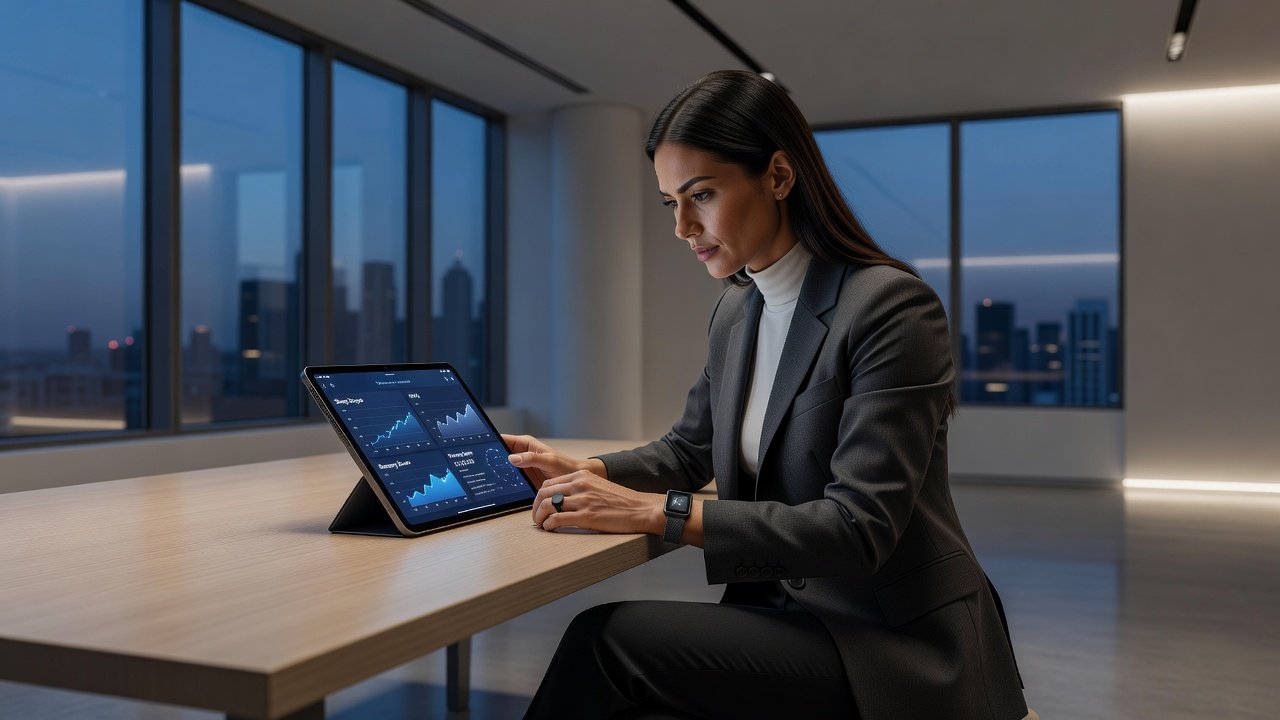
Introduction: Unlocking Creativity Through Smarter Sleep Tracking
Creative professionals often face irregular schedules, high stress, and the constant demand for fresh ideas. In 2026, wearable tech like Oura and Whoop offers targeted insights into sleep stages, particularly REM, which directly fuels cognitive creativity and problem-solving. This article dives deep into practical applications of sleep tracking for designers, writers, and other creatives seeking enhanced focus and idea generation. Beyond general fitness advice, these tools reveal how specific sleep metrics influence the quality of brainstorming sessions, design iterations, and narrative development. By understanding personal sleep patterns, creatives can turn data into a competitive edge for sustained productivity.
The Science Linking REM Sleep to Creative Thinking
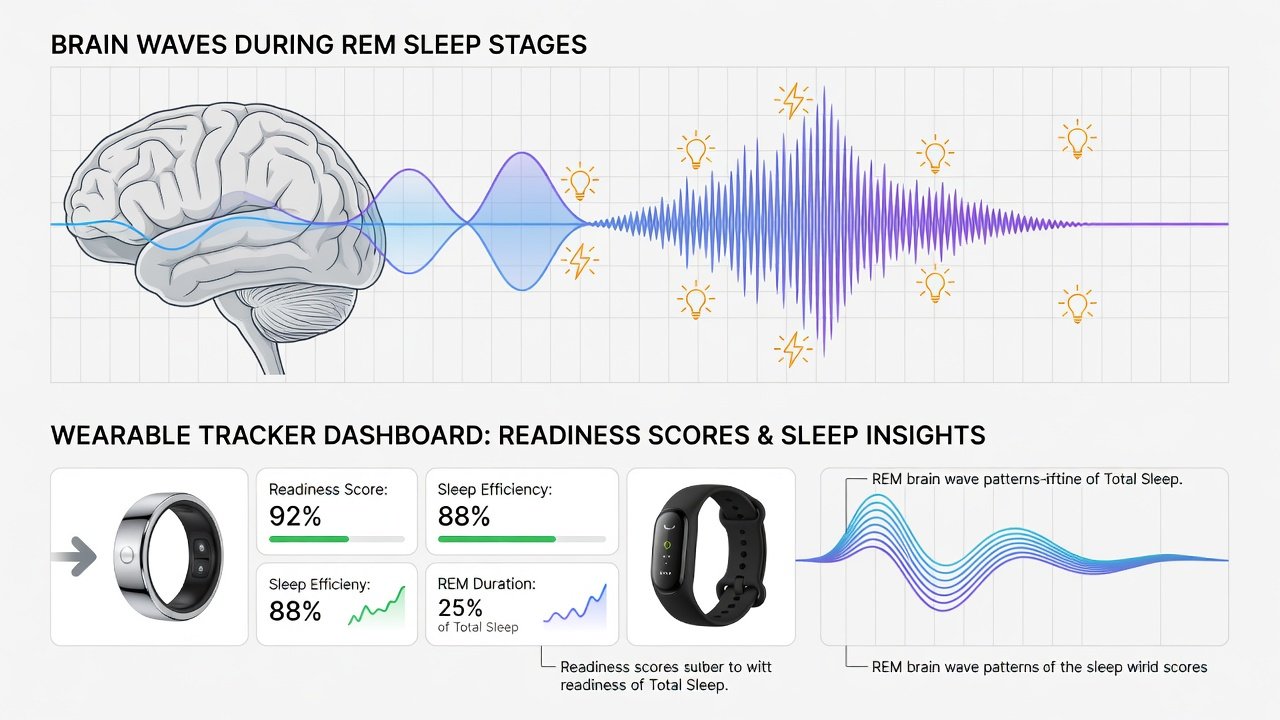
REM sleep plays a critical role in memory consolidation and emotional processing, both essential for innovative thinking. Studies show that increased REM duration correlates with better divergent thinking and idea fluency. Sleep Foundation resources highlight how disruptions in this stage impair cognitive flexibility. Wearables quantify these metrics, allowing users to correlate readiness scores with creative output. Deep sleep supports physical recovery while REM enhances associative thinking. For creatives, optimizing the balance between these stages can mean the difference between creative blocks and breakthrough moments. Research from neurological institutes further connects REM cycles to the brain's ability to form novel connections, making it a key factor in fields like advertising and fiction writing where originality is paramount.
Additional factors such as consistent sleep timing and minimizing evening screen exposure amplify REM benefits. When REM is shortened by stress or late-night work, creatives report reduced ability to synthesize complex concepts the following day. Wearable data helps quantify these effects, turning abstract science into daily actionable insights.
Comparing Oura and Whoop for Recovery Insights
Oura focuses on ring-based temperature, HRV, and sleep stage breakdowns, providing a holistic readiness score. Whoop emphasizes strain and recovery through its band, offering detailed sleep cycle data tailored to high-performance lifestyles. During high-stress creative periods, such as deadline crunches, Whoop's recovery metrics often reveal how elevated resting heart rates signal incomplete REM restoration. Oura excels in long-term trend analysis through its temperature tracking, while Whoop provides granular strain scores that help creatives balance intense work sessions with necessary rest. Both devices excel at identifying patterns beyond basic fitness, making them ideal for niche creative workflows rather than generic athletic use. Users often combine insights from both for a fuller picture of how sleep influences daily creative output.
Real-World Examples from Designers and Writers
Freelance graphic designer Elena Vargas uses her Oura ring to adjust bedtime after noticing low REM scores following late-night client revisions. Within two weeks, her idea generation improved noticeably, leading to faster concept development and higher client satisfaction. Similarly, novelist Marcus Hale tracks Whoop recovery to maintain consistent writing sprints, avoiding burnout during intense manuscript phases by prioritizing 90-minute REM windows. Industrial designer Priya Patel integrates both devices to monitor recovery after collaborative workshops, noting that higher readiness scores directly precede more innovative prototype ideas. Writer and podcaster Jamal Torres uses Oura data to schedule deep work blocks only on days with strong REM percentages, resulting in more compelling storytelling. These cases illustrate how sleep data translates directly into sustained creative productivity across various creative disciplines.
Step-by-Step Routines for Adjusting Bedtime Based on Readiness Scores
Follow this routine to integrate tracker data into your schedule:
- Review your device's readiness or recovery score each morning upon waking and note REM percentage alongside total sleep time.
- If REM percentage falls below personal baseline, aim for an earlier bedtime by 30-60 minutes that evening while maintaining a consistent wake time.
- Log creative tasks completed the next day to identify correlations between sleep metrics and output quality.
- Experiment with wind-down rituals like blue-light blocking two hours before adjusted sleep time and include light stretching or journaling.
- Reassess weekly to refine the routine for your unique creative rhythm and adjust for seasonal changes in natural light.
- Incorporate afternoon light exposure or short walks to reinforce circadian alignment and support evening REM consolidation.
This approach turns raw data into actionable sleep hacks tailored for idea generation and long-term creative sustainability.
Recovery Metrics During High-Stress Creative Periods
High-stress phases like campaign launches or book deadlines often suppress REM sleep. Trackers can flag elevated HRV imbalances, prompting earlier interventions such as midday naps or adjusted caffeine cutoffs. Comparing baseline versus stressed periods helps creatives build resilience buffers, maintaining focus even under pressure. Monitoring these metrics over multiple projects reveals personal thresholds where sleep quality begins to decline, allowing proactive schedule adjustments. For instance, many creatives find that capping daily strain below a certain level preserves REM even during crunch times.
Checklist for Integrating Trackers into Daily Workflows
- Sync device data with your calendar app each morning and color-code days based on readiness levels.
- Set automated alerts for suboptimal sleep stages to prompt immediate recovery actions.
- Pair tracker insights with a creativity journal to note idea quality and track patterns over weeks.
- Share anonymized trends with collaborators for team wellness discussions and collective schedule planning.
- Schedule quarterly reviews of long-term sleep trends against project outcomes to refine strategies.
- Combine sleep data with environmental factors like room temperature and noise levels for holistic optimization.
Handling Irregular Schedules Common in Creative Fields
Many creatives work evenings or travel frequently, disrupting standard sleep patterns. Wearables accommodate this by focusing on recovery quality rather than rigid timing. Shift focus to total sleep opportunity and prioritize consistent wake times even after late sessions. Use device insights to identify the best windows for short recovery naps that boost subsequent REM without interfering with nighttime sleep.
FAQ: Addressing Common Challenges Like Irregular Schedules
How do I handle night-owl creative sessions with trackers?
Shift focus to total sleep opportunity and quality metrics rather than strict timing. Both Oura and Whoop accommodate variable schedules by emphasizing recovery over rigid bedtimes, allowing creatives to maintain output despite non-traditional hours.
What if data feels overwhelming?
Start with one key metric like REM percentage and build from there. Consistent small adjustments yield better results than overhauling routines immediately, preventing decision fatigue.
Can these devices help with jet lag from creative travel?
Yes, their circadian insights support gradual schedule shifts, reducing the impact on idea generation post-travel through targeted light and nap recommendations.
How accurate are sleep stage readings for non-athletes?
Accuracy has improved significantly, with validation studies showing strong correlation to lab polysomnography for REM detection in everyday users.
Conclusion: Elevating Creative Potential with Targeted Sleep Optimization
By leveraging Oura and Whoop for precise sleep tracking, creatives can systematically enhance REM quality and overall recovery. The result is sharper focus, more consistent idea flow, and greater resilience during demanding projects. Implement these hacks today to transform sleep from a passive necessity into a strategic creative advantage. Mayo Clinic emphasizes the foundational role of quality rest in cognitive health, underscoring why these tools matter for long-term professional success. National Institutes of Health resources further support integrating technology for personalized sleep improvement in high-cognitive-demand careers.
No comments yet. Be the first!