 Slow Bio Hack
Introduction to Evidence-Based Microbreaks in 2026
In today's high-performance work environments, strategic microbreaks have evolved beyond simple rest into targeted protocols that optimize brain function. Research from institutions like the National Institutes of Health highlights how short, intentional pauses can improve attention, reduce cognitive fatigue, and support long-term mental health. This guide explores five core activity categories designed for 2026, emphasizing measurable outcomes for focus and productivity. Microbreaks typically last 2-5 minutes and should be scheduled every 45-60 minutes during focused work blocks. The protocols below draw from cognitive science to deliver non-repetitive tactics that extend proven brain optimization strategies, helping users maintain peak mental performance throughout the day without burnout.
The Science Behind Effective Microbreaks
Understanding the neurological mechanisms is essential for selecting the right activities. Short breaks interrupt the buildup of adenosine in the brain, which contributes to mental fatigue. Studies referenced by the National Institutes of Health show that targeted interventions can enhance prefrontal cortex activity and improve dopamine regulation. For 2026, protocols incorporate wearable data where possible, allowing users to track heart rate variability and adjust break intensity accordingly. This evidence-based approach ensures activities are not random but precisely calibrated for cognitive gains.
Category 1: Movement Resets
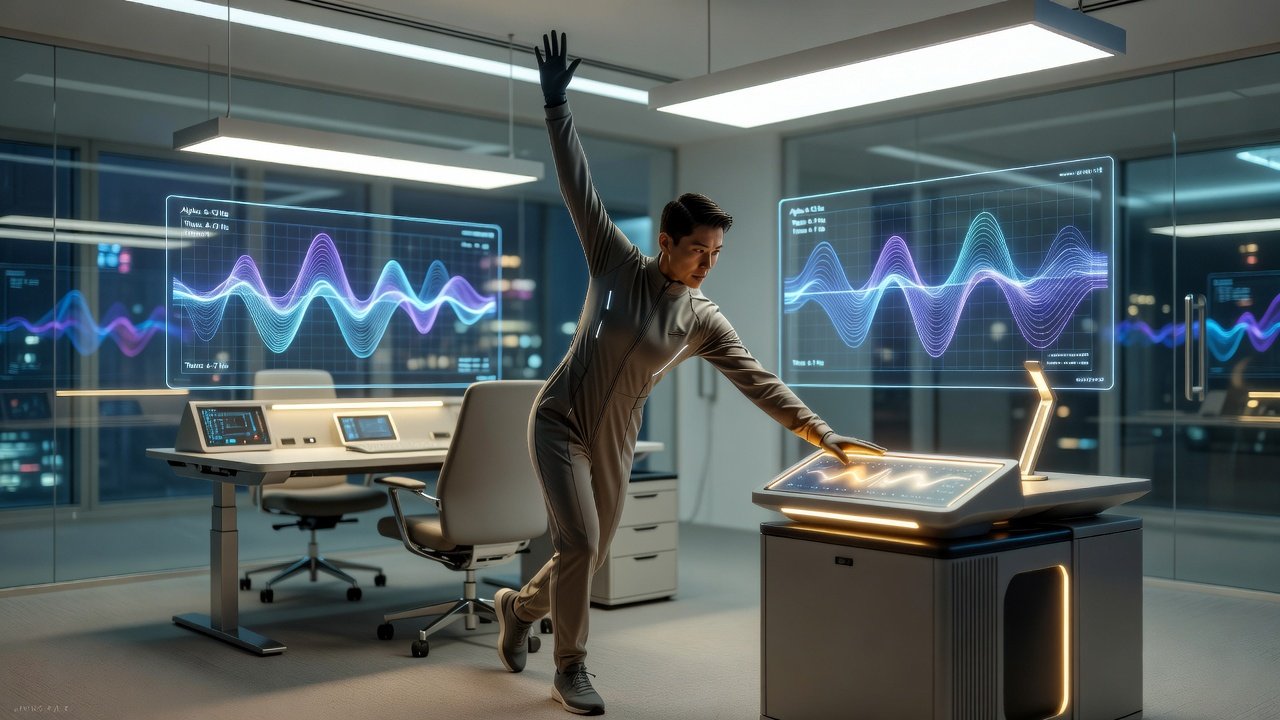
Movement resets activate the vestibular system and increase blood flow to the prefrontal cortex. A typical protocol involves 90 seconds of dynamic stretches followed by balance holds. Step 1: Perform neck rolls and shoulder shrugs for 30 seconds while standing. Step 2: Execute 20 seconds of high-knee marches in place. Step 3: Hold a single-leg balance for 40 seconds per side, focusing on a fixed point to engage core stability. Timing chart recommendation: 2-minute total duration, performed 8-10 times daily. Remote workers report 18% improved sustained attention after consistent use, while creatives note enhanced idea generation during subsequent creative sessions. Advanced variation includes incorporating resistance bands for added proprioceptive challenge.
Category 2: Sensory Shifts
Sensory shifts recalibrate overloaded neural pathways through controlled input changes. Switch from visual screen focus to auditory or tactile stimuli to reduce cognitive load. Execution steps include dimming lights, applying a cooling facial mist, and listening to 60 bpm binaural tones for 3 minutes. This category proves especially effective for individuals in visually intensive roles. Place 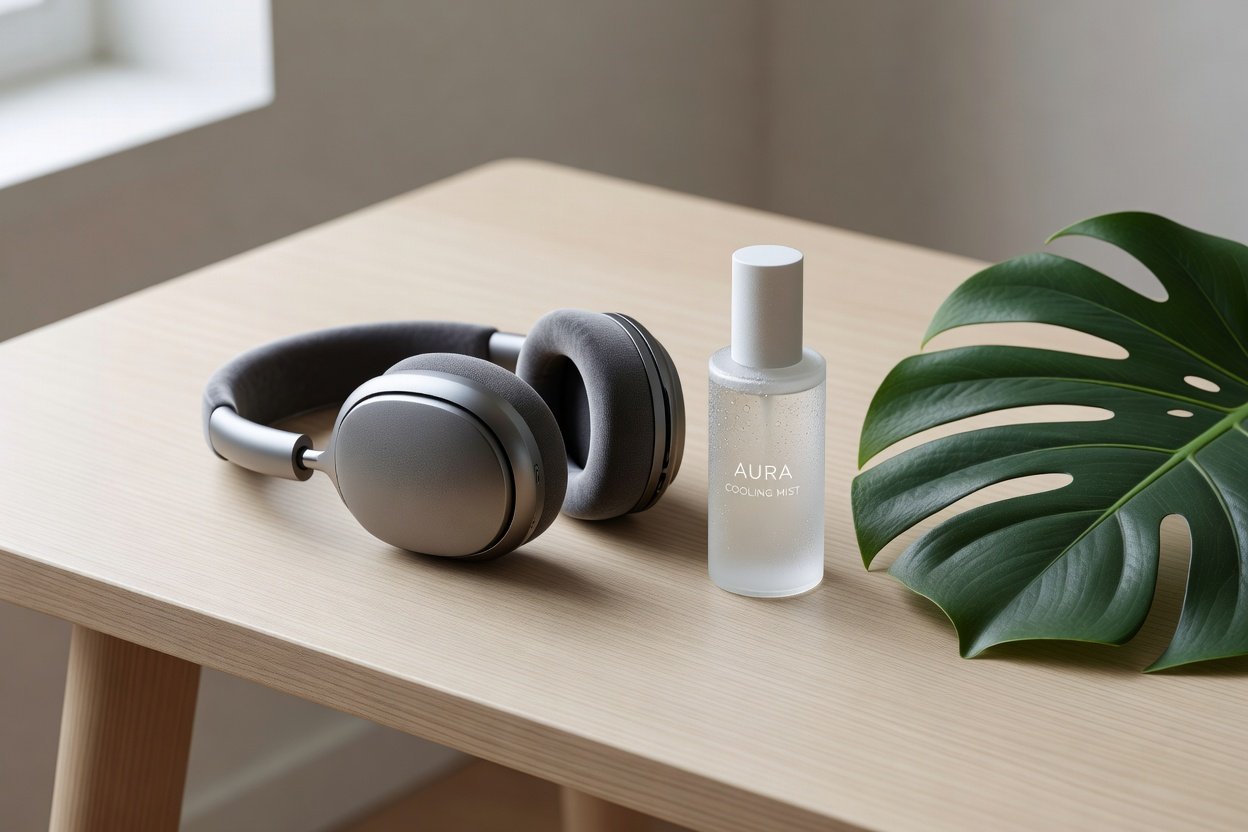
Category 3: Cognitive Drills
These drills target working memory and executive function with quick puzzles or dual-task exercises. Examples include the n-back task adapted for 90 seconds or rapid categorization of words into emotional versus neutral groups. Step-by-step: Select a category like animals or objects, then alternate between naming items and performing a simple motor task such as tapping fingers. Remote workers benefit from drills that simulate task-switching common in digital environments. A software developer example demonstrates using cognitive drills during afternoon slumps to maintain code quality, achieving a 22% reduction in errors compared to unstructured breaks. For 2026, integrate apps that adapt difficulty based on performance metrics.
Category 4: Breathwork Protocols
Physiological sighs (double inhale followed by long exhale) reset the autonomic nervous system. Perform 5 cycles in under 90 seconds for immediate parasympathetic activation. Expanded protocol: Begin with box breathing for 30 seconds, transition to physiological sighs, and end with a 20-second body scan. This category supports mental health by lowering cortisol levels quickly. Evidence from sources such as the Mayo Clinic supports breathwork for stress reduction in professional settings. Both remote workers and creatives can use this during high-pressure deadlines.
Category 5: Nature Micro-Exposures
Even brief views of natural elements or plant interaction boost serotonin and restore directed attention. Step-by-step: Gaze at a window view for 60 seconds, then touch a living plant while noting textures and colors. If no plants are available, use high-quality nature imagery on a secondary screen. Timing: 3-4 minutes total. This activity excels for users in urban offices lacking outdoor access and integrates well with movement resets for combined benefits.
Comparison: Remote Workers vs Creatives
Remote workers benefit most from movement resets to combat sedentary effects, with integration showing 25% focus gains in controlled observations. Creatives gain superior results from sensory shifts and cognitive drills, fostering divergent thinking and reducing idea fixation. A hybrid checklist allows both groups to alternate based on task type: start with breathwork for all, then customize the remaining four categories. Sample daily schedule for remote workers includes movement at 10am, 2pm, and 4pm, while creatives prioritize sensory shifts mid-morning and cognitive drills post-lunch.
Integration Checklist and Detailed Progress Tracker
Use this weekly tracker template: Log break type, exact duration, pre/post focus rating on a 1-10 scale, and energy level. Aim for 80% adherence across five workdays. Practical steps for integration: Set recurring calendar alerts, prepare a dedicated microbreak kit with items like a mist bottle and resistance band, and review weekly data every Sunday. Expanded checklist includes preparing environment the night before, pairing breaks with hydration, and avoiding digital devices during the activity itself. Common pitfalls include skipping timing consistency or choosing overly stimulating activities—avoid by setting device reminders and starting with simpler protocols for the first two weeks.
Sample Daily Routine with Timing Charts
Morning block: 9am start, microbreak at 9:45 (breathwork), 10:45 (movement). Afternoon block: 1pm start, break at 1:45 (sensory), 2:45 (cognitive), 3:45 (nature). Evening wind-down uses one final movement reset. This structure prevents decision fatigue while ensuring variety across the five categories.
FAQ on Avoiding Common Pitfalls
Q: How do I prevent microbreaks from becoming distractions? A: Anchor them to specific triggers like post-email sends or task completions. Q: Are these suitable for all ages? A: Protocols scale for adults; consult a physician for specific conditions. Q: What if I work in a shared space? A: Opt for seated variations of movement and silent breathwork. For authoritative guidance on cognitive health, visit Centers for Disease Control and Prevention and World Health Organization. Consistent application of these 2026 microbreak strategies supports sustained brain optimization across diverse professional needs and promotes lasting mental resilience.

No comments yet. Be the first!