 Slow Bio Hack

Introduction to Personalized Stem Cell Protocols
In 2026, advancements in regenerative medicine are enabling highly individualized stem cell therapies designed to extend healthspan by targeting specific aging biomarkers. These protocols move beyond generic treatments, leveraging genetic data, epigenetic profiles, and real-time health metrics to optimize outcomes for longevity. Readers interested in biohacking longevity can now access frameworks that integrate stem cell interventions with lifestyle and other anti-aging modalities for comprehensive results.
The core principle involves matching therapies to an individual's unique biology. For instance, protocols assess telomere length, inflammatory markers like CRP, and mitochondrial function to determine the most effective cell types and delivery methods. This personalization aims to maximize regenerative effects while minimizing risks, providing a data-driven path to sustained vitality rather than one-size-fits-all approaches.
Autologous Versus Allogeneic Stem Cell Options
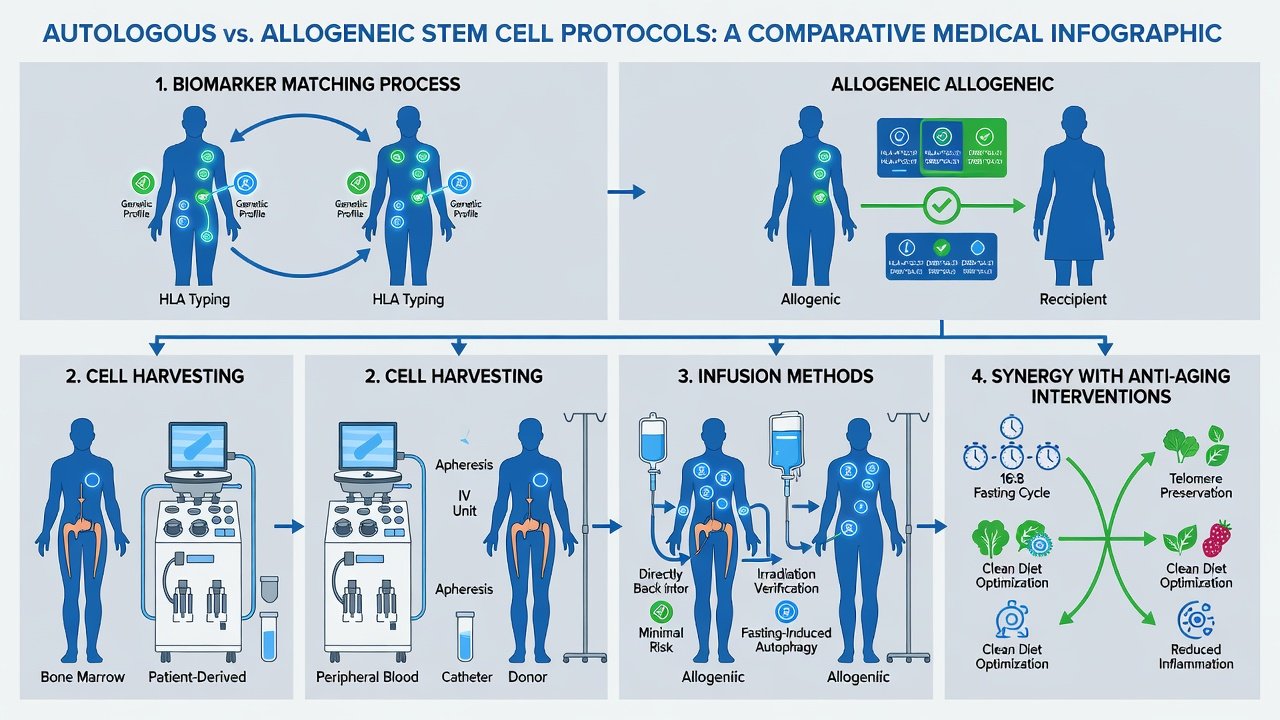
Autologous stem cells, harvested from the patient's own body, offer reduced rejection risks and are often preferred for personalized protocols. Sources include adipose tissue or bone marrow, processed to enhance potency based on biomarker analysis. Allogeneic options, derived from donors, provide scalability and off-the-shelf availability but require careful matching to avoid immune responses.
Updated clinical evidence from 2025 trials highlights that autologous mesenchymal stem cells (MSCs) show superior integration in age-related tissue repair, with studies demonstrating improved muscle function and reduced senescence. Allogeneic induced pluripotent stem cells (iPSCs) excel in cases needing large cell volumes, such as neurodegenerative support. National Institutes of Health resources provide ongoing trial data supporting these distinctions, helping clinicians select based on patient age, comorbidities, and therapeutic goals.
Key Considerations for Selection
When deciding between options, factors like immune compatibility, turnaround time, and scalability play critical roles. Autologous approaches typically require 4-6 weeks for processing but align perfectly with individual genetics. Allogeneic therapies can be administered faster in acute scenarios but involve rigorous HLA matching to prevent complications.
Mechanisms of Action and Synergies with Anti-Aging Interventions
Stem cells promote healthspan through paracrine signaling, secreting exosomes that reduce oxidative stress and promote autophagy. They also modulate the immune system and replenish depleted stem cell niches in aging tissues. When combined with interventions like NAD+ boosters or intermittent fasting, synergies amplify results by enhancing cellular repair pathways and mitochondrial biogenesis.
Practical integration includes timing stem cell infusions post-fasting periods to boost homing efficiency. Evidence indicates this approach can improve vascular health and cognitive resilience more effectively than either method alone. For example, pairing with senolytics clears senescent cells beforehand, allowing stem cells to focus on regeneration rather than competing with chronic inflammation.
Additional synergies emerge with exercise protocols and sleep optimization, where stem cells accelerate recovery from physical stress and support neural plasticity. World Health Organization aging reports emphasize multimodal strategies for maximum impact on global healthspan metrics.
Dosing Strategies and Safety Monitoring
Dosing is calibrated to biomarker feedback, starting with baseline assessments of inflammatory cytokines and oxidative stress levels. Typical protocols involve intravenous delivery adjusted via follow-up imaging and bloodwork at 30 and 90 days, with intramuscular or localized injections for targeted areas like joints or skin.
Safety monitoring encompasses regular checks for tumorigenicity using MRI and genomic sequencing. Protocols emphasize GMP-certified facilities and post-treatment surveillance for infections or graft-versus-host issues in allogeneic cases. FDA guidelines underscore the importance of these steps for regulatory compliance, including tracking long-term outcomes through registries.
Practical Monitoring Schedule
- Week 1: Baseline labs and vital signs.
- Month 1: Inflammatory panel and functional assessments.
- Month 3: Epigenetic clock retest and imaging.
- Month 6: Comprehensive review with adjustments.
This schedule helps detect issues early and fine-tune future cycles.
Real-World Case Studies from Recent Trials
Recent 2025-2026 trials provide compelling examples. One study involving 150 participants over 60 showed autologous MSC protocols improved VO2 max by 15% and reduced epigenetic age by 2.3 years on average. Another allogeneic trial for sarcopenia demonstrated enhanced grip strength and mobility after six months, with participants reporting better daily function and reduced fall risk.
These cases underscore the value of personalization: patients with high baseline inflammation benefited most from anti-inflammatory MSC variants. A third example from a cardiovascular-focused trial revealed improved ejection fraction in heart patients when protocols incorporated cardiac-specific biomarkers, highlighting how tailoring extends benefits across organ systems.
Step-by-Step Decision Frameworks
To implement a protocol effectively, follow this expanded framework:
- Conduct comprehensive biomarker testing including DNA methylation clocks, metabolomics, and gut microbiome analysis.
- Consult specialists to evaluate autologous versus allogeneic suitability based on health history, allergies, and lifestyle factors.
- Design a synergistic plan incorporating diet, exercise, supplements, and wearable data tracking.
- Schedule phased dosing with continuous monitoring and contingency plans for side effects.
- Evaluate outcomes at quarterly intervals, incorporating patient-reported metrics like energy levels and sleep quality.
- Plan maintenance cycles annually, adjusting for new biomarkers or emerging therapies.
This framework helps avoid common pitfalls like mismatched cell sources, inadequate follow-up, or overlooking lifestyle synergies that could diminish results.
FAQs on Costs, Accessibility, and Expected Outcomes
- What outcomes can be expected? Most participants report enhanced energy, better joint function, improved metabolic health, and cognitive clarity within 3-6 months, with effects lasting 12-24 months depending on individual factors.
- How accessible are these therapies? Specialized clinics in major hubs offer them, with growing telehealth support for monitoring and international options expanding through regulated networks.
- What about costs? Pricing varies by protocol complexity and location; qualitative assessments suggest investment aligns with advanced longevity programs available today.
- Are there risks involved? Potential risks include mild inflammation or immune reactions, mitigated through proper screening and monitoring in clinical settings.
- How do I start? Begin with a qualified longevity clinic consultation and full biomarker panel to create a tailored roadmap.
Always verify current regulations and seek board-certified providers for safe implementation.
Conclusion
Personalized stem cell protocols represent a frontier in 2026 longevity science. By grounding decisions in biomarkers and evidence, individuals can strategically extend healthspan while integrating complementary interventions. Continued research from authoritative bodies will refine these approaches further, making them more accessible and effective over time.
No comments yet. Be the first!