 Slow Bio Hack
Introduction: Wearable Tech for Senior Sleep Improvement
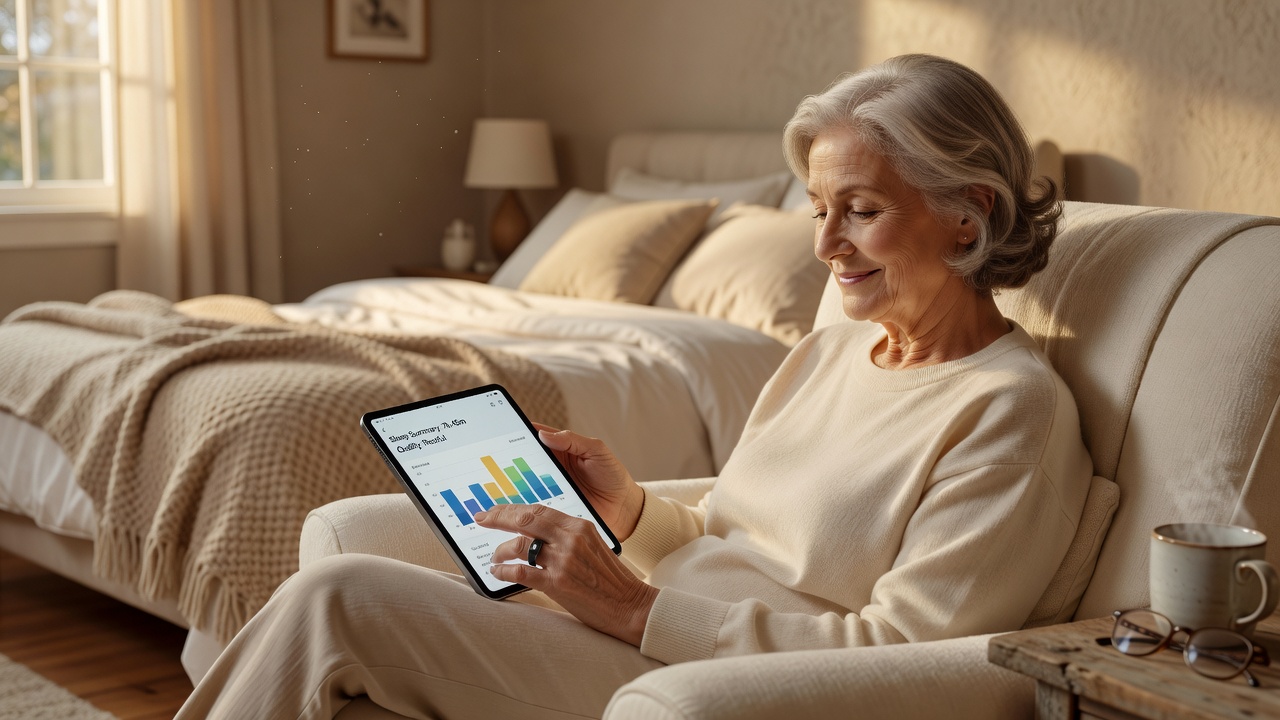
As people age, sleep often becomes more challenging due to natural changes in circadian rhythms and physical recovery. In 2026, devices like Oura and Whoop offer seniors accessible tools to track and enhance rest without overwhelming complexity. This guide focuses on age-specific applications, helping older adults monitor recovery metrics such as heart rate variability (HRV) and sleep stages through simple interfaces. Many retirees seek non-intimidating solutions that integrate with daily routines. These wearables provide insights into fragmented sleep patterns common after age 65, emphasizing gentle health monitoring over intense fitness tracking. Understanding how these tools work can empower seniors to make small, meaningful adjustments that lead to more restorative nights and better daytime energy levels.
The goal is not to become a data expert but to use the information as a gentle guide. Seniors often report feeling more in control when they see patterns emerge over weeks rather than obsessing over nightly numbers. This approach aligns with broader wellness strategies that prioritize sustainable habits.
Age-Related Sleep Challenges Addressed by Wearables
Seniors frequently experience shorter deep sleep periods and increased nighttime awakenings. Reduced HRV, a key recovery indicator, can signal higher stress or poorer resilience. Oura and Whoop measure these through optical sensors, alerting users to patterns that might benefit from adjustments like earlier wind-down times. Additional factors include changes in hormone levels that affect sleep cycles and increased sensitivity to environmental elements such as light or temperature in the bedroom.
Practical observation shows that consistent data review helps identify triggers such as afternoon caffeine or irregular bedtimes. By focusing on trends rather than single nights, seniors gain confidence in managing sleep without medical jargon overload. For example, many notice that evening screen time correlates with lower readiness scores, prompting simple changes like dimming lights earlier. These devices also track respiratory rate and body temperature fluctuations that become more relevant with age, offering a fuller picture of overnight recovery.
Setting Up Oura for Senior-Friendly Use
Start with the Oura Ring by charging it fully and pairing via the companion app on a smartphone or tablet. Choose the Gen3 model for its lightweight design suitable for arthritic fingers. Enable bedtime reminders and simple score views that highlight sleep efficiency percentages. Next, adjust the app settings to use larger fonts and enable voice-over features if reading small text proves difficult. Place the ring on the non-dominant hand to minimize interference during daily activities like cooking or reading.
Customize alerts to avoid constant notifications; opt for weekly summaries instead. This setup takes under 15 minutes and supports mobility-limited users by minimizing screen time. After initial pairing, spend one week allowing the device to learn baseline patterns before making any routine changes. Seniors often find it helpful to involve a family member during the first setup session for reassurance.
Learn more about sleep health from the CDC.
Configuring Whoop for Recovery Tracking
Whoop uses a flexible strap worn on the wrist or bicep. Seniors can select the 4.0 version for its extended battery life, reducing daily charging hassles. The app displays strain and recovery scores derived from HRV and resting heart rate data collected overnight. Begin by downloading the app, creating an account, and selecting the strap size that fits comfortably without restricting circulation. Enable the journal feature to note factors like naps or medications that may influence readings.
Integration with routines involves logging meals or walks manually if desired, though automatic detection handles most needs. Privacy settings allow data sharing only with trusted family members via app permissions. Test the strap placement for a few nights to ensure accurate readings, and charge it every few days during a low-activity period such as while watching television.
Comparing Oura and Whoop for Mobility-Limited Seniors
Oura excels in passive ring-based tracking ideal for those avoiding wristbands, while Whoop offers strap options for users with finger sensitivity. Both provide similar HRV insights, but Oura adds temperature trends useful for detecting minor illnesses early. For limited mobility, Oura's minimal contact reduces skin irritation risks compared to tighter bands. Whoop's coach feature gives actionable daily advice tailored to lower activity levels common in retirement.
Consider lifestyle fit: Oura suits those who prefer jewelry-like wearables that stay on during showers, whereas Whoop allows easy swapping between body locations. Battery life on Oura typically lasts five to seven days, while Whoop requires more frequent charging but offers detailed strain calculations even on low-activity days. Many seniors test both through return policies to see which interface feels less intimidating.
Integrating Devices into Daily Senior Routines
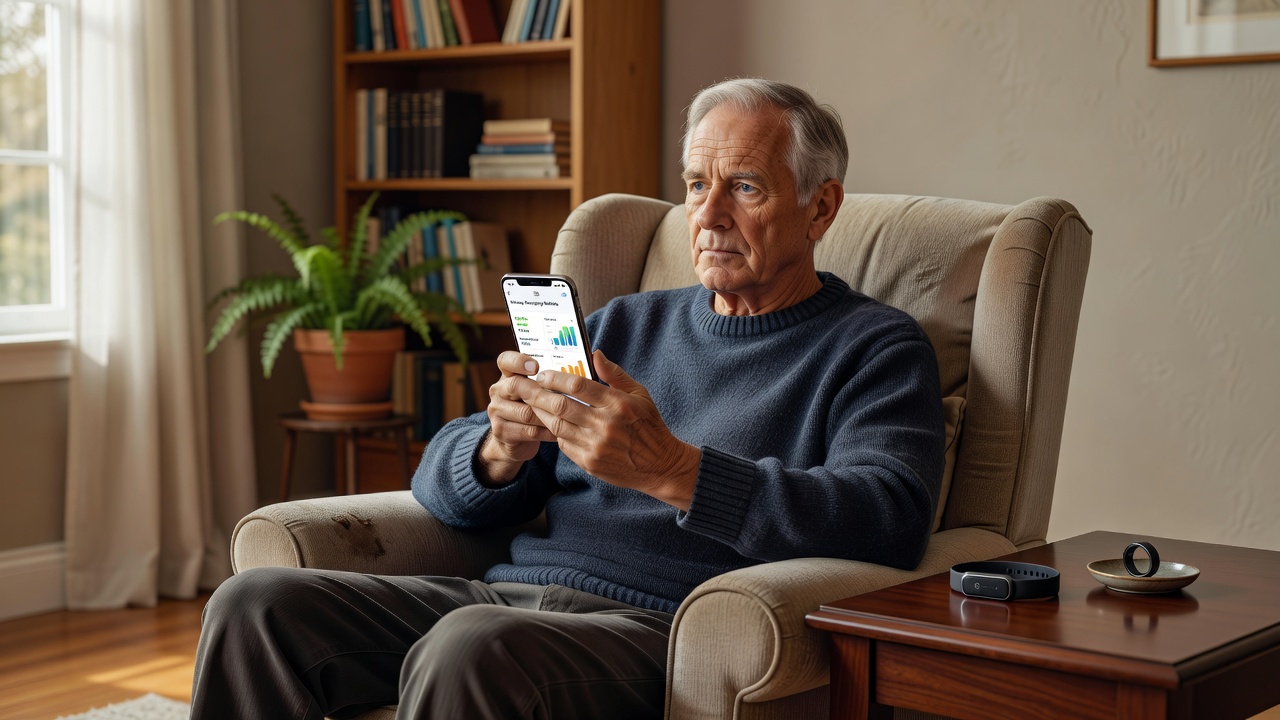
Combine wearables with habits like morning light exposure by reviewing scores during breakfast. Use evening meditation apps synced loosely with sleep data to build consistency. Real-life examples include a 72-year-old retiree who improved sleep continuity by adjusting based on Oura's readiness scores over three weeks, adding a short afternoon walk and reducing evening fluids. Another case involved an 81-year-old who paired Whoop data with a consistent bedtime, noting fewer awakenings after implementing a wind-down routine of reading physical books instead of tablets.
Case studies from community forums highlight couples tracking together for mutual accountability, noting better joint recovery awareness without tech stress. Schedule brief weekly check-ins with the app data during a calm moment, such as after lunch, to avoid decision fatigue. These integrations emphasize gradual shifts rather than drastic overhauls.
Interpreting Data Without Overwhelm
Focus on three metrics: total sleep time, HRV average, and sleep score. Green or high zones indicate good recovery; aim for gradual improvements rather than perfection. Consult physicians when sharing reports for personalized advice. Break down each score into actionable parts: for instance, if HRV trends downward, consider stress-reduction activities like gentle stretching. Oura provides a readiness score that factors in previous nights' data, while Whoop emphasizes recovery percentage to guide daily effort levels.
Track progress over 30-day periods to spot meaningful changes, and cross-reference with how you feel physically. Avoid comparing your numbers to younger users or online averages, as individual baselines matter most at any age.
Explore aging and sleep resources at NIA. Review global sleep guidelines from WHO.
Privacy and Data Security Considerations
Both platforms comply with health data standards, allowing users to delete information anytime. Seniors concerned about sharing can use offline modes or family-linked accounts with strict controls. Always review terms for third-party access. Enable two-factor authentication and avoid linking accounts to public Wi-Fi networks when possible. Data remains encrypted during transmission, and users retain full ownership to export or erase records as needed.
Common Mistakes Seniors Should Avoid
One frequent error is checking scores multiple times per day, which can increase anxiety rather than reduce it. Instead, limit reviews to once daily. Another is ignoring the need for consistent wear time; removing the device for long periods creates incomplete data. Finally, some seniors attempt to force improvements too quickly by altering multiple habits at once, leading to frustration. Start with one change, such as adjusting bedtime by 15 minutes, and observe results before adding more.
FAQ Section
- Is setup difficult for non-tech users? No, both apps feature large-text modes and guided onboarding suitable for beginners.
- Can these replace medical sleep studies? They complement professional care but do not diagnose conditions like apnea.
- How do they handle lower mobility? Automatic tracking requires no exercise input, focusing on rest metrics.
- What if the device feels uncomfortable? Experiment with fit adjustments or alternative wearing positions during the first week.
- Are the insights reliable for older adults? Algorithms account for age-related variations, though individual consultation with doctors remains essential.
- How often should data be shared with healthcare providers? Bring summaries to appointments every few months or when noticeable changes occur.
Conclusion: Empowering Better Rest in Later Years
By leveraging Oura and Whoop thoughtfully, seniors can achieve meaningful sleep enhancements through data-driven yet simple adjustments. Start small, review trends weekly, and combine with lifestyle basics for lasting benefits in 2026 and beyond. These tools serve as supportive companions rather than demanding taskmasters, fostering greater awareness and improved quality of life.

No comments yet. Be the first!