 Slow Bio Hack
Introduction
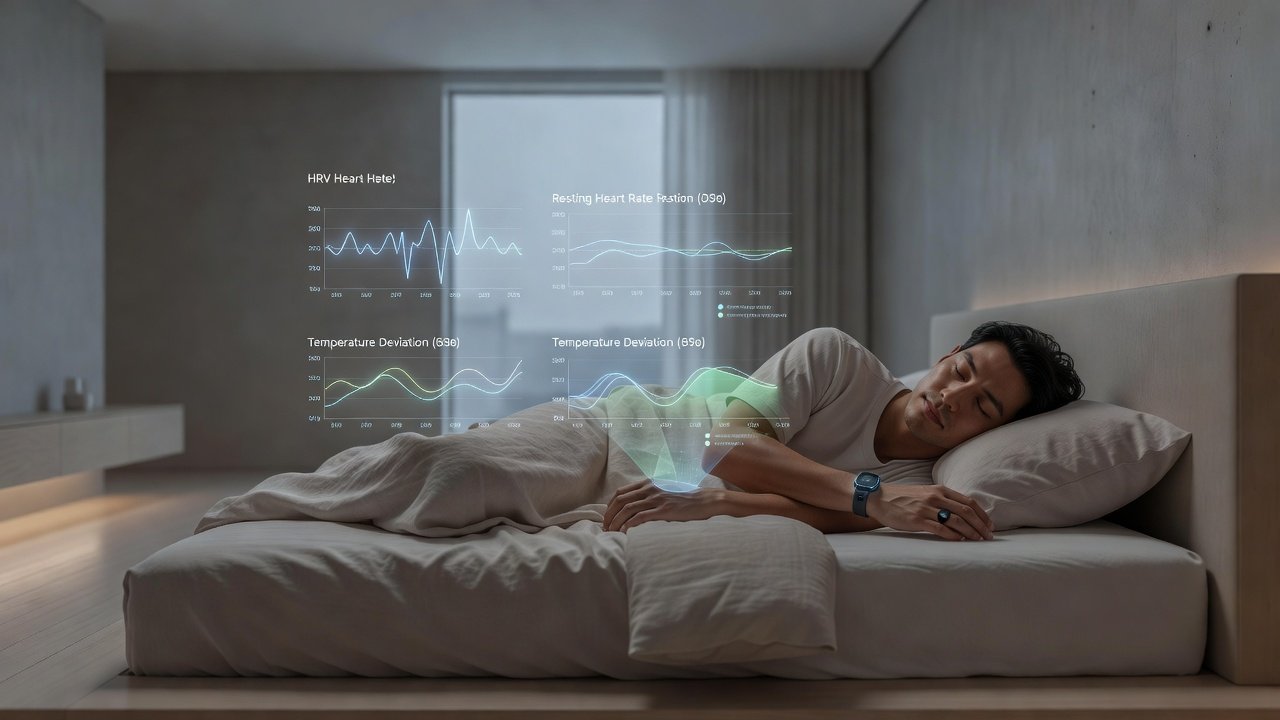
In 2026, wearable technology has evolved beyond basic fitness tracking to provide deep insights into immune function through sleep analysis. Devices like the Oura Ring and Whoop strap monitor key physiological signals during rest, offering users a proactive window into their health. This article examines how metrics such as heart rate variability (HRV), resting heart rate (RHR), and skin temperature deviations can signal impending illness, allowing health-conscious individuals to adjust behaviors before symptoms appear. The growing interest in preventive wellness means more people are turning to these tools to understand how daily recovery influences long-term resilience against common illnesses like colds, flu, and even chronic inflammation-related conditions.
Understanding these signals empowers users to move from reactive care to preventive strategies. By focusing on sleep data, wearables highlight how recovery quality directly influences immune resilience. In an era where remote work and irregular schedules disrupt natural rhythms, tracking these metrics helps identify patterns that traditional checkups might miss. This comprehensive guide covers device-specific features, interpretation techniques, practical routines, real-world applications, and answers to frequent questions.
The Science Behind Sleep Metrics and Immunity
Sleep is a critical period for immune system restoration. During deep and REM stages, the body regulates inflammatory responses and produces cytokines essential for fighting pathogens. Disruptions visible in tracker data often precede noticeable symptoms by 24 to 48 hours. HRV measures the variation in time between heartbeats and serves as a primary indicator of autonomic nervous system balance. Higher HRV typically reflects strong recovery and robust immune readiness, while sudden drops may indicate the body is diverting resources to fight an emerging threat.
Resting heart rate provides another clue; elevations above a personal baseline often correlate with low-grade inflammation. Temperature tracking adds precision by detecting subtle rises that can precede fever. Research from institutions like the National Institutes of Health underscores the bidirectional relationship between sleep quality and immune function, making continuous monitoring valuable for early intervention. Additional studies show that consistent sleep optimization can reduce infection risk by supporting natural killer cell activity and antibody production. Users who track over multiple weeks often notice how factors like alcohol consumption or high stress directly suppress these metrics, creating a feedback loop that weakens defenses if unaddressed.
Oura Ring Capabilities for Immune Detection
The Oura Ring excels at passive, round-the-clock data collection. Its temperature sensor provides nightly deviations from a 30-day baseline, flagging potential immune challenges when readings rise consistently. Combined with HRV and RHR trends, the device generates readiness scores that help users decide whether to maintain or scale back activity. The ring also tracks respiratory rate and blood oxygen levels, which can reveal subtle breathing changes associated with early congestion or infection.
Users can set custom alerts for significant metric shifts, enabling timely rest or hydration adjustments. The ring’s long battery life supports uninterrupted tracking, which is essential for spotting gradual patterns over weeks. Many appreciate the discreet form factor that allows continuous wear without the bulk of a wristband, making it suitable for athletes and professionals alike who need data without distraction.
Whoop Strap Strengths in Recovery Monitoring
Whoop emphasizes strain and recovery balance through its 24/7 HRV and RHR monitoring. The platform calculates a daily recovery percentage based on sleep performance, highlighting when the body may be under immune stress. Its journal feature allows users to log variables like diet or stress and correlate them with biometric changes. Whoop also provides detailed sleep stage breakdowns and offers coaching on how to improve specific phases that support immune repair.
Whoop’s strength lies in its coaching insights that translate raw data into actionable recommendations, such as extending sleep duration when recovery scores dip. The strap’s adjustable fit and multiple wearing options make it versatile for different activities, and its community features encourage accountability among users focused on long-term health optimization.
Direct Feature Comparison
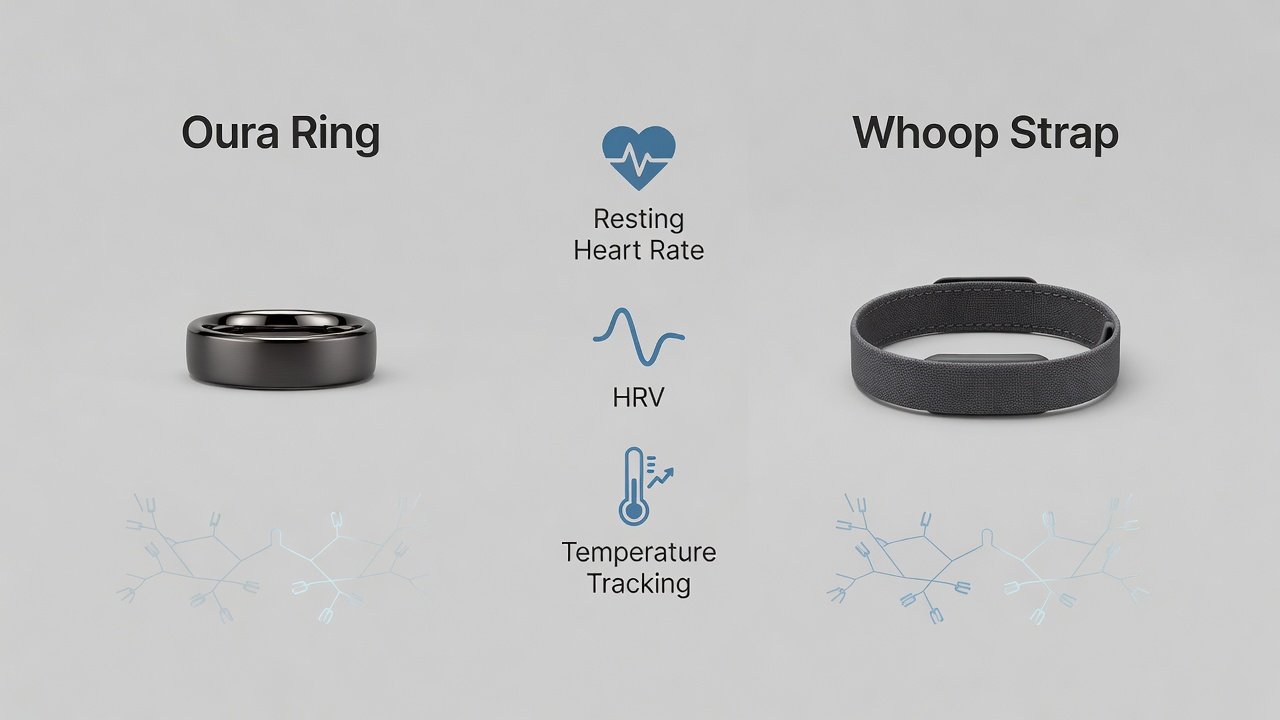
Both devices track overlapping metrics but differ in presentation and ecosystem. Oura offers superior temperature accuracy and a discreet ring form factor ideal for all-day wear. Whoop provides more granular strain scoring and community challenges that motivate consistent use. When comparing immune signal detection, Oura’s temperature alerts often surface earlier warnings, while Whoop integrates sleep architecture more explicitly into its recovery algorithm.
Key differences include Oura’s focus on holistic readiness versus Whoop’s emphasis on daily strain management. Users with smaller wrists may prefer the ring, whereas those wanting deeper coaching lean toward the strap. A practical list of considerations includes battery longevity, subscription requirements, data export options, and integration with other health apps.
Interpreting Alerts and Preventing Illness
When trackers flag low readiness or recovery, immediate steps include prioritizing 8+ hours of sleep, reducing intense exercise, and increasing fluid intake. Monitoring trends over multiple nights prevents false positives from isolated poor sleep. It is important to establish a personal baseline over at least two weeks of consistent wear before acting on alerts, as individual norms vary widely based on age, fitness level, and lifestyle.
Practical routine: Review data each morning, note any deviations, and adjust the day’s schedule accordingly. Consistent logging of external factors builds personal baselines for more accurate interpretation. Cross-referencing with how you feel subjectively strengthens decision-making and avoids over-reliance on numbers alone.
Step-by-Step Routines to Strengthen Immunity via Sleep
- Establish a consistent bedtime aligned with natural circadian rhythms and aim for the same wake time daily.
- Create a cool, dark sleep environment to support temperature regulation and minimize disruptions.
- Limit blue light exposure 90 minutes before bed using filters or dedicated glasses.
- Incorporate magnesium-rich foods or supplements after consulting a professional to aid muscle relaxation and sleep depth.
- Use tracker insights to experiment with wind-down activities like reading or meditation and measure their impact on next-day metrics.
- Track weekly averages rather than single nights to identify sustainable improvements in immune-supporting recovery.
Real-World User Examples
One frequent traveler noticed repeated HRV drops coinciding with long flights and used this data to implement pre-trip sleep banking, reducing post-travel fatigue and illness incidence. Another user identified temperature spikes linked to seasonal allergies and adjusted their environment proactively with air filtration and earlier bedtimes. A third example involves a shift worker who correlated low recovery scores with night shifts and introduced targeted naps plus light therapy, resulting in steadier immune markers over several months.
Expert Tips for Optimal Use
Experts recommend combining wearable data with professional medical advice rather than self-diagnosing. Cross-reference tracker trends with how you feel and consider periodic bloodwork for comprehensive immune assessment. The Centers for Disease Control and Prevention emphasizes holistic approaches that include sleep, nutrition, and stress management. The World Health Organization also highlights the role of consistent sleep hygiene in global health strategies. Avoid making drastic lifestyle changes based on one or two data points; instead, look for sustained patterns across at least five to seven days.
FAQ
How accurate are these devices for illness prediction?
They provide strong correlative signals but are not diagnostic tools. Accuracy improves with long-term personal baseline data and should be used alongside professional healthcare input.
Can I use both Oura and Whoop together?
Yes, many users wear both for complementary insights, though data interpretation requires care to avoid overload and conflicting recommendations.
What should I do if metrics stay low for several days?
Consult a healthcare provider if patterns persist, as they may indicate underlying issues beyond simple recovery needs.
Do environmental factors affect the readings?
Yes, room temperature, altitude, and even seasonal changes can influence temperature and HRV, so users should log context alongside device data.
Conclusion
Oura and Whoop transform sleep data into powerful immune early-warning systems. By mastering metric interpretation and adopting targeted routines, users can take meaningful steps toward sustained wellness in 2026 and beyond. Regular review combined with lifestyle adjustments creates a proactive framework that supports both immediate recovery and long-term immune health.

No comments yet. Be the first!