 Slow Bio Hack
Introduction: Beyond Physical Metrics in 2026
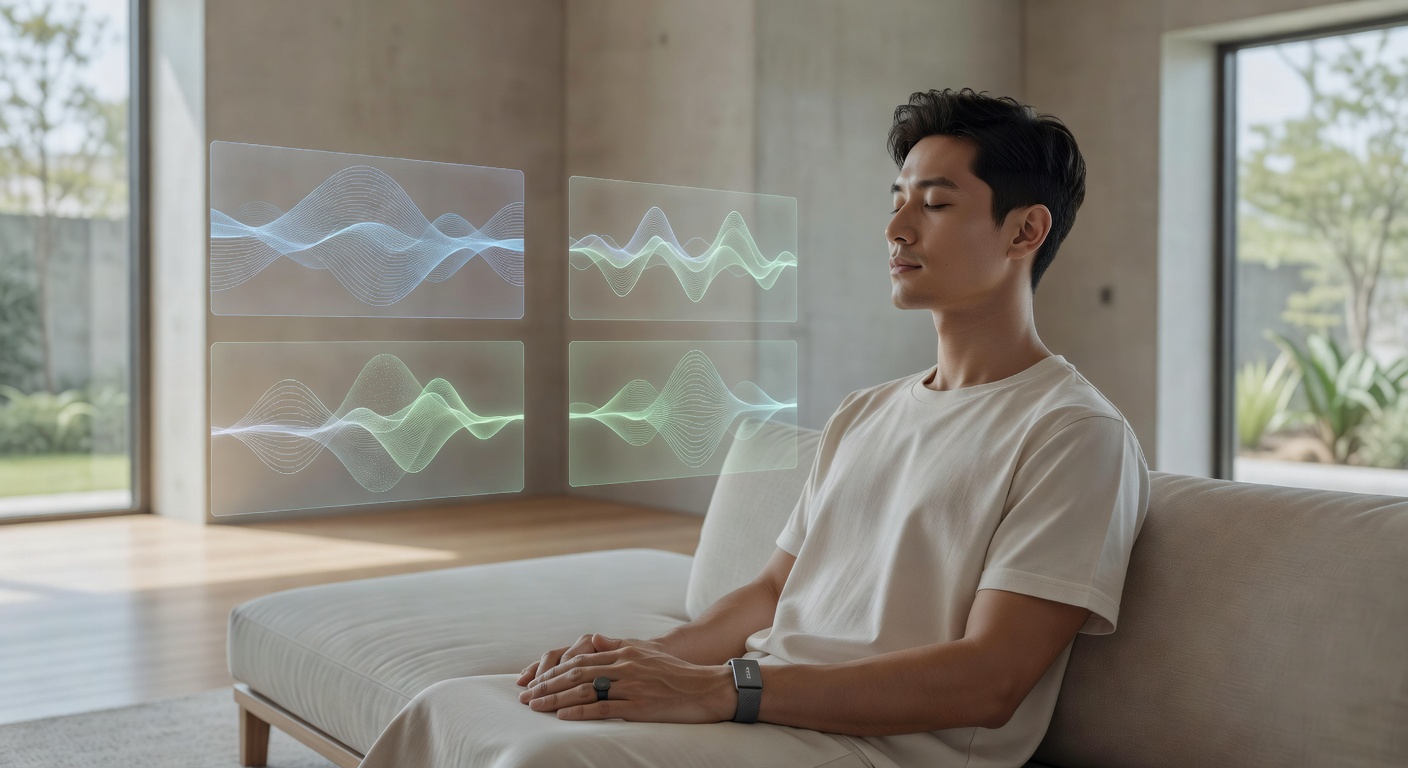
Wearable technology has evolved far beyond step counts and calorie tracking. In 2026, devices like the Oura Ring and Whoop strap offer profound insights into mental wellness by monitoring physiological signals that correlate with stress, mood, and cognitive function. Users seeking holistic health benefits are turning to these tools to understand connections between recovery and emotional resilience, moving past purely physical performance tracking toward integrated mind-body optimization.
This comprehensive guide examines how data from Oura and Whoop can reveal patterns in sleep quality, recovery status, and their direct influence on mental wellness. Key subtopics include detailed interpretation of heart rate variability for identifying stress patterns, connecting readiness scores to daily mood and focus levels, and step-by-step guidance for building sustainable wellness routines. Real-world user stories demonstrate practical habit adjustments, while comparisons to non-wearable methods like traditional journaling or therapy highlight unique advantages and limitations. The article also covers emerging 2026 tech integrations such as advanced app syncing with mental health platforms.
Understanding HRV and Its Role in Stress Patterns
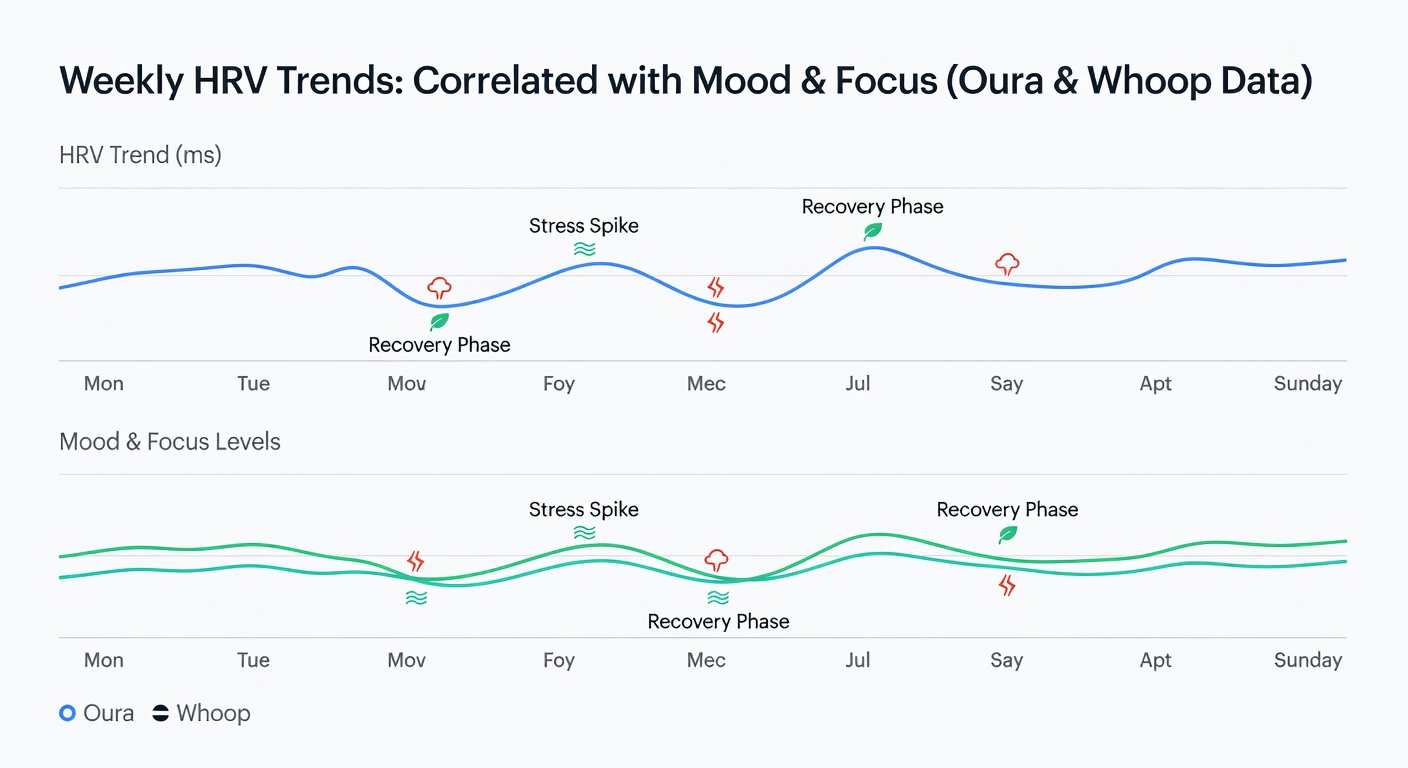
Heart rate variability, or HRV, measures the variation in time between each heartbeat and serves as a reliable indicator of autonomic nervous system health. A higher HRV generally reflects greater resilience to stress and better emotional regulation, whereas consistently low HRV can point to accumulated tension that impairs mental clarity and increases vulnerability to anxiety or burnout. Both Oura and Whoop provide continuous HRV monitoring during sleep and daytime activities, enabling users to detect subtle shifts before they escalate into noticeable mental health challenges.
For example, a professional noticing a 20% drop in average nightly HRV over several days might trace it back to extended work hours or unresolved personal conflicts. This objective data encourages proactive interventions such as incorporating short breathing sessions or adjusting evening routines. Research from leading health organizations supports HRV as a valuable biomarker for stress, making it a cornerstone for mental wellness tracking in wearable ecosystems.
National Institutes of Health resources detail how HRV monitoring can complement traditional mental health assessments by providing quantifiable trends over time.
Practical Steps for Interpreting Your HRV Data
- Establish a personal baseline by reviewing at least two weeks of consistent readings in the device app.
- Cross-reference daily HRV values with a simple mood journal noting energy levels and emotional states.
- Identify triggers such as caffeine intake, screen time before bed, or high-intensity exercise that correlate with declines.
- Experiment with targeted changes like progressive muscle relaxation and track improvements over the following week.
- Consult patterns monthly to adjust long-term habits rather than reacting to single-day fluctuations.
Linking Readiness Scores to Mood and Focus
Readiness scores aggregate multiple data points including sleep duration, recovery metrics, and previous day strain into an overall prediction of daily capacity. Low readiness often manifests as reduced concentration, heightened irritability, or diminished motivation, directly impacting mental wellness. Whoop emphasizes recovery and strain balance, while Oura focuses on sleep stages and resting heart rate, yet both systems allow users to anticipate and mitigate mental dips through informed scheduling.
Users frequently report that aligning demanding cognitive tasks with high-readiness days leads to better outcomes in focus and emotional stability. Conversely, pushing through low-readiness periods without adjustment can compound stress and erode long-term resilience.
Real-World User Examples and Habit Adjustments
Consider Sarah, a remote worker who used Oura data to notice that her readiness scores dipped below 70 on Mondays following weekend social events. By shifting lighter administrative tasks to those days and reserving creative work for higher-score periods, she experienced improved mood consistency and fewer instances of afternoon fatigue. Another user, Mark, leveraged Whoop's recovery insights to incorporate 10-minute walks during low-score afternoons, which helped stabilize his focus and reduced evening anxiety symptoms within a month.
These examples illustrate how combining objective metrics with self-awareness creates personalized wellness strategies that feel sustainable rather than restrictive.
Building Daily Wellness Routines from Wearable Data
Creating effective routines starts with morning reviews of overnight metrics to set realistic intentions for the day. Users should categorize activities based on recovery status: high-readiness mornings for focused work or exercise, and lower-readiness times for restorative practices like meditation or gentle stretching. Evening wind-down protocols informed by HRV trends further reinforce positive cycles of sleep and emotional balance.
Additional practical details include setting app notifications for hydration reminders on high-strain days and scheduling digital detox periods when readiness indicates potential overload. Tracking progress weekly helps refine these routines, turning raw data into meaningful behavioral changes.
Comparisons to Non-Wearable Approaches and Mistakes to Avoid
Traditional methods such as paper-based mood tracking or standalone mindfulness apps offer subjective insights but lack the continuous physiological feedback provided by wearables. While non-wearable strategies excel in fostering introspection, Oura and Whoop add precision by quantifying the body's responses, enabling earlier detection of issues. However, over-reliance on numbers without contextual self-reflection can lead to unnecessary anxiety about minor fluctuations.
Common mistakes include ignoring long-term trends in favor of daily obsessions, failing to calibrate devices properly for accurate baselines, and neglecting to integrate data with professional mental health support when needed. Avoiding these pitfalls ensures wearables enhance rather than replace holistic wellness practices.
2026 Tech Integrations and App Syncing Features
Recent advancements allow seamless data export from Oura and Whoop apps to third-party mental wellness platforms, including AI-driven coaching tools and electronic health records. These integrations facilitate automated insights, such as alerts when HRV patterns suggest elevated stress risk, and support collaborative sharing with therapists. Users benefit from unified dashboards that combine wearable metrics with journaling prompts or guided exercises tailored to individual recovery profiles.
FAQ on Accuracy for Mental Metrics
How accurate are HRV readings for mental health insights? HRV provides reliable trend data supported by physiological research, though individual variations mean it works best alongside professional evaluation rather than as a standalone diagnostic tool.
Can these devices replace professional mental health care? Wearables serve as valuable adjuncts for self-monitoring but should never substitute for therapy, medication, or clinical assessments from licensed providers.
What about data privacy in 2026 integrations? Leading manufacturers implement robust encryption and user-controlled sharing options to safeguard sensitive information during app syncing and third-party connections.
How do environmental factors affect metric accuracy? Temperature, altitude, and illness can influence readings, so users should note contextual details when analyzing trends for mental wellness correlations.
Are there differences in accuracy between Oura and Whoop for stress tracking? Both deliver comparable HRV precision during rest, with Oura excelling in sleep-stage detail and Whoop providing stronger daytime strain context for comprehensive mental health insights.
Mayo Clinic offers evidence-based perspectives on wearable technology's role in supporting emotional well-being alongside established care methods.
Centers for Disease Control and Prevention guidelines highlight the importance of combining technology with holistic approaches for sustained mental health benefits.
Conclusion
Oura and Whoop provide powerful, data-backed pathways to enhanced mental wellness through detailed monitoring of sleep, HRV, and readiness. By applying the practical strategies, learning from user examples, and integrating emerging 2026 features, individuals can foster greater emotional resilience and focus. Approach these tools with balance and consistency to unlock their full potential in daily life.

No comments yet. Be the first!