 Slow Bio Hack

Introduction to Laughter as a Biohacking Tool
In the expanding field of biohacking, individuals constantly search for accessible, evidence-based methods to optimize physical and mental performance without relying on costly equipment or supplements. Laughter emerges as one of the most straightforward and universally available tools for daily wellness. This comprehensive guide examines laughter as a practical biohacking strategy focused on lowering stress hormones and strengthening immune responses. Because it requires zero financial investment and can be performed anywhere, it directly addresses the common search intent for free, no-equipment wellness solutions that deliver measurable results over time.
Biohacking involves intentionally influencing the body's systems through lifestyle adjustments. Laughter influences the nervous, endocrine, and immune systems simultaneously, creating cascading benefits that extend far beyond momentary amusement. By understanding and applying these mechanisms consistently, beginners can integrate a powerful habit that supports long-term health without adding complexity to already busy schedules.
The Science Behind Laughter: Endorphins, Cortisol, and Immune Modulation
When laughter occurs, whether spontaneous or intentional, it stimulates the release of endorphins from the pituitary gland and hypothalamus. These neurotransmitters bind to opioid receptors in the brain, reducing pain perception and elevating mood. At the same time, laughter suppresses the production of cortisol, a glucocorticoid hormone released during stress that, when chronically elevated, contributes to anxiety, sleep disruption, and impaired immune cell activity.
Additional physiological changes include increased oxygen intake, improved blood circulation, and temporary relaxation of skeletal muscles. These effects collectively support cardiovascular function and may enhance the activity of natural killer cells, which play a key role in immune surveillance. Resources from the National Institutes of Health and the World Health Organization underscore the connection between psychosocial factors like positive emotion and overall health outcomes, providing a scientific foundation for incorporating laughter into daily routines.
Key Health Benefits for Stress Reduction and Immunity
Regular laughter practice offers targeted advantages for stress management by interrupting the body's fight-or-flight response. Over time, this can lead to lower baseline anxiety levels and better emotional resilience during challenging situations. On the immunity side, reduced cortisol allows immune cells to function more effectively, potentially decreasing susceptibility to common illnesses.
Other documented benefits include improved sleep quality, enhanced social bonding when practiced in groups, and even modest support for cardiovascular markers such as blood pressure regulation. These outcomes make laughter a complementary practice that amplifies results from other biohacking efforts like nutrition or movement.
Practical Daily Integration Methods
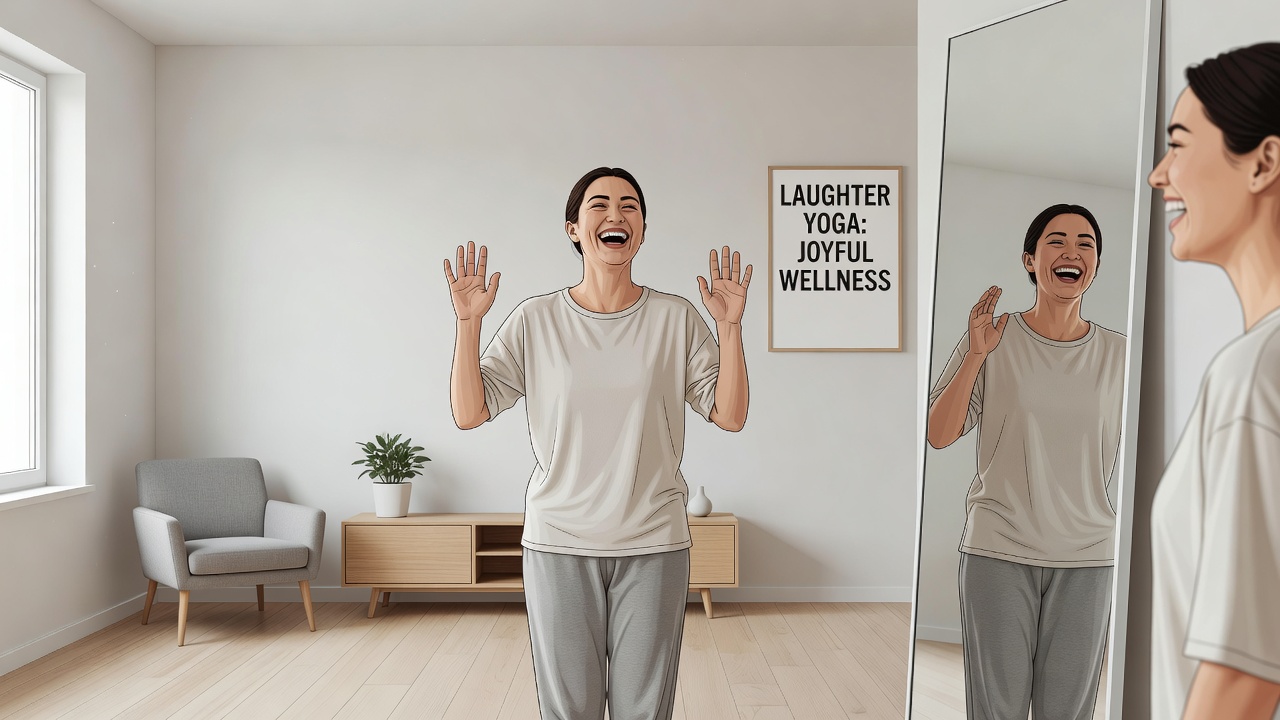
Successful integration begins with identifying existing moments in your schedule where laughter fits naturally. Morning commutes become opportunities for comedy podcasts, while evening wind-down periods suit light-hearted videos or family storytelling. Group laughter exercises, such as those found in laughter yoga classes or virtual meetups, add a social dimension that reinforces consistency through accountability and shared enjoyment.
Free resources abound: public library digital collections, YouTube channels dedicated to stand-up clips, and community forums sharing daily humor prompts. The goal is to create multiple entry points so the habit remains sustainable even on low-motivation days.
Step-by-Step Beginner Routines with Variations
Here is an expandable 10- to 15-minute daily framework that can be adjusted based on available time:
- Begin with two minutes of intentional smiling while recalling a humorous memory to prime facial muscles and set a positive tone.
- Follow with three to five minutes of audio or video content that reliably elicits genuine chuckles.
- Transition into three minutes of structured laughter exercises: alternate deep diaphragmatic breaths with vocalized "ha-ha-ha" repetitions, gradually increasing volume and duration.
- Conclude with two to five minutes of reflective journaling or a quick social share to reinforce the experience.
Variations include pairing the routine with physical movement such as walking or stretching, or adapting it for workplace settings by using silent laughter techniques during breaks. Tracking adherence in a simple notebook helps identify patterns and maintain momentum.
Comparisons to Meditation and Breathwork Practices
Meditation and breathwork are established biohacking staples, yet laughter differs in its immediate sensory feedback and lower barrier to entry. While seated meditation demands sustained focus that can feel daunting for beginners, laughter engages both mind and body through audible expression and physical movement. Breathwork sometimes heightens awareness of tension, whereas laughter naturally diffuses it. Many practitioners find that combining laughter with short meditation sessions yields synergistic effects, creating a balanced approach that addresses both active release and quiet observation.
Real-World Beginner Examples and Success Patterns
Consider a software developer who began inserting five-minute laughter segments after lunch meetings. Within three weeks, colleagues noticed improved team interactions and the developer reported fewer evening headaches. A parent of two young children introduced family laughter circles before bedtime, resulting in smoother transitions to sleep and reduced household tension. These examples demonstrate adaptability across professional, family, and solo contexts, showing how small, repeated actions accumulate into meaningful lifestyle shifts.
Measuring Progress and Avoiding Common Mistakes
Progress can be tracked through simple self-assessments such as daily mood ratings on a 1-10 scale, frequency of minor illnesses, or sleep quality scores. Wearable devices that monitor heart rate variability may also reflect positive changes over several weeks. Common pitfalls include treating the practice as another obligation rather than an enjoyable activity, skipping sessions on busy days, or expecting dramatic overnight transformations. Maintaining a flexible, non-judgmental mindset supports long-term adherence.
FAQ: Addressing Consistency, Measurable Benefits, and More
How long does it take to notice measurable benefits?
Immediate mood improvements often appear within a single session, while cumulative effects on stress resilience and immune markers typically become noticeable after two to four weeks of consistent daily practice.
Does forced laughter produce the same results as genuine laughter?
Physiological studies indicate that both forms activate similar neural pathways and hormonal responses, making intentional laughter an effective starting point for beginners.
Can laughter fully replace other wellness practices like meditation?
Laughter serves best as a complementary tool rather than a complete substitute, enhancing overall results when combined with established methods.
What if I struggle to laugh consistently?
Start with external triggers such as curated playlists or social groups, then gradually transition to self-initiated sessions as the habit strengthens.
Conclusion
Laughter biohacking represents an elegant intersection of simplicity and science, offering beginners a free, enjoyable pathway to reduced stress and stronger immunity. By exploring the underlying mechanisms, establishing adaptable routines, comparing it with other practices, and learning from real-world applications, anyone can begin experiencing its benefits immediately. Commit to a short daily session and allow the cumulative effects to unfold naturally over time.

No comments yet. Be the first!