 Slow Bio Hack
Introduction to Music as a Biohacking Tool
Biohacking often conjures images of complex gadgets and supplements, yet one of the most accessible entry points requires nothing more than sound. Music therapy hacks allow beginners to influence the nervous system, elevate mood, sharpen focus, and accelerate recovery using everyday audio. This approach aligns perfectly with search intent for simple wellness basics and health hacks that fit into busy schedules without expensive equipment. Many people overlook how intentional listening can serve as a foundational practice before advancing to more technical interventions like nootropics or wearables.
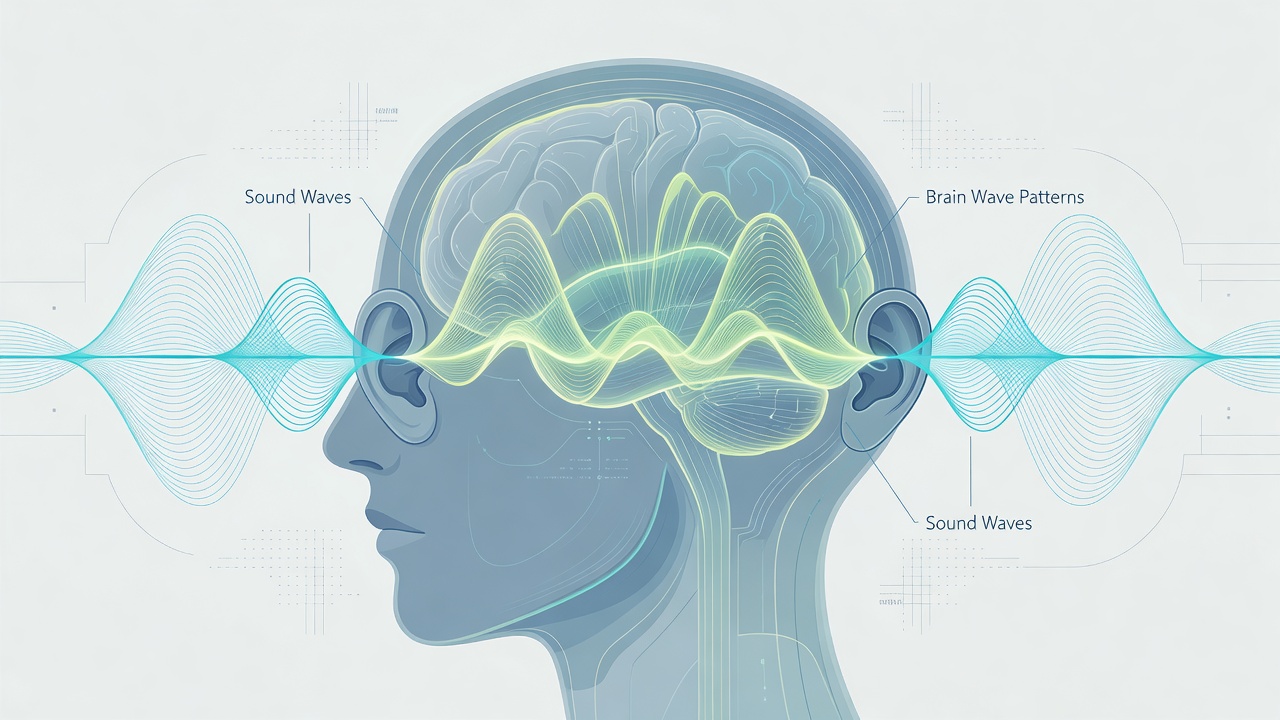
Sound waves interact directly with brain activity through entrainment, where neural oscillations synchronize to external rhythms. Research from institutions like the National Institutes of Health highlights how specific frequencies can modulate stress hormones and promote parasympathetic activation. For newcomers, the key lies in intentional listening rather than passive background noise, creating a low-barrier method to experiment with physiological states.
The Science Behind Sound Frequencies and the Nervous System
Human hearing processes vibrations that travel through the auditory pathway to the brainstem and limbic system. Low-frequency tones around 40-60 Hz tend to encourage relaxation by increasing alpha brain waves, while mid-range frequencies near 200-500 Hz support alertness. Binaural beats, created by presenting slightly different tones to each ear, generate a perceived third frequency that can guide brain states toward theta or gamma ranges depending on the difference. Ambient nature sounds, by contrast, provide broadband noise that masks distractions and reduces cognitive load through stochastic resonance effects. These mechanisms make music a practical biohack for regulating the autonomic nervous system without supplements or devices. Over time, repeated exposure may strengthen neural pathways associated with emotional regulation, similar to how meditation rewires attention networks. Beginners can start noticing subtle shifts in heart rate variability within days when they track resting states before and after sessions.
Choosing Effective Playlists and Apps
Beginners benefit from curated selections rather than random streaming. Look for playlists labeled “focus,” “deep work,” or “sleep” on platforms that allow tempo control and EQ adjustments. Apps such as Endel or Brain.fm use generative algorithms to produce adaptive soundscapes based on time of day and user input. Free options include public domain nature recordings from government archives or classical pieces from reputable libraries. When selecting tracks, prioritize instrumental music to avoid lyrical distraction, and test volumes at 50-70% of maximum device output for safety. Consider creating custom mixes that layer soft rain with low binaural tones for hybrid effects. Users often find success by rotating three to four different playlists weekly to prevent habituation and maintain novelty in the auditory stimulus.
Timing Sessions for Morning Energy or Evening Wind-Down
Morning sessions of 10-15 minutes with upbeat tempos (120-140 BPM) can elevate cortisol naturally and improve alertness before caffeine. Evening wind-down benefits from slower tempos (60-80 BPM) or delta-wave binaural beats 30 minutes before bed to support melatonin onset. Consistency matters more than duration; pairing audio with existing habits, such as during a commute or post-work stretch, increases adherence. Track subjective energy levels in a simple journal to refine timing over two weeks. Some individuals experiment with micro-sessions of five minutes during high-stress transitions, like before important meetings, to reset focus without disrupting workflow. Seasonal adjustments, such as longer morning tracks in winter months, can also help counteract reduced natural light exposure.
Comparing Binaural Beats Versus Ambient Nature Sounds
Binaural beats require stereo headphones and work best for targeted states like concentration or meditation. Ambient nature sounds excel in open environments or when headphones are impractical, offering broad-spectrum masking that lowers perceived stress. Many users combine both: nature sounds for background during work and binaural tracks for dedicated recovery periods. Personal preference ultimately determines effectiveness, so experiment with A/B listening sessions across different days. Binaural options tend to produce more pronounced entrainment effects in controlled settings, whereas nature recordings integrate better into social or variable-noise environments. Advanced beginners sometimes layer both by using spatial audio features on modern devices.
Practical Steps for a 10-Minute Daily Routine
- Choose a consistent time slot, such as immediately after waking or before lunch, and set a recurring phone reminder.
- Select one track or playlist and set a timer for 10 minutes to maintain focus on the session length.
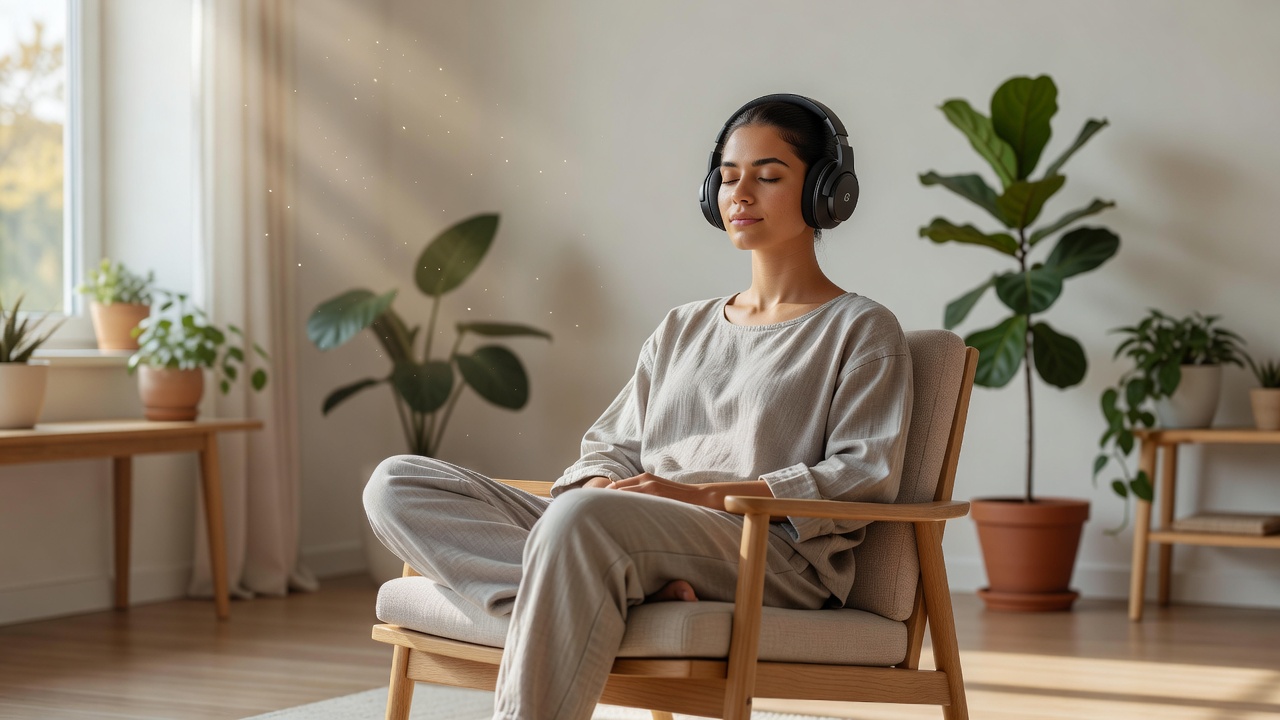
- Use comfortable headphones or quality speakers at moderate volume while ensuring the environment is free from sudden interruptions.
- Close your eyes and focus on breath while the audio plays, allowing thoughts to pass without judgment and gently returning attention to the sound.
- After the session, note mood or focus on a 1-10 scale along with any physical sensations like reduced tension in the shoulders.
- Repeat daily for 14 days, then adjust based on results by extending to 15 minutes or switching genres if progress stalls.
This micro-routine requires minimal time yet compounds benefits through neuroplasticity and repeated nervous system conditioning.
Real-World Examples for Busy Beginners
A remote worker incorporated 10-minute alpha-wave tracks during mid-morning breaks and reported reduced afternoon fatigue within one week, allowing better evening family time. A parent used nature soundscapes on a phone speaker while preparing dinner to ease transition from work stress, noticing improved patience with children. Commuters often stream binaural focus beats on public transit to arrive calmer and more mentally prepared for the workday. Another example involves a student who paired evening delta tracks with herbal tea to improve sleep latency from 45 minutes to under 20 minutes over three weeks. These examples demonstrate that music therapy integrates seamlessly into existing schedules rather than demanding new blocks of time.
Mistakes Beginners Often Make
- Playing music too loudly, which can cause ear fatigue instead of relaxation—always start at lower volumes and increase gradually.
- Using tracks with lyrics during focus sessions, leading to divided attention rather than the desired mental clarity.
- Inconsistent timing that prevents the body from forming strong associations between audio cues and desired states.
- Expecting immediate dramatic results instead of tracking small cumulative improvements over multiple days.
- Ignoring environmental factors such as background chatter that can overpower subtle frequency effects.
FAQ
Is there a safe volume level for music therapy sessions?
Keep levels below 70% of maximum device volume and limit sessions to under 60 minutes at a time. The World Health Organization recommends protecting hearing by avoiding prolonged exposure above 85 dB.
How long until I notice measurable results?
Many beginners report subtle mood shifts within 3-5 days and clearer focus improvements after 10-14 consistent sessions. Objective tracking via simple mood logs or wearable HRV data accelerates awareness of changes.
Can I use regular earbuds or do I need special equipment?
Standard earbuds suffice for most tracks. Stereo headphones improve binaural beat perception but are not mandatory for ambient sounds.
Should I combine music therapy with other biohacks like breathing exercises?
Yes, pairing audio with diaphragmatic breathing or progressive muscle relaxation often amplifies effects, creating a synergistic 15-minute protocol for deeper recovery.
Conclusion
Music therapy offers an evidence-informed, zero-cost entry into biohacking that supports daily wellness through nervous system regulation. By understanding frequency effects, selecting appropriate audio, timing sessions strategically, and following a brief daily routine while avoiding common pitfalls, beginners can achieve meaningful gains in mood, focus, and recovery. Start today with one 10-minute session and observe the cumulative impact on your baseline state over the following weeks.


No comments yet. Be the first!