 Slow Bio Hack
Introduction to Biohacking with Houseplants
Biohacking often conjures images of advanced gadgets and strict regimens, yet one of the most accessible entry points involves bringing nature indoors through houseplants. For beginners seeking low-cost ways to enhance daily wellness, houseplants offer a practical strategy to improve indoor air quality, reduce stress levels, and sharpen mental focus. This approach aligns perfectly with search intent for straightforward wellness basics that require minimal investment beyond time and care. Many newcomers to biohacking discover that small environmental changes yield noticeable results faster than expected, especially when starting with living elements like plants that interact directly with their surroundings.
Scientific interest in plants for air purification dates back decades, and modern studies continue to highlight their role in creating healthier living spaces. By integrating a few hardy varieties into your home, you can create an environment that supports overall well-being without complex protocols. The beauty of this method lies in its simplicity: plants work passively while you go about your routine, filtering air and providing subtle psychological boosts that compound over time.
Key Benefits for Indoor Wellness
Houseplants contribute to biohacking goals through several evidence-based mechanisms. They filter common indoor pollutants such as volatile organic compounds released from furniture, paints, and cleaning products. This purification effect helps maintain fresher air, which can support respiratory comfort and sustained energy throughout the day. Research from environmental agencies shows that even a few well-placed plants can reduce concentrations of chemicals like benzene and formaldehyde in typical household settings.
Beyond air quality, the presence of greenery has been linked to lower cortisol levels and improved mood. Visual connection with plants can trigger relaxation responses, making them useful for managing everyday stress. Additionally, caring for plants encourages mindful breaks that enhance concentration and productivity when returning to tasks. Over weeks of consistent exposure, users often notice better sleep patterns and reduced afternoon slumps, turning a simple hobby into a foundational wellness tool.
EPA resources on indoor air quality underscore the importance of reducing pollutant exposure in homes and offices. Complementary findings from long-term studies reinforce how natural elements integrate into modern living spaces for cumulative health gains.
Selecting Beginner-Friendly Plants
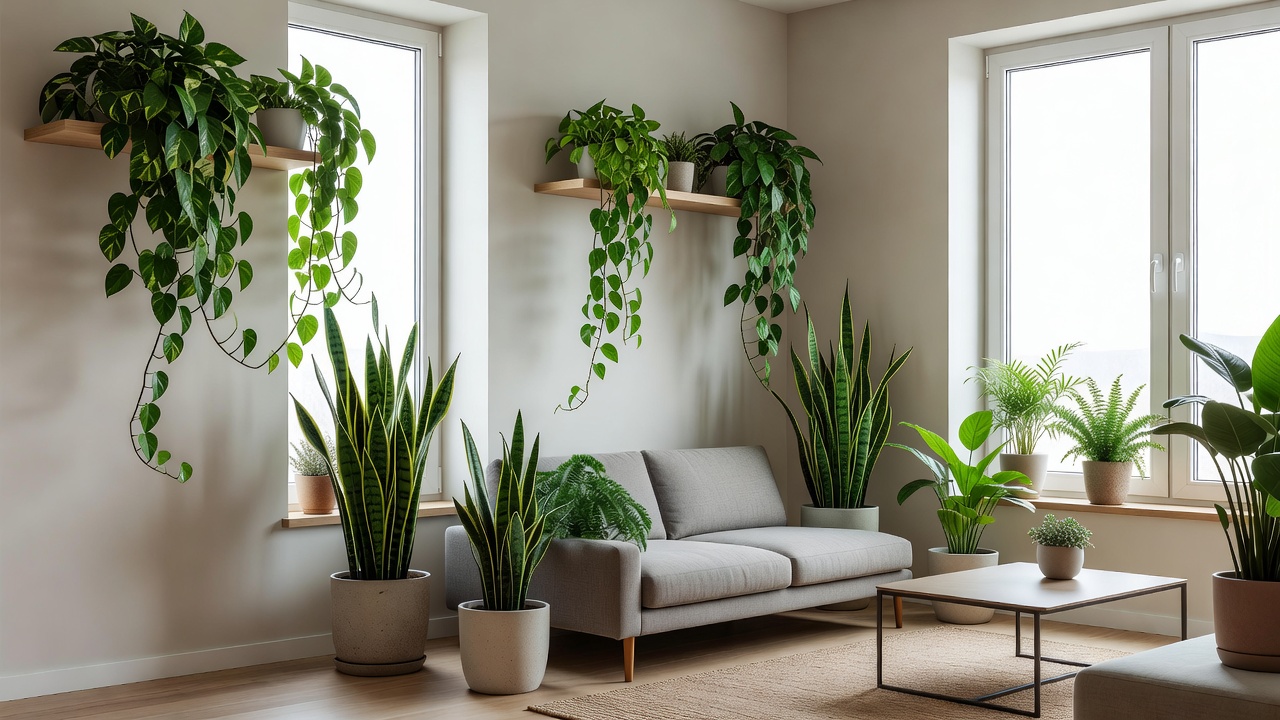
Newcomers to plant care should start with forgiving species that tolerate varying conditions. Snake plants stand out for their striking upright leaves and ability to thrive in low light while releasing oxygen at night. Pothos varieties offer trailing vines that adapt to different humidity levels and require infrequent watering, making them ideal for busy schedules. These choices minimize the learning curve while delivering immediate visual and functional rewards.
Other strong options include spider plants, which produce baby offshoots for easy propagation, and peace lilies that signal when they need water through drooping leaves. Each of these plants provides visual interest while delivering the core wellness benefits without demanding expert horticultural skills. When selecting, consider your home's light levels and temperature consistency to match plants that will flourish without constant intervention.
Optimal Placement for Maximum Benefits
Strategic positioning amplifies the impact of your plants. Place snake plants in bedrooms to leverage nighttime oxygen production for better sleep quality. Position pothos near workspaces or living areas where they can help filter air during peak activity hours. Ensure placements receive appropriate indirect light—avoid direct harsh sunlight that can scorch leaves. Experiment with heights: taller plants on floors draw the eye upward, while hanging varieties maximize vertical space in compact rooms.
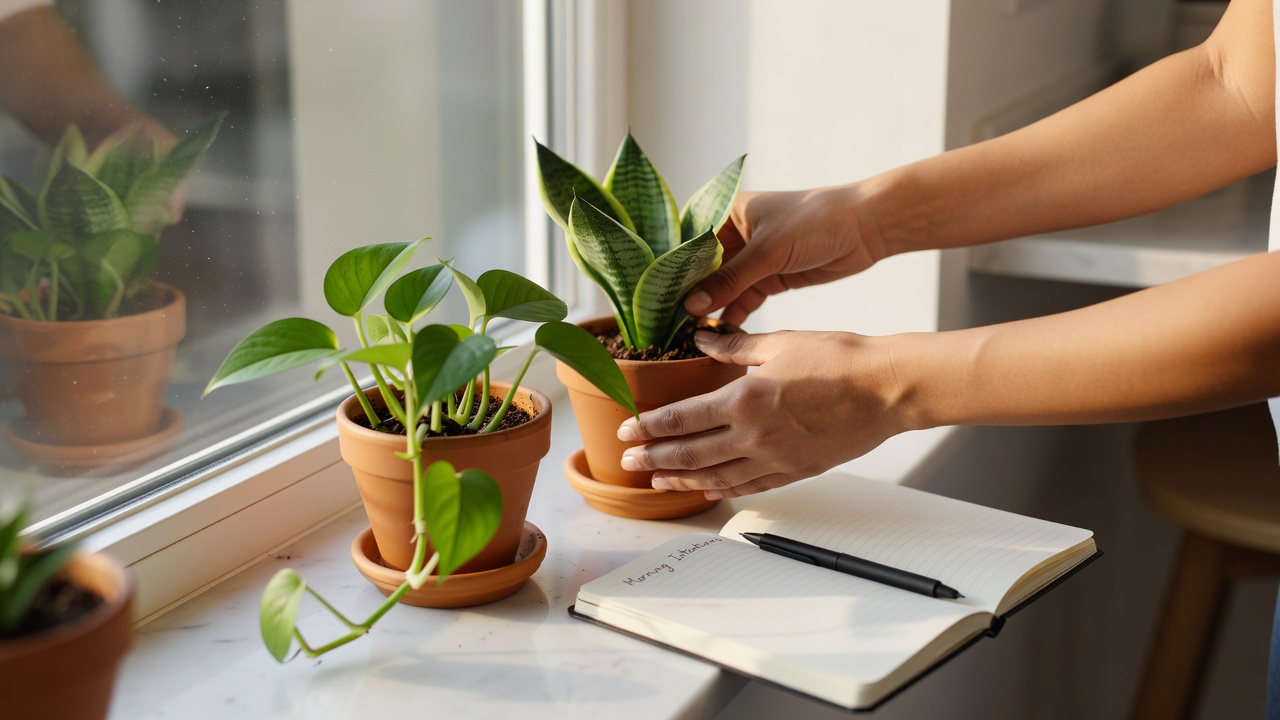
Group plants in clusters of three or more to create micro-environments that enhance humidity and purification effects. Rotate positions every few weeks to promote even growth and observe how different rooms respond to their presence. In high-traffic areas like kitchens, plants can also absorb cooking odors, contributing to a fresher overall atmosphere that supports sustained focus during meal prep or remote work.
Practical Steps for Starting a Small Indoor Garden
Begin with a clear plan to avoid overwhelm. Choose two to three plants initially, selecting pots with drainage holes and quality potting mix suited to each species. Water on a schedule based on soil dryness rather than a fixed calendar, typically every one to two weeks for the recommended beginner varieties. Invest in a basic moisture meter if desired to remove guesswork from the process.
Establish a simple care routine: check leaves weekly for dust buildup that can block light absorption, and wipe gently with a damp cloth. Introduce a small notebook or app to log watering dates and any visible changes in plant health or personal mood shifts. Over the first month, this tracking helps identify patterns, such as which rooms benefit most from added greenery, allowing you to refine your setup for optimal results.
Comparing Plant Types by Maintenance Level
- Low maintenance: Snake plants and pothos – tolerate neglect, low light, and irregular watering. Ideal for first-time owners who travel occasionally.
- Medium maintenance: Spider plants – need occasional pruning of runners but adapt well to most homes and provide visual rewards through new growth.
- Higher maintenance: Peace lilies – require consistent moisture checks and brighter indirect light to prevent browning tips, yet offer elegant blooms as motivation.
These comparisons help beginners match plants to their lifestyle and available time, ensuring long-term success rather than frustration from mismatched expectations. Consider starting exclusively with low-maintenance options before expanding your collection.
Tracking Personal Wellness Improvements Over 30 Days
To measure results, establish baseline observations before adding plants. Note sleep duration, perceived stress on a 1-10 scale, and focus during work sessions for one week. After introducing plants, repeat these metrics daily and review trends at the 15- and 30-day marks. Include secondary notes on air freshness or energy levels to capture subtler shifts.
Many users report noticeable differences in air freshness within the first two weeks and improved evening relaxation by day 30. Consistent journaling reveals patterns, such as better morning alertness when plants are positioned strategically. This data-driven approach turns passive plant ownership into an active biohacking experiment with clear before-and-after insights.
Common Mistakes Beginners Make and How to Avoid Them
Overwatering tops the list of pitfalls, leading to root rot that can kill plants quickly. Always test soil moisture with a finger or meter before adding water. Another frequent error involves poor light assessment—placing shade-loving plants in direct sun causes leaf burn. Research each species' needs upfront and adjust window treatments accordingly.
Ignoring pests or failing to quarantine new purchases can spread issues to existing plants. Start with healthy specimens from reputable sources and inspect regularly. Avoiding these mistakes ensures your indoor garden thrives and continues delivering wellness benefits without setbacks.
Real-Life Examples from Everyday Users
Office workers in small apartments have shared how adding a single snake plant near their desk reduced afternoon fatigue. Remote professionals describe using pothos vines along shelves to create calming visual breaks during long video calls. Families with young children note that low-maintenance plants encourage gentle responsibility without high failure rates, teaching kids basic care routines while improving household air.
These anecdotes illustrate how houseplants integrate seamlessly into varied routines, delivering cumulative benefits over time. One user tracked a 20 percent drop in self-reported stress scores after 30 days, attributing it directly to their new plant-filled corner.
FAQ: Addressing Common Concerns
Do houseplants trigger allergies?
Most common varieties produce minimal pollen indoors. Choose plants with broad leaves that can be wiped clean regularly, and monitor personal reactions when first introducing them. Those with severe sensitivities may prefer non-flowering options like snake plants.
What light requirements are essential?
Beginner plants like snake plants and pothos perform well in low to medium indirect light typical of most homes. South-facing windows provide ample options without direct sun exposure, though north-facing rooms may need supplemental grow lights in winter months.
How do I handle overwatering mistakes?
Allow soil to dry completely between waterings and use pots with drainage. Yellowing leaves often indicate excess moisture—adjust by extending intervals between sessions and repotting if roots appear damaged.
Conclusion
Incorporating houseplants represents an approachable biohacking method that yields measurable wellness gains through improved air, reduced stress, and better focus. By selecting resilient varieties, positioning them thoughtfully, and tracking progress systematically, beginners can build a sustainable practice that enhances daily life. Start small, observe results, and expand your indoor garden as confidence grows for lasting positive impact.

No comments yet. Be the first!