 Slow Bio Hack
Introduction to Movement-Based Biohacking
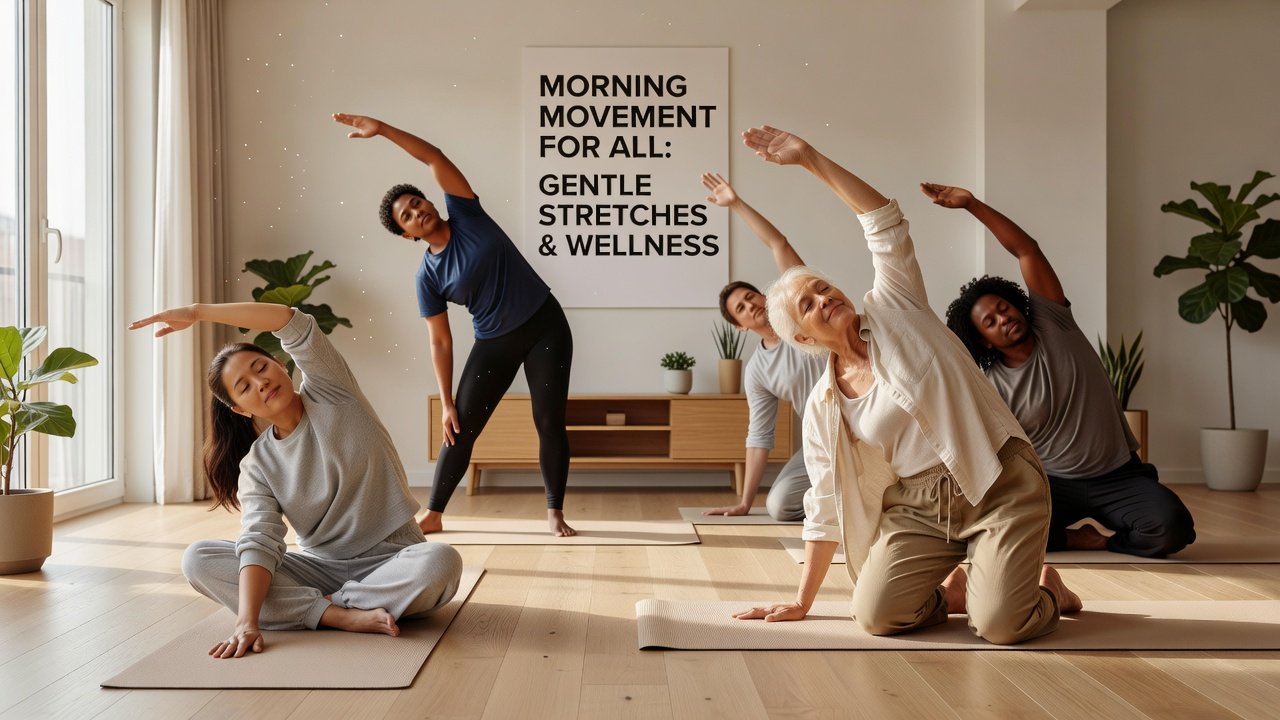
Biohacking does not always require expensive supplements or high-tech gadgets. In 2026, simple daily movements emerge as powerful, accessible tools for enhancing wellness, boosting energy levels, and improving overall health. This beginner-friendly guide focuses on practical movement strategies that align with natural human patterns, helping you optimize without complexity or cost. Movement biohacking leverages the body's innate ability to adapt through consistent, intentional activity, leading to improvements in circulation, joint health, mental clarity, and metabolic function. By integrating intentional movement into everyday life, individuals can experience better mobility, reduced stress, and sustained vitality. These hacks target searchers seeking evidence-based, low-barrier entry points into biohacking that fit any lifestyle or budget.
Assessing Your Current Movement Patterns
Before starting new routines, evaluate your existing habits thoroughly. Track how much time you spend sitting versus moving each day using a basic notebook or phone timer. Note any stiffness upon waking, energy dips in the afternoon, or discomfort after prolonged desk work. This baseline helps identify opportunities for improvement and sets realistic goals. Many adults sit for over eight hours daily, leading to poor posture, reduced circulation, and increased risk of chronic issues. Simple self-assessment involves timing walks, counting stairs climbed, and observing joint comfort during routine tasks. Consistent tracking over a week reveals patterns worth adjusting for better wellness outcomes. Consider factors like sleep quality and stress levels, as they often correlate with movement deficits. This assessment phase builds awareness and motivation to make small, sustainable changes.
Step-by-Step Routines for Mobility and Strength
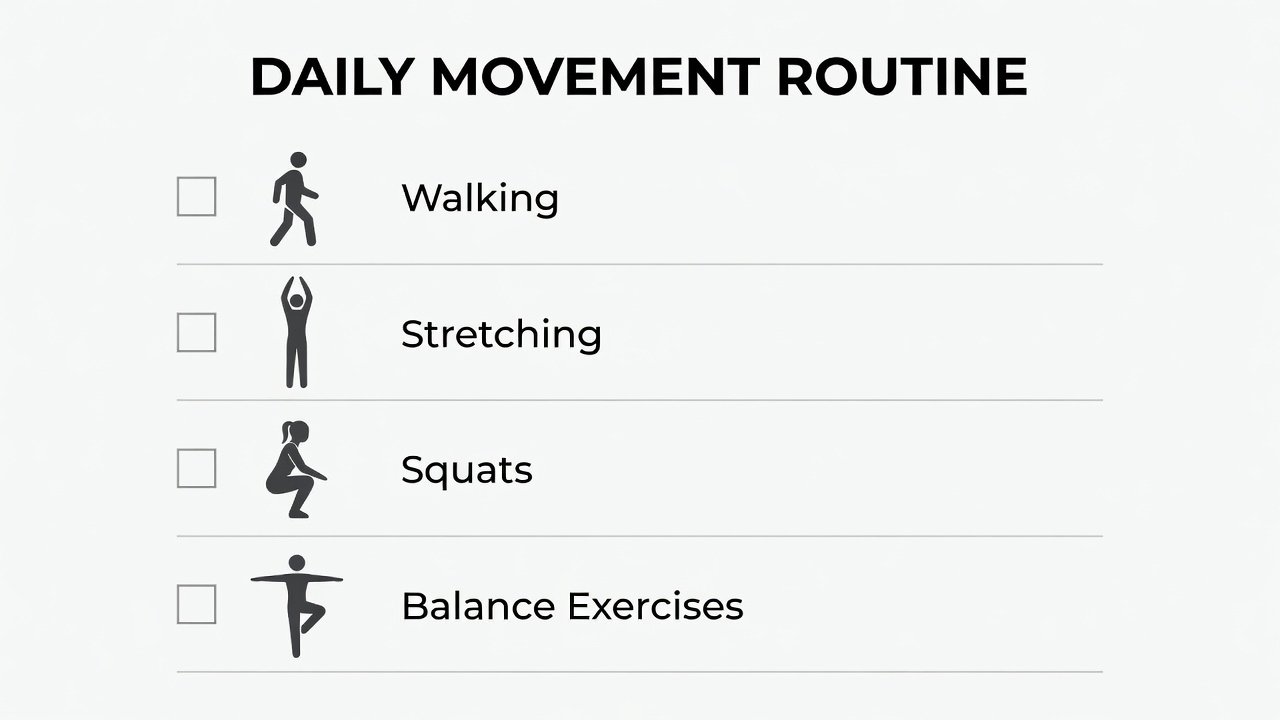
Begin with short, repeatable sequences that build both mobility and strength progressively. Start each morning with 10 minutes of dynamic stretches: neck rolls, shoulder circles, hip openers, and ankle rotations to wake up the body. Progress to bodyweight exercises like squats, wall push-ups, and glute bridges performed in controlled sets. Follow this sequence three times weekly: 5 minutes of walking in place to elevate heart rate, 3 sets of 10 squats focusing on form, 3 sets of 8 push-ups against a surface, and 2 minutes of standing balance on each leg. These movements enhance joint range and muscle engagement without equipment. For added benefit, incorporate natural elements such as walking barefoot on grass when possible. This stimulates foot muscles and improves proprioception. Variations for different fitness levels include seated modifications for beginners or adding resistance bands later. Consistency matters more than intensity at the start.
Structured Exercise Versus Natural Movement
Structured exercise involves planned sessions like gym workouts or classes, while natural movement emphasizes integrating activity into daily tasks such as gardening, playing with children, or taking stairs. Both approaches support wellness, but natural movement often proves more sustainable for beginners because it avoids the intimidation of formal routines. Research from World Health Organization highlights that 150 minutes of moderate activity weekly improves cardiovascular health. Natural movement meets this through accumulated efforts rather than single blocks. Combine both for optimal results: schedule a 20-minute walk plus household tasks that require bending and lifting. Structured options provide measurable progress, while natural methods foster lifelong habits. Understanding the differences helps tailor a plan that matches personal preferences and schedules.
Real-Life Examples for Busy Schedules
Professionals with demanding jobs can apply these hacks effectively. A software developer might set a timer for hourly 2-minute stretches and replace lunch breaks with 15-minute neighborhood walks. Parents integrate movement by turning chores into active play, like dancing while cleaning or doing squats during bath time routines. Remote workers benefit from standing desks alternated with floor sitting periods to vary postures and engage core muscles. Commuters add value by parking farther away or cycling short distances to work. Students can use study breaks for quick mobility flows between classes. Retirees might focus on gentle walking groups in local parks. These examples demonstrate how movement fits around existing obligations without requiring extra time blocks, proving that biohacking thrives on creativity and consistency rather than perfection.
Benefits of Consistent Movement Biohacking
Regular movement hacks deliver wide-ranging benefits beyond basic fitness. Improved posture reduces back pain, better circulation boosts cognitive function, and enhanced balance lowers fall risk as people age. Energy levels stabilize throughout the day, and sleep quality often improves due to natural fatigue from activity. Mental health gains include reduced anxiety from endorphin release during walks or stretches. Over weeks, participants report stronger immune responses and better weight management without dieting. These outcomes stem from cumulative small efforts rather than intense sessions, making the approach ideal for long-term adherence.
Common Mistakes to Avoid
- Ignoring warm-ups, which increases injury risk during new movements by leaving muscles cold and tight.
- Overdoing intensity too quickly, leading to burnout or strain that derails progress entirely.
- Skipping recovery days, preventing muscle adaptation and causing persistent soreness.
- Focusing solely on one body area instead of balanced full-body patterns that support overall function.
- Neglecting hydration and posture awareness throughout the day, which undermines even good movement habits.
- Comparing progress to others instead of personal baselines, which discourages beginners unnecessarily.
Beginner-Friendly Movement Checklist
- Assess daily sitting time and set movement reminders on your phone or calendar.
- Perform 10-minute morning mobility sequence upon waking to start the day energized.
- Include three strength sessions weekly using bodyweight exercises only.
- Accumulate 30 minutes of natural movement daily through household tasks and walks.
- Track energy levels and joint comfort weekly in a simple journal.
- Adjust routines based on progress, feedback from your body, and any discomfort signals.
- Stay hydrated and practice mindful breathing during all movement activities.
FAQs on Tracking Progress and Safety
How do I track progress safely?
Use a simple journal noting movement duration, perceived effort on a 1-10 scale, and daily energy ratings. Reassess every two weeks for improvements in flexibility or stamina through basic tests like reaching toes or timing a short walk. Avoid advanced metrics initially to keep things accessible.
What safety tips should beginners follow?
Listen to your body and stop at any sharp discomfort rather than pushing through. Consult a healthcare provider before starting if you have pre-existing conditions. Progress gradually and prioritize form over speed or volume. Resources like Mayo Clinic offer guidance on safe physical activity practices.
Can I combine these with other biohacks?
Yes, pair movement with breathing exercises or cold exposure for amplified effects, but introduce one element at a time to monitor responses clearly.
How long until results appear?
Most beginners notice better energy and mood within two weeks, with measurable mobility gains by four to six weeks of consistent practice.
How to Integrate Movement into Daily Life
Start by identifying friction points in your routine, such as long commutes or screen time. Replace passive sitting with micro-movements like ankle circles or shoulder shrugs. Use environmental cues, such as standing during phone calls or walking while listening to podcasts. For families, create group challenges like evening strolls. Track integration success by noting how often movement feels automatic rather than forced. This seamless approach turns biohacking into a lifestyle rather than an added chore.
Conclusion
Movement hacks provide an effective entry into biohacking for better wellness in 2026. By assessing habits, following structured yet simple routines, blending natural and planned activity, and avoiding common pitfalls, beginners achieve meaningful gains in energy and health. Use the checklist and FAQs as ongoing references to maintain momentum and safety while exploring further optimizations.

No comments yet. Be the first!