 Slow Bio Hack

Introduction to Forest Bathing as Biohacking
Forest bathing, known scientifically as shinrin-yoku, represents one of the most accessible and low-cost biohacking methods available in 2026. This practice involves immersing yourself in a natural forest environment through slow, mindful walking and sensory awareness rather than strenuous exercise. For beginners seeking simple health hacks, it delivers measurable improvements in stress reduction and mental clarity without requiring equipment, subscriptions, or specialized training. The core idea centers on leveraging the natural world to trigger physiological changes that support overall wellness, including lower cortisol levels and enhanced immune function. As modern life increases screen time and urban density, forest bathing offers a direct counterbalance that aligns with growing interest in nature-based interventions.
Unlike many biohacking trends that rely on supplements or devices, this method emphasizes presence and environmental connection. Practitioners often notice benefits after a single session, making it an ideal starting point for those new to optimization techniques. The approach integrates easily into weekly routines and scales from short urban park visits to extended rural excursions.
The Science Behind Phytoncides and Sensory Engagement
Phytoncides are volatile organic compounds emitted by trees and plants that act as natural defenses against pathogens. When inhaled during forest immersion, these molecules interact with human physiology by boosting natural killer cell activity and reducing inflammatory markers. Research coordinated through the National Institutes of Health has documented these immune-modulating effects in controlled trials involving forest exposure. Beyond immunity, sensory engagement plays a critical role: visual input from green canopies lowers heart rate, while auditory cues such as birdsong or wind through leaves activate the parasympathetic nervous system for relaxation.
Additional mechanisms include reduced sympathetic activity, which decreases blood pressure and anxiety scores. Studies also link forest bathing to improved cognitive performance, particularly in attention restoration after mental fatigue. The combination of phytoncide inhalation and multisensory stimulation creates synergistic benefits that indoor environments cannot replicate. For wellness seekers in 2026, this evidence base positions forest bathing as a validated, free alternative to expensive interventions.
Step-by-Step Forest Bathing Guide for Beginners
Beginners should target sessions of 20 to 60 minutes to build familiarity without overwhelm. Preparation involves selecting comfortable clothing, sturdy shoes, and leaving electronic devices behind to minimize distractions. Follow these practical steps:
- Locate a suitable green space and arrive with an open mindset focused on observation rather than goals.
- Start with slow walking, paying attention to ground textures, temperature changes, and air movement.
- Engage senses sequentially: inhale deeply to detect earthy or resinous scents, listen for layered sounds, observe color variations in foliage, and gently touch bark or leaves.
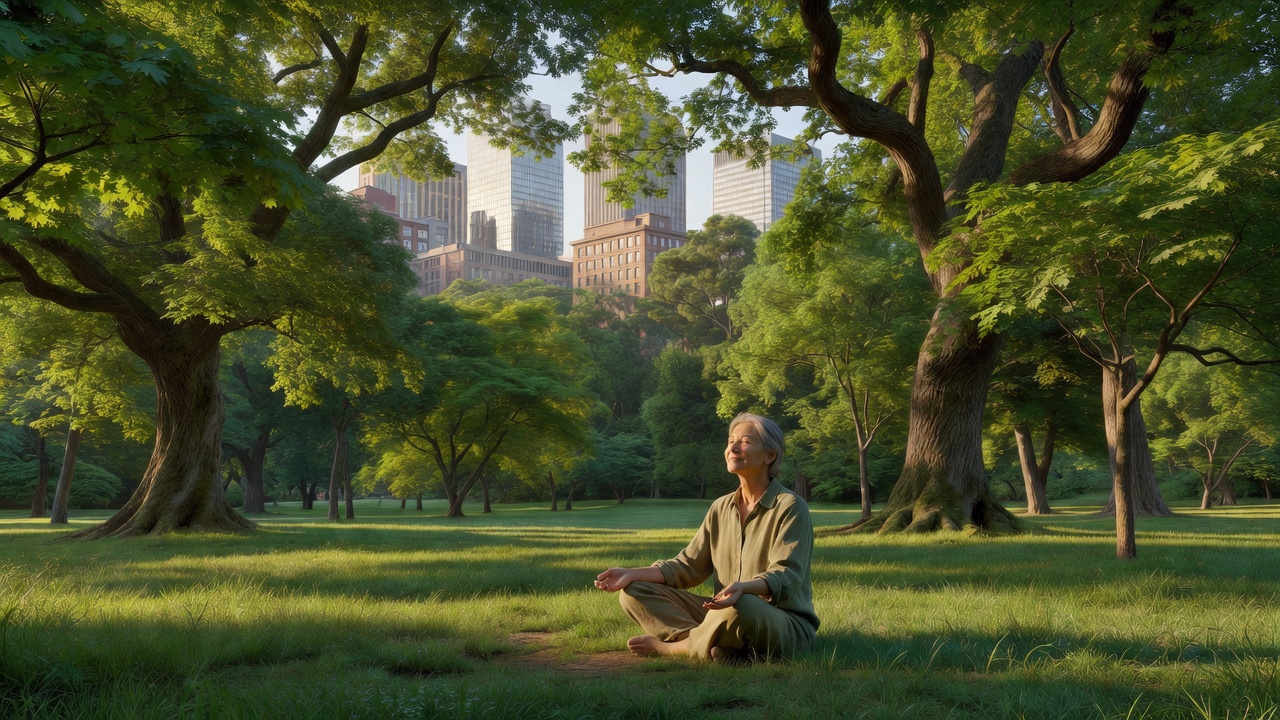
- Incorporate pauses for seated observation to deepen relaxation and allow thoughts to settle.
- Conclude by journaling immediate sensations and any shifts in mood or energy for later review.
Urban adaptations include visiting city parks with dense tree cover or botanical gardens during off-peak hours. Rural settings provide greater biodiversity and quieter conditions ideal for extended sessions. Safety considerations encompass checking weather, staying on marked paths, and informing someone of your location. Seasonal variations add value: spring brings fresh growth scents, while autumn offers visual color changes that enhance engagement.
Comparing Forest Bathing to Indoor Meditation
Indoor meditation emphasizes internal focus through breathwork or guided visualization within a controlled space. Forest bathing introduces external natural stimuli that enhance grounding and biophilic responses. Heart rate variability improvements often occur more rapidly in forest settings due to combined phytoncide and sensory inputs. While meditation requires consistent practice to master, forest bathing delivers immediate sensory feedback that supports adherence for beginners.
Both practices complement each other effectively. Many individuals alternate indoor sessions on weekdays with forest outings on weekends to maintain progress. Forest bathing eliminates the need for cushions or apps, increasing accessibility across income levels and mobility ranges. The outdoor element also provides vitamin D exposure and fresh air circulation absent from most indoor environments.
Real-World Examples from Practitioners
A marketing professional based in Portland began with 30-minute park visits twice weekly and reported sustained focus during demanding project cycles within four weeks. A retired nurse in suburban Atlanta used forest bathing to address chronic stress, noting improved sleep patterns and reduced reliance on evening screen time after consistent rural trail sessions. In a mid-sized European city, a university student adapted the practice to local green belts and experienced enhanced concentration during exam periods. These cases illustrate adaptability across ages, locations, and lifestyles while highlighting cumulative benefits from regular immersion.
Tracking Results and Recommended Frequency
Simple tracking methods include pre- and post-session mood scales or energy ratings in a notebook. Advanced users may monitor resting heart rate trends or sleep quality through basic wearable data if available. Frequency recommendations start at one to two sessions per week, allowing the body to integrate changes. Over a four-week period, practitioners often observe clearer decision-making and lower baseline stress. Adjust timing based on personal response and seasonal daylight availability.
Common Mistakes to Avoid
- Rushing through sessions instead of maintaining a slow pace that allows sensory processing.
- Choosing overly crowded or noisy locations that limit relaxation benefits.
- Ignoring weather-appropriate clothing, which can create physical discomfort and distract from immersion.
- Skipping reflection time at the end, missing opportunities to reinforce mental clarity gains.
FAQ Section
How often should beginners practice forest bathing?
One to two sessions weekly typically yield noticeable stress reduction and clarity improvements. Increase gradually once the habit feels natural.
Can urban environments deliver the same effects?
Tree-dense parks and green corridors provide meaningful phytoncide exposure and sensory benefits, though rural forests offer higher compound concentrations and quieter conditions.
What if I have mobility limitations?
Stationary or seated sessions in accessible green spaces still activate sensory pathways and deliver core benefits without extensive walking.
Is there an optimal time of day?
Early morning or late afternoon sessions often maximize light quality and lower ambient noise for deeper relaxation.
How do I measure progress objectively?
Track subjective mood ratings alongside basic metrics such as sleep duration or perceived energy levels over several weeks.
Conclusion
Forest bathing emerges as a practical, science-supported biohacking strategy that enhances wellness through intentional nature immersion. By incorporating regular sessions tailored to urban or rural settings, beginners can achieve meaningful reductions in stress alongside gains in mental clarity throughout 2026 and beyond.


No comments yet. Be the first!