 Slow Bio Hack
Introduction to Wearable Sleep Tracking in 2026
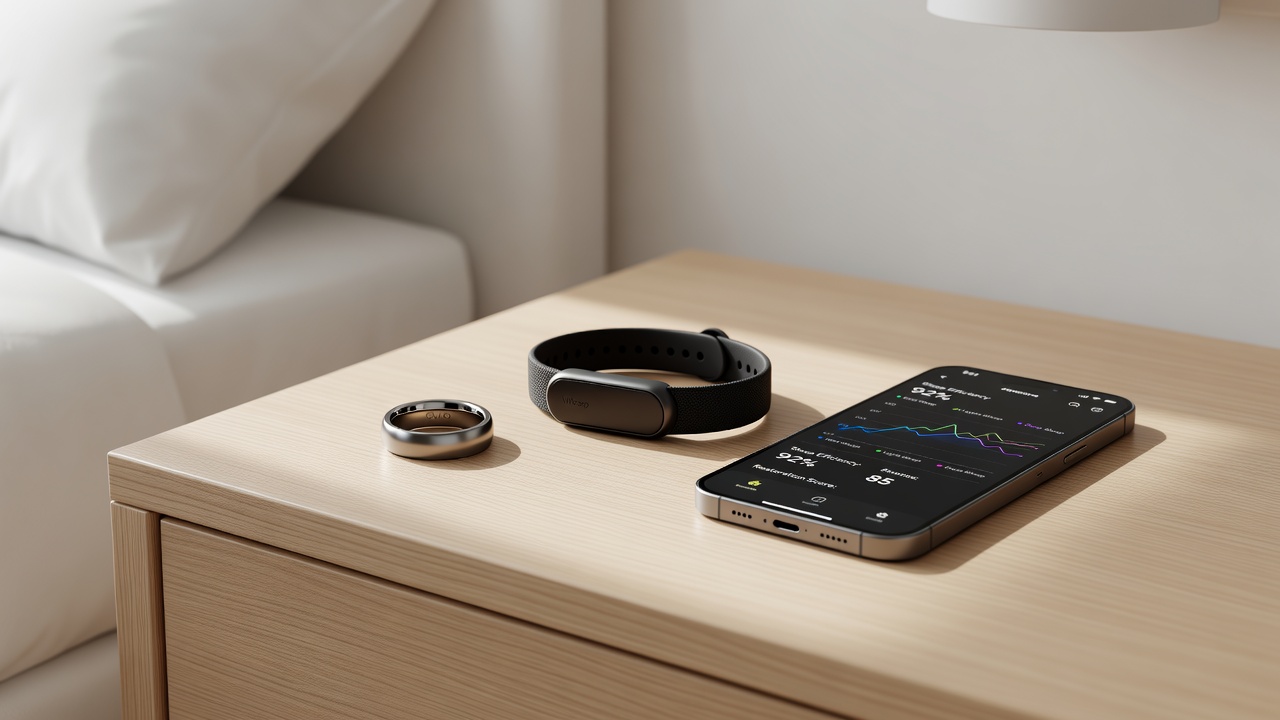
New users exploring sleep optimization often turn to advanced wearables like the Oura Ring and Whoop strap. These devices provide detailed insights into sleep stages, heart rate variability (HRV), and recovery metrics, helping beginners build healthier routines. This guide walks through core functions, device setup, data interpretation, and comparisons to support informed decisions. Sleep tracking has become essential for understanding how daily habits affect rest and overall performance. In 2026, both Oura and Whoop continue to lead with refined algorithms that deliver reliable data without requiring medical expertise.
Beginners benefit from starting with foundational knowledge rather than diving into complex analytics. The focus remains on consistent wear, accurate baseline establishment, and gradual integration of insights into everyday life. This approach prevents overwhelm while building confidence in using the technology effectively.
Device Setup Steps for Beginners
Starting with the Oura Ring involves downloading the companion app from the official store, charging the ring fully for at least two hours, and pairing it via Bluetooth on your smartphone. Users then wear it consistently for several nights to establish baseline data, ensuring the ring fits snugly but comfortably on the finger. For Whoop, the process includes securing the strap on the wrist or bicep with the correct tension, syncing with the app, and completing an initial calibration period of three to seven days where the device learns individual patterns.
Both devices require firmware updates during initial setup to ensure accurate tracking. Beginners should enable all relevant permissions for heart rate, movement, and temperature sensors to capture comprehensive sleep data from the first night. It is recommended to wear the devices during daytime activities as well to gather contextual strain information that influences sleep analysis. Troubleshooting common issues, such as poor Bluetooth connectivity, often involves restarting the app or ensuring the device is within range during pairing.
Understanding Sleep Stages and Metrics
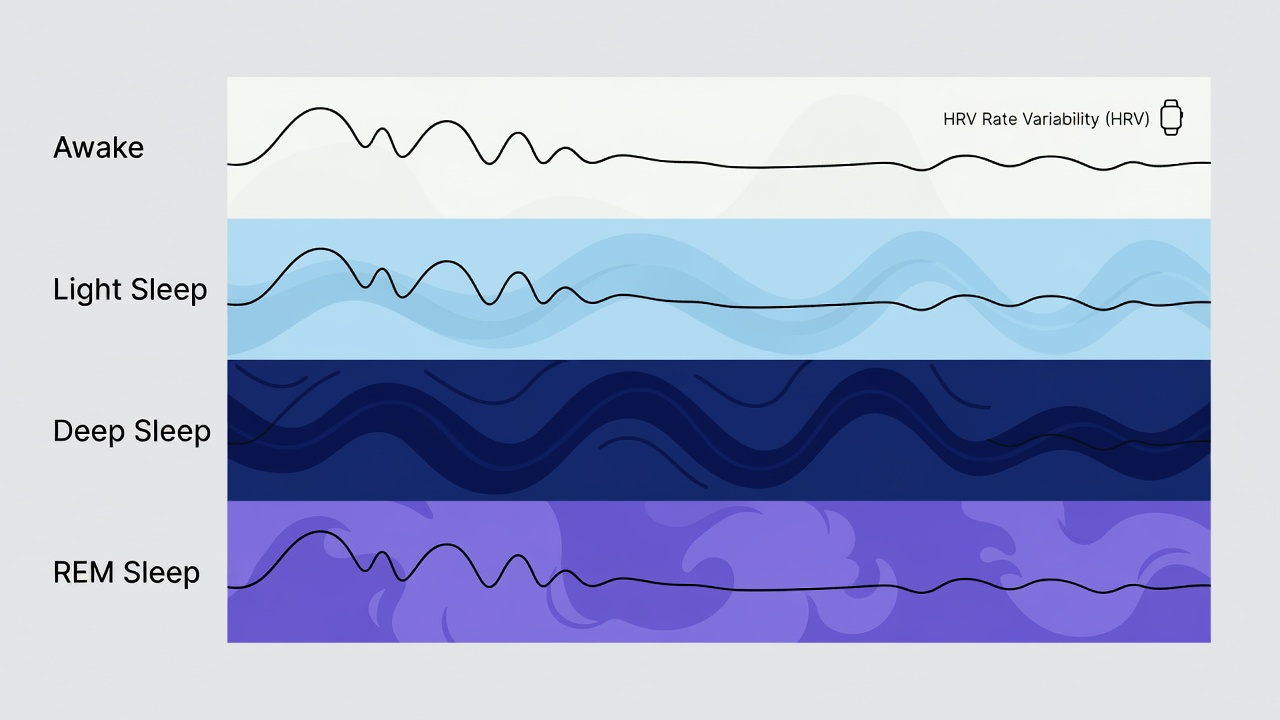
Oura and Whoop break down sleep into stages including light sleep, deep sleep, REM sleep, and wake periods. Oura emphasizes total sleep time alongside bedtime consistency, providing breakdowns that highlight how much time was spent in restorative phases. Whoop focuses on sleep need calculations based on strain from daily activity, adjusting recommendations dynamically each morning.
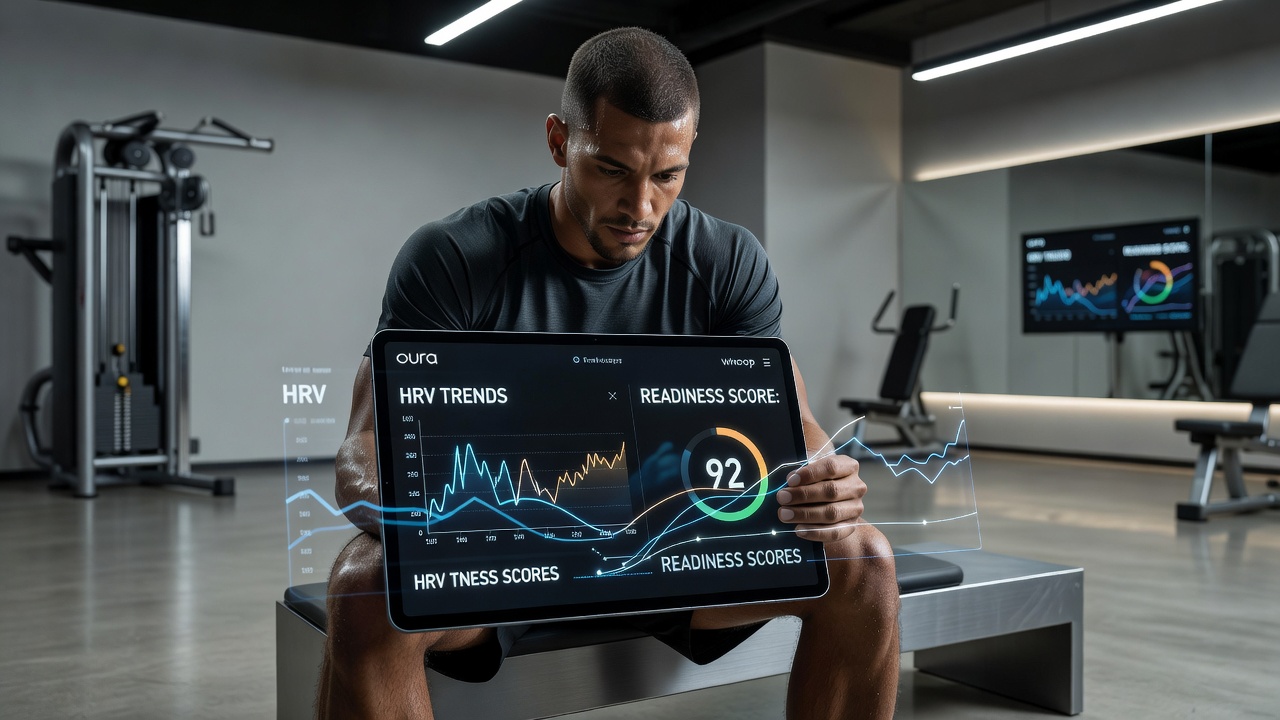
HRV measurements reveal autonomic nervous system balance, with higher values typically indicating better recovery and resilience to stress. Recovery scores in both systems aggregate HRV, resting heart rate, and sleep quality into an overall percentage that guides daily activity levels. Understanding these metrics requires recognizing that deep sleep supports physical restoration while REM aids cognitive processing and emotional regulation.
HRV Explained for New Users
Heart rate variability tracks the variation in time between heartbeats, serving as a window into recovery status. A higher HRV generally signals good adaptability, whereas lower readings may suggest accumulated fatigue. Both devices measure this overnight, offering averages and trends that users can monitor weekly.
Interpreting Data with Real-World Examples
Consider a user who logs seven hours of sleep but sees low deep sleep percentages. Oura might flag this as needing earlier bedtimes and reduced screen time before sleep, while Whoop could suggest adjusting evening strain by lowering workout intensity. Reviewing weekly trends helps identify patterns, such as weekend sleep debt affecting HRV scores and leading to midweek fatigue.
Practical interpretation involves cross-referencing scores with how one feels. A high recovery score paired with energetic mornings validates the data, whereas mismatches prompt lifestyle adjustments like reducing caffeine intake after noon or incorporating short walks. Another example involves shift workers who notice fragmented REM sleep; both devices can highlight opportunities for strategic napping to compensate without disrupting nighttime rest.
Comparing Fitness Tracking Features
Beyond sleep, Oura offers activity rings for movement goals, calorie burn estimates, and menstrual cycle tracking that integrates with sleep data. Whoop excels in real-time strain monitoring during workouts and 24/7 HRV tracking for athletes seeking performance edges. The form factors differ significantly: Oura provides a discreet ring option suitable for all-day wear without notice, whereas Whoop uses a flexible band that excels during high-intensity sessions.
Integration capabilities allow both to connect with popular fitness ecosystems. Beginners should evaluate which ecosystem aligns with their primary goals, whether passive monitoring or active coaching. Key differences emerge in how each handles temperature deviations and respiratory rate, adding layers to sleep quality assessments.
- Choose Oura for passive, jewelry-style monitoring with strong emphasis on sleep consistency and recovery trends.
- Select Whoop for active strain management, detailed workout strain scores, and recovery coaching tailored to daily exertion.
- Review app interfaces to match personal preference for data visualization, notifications, and sharing options with coaches.
- Consider battery life and charging routines, as Oura typically lasts longer between charges compared to Whoop's more frequent needs.
Practical Tips for Combining Insights with Routines
Start by aligning device data with simple habits, such as maintaining consistent wake times even on weekends. Use recovery scores to plan lighter training days after poor sleep nights, preventing overtraining. Track HRV improvements over months to measure progress from better evening wind-down routines like reading or meditation.
Combine metrics with journaling to note external factors like diet, stress levels, or room temperature. This layered approach turns raw numbers into actionable steps for sustained sleep improvements. Experiment with one change at a time, such as adjusting bedtime by 30 minutes, and observe impacts on subsequent scores.
Common Mistakes Beginners Should Avoid
Many new users obsess over single-night data instead of focusing on multi-week trends, leading to unnecessary anxiety. Another frequent error is wearing the device too loosely, which reduces sensor accuracy for HRV and stage detection. Ignoring daytime context, such as high strain affecting sleep need, also limits the value of insights. Finally, failing to update the app regularly can result in outdated algorithms that skew interpretations.
Conclusion
Oura and Whoop equip beginners with powerful yet accessible tools for understanding sleep. By mastering setup, interpreting stages and scores, and applying comparisons thoughtfully, users can integrate these insights into daily life for meaningful results. Consistent use combined with practical adjustments leads to better rest and performance over time. Explore official resources at Oura and Whoop to begin tracking effectively.
FAQ
How accurate are these devices for sleep stages? Both achieve strong correlation with clinical polysomnography for broad stage detection, though individual variability exists and professional medical advice should supplement device data when concerns arise.
Can I wear both simultaneously? Yes, many users cross-reference data from Oura and Whoop for comprehensive views without interference, often using one for sleep focus and the other for strain details.
What if scores seem inconsistent? Ensure proper fit and consistent wear; recalibrate after firmware updates or lifestyle changes, and review multiple nights rather than isolated readings.
How long before I see reliable trends? Most users notice stable baselines after two to three weeks of consistent tracking, allowing meaningful pattern recognition.
No comments yet. Be the first!