 Slow Bio Hack
Introduction: Mastering Sleep as a Shift Worker in 2026
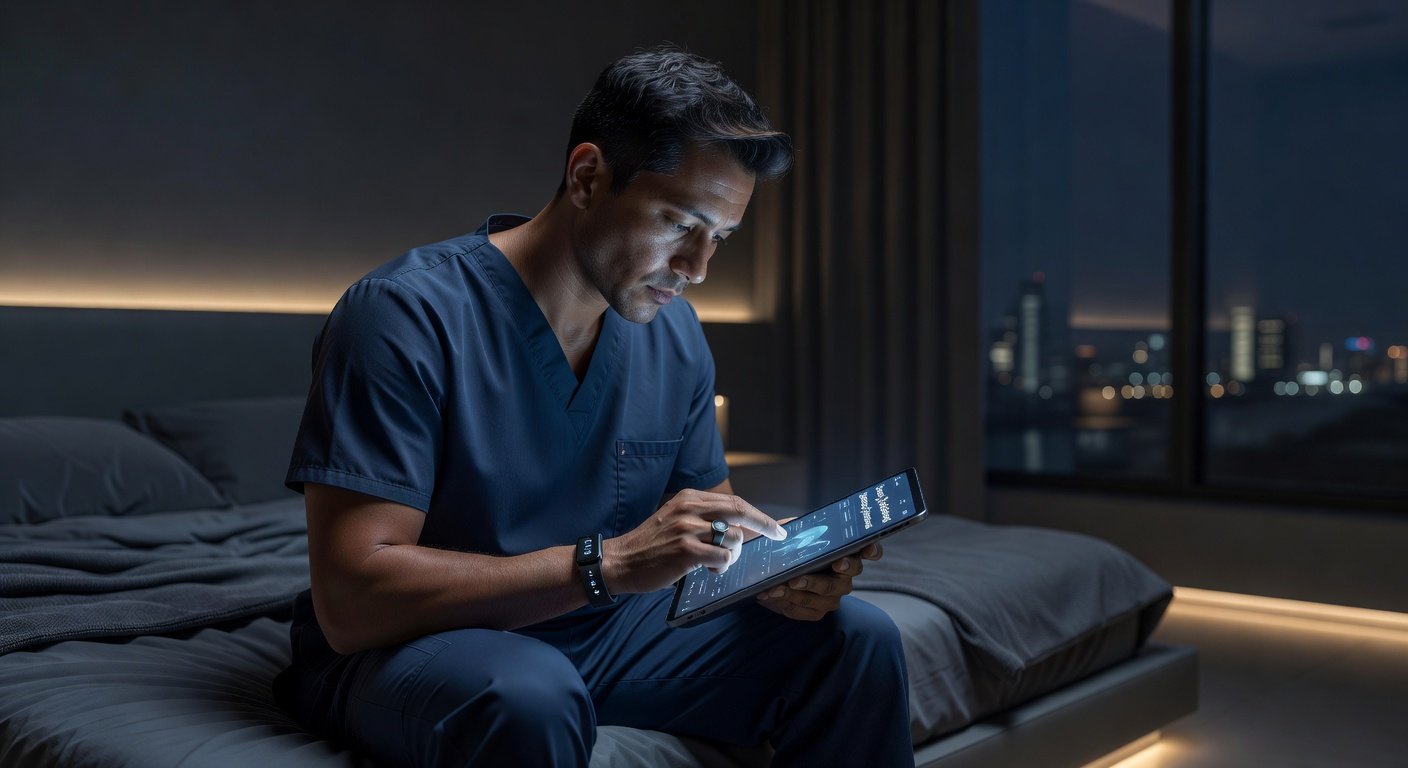
Shift workers face unique challenges with non-standard hours that disrupt natural circadian rhythms, leading to poor recovery and reduced alertness. Whether you work nights, rotating shifts, or early mornings, the misalignment between your internal clock and external demands can result in chronic fatigue, weakened immune function, and higher risks of long-term health issues. Wearable devices like Oura and Whoop offer powerful tools to track sleep, heart rate variability (HRV), and readiness, helping users adapt to rotating schedules. This comprehensive guide explores practical strategies for using these devices effectively in 2026, including firmware enhancements for circadian rhythm tracking, real user experiences, and actionable steps to improve daily performance and recovery.
Selecting the Best Device for Variable Shifts
When choosing between Oura and Whoop for irregular work patterns, evaluate your daily routines and physical demands. Oura's ring form factor excels for those who prefer minimal interference during physical tasks or jobs requiring dexterity, such as healthcare or manufacturing roles. It provides detailed sleep stage analysis and recovery metrics without the bulk of a wristband. Whoop's strap, on the other hand, delivers continuous strain and recovery data that is ideal for high-intensity rotations or roles involving physical exertion, offering insights into how shifts impact overall load. Both devices now integrate better with irregular schedules thanks to recent updates. Users on rotating shifts often benefit from testing both through trial periods to see which syncs more seamlessly with their work calendars. Consider factors like battery life during long shifts, data export options for sharing with healthcare providers, and app usability on mobile devices during breaks.
Interpreting HRV and Readiness Scores During Rotations
HRV and readiness metrics are critical for shift workers navigating variable hours. Low HRV after a night shift may signal incomplete recovery, prompting adjustments like strategic light exposure, optimized nutrition timing, or short recovery naps. In 2026, these scores account for circadian misalignment more accurately by incorporating multi-day trend data. For example, a readiness score below optimal on a graveyard shift day might suggest prioritizing short naps over full workouts to avoid further strain. Cross-reference data with your schedule to identify patterns over multiple rotations, such as how consecutive night shifts affect baseline HRV. Practical application includes setting thresholds in the app to flag when scores drop, allowing proactive interventions like adjusting caffeine cutoff times or incorporating breathing exercises before bed. This level of interpretation turns raw data into personalized recovery plans that evolve with your shift changes.
Step-by-Step Setup for Custom Alerts and Schedule Syncing
Follow these detailed steps to optimize your device for shift work: First, enable schedule syncing in the app by inputting your exact work shifts, including start and end times for each rotation type. Second, set custom alerts for low HRV thresholds tailored to post-shift recovery windows, such as receiving notifications if HRV falls more than 20 percent below your personal baseline. Third, integrate with calendar apps for automated reminders about optimal sleep opportunities between shifts. Fourth, review weekly trends in the dashboard to refine alerts based on what works for your body. Fifth, test the system during a full rotation cycle and adjust for accuracy. This setup ensures timely insights without constant manual checks, helping maintain consistency even during demanding periods like holiday schedules or overtime.
2026 Firmware Updates Enhancing Circadian Rhythm Tracking
Recent firmware releases in 2026 have introduced advanced algorithms that better predict circadian phase shifts for non-traditional hours. These updates use multi-day data to suggest optimal sleep windows aligned with your rotations, factoring in variables like light exposure history and activity levels. The result is improved overall alertness and long-term health outcomes by helping users anticipate and mitigate the effects of schedule changes. World Health Organization resources on shift work sleep disorder emphasize the importance of such personalized tracking for reducing associated risks.
Real-World Examples of Improved Alertness
Many shift workers report significant gains after consistent use of these wearables. A nurse on rotating shifts noted better focus during night duties after using readiness scores to time caffeine intake and schedule brief rest periods. An emergency responder adjusted sleep blocks based on HRV trends, resulting in fewer fatigue-related errors and improved decision-making under pressure. A factory worker on graveyard shifts implemented custom alerts to prompt hydration and light therapy, leading to faster adaptation between day and night rotations. A delivery driver combined Whoop strain data with Oura sleep insights to optimize meal timing, experiencing sustained energy throughout extended shifts. These examples highlight how data-driven decisions enhance daily performance and reduce burnout over time.
Comfort Comparison: Oura Ring vs Whoop Strap
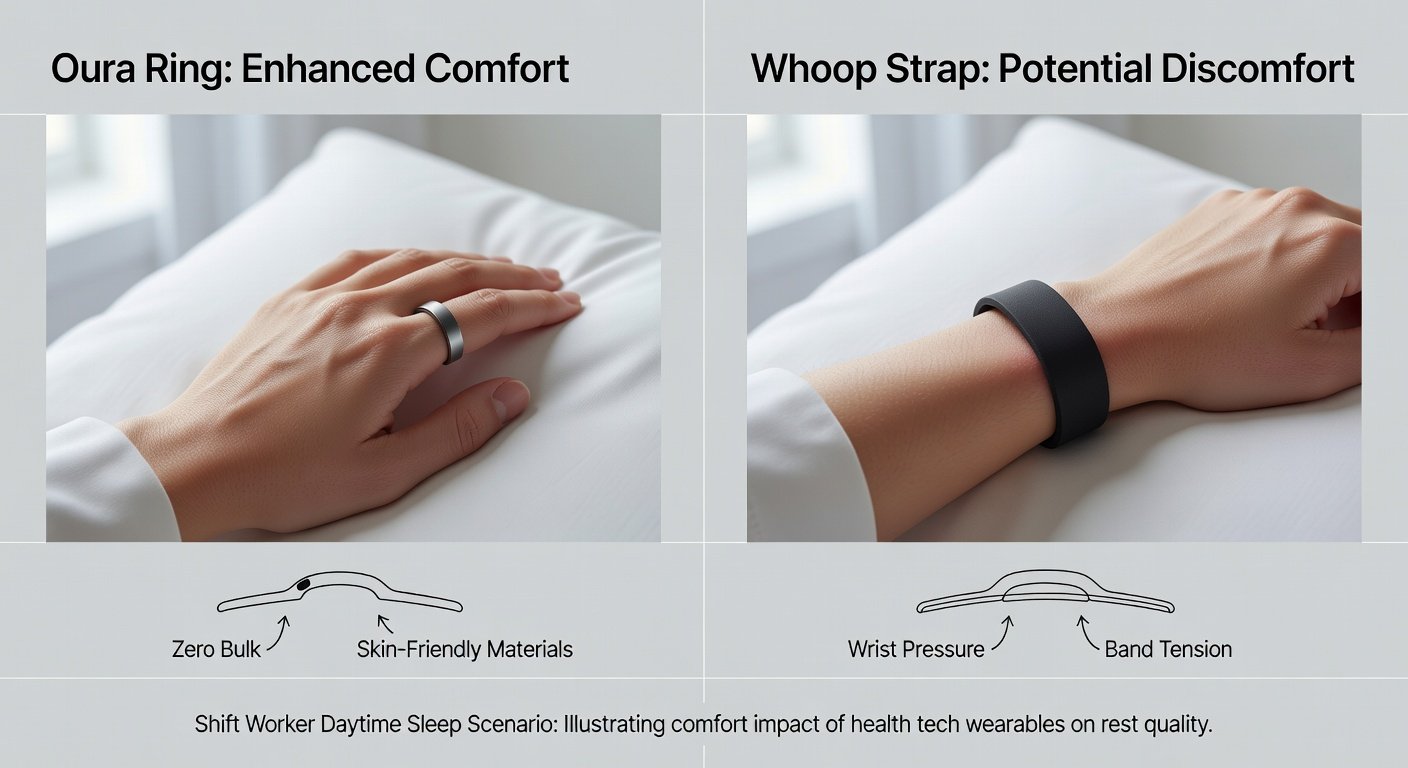
For all-night wear during irregular hours, Oura's lightweight ring offers superior comfort during sleep without bulk, making it ideal for sensitive skin or hot sleepers who toss and turn. Whoop's strap, however, provides a secure fit for active movements and is less likely to shift during restless nights common in shift work, though some users find it requires occasional adjustments for optimal sensor contact. Test both for personal preference, as comfort directly impacts consistent data collection and long-term adherence. Factors like wrist size, skin sensitivity, and whether you wear the device during showers or intense tasks should guide your choice.
Practical Tips for Maximizing Results
- Combine device data with environmental controls, such as blackout curtains and white noise machines, to enhance sleep quality between shifts.
- Monitor trends over at least two full rotation cycles before making major lifestyle changes.
- Share anonymized reports with a sleep specialist for professional guidance on persistent issues.
- Stay hydrated and time meals to support circadian realignment as suggested by the apps.
FAQ: Handling Graveyard Shifts with Wearables
- How do I track sleep on overnight shifts? Use the devices' nap detection features and log sleep periods manually if needed for precise recovery calculations.
- What if readiness scores stay low? Focus on consistent light exposure, meal timing, and short exercise bouts to realign your internal clock gradually.
- Can these devices predict shift adaptation? Yes, with 2026 updates, trend analysis helps forecast recovery over multiple rotations and suggests preemptive adjustments.
- Are there limitations during extreme schedules? Both devices handle most patterns well but may require manual overrides for very rapid rotations exceeding four consecutive nights.
Conclusion
Integrating Oura or Whoop into your routine empowers shift workers to reclaim control over sleep and recovery. By leveraging HRV insights, custom setups, firmware features, and the latest updates, you can boost alertness and well-being despite irregular hours. Start with one device aligned to your lifestyle and build from there for lasting results. CDC guidelines on sleep and shift work provide additional foundational support for implementing these strategies effectively.
No comments yet. Be the first!