 Slow Bio Hack
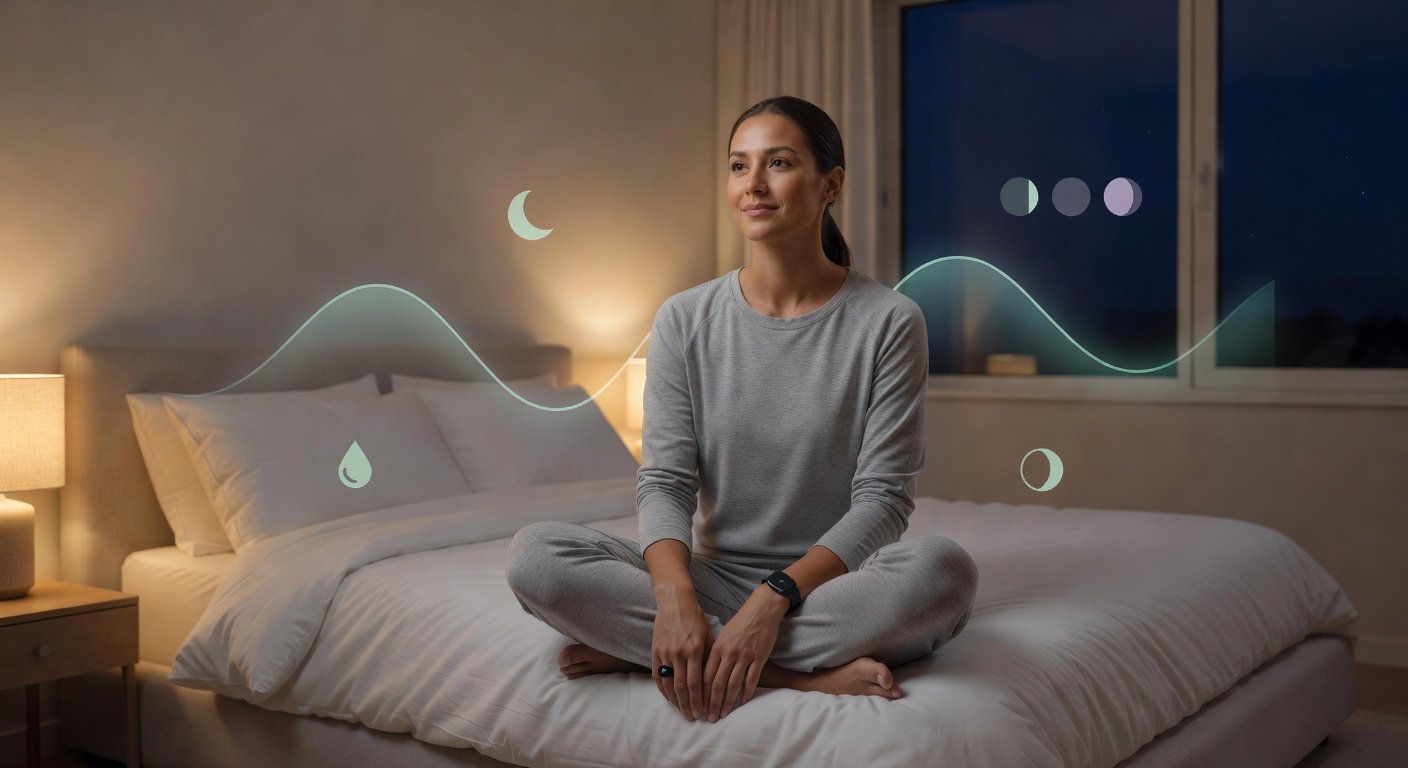
Introduction: Aligning Wearable Tech with Your Menstrual Cycle
Women experience significant fluctuations in sleep quality throughout their menstrual cycles due to hormonal shifts. In 2026, devices like the Oura Ring and Whoop strap offer powerful tools to sync sleep tracking with cycle phases, helping users optimize recovery and daily energy. This guide explores how these wearables detect cycle-related changes, how to set them up, and practical ways to interpret the data for improved rest.
Hormonal variations affect core body temperature, heart rate variability (HRV), and overall sleep architecture. By monitoring these metrics, Oura and Whoop provide personalized insights that go beyond basic sleep scores.
How Oura and Whoop Detect Cycle Phases
Oura excels at temperature tracking, which rises slightly after ovulation. Combined with HRV and resting heart rate data, it identifies follicular, ovulatory, luteal, and menstrual phases. Whoop focuses more on recovery scores derived from HRV and sleep, correlating these with cycle impacts on autonomic nervous system balance.
These detections rely on continuous data collection during sleep. Users often notice patterns like reduced deep sleep in the luteal phase or increased restlessness pre-period.
Setting Up Cycle Tracking on Oura and Whoop
- Download the latest app versions and create accounts.
- Input menstrual cycle details, including average length and last period start date.
- Wear the device consistently, especially overnight, for at least one full cycle to calibrate.
- Enable cycle insights features in settings for automated phase detection.
Once set up, review daily readiness or recovery scores alongside cycle tags for synced insights.
Interpreting Synced Sleep Data for Better Rest
Look for trends such as lower HRV during the luteal phase indicating higher stress on the body. Use this to adjust bedtime routines or intensity of workouts. 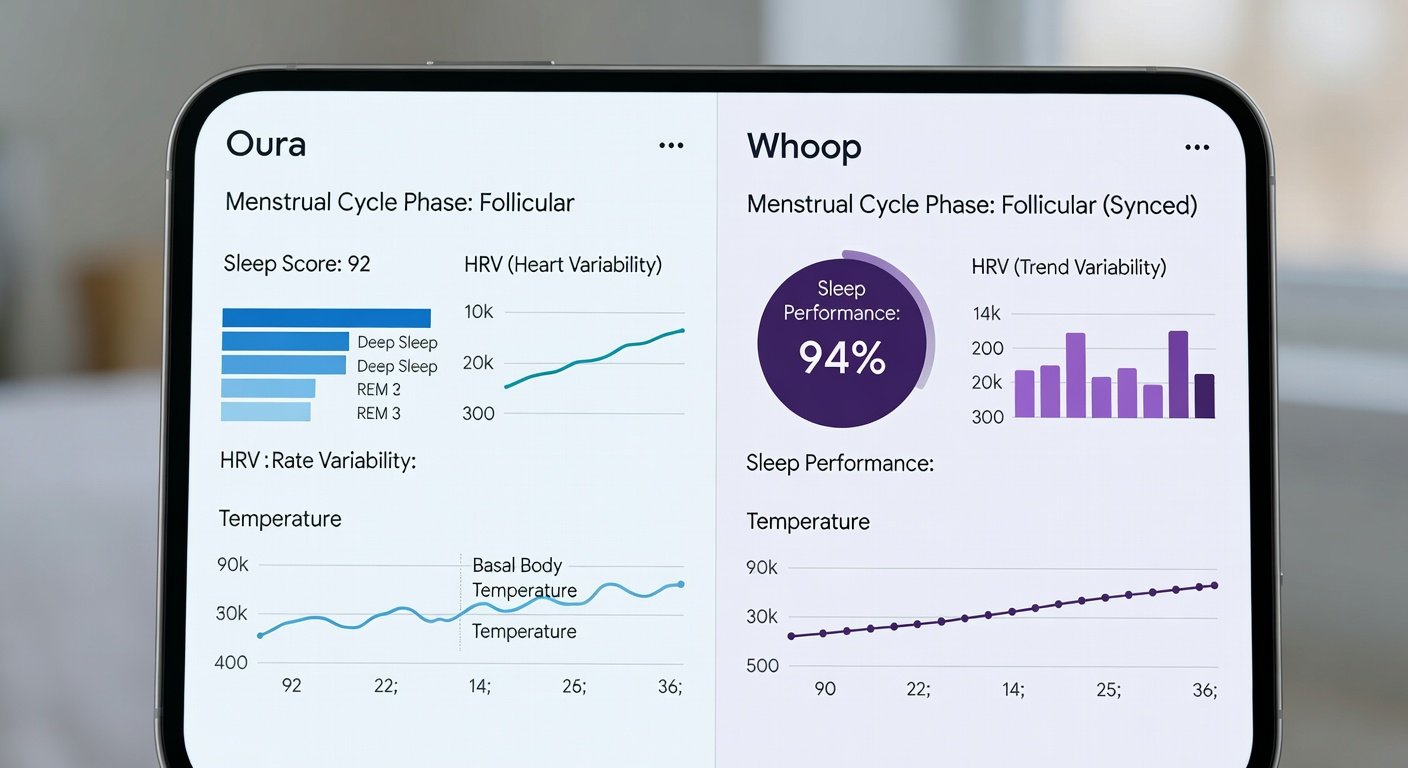
Practical interpretation includes noting temperature deviations to predict period onset and planning rest days accordingly.
Comparison: Oura's Cycle Insights vs Whoop's Recovery Focus
Oura provides detailed cycle graphs with temperature trends and phase predictions, ideal for fertility awareness. Whoop emphasizes strain and recovery alignment with hormonal changes, suiting athletes tracking performance dips. Both integrate well with apps but differ in visualization depth and subscription models.
Optimization Tips and Pre-Period Routines
- Maintain consistent sleep schedules to buffer luteal phase disruptions.
- Incorporate magnesium-rich foods or wind-down rituals before menstruation.
- Adjust training loads based on recovery metrics during high-sensitivity phases.
- Track energy levels manually alongside device data for holistic views.
Real-user examples show women reporting 20-30% better daytime vitality after implementing cycle-aware sleep hygiene.
FAQs on Accuracy, Data Syncing, and Privacy
How accurate are these devices for cycle tracking? Accuracy improves with consistent wear and baseline data, though they complement rather than replace medical advice. Consult resources from Mayo Clinic for validation.
Can data sync across apps? Both support integrations with health platforms for seamless menstrual and sleep logging.
What about privacy for women's health data? Review policies on Oura and Whoop sites, focusing on encryption and user controls. Additional guidance is available via CDC.
Conclusion
Embracing cycle-synced sleep tracking with Oura and Whoop empowers women to work with their biology for superior recovery. Start with consistent wear and regular data reviews to unlock meaningful improvements in rest and vitality.

No comments yet. Be the first!