 Slow Bio Hack
Introduction: Optimizing Sleep for Academic Success
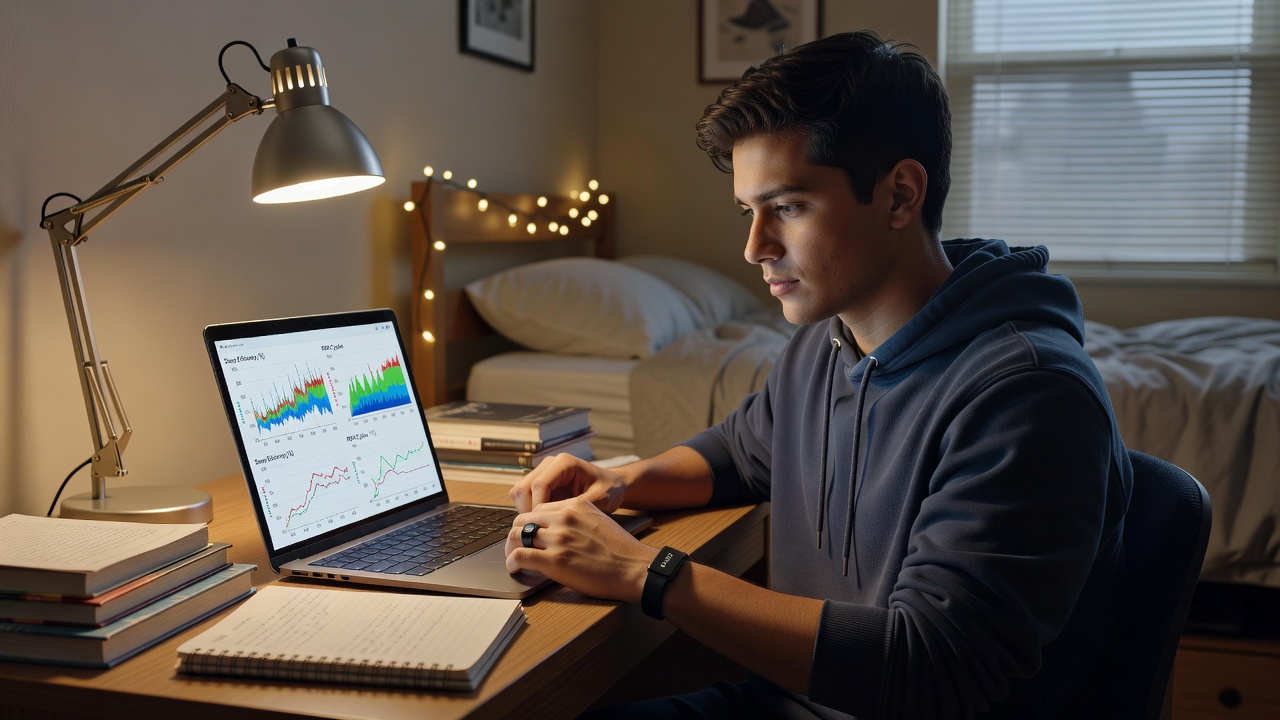
Exam season brings intense pressure for college students, often leading to disrupted sleep that harms memory, focus, and overall performance. Wearable devices like the Oura Ring and Whoop band offer data-driven insights into sleep patterns, heart rate variability (HRV), and daily readiness. This guide explores practical ways to leverage these tools during high-stress periods in 2026, helping students adjust study schedules based on real metrics rather than guesswork. Poor sleep during exams can reduce cognitive function by up to 30 percent according to general health research, making consistent tracking essential for maintaining an edge in academics.
By monitoring key biomarkers, students can identify when to prioritize rest over late-night cramming. The approach emphasizes beginner-friendly steps, real examples, and checklists to integrate trackers seamlessly into routines. Understanding these metrics allows for proactive adjustments that support both short-term exam performance and long-term wellness habits.
Understanding Oura and Whoop for Sleep Tracking
Oura focuses on recovery through detailed sleep stages, temperature trends, and a readiness score that predicts how well your body handles the day. Whoop emphasizes strain and recovery, providing HRV data alongside sleep quality to guide workout and study intensity. Both devices shine during exams by highlighting how stress affects rest. HRV measures the variation in time between heartbeats and serves as a window into autonomic nervous system balance, which often declines sharply under academic pressure.
Readiness scores from either device can prompt schedule tweaks, such as shifting heavy review sessions to mornings when scores are high. Students benefit from seeing how factors like late caffeine intake or screen time directly impact overnight recovery, turning abstract advice into personalized data points.
Step-by-Step Setup for Exam Periods
- Charge and pair your device with its app at least two weeks before exams to establish baseline data. This period allows the algorithms to learn your normal patterns, making later alerts more accurate during stress peaks.
- Enable sleep tracking features and set custom alerts for low HRV or readiness thresholds. Most users set HRV alerts below 10 percent of their personal average and readiness below 70.
- Sync bedtime routines by using device vibrations as wind-down cues 30 minutes before target sleep time. Combine this with a consistent environment like cool room temperatures around 65 degrees Fahrenheit.
- Log study sessions in the app to correlate with sleep metrics and spot patterns. Note specific subjects or intensity levels to see which activities drain recovery most.
- Review weekly trends every Sunday to adjust the upcoming exam study plan. Export graphs if possible to compare with previous weeks and celebrate small improvements in sleep consistency.
Monitoring HRV and Readiness Scores
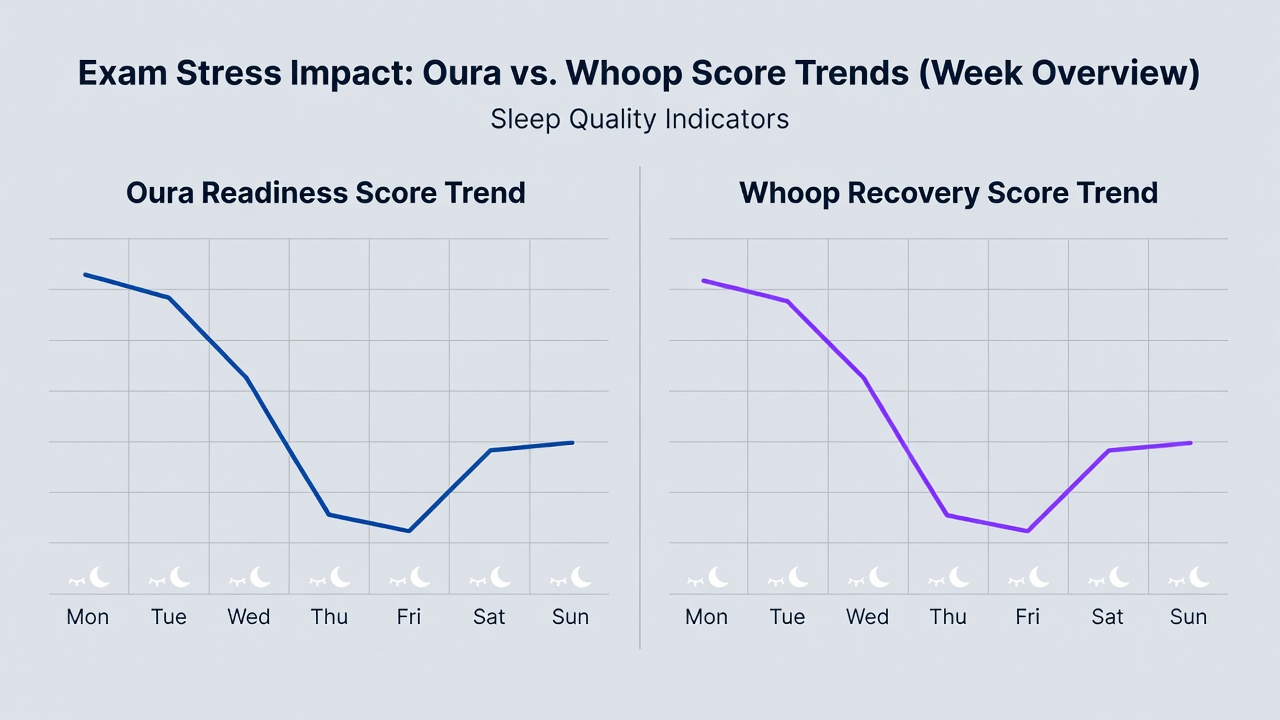
Track HRV daily upon waking. A consistent drop below personal baseline may indicate accumulated stress—use this cue to shorten evening study blocks. Readiness scores above 80 suggest pushing through intensive review, while scores below 60 call for lighter tasks or extra rest. Many students find that combining HRV with resting heart rate gives a fuller picture, as elevated resting heart rate often accompanies low HRV during exam weeks.
Students report improved retention when aligning study peaks with high-readiness mornings. Combine this with consistent sleep windows of 7-9 hours to stabilize scores. Practical application includes using the data to decide between group study sessions or solo review, depending on recovery levels.
Real-World Student Examples
Consider a sophomore pre-med student who used Oura to notice temperature rises linked to poor sleep during finals week. By advancing bedtime by one hour based on alerts, she maintained steadier HRV and scored higher on practice tests. Another engineering major wearing Whoop adjusted his schedule after seeing low recovery scores post-all-nighters, swapping late sessions for morning reviews and boosting overall GPA that semester.
A third example involves a psychology major who tracked both devices simultaneously. She discovered that social study groups increased her strain metric on Whoop, leading to fragmented sleep on Oura. By limiting group sessions to afternoons and using evenings for lighter review, she achieved more consistent deep sleep stages. These cases illustrate how individualized data leads to targeted changes rather than generic sleep tips.
Comparing Sleep Insights from Oura and Whoop
- Sleep Stages: Oura provides granular breakdowns of REM, deep, and light sleep; Whoop focuses more on total sleep time and disturbances.
- HRV Accuracy: Both deliver reliable overnight readings, though Whoop updates more frequently throughout the day with additional daytime strain tracking.
- Readiness vs. Recovery: Oura's readiness score incorporates activity and temperature; Whoop's recovery score emphasizes strain balance and can flag overtraining risks during intense study periods.
- Alerts: Oura excels at bedtime suggestions, while Whoop offers real-time strain coaching useful for study breaks and deciding when to take active rest days.
- Battery and Wearability: Oura's ring form factor suits all-day comfort without interfering with typing, whereas Whoop's band may require occasional repositioning during long desk sessions.
Many students benefit from using both devices together for cross-verified data, though one alone suffices for most exam needs. The choice often comes down to preference for a ring versus a wristband and which app interface feels more intuitive.
Choosing the Right Device for Students
When deciding between Oura and Whoop, consider your primary goals. Oura tends to appeal to those focused on long-term recovery trends and temperature data, which can reveal subtle illness or stress signals early. Whoop provides stronger coaching around daily strain, making it useful if you also maintain a workout routine alongside academics. Test both during a low-stakes period if budget allows, or start with whichever offers the best student discount or trial option available in 2026.
Actionable Tips and Checklists
Build a tracker-synced routine with these steps:
- Evening: Dim lights 60 minutes before bed and follow device-guided breathing exercises.
- Morning: Check scores first, then plan study blocks accordingly, prioritizing high-readiness windows for complex material.
- During exams: Avoid caffeine after 2 PM if HRV trends low, and incorporate short walks to boost circulation without adding excessive strain.
- Weekly: Export data reports to discuss with a campus wellness advisor if needed, and celebrate consistency milestones like seven consecutive nights above your average sleep score.
- Backup plan: Keep a simple paper journal of subjective energy levels to cross-reference with device data when connectivity issues arise.
Common Mistakes to Avoid
One frequent error is obsessing over single-day scores instead of weekly trends, which can increase anxiety. Another is ignoring temperature data on Oura, which often signals upcoming illness before symptoms appear. Students sometimes forget to update their activity goals in the apps, leading to misleading readiness calculations during reduced exercise periods typical of exam cramming.
Advanced Tips for Improving Sleep Based on Data
Use HRV improvements as motivation to experiment with magnesium-rich evening snacks or consistent wind-down playlists. If readiness scores remain low despite adequate sleep time, evaluate room humidity or mattress comfort as hidden factors. Advanced users set multiple device reminders, such as Whoop strain alerts prompting micro-breaks every 90 minutes during study marathons.
FAQs on Data Interpretation
How do I interpret a sudden HRV drop? It often reflects stress or illness—prioritize sleep and reduce intensity until it rebounds, typically within 48 hours with better habits.
Can these devices replace professional advice? No, they complement but do not replace consultations with doctors or counselors for persistent issues like chronic insomnia.
What if scores conflict between devices? Average the insights and focus on trends over single readings; minor discrepancies are normal due to different algorithms.
How long does it take to see meaningful improvements? Most students notice stabilized patterns within two to three weeks of consistent use and routine adjustments.
Should I share data with professors or advisors? Only if it helps explain accommodations, such as requesting flexible deadlines during documented low-recovery periods.
Conclusion
Integrating Oura or Whoop into exam prep empowers students with personalized sleep data for sharper focus and resilience. Start with consistent tracking now to build habits that support academic goals long-term. For broader sleep health context, explore resources from the CDC, NIH, and Sleep Foundation.

No comments yet. Be the first!