 Slow Bio Hack
Introduction to Data Privacy Challenges in Sleep Wearables
Wearable sleep trackers like Oura and Whoop have transformed personal health monitoring, yet they raise significant concerns about how sensitive biometric data is handled. In 2026, users increasingly seek transparency on collection, storage, and sharing practices amid evolving regulations. This guide examines these issues in depth, offering actionable advice for protecting personal information while maximizing the benefits of sleep tracking technology. Sleep data reveals intimate details about daily routines, stress levels, and overall health, making privacy a critical consideration for anyone using these devices.
How Sleep Data Is Collected, Stored, and Shared
Major brands gather heart rate variability, movement patterns, and sleep stages through sensors embedded in rings, bands, and watches. Data typically flows to cloud servers for analysis, where it may be shared with third parties for research or advertising. For instance, integrations with health apps can expose details unless permissions are carefully managed. Users should review terms that outline retention periods and potential sales of anonymized datasets. Oura collects continuous metrics including temperature and respiratory rate, storing them on secure servers but allowing limited sharing with partners. Whoop emphasizes recovery scores derived from similar inputs and often partners with performance platforms. Over time, this creates comprehensive profiles that could be accessed by insurers or researchers without explicit ongoing consent. Understanding the full data lifecycle helps users make informed choices about long-term use.
Encryption Standards and Security Measures in 2026
Leading devices employ end-to-end encryption to safeguard transmissions. However, not all implement zero-knowledge architectures, leaving gaps during storage. NIST guidelines recommend advanced protocols that some manufacturers now adopt. Regular firmware updates remain essential to patch vulnerabilities and maintain robust protection against breaches. In 2026, many trackers use AES-256 encryption for data at rest combined with TLS 1.3 for transfers. Yet differences exist: some brands allow users to enable additional biometric locks while others default to basic protections. Security audits by independent firms are becoming more common, but consumers must verify these claims through official documentation rather than marketing materials alone.
Third-Party Integrations and Their Risks
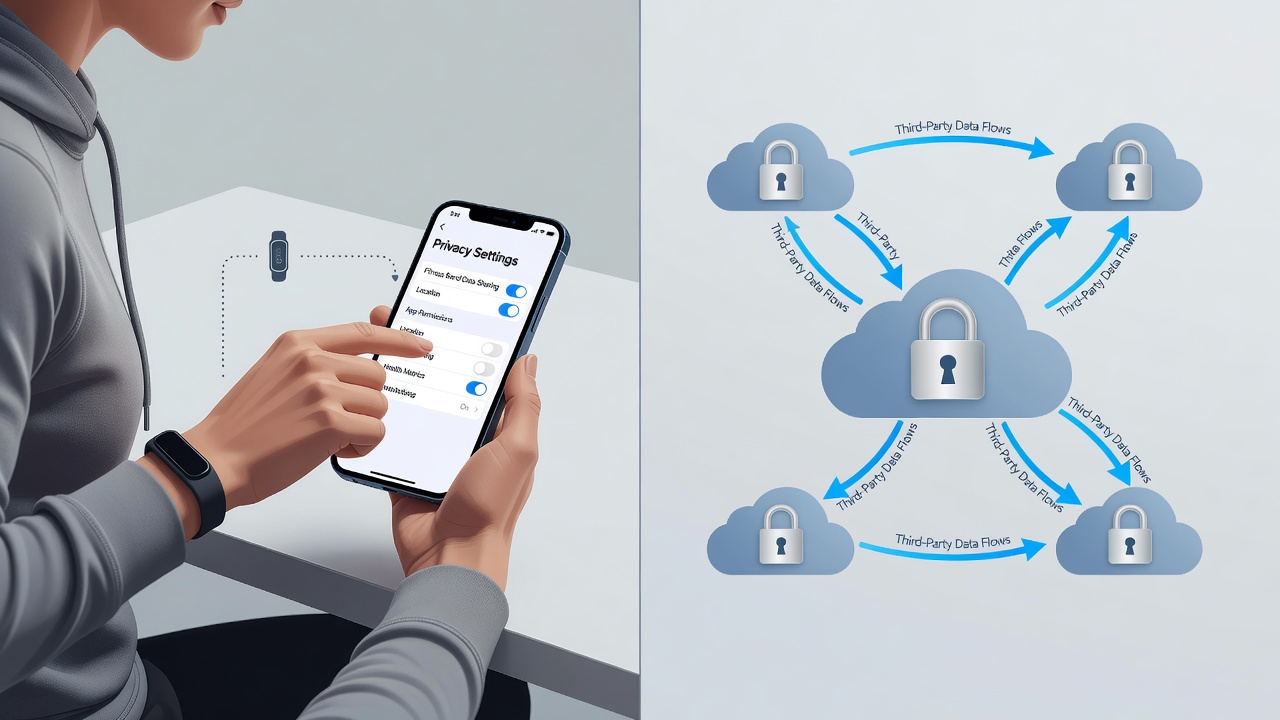
Connecting trackers to platforms like Apple Health or Google Fit expands functionality but multiplies exposure points. Shared data might reach insurers or employers through partnerships. Always audit connected services and revoke access for unused apps to minimize unintended disclosures. Real examples include fitness apps that sell aggregated insights to corporate wellness programs, potentially affecting employment decisions. Users who link their Oura data to meditation apps may inadvertently allow broader access to sleep patterns that indicate chronic stress. Reviewing each integration's privacy policy before activation is a necessary step that many overlook.
Regulatory Compliance Landscape for Wearables
Frameworks such as GDPR and emerging U.S. state laws influence how companies operate. Compliance varies, with some brands achieving certifications while others lag. FTC resources provide oversight on deceptive practices, helping consumers understand rights regarding data access and deletion requests. By 2026, updated rules emphasize explicit consent for biometric data and mandatory breach notifications within 72 hours. Companies operating internationally must also navigate varying requirements across regions, leading to inconsistent protections for users depending on their location. Checking a brand's compliance certifications on their website offers reassurance but does not replace personal vigilance.
Practical Steps to Adjust Privacy Settings
Start by logging into each device's companion app and navigating to the privacy or account settings menu. Enable data minimization features that limit collection to essential metrics only. Disable location tracking and limit sharing with social or research features. Request data exports regularly to review what is stored and identify unnecessary entries. Use device-specific toggles to opt out of personalized advertising where available. For Oura users, visit the membership portal to adjust sharing preferences and set automatic deletion schedules. Whoop members can manage integrations through the app's connections tab and request full account purges. Set calendar reminders every three months to re-audit all connected services. These steps, when followed consistently, significantly reduce exposure while preserving core tracking benefits.
Comparison of Opt-Out Features Across Devices
- Oura: Offers granular controls for data sharing and deletion requests via its portal, including options to exclude specific metrics from third-party reports and schedule automatic data wipes after 90 days of inactivity.
- Whoop: Provides strong defaults for encryption but requires manual review of third-party links; users can fully disconnect integrations and request permanent removal of historical strain and recovery data with a 30-day processing window.
- Other brands: Vary widely; some allow full account deletion while others retain anonymized records indefinitely. Popular alternatives like Fitbit now include one-click opt-outs for health data sales, whereas lesser-known trackers may lack dedicated support for such requests.
Real-World Examples of Data Concerns
Cases have surfaced where aggregated sleep metrics influenced insurance premiums or were accessed during legal proceedings. In one documented incident, a user's detailed sleep logs were subpoenaed in a custody dispute, revealing patterns that became evidence. Another example involved a corporate wellness program that used anonymized Whoop data to flag employees with poor recovery scores for mandatory coaching. These highlight the importance of understanding ownership clauses in user agreements before committing long-term. Additionally, researchers have demonstrated how seemingly harmless sleep data can be re-identified when combined with public records, underscoring the need for proactive privacy management.
Mistakes to Avoid When Managing Wearable Privacy
Many users skip reading updated terms of service after initial setup, missing changes in data-sharing policies. Others grant broad permissions to new integrations without checking downstream recipients. Failing to enable two-factor authentication on accounts leaves data vulnerable to unauthorized access. Ignoring firmware update notifications can expose devices to known exploits. Avoiding these common pitfalls requires building privacy checks into regular device maintenance routines.
FAQ on Data Ownership and Security
Who owns my sleep data?
Typically the company retains rights to processed insights, though raw data ownership policies differ by brand. Some explicitly state that users retain ownership of raw biometric inputs while granting licenses for analysis.
Can I delete my information permanently?
Most platforms allow deletion requests, but confirm timelines and residual anonymized copies. Complete erasure often requires contacting support directly after using in-app tools.
How do regulations protect me in 2026?
Updated privacy laws emphasize consent and transparency, empowering users to challenge improper use. Individuals can file complaints with oversight bodies if companies fail to honor deletion or access requests.
What happens if a breach occurs?
Companies must notify affected users promptly under current rules, providing details on exposed data types and recommended protective actions such as monitoring credit reports.
Are there differences between free and paid tiers?
Paid subscriptions often include more advanced privacy controls and faster support for data requests, while free tiers may have fewer options for limiting third-party access.
Conclusion
Staying informed empowers better decisions when using sleep wearables. By implementing the outlined strategies and monitoring compliance updates, individuals can enjoy insights while safeguarding privacy effectively. Regular review of settings and staying aware of regulatory changes ensures ongoing protection in this rapidly evolving landscape.

No comments yet. Be the first!