 Slow Bio Hack

Introduction to Sustainable Wearable Tech
In 2026, eco-conscious consumers are increasingly seeking fitness trackers that prioritize both performance and planetary health. Traditional devices from brands like Oura and Whoop often rely on resource-intensive materials and short battery cycles, contributing to growing e-waste streams. Sustainable alternatives focus on recycled components, longer-lasting batteries, and transparent carbon reporting to support long-term wellness without compromising data accuracy for sleep tracking and recovery metrics. This comprehensive guide examines key considerations for choosing green wearables, highlights practical evaluation steps, and shares real-user insights on transitioning to more responsible options that maintain high precision in monitoring sleep stages, heart rate variability, and overall recovery.
By understanding the full lifecycle of these devices, users can make informed decisions that align personal health goals with broader environmental responsibility. The market has evolved to offer robust alternatives that integrate seamlessly with modern apps while emphasizing ethical sourcing and repairability.
Why Sustainability Matters in Sleep Tracking Devices
Wearable tech has grown rapidly, but its environmental footprint includes mining rare earth minerals and frequent device replacements that end up in landfills. Sustainable models address this by using bio-based plastics, responsibly sourced metals, and modular designs that extend product life. These choices align with broader wellness goals, as reduced e-waste supports cleaner ecosystems that benefit overall health and reduce exposure to toxins in communities near disposal sites. Carbon footprint comparisons reveal that devices with extended battery longevity can significantly lower emissions over their lifecycle compared to standard models, based on industry reports from organizations tracking electronics sustainability. Choosing such trackers also encourages manufacturers to adopt better practices, creating a positive feedback loop in the industry.
Key Factors in Eco-Friendly Fitness Trackers
Material Sourcing and Certifications
Look for trackers made from recycled ocean plastics or plant-derived polymers that reduce reliance on virgin resources. Green certifications such as Fair Trade or Cradle to Cradle provide verifiable standards for ethical production. Practical steps for evaluation include checking manufacturer transparency reports and verifying third-party audits on official sites like ISO standards resources. This ensures claims about recycled content and low-impact manufacturing are backed by evidence rather than marketing alone.
Battery Longevity and Repairability
Long battery life reduces charging frequency and replacement needs, directly cutting down on energy consumption and waste. Prioritize models with user-replaceable batteries and repair programs that allow easy part swaps. This not only lowers long-term ownership burdens but also decreases electronic waste significantly, supporting circular economy principles in consumer electronics.
App Integration for Recovery Metrics
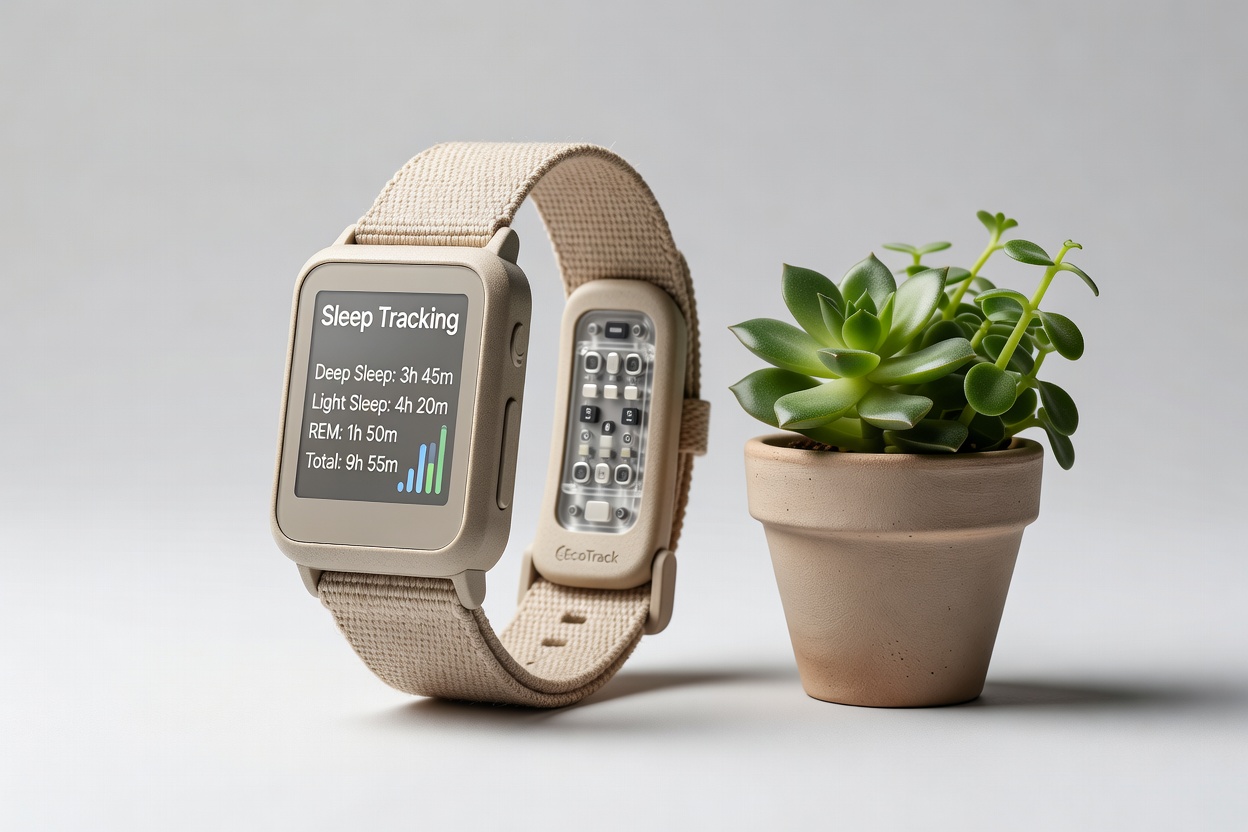
Modern sustainable trackers sync with apps offering detailed sleep stage analysis, HRV tracking, and recovery scores. These insights help users optimize rest without relying on energy-intensive cloud data centers. Integration features often include personalized recommendations based on movement patterns and environmental factors, enhancing the value of sleep data for daily wellness routines.
Carbon Footprint Comparisons Across Popular Options
When comparing devices, consider full lifecycle assessments that account for production, usage, and disposal phases. Sustainable models typically score better due to lower material intensity and extended usability periods. For example, users switching from frequent-upgrade mainstream options report measurable reductions in their personal tech-related emissions. This data helps highlight how small choices in wearable selection contribute to larger climate goals while delivering reliable fitness and sleep insights.
Real-User Examples of Switching Devices
Many users report successful transitions. For instance, a biohacker who replaced a mainstream ring with a modular band noted improved sleep data consistency after six months, attributing it to better skin-contact sensors made from recycled materials. Another user switched for environmental reasons and appreciated the reduced charging demands, leading to more consistent tracking during travel and outdoor activities. A third example involves a wellness coach who integrated a sustainable tracker into client programs, observing higher adherence rates because the device felt more aligned with values around health and sustainability. These stories demonstrate that performance does not need to be sacrificed when prioritizing eco-friendly designs.
Practical Steps for Evaluating Green Certifications
- Review product lifecycle assessments on brand websites to understand material origins and end-of-life options.
- Verify carbon offset programs through recognized bodies and ensure they are third-party verified.
- Test app usability for accurate sleep metrics before purchase by downloading trial versions where available.
- Compare repair policies and end-of-life recycling options to confirm ease of maintenance.
- Assess material sourcing claims against independent audits from organizations focused on electronics responsibility.
- Evaluate battery replacement programs and their availability in your region for long-term usability.
Mistakes to Avoid When Choosing Sustainable Trackers
Common pitfalls include overlooking repairability in favor of initial aesthetics or assuming all green claims are equal without verification. Users should also avoid devices with proprietary software that locks them into ecosystems without data export options, which can limit long-term flexibility. Another mistake is ignoring regional recycling infrastructure, which affects how easily the device can be disposed of responsibly at end of life.
Balancing Performance with Sustainability: FAQs
Do eco-friendly trackers sacrifice accuracy?
No. Many 2026 models maintain high precision in sleep tracking through advanced sensors while using sustainable builds, matching or exceeding mainstream performance in independent tests.
How can I minimize my device's carbon footprint?
Choose longer-battery options, enable low-power modes, and participate in brand recycling initiatives. Regular software updates also extend device usability without needing replacements.
Are there government resources for sustainable electronics?
Yes, consult resources from environmental agencies such as EPA guidelines on electronics for recycling and responsible purchasing tips.
What role does app data play in sustainable use?
Apps that provide offline analysis reduce energy demands from constant syncing, helping balance performance with lower environmental impact during daily use.
How do these devices support long-term wellness?
Accurate recovery metrics encourage better sleep habits that compound over time, while the sustainable design aligns personal health with planetary health for holistic benefits. Consult sources like World Health Organization health resources for broader context on sleep and wellbeing.
Conclusion
Selecting sustainable fitness trackers for sleep tracking empowers users to pursue wellness goals responsibly. By focusing on materials, battery life, certifications, and real-world performance, consumers can enjoy precise recovery data while supporting environmental stewardship in 2026 and beyond. This approach ensures that health optimization contributes positively to the planet rather than adding to its burdens.


No comments yet. Be the first!