 Slow Bio Hack
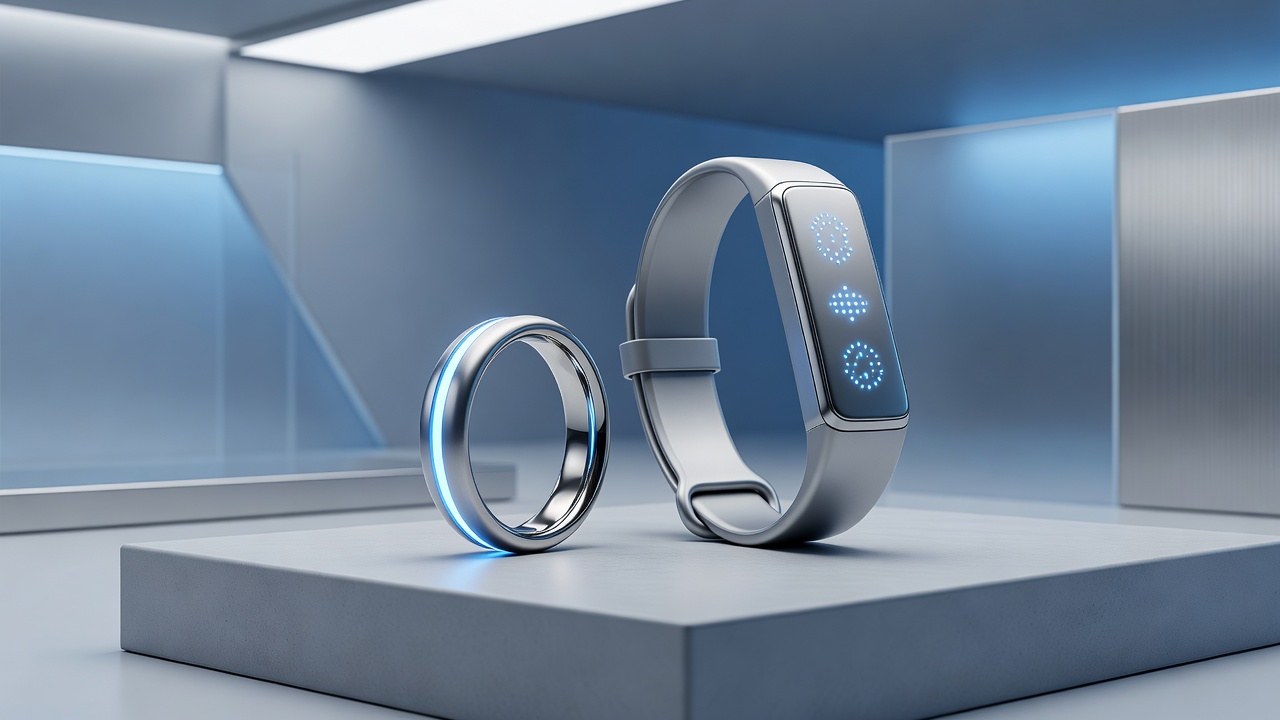
Introduction to 2026 Wearable Tech Evolution
The wearable technology landscape is evolving rapidly, moving past the foundational models from Oura and Whoop. Users seeking advanced sleep tracking and fitness insights now look toward innovations that integrate deeper biometrics, smarter AI, and ethical design. This forward-looking guide examines what comes next in 2026, helping biohackers and health enthusiasts make informed decisions. As consumers demand more precise data on recovery, sleep cycles, and overall wellness, manufacturers are responding with devices that go far beyond basic step counting and heart rate monitoring. The shift emphasizes holistic health optimization, where wearables not only track but also predict and guide lifestyle adjustments for better long-term outcomes.
Top 5 Wearable Tech Trends for 2026
- Enhanced Biometric Sensors: Next-generation devices will feature multi-wavelength optical sensors and continuous glucose monitoring integration for more accurate recovery data. These sensors allow for real-time analysis of blood oxygen levels, skin temperature variations, and even stress hormones through sweat analysis. For example, imagine a fitness band that alerts you to potential dehydration before it affects your workout performance, using data points collected from multiple body locations simultaneously.
- Seamless Ecosystem Integrations: Expect tighter connections with smart home systems and health platforms, allowing real-time data sharing across devices. A 2026 wearable could automatically adjust your bedroom lighting and thermostat based on detected sleep stages, creating an environment optimized for restorative rest without any manual intervention.
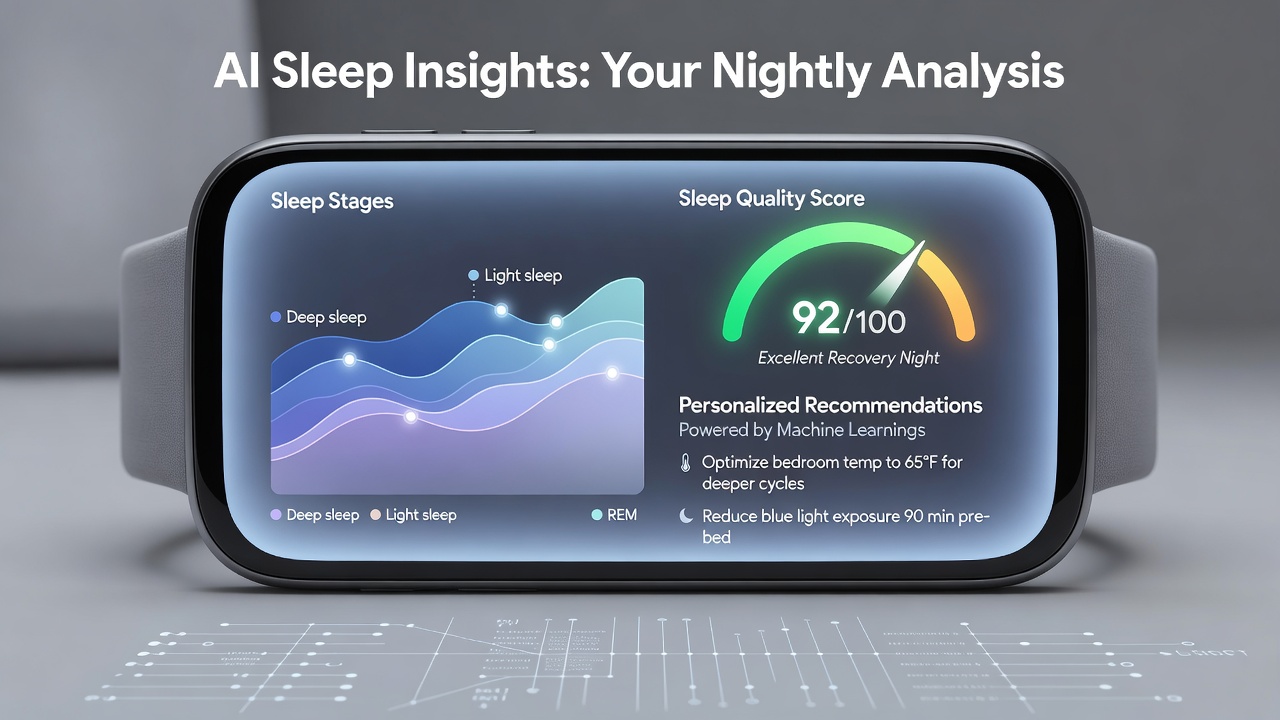
- AI-Driven Personalization: Machine learning will deliver hyper-customized recommendations based on individual sleep patterns and activity levels. This goes beyond generic advice by learning your unique circadian rhythms over weeks and months, suggesting optimal workout times or nutrition tweaks tailored exactly to your physiology.
- Privacy-First Architectures: New entrants prioritize on-device processing to minimize cloud data exposure. This means sensitive health metrics stay local to your device unless you explicitly choose to share them, reducing risks associated with data breaches common in earlier cloud-heavy models.
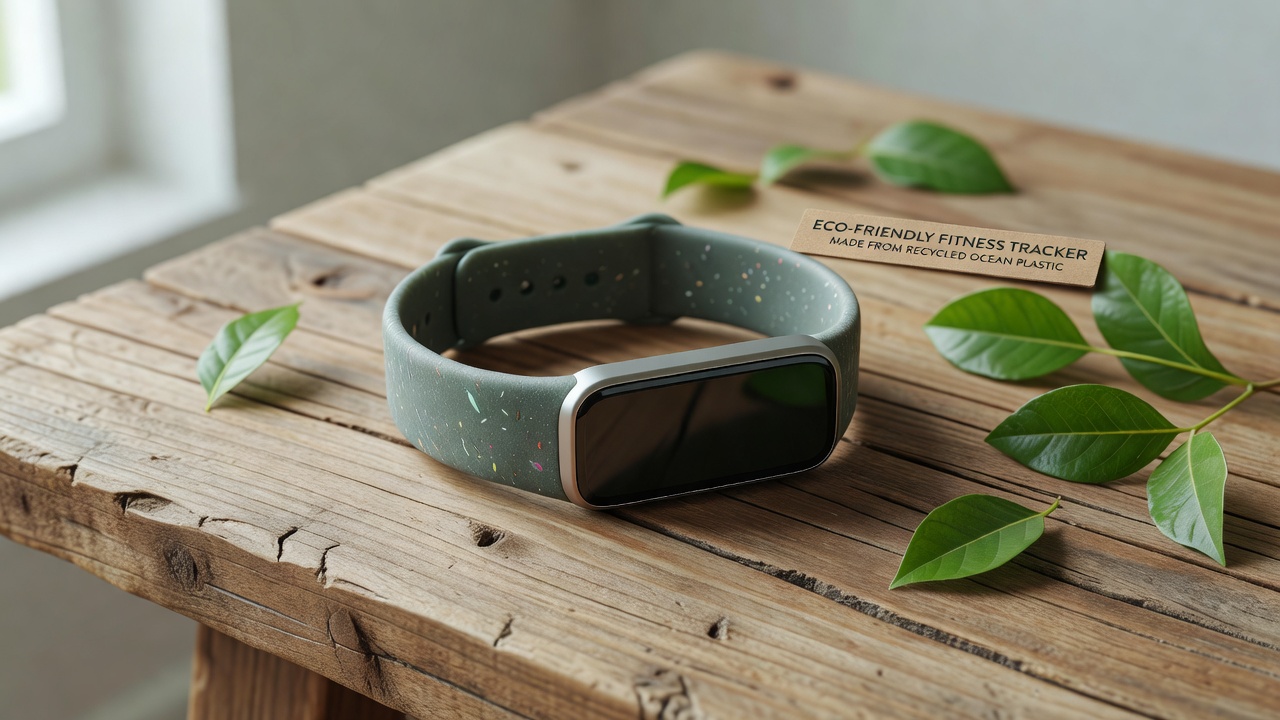
- Sustainability Features: Recycled materials and energy-harvesting tech will define eco-conscious wearables. Solar-powered charging combined with modular designs for easy repairs extend device lifespan, appealing to environmentally aware users who want their tech upgrades to align with sustainable living principles.
These trends build on current capabilities while addressing gaps in accuracy and user control, ensuring wearables become indispensable tools rather than occasional accessories.
Comparisons to Existing Oura and Whoop Models
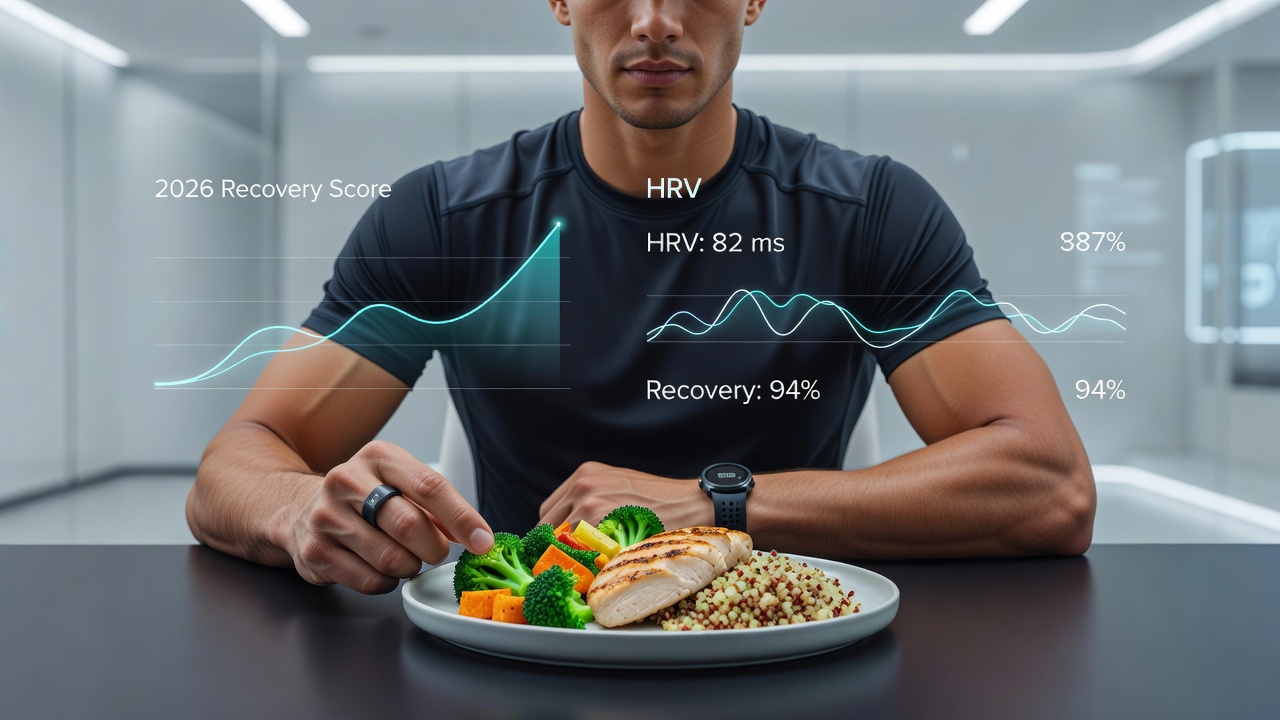
While Oura excels in ring-based sleep staging and Whoop focuses on strain scoring, 2026 devices will surpass them with hybrid form factors. For instance, upcoming bands may combine Whoop's recovery algorithms with Oura's temperature tracking, enhanced by additional metrics like heart rate variability from multiple body sites. Users report that legacy models sometimes lag in real-time feedback, a shortfall future iterations aim to resolve through edge computing. In practice, this means a new device might provide instant coaching during a run by comparing your current biometrics against historical data, something current Oura and Whoop setups handle more retrospectively through app notifications.
New Market Entrants in Fitness Trackers
Beyond established players, startups are introducing specialized trackers targeting niche needs like athletic performance or clinical-grade sleep analysis. These devices often incorporate novel sensors not yet standard in Oura or Whoop ecosystems. Examples include earbuds with embedded EEG for brainwave monitoring during sleep or patches that track muscle recovery at the cellular level. Such entrants challenge the market by offering modular add-ons, allowing users to customize their setup based on specific goals like marathon training or managing chronic conditions.
Privacy Enhancements in Wearable Tech
Data security remains paramount. Innovations include end-to-end encryption and user-controlled data silos. For authoritative guidance on digital health privacy, refer to resources from NIST. Additionally, many 2026 models will feature transparent consent dashboards where users can audit exactly how their information is used, fostering greater trust. This is especially critical as wearables collect increasingly intimate details, from nightly breathing patterns to emotional stress indicators derived from voice analysis during calls.
Sustainability Features Driving Adoption
Manufacturers are shifting to biodegradable components and solar-assisted charging. This aligns with broader environmental goals, as highlighted by global health organizations like WHO. Users can expect devices built with ocean-recycled plastics and carbon-negative production processes. Over time, this reduces electronic waste while maintaining high performance, encouraging longer ownership cycles instead of frequent replacements. Practical benefits include lower energy consumption during daily charging and the ability to recycle components easily at end of life through manufacturer take-back programs.
Practical User Adoption Steps
Transitioning to next-generation wearables requires thoughtful planning to maximize value. Start by assessing your current device's limitations in sleep optimization through a detailed review of your past month's data logs. Next, research compatibility with existing apps and ecosystems, ensuring the new device integrates smoothly with tools you already use for nutrition or meditation tracking. Pilot new features through beta programs or early-access trials offered by forward-thinking brands to test real-world performance. Evaluate long-term value by comparing upgrade costs against projected health benefits, such as improved sleep quality leading to better daily productivity. Finally, monitor firmware updates for ongoing AI improvements and participate in community forums to learn from early adopters' experiences with privacy settings and sustainability claims.
AI Personalization and Sleep Optimization in Depth
AI in 2026 wearables will analyze vast datasets to predict sleep disruptions days in advance. For instance, if your device notices a pattern of elevated heart rate correlating with late caffeine intake, it might proactively suggest earlier cutoffs. This level of personalization extends to integrating environmental data like local air quality from public sources, providing a complete picture for optimizing rest. Compared to static algorithms in older models, these dynamic systems adapt weekly, making them ideal for shift workers or frequent travelers adjusting to new time zones.
FAQs on Upgrade Decisions and Long-Term Value
When should I upgrade from my current Oura or Whoop?
Consider upgrading if your device lacks upcoming sensor capabilities or if AI personalization would significantly improve your sleep optimization routine. Many users find value in waiting for the first major firmware updates post-launch to confirm stability.
Do new wearables offer better long-term value?
Yes, through improved accuracy and sustainability, newer models often provide greater ROI via enhanced data insights over time. They also tend to support longer software support cycles, extending usability.
How do privacy features impact daily use?
They enable secure sharing with healthcare providers without compromising personal data control, allowing seamless integration into medical consultations while keeping sensitive information protected.
Conclusion
2026 marks a pivotal year for wearable tech, emphasizing innovation beyond today's leaders. By focusing on these trends, users can optimize their health journeys effectively with tools that are more intelligent, secure, and environmentally responsible.
No comments yet. Be the first!