 Slow Bio Hack
Introduction to Nutrition Syncing with Wearables
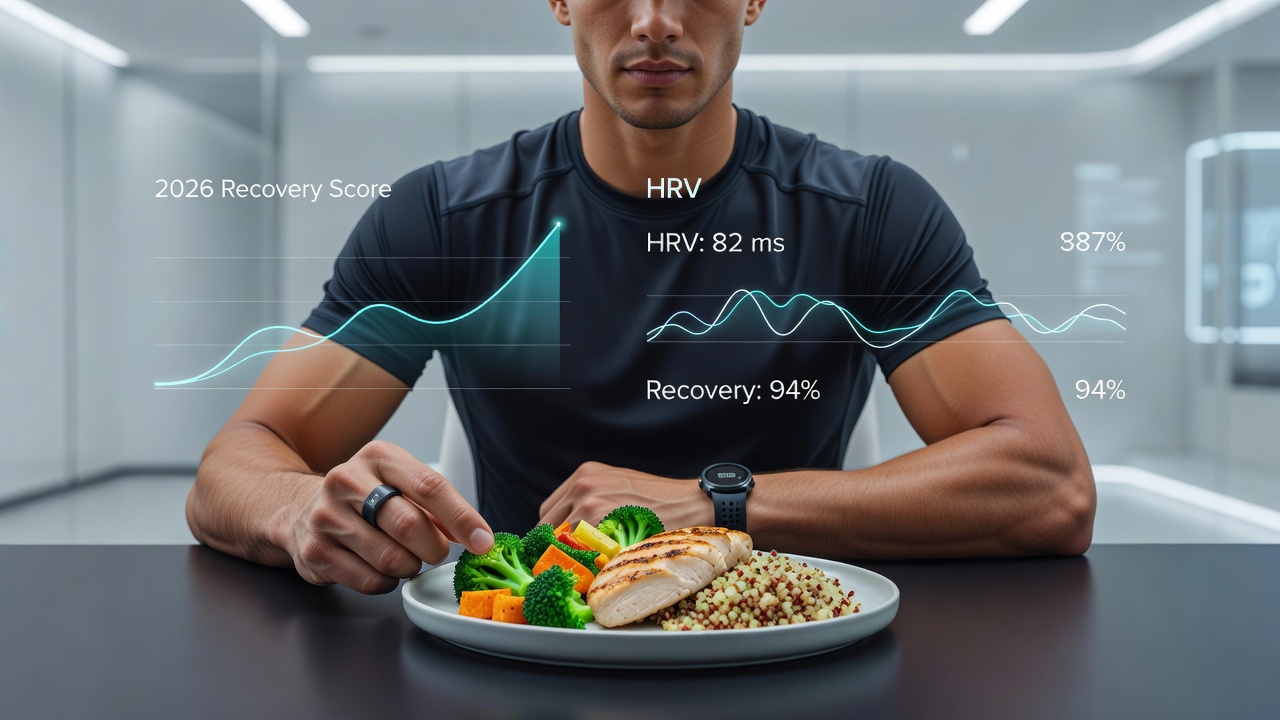
In 2026, athletes and biohackers are moving beyond basic step counts and sleep tracking. Integrating nutrition data with devices like Oura and Whoop delivers deeper insights into how meals influence heart rate variability (HRV), readiness scores, and overall recovery. This approach supports holistic health by combining dietary choices with biometric feedback for optimized performance and long-term wellness outcomes.
Syncing nutrition platforms with these wearables allows users to see real-time correlations between macronutrient intake and physiological responses. Whether you're aiming for better sleep or faster recovery from training, understanding these connections provides actionable strategies that go far beyond simple calorie counting. The result is a more complete picture of how daily food choices directly shape recovery metrics tracked by both Oura and Whoop.
Understanding the Synergy Between Nutrition and Biometrics
Both Oura and Whoop excel at capturing physiological signals, yet nutrition remains one of the most influential external factors affecting those signals. When users combine logged meals with HRV, resting heart rate, and sleep stage data, patterns emerge that reveal exactly which foods support or hinder recovery. This synergy transforms isolated tracking into a powerful feedback loop for continuous improvement.
Many enthusiasts discover that consistent macro balancing leads to steadier energy levels and fewer overnight awakenings. By viewing nutrition and wearable metrics together, individuals can identify personal thresholds, such as the precise carbohydrate amount that supports training without compromising next-day readiness scores.
Key Metrics: How Macros Affect HRV
Heart rate variability serves as a primary indicator of recovery in both Oura and Whoop. Research shows that balanced macronutrient intake, particularly adequate protein and healthy fats, can positively influence HRV levels. High carbohydrate meals close to bedtime may temporarily lower HRV, while consistent protein consumption supports stable readings throughout the day and night.
Users tracking macros alongside wearable data often notice patterns: increased fiber intake correlates with improved overnight HRV, whereas excessive processed sugars can lead to noticeable dips. Monitoring these trends helps refine daily nutrition plans for sustained recovery gains. Protein-rich breakfasts, for instance, frequently stabilize morning HRV readings, allowing users to start the day with higher baseline recovery.
Optimizing Food Timing for Readiness Scores
Readiness scores in Oura and strain/recovery metrics in Whoop are heavily impacted by when you eat. Consuming larger meals earlier in the day aligns with circadian rhythms and supports higher morning readiness. Late-night eating, especially heavy proteins or fats, can disrupt sleep architecture and lower next-day scores by several points.
Practical timing strategies include finishing dinner at least three hours before bed and spacing meals to avoid blood sugar spikes. This method enhances both devices' ability to predict recovery accurately based on combined nutrition and biometric data. Athletes who shift their largest meal to lunch often report sustained energy and elevated readiness scores the following morning.
App Integrations with Popular Nutrition Platforms
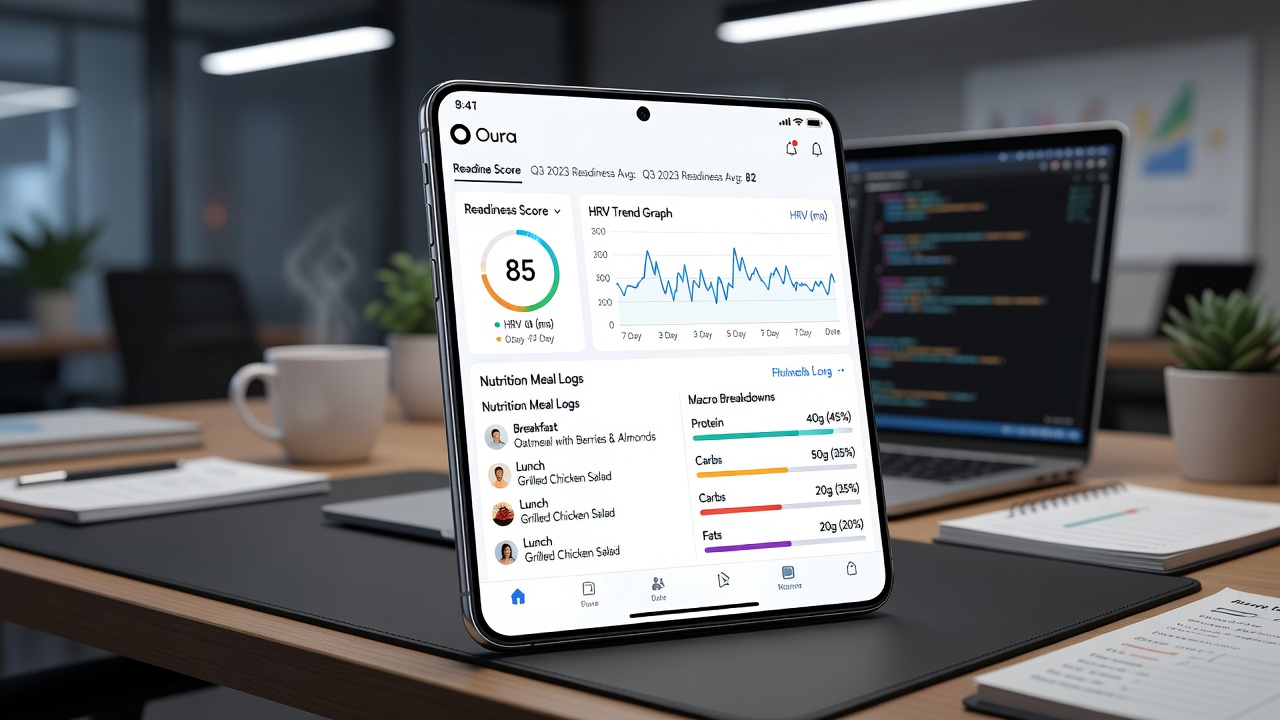
Seamless syncing occurs through apps like MyFitnessPal, Cronometer, and Apple Health. Oura integrates directly with select platforms to import calorie and macro data, while Whoop users leverage third-party connectors for similar functionality. These connections pull meal logs into wearable dashboards for unified views that highlight cause-and-effect relationships.
For best results, enable permissions in each app and verify data flow daily. Authoritative resources such as World Health Organization guidelines emphasize balanced nutrition that complements these tech integrations. Similarly, CDC nutrition resources provide foundational advice on dietary patterns that enhance recovery tracking, while National Institutes of Health publications offer evidence-based insights into how specific nutrients affect autonomic function.
Practical Steps to Log Meals and Interpret Insights
- Connect your nutrition app to Oura or Whoop via the respective settings menu and grant necessary permissions for data sharing.
- Log meals immediately after eating for accurate timestamps that align with biometric events captured throughout the day.
- Review daily reports focusing on HRV trends post-meal and readiness changes to spot immediate impacts.
- Adjust intake based on patterns, such as increasing carbs on high-strain days or reducing fats before rest periods.
- Export combined data weekly to spot long-term improvements in recovery metrics and refine your overall plan.
- Cross-reference sleep stage breakdowns with evening meal composition to fine-tune timing further.
Real-World Examples from Fitness Enthusiasts
Marathon runners report using Oura's sleep scores alongside macro logs to time carbohydrate loading effectively, resulting in consistent readiness above 85. CrossFit athletes syncing Whoop data note that evening protein shakes improve HRV by stabilizing overnight recovery when timed correctly after evening sessions.
One user documented a 15% HRV improvement after shifting heavy meals earlier, validated through both wearables over a six-week period. Another endurance cyclist discovered that adding magnesium-rich foods at lunch increased deep sleep duration by nearly 30 minutes, as confirmed by Oura ring data. These examples illustrate how nutrition integration turns raw data into personalized recovery wins that compound over months of consistent use.
Interpreting Combined Data for Holistic Health
Combined insights reveal how nutrition influences sleep stages and autonomic nervous system balance. Low readiness paired with high evening carbs signals a need for earlier meal cutoffs. High HRV with balanced macros confirms effective strategies that users can replicate across training cycles.
Users should cross-reference multiple days to avoid overreacting to single outliers. This depth supports decisions that extend beyond tracking into true optimization, helping individuals build sustainable habits that improve both performance and daily well-being.
Common Mistakes to Avoid
Many users make the error of logging meals inconsistently, which breaks the correlation between nutrition and biometric trends. Another frequent mistake is ignoring hydration data, as fluid intake significantly affects HRV readings alongside food choices. Over-reliance on single-day metrics instead of weekly averages can also lead to misguided adjustments in diet or training load.
FAQ: Syncing Challenges and Data Accuracy Tips
How do I fix failed syncs between apps?
Reauthorize connections in settings and ensure all apps run the latest versions. Restart devices if data lags persist for more than a few hours.
Are nutrition logs always accurate with wearables?
Logs depend on user input precision. Cross-check entries with photos or scales for better alignment with HRV and readiness data across both Oura and Whoop.
What if my readiness score doesn't match meal timing?
Consider other factors like stress or hydration. Nutrition is one variable; review full trends over weeks for clarity and adjust accordingly.
Can beginners start without advanced apps?
Yes, manual logging in built-in notes features works initially, then progress to full integrations as familiarity grows.
How often should I review combined reports?
Weekly reviews provide the best balance between actionable detail and avoiding daily noise from minor fluctuations.
Conclusion
Integrating nutrition with Oura and Whoop transforms recovery tracking into a powerful, data-driven system. By focusing on macros, timing, and seamless app connections, users achieve meaningful improvements in sleep and overall wellness. Start with basic syncs today to unlock 2026 recovery wins that support both athletic performance and everyday vitality.

No comments yet. Be the first!