 Slow Bio Hack
Introduction to Fitness Tracker Accuracy in 2026
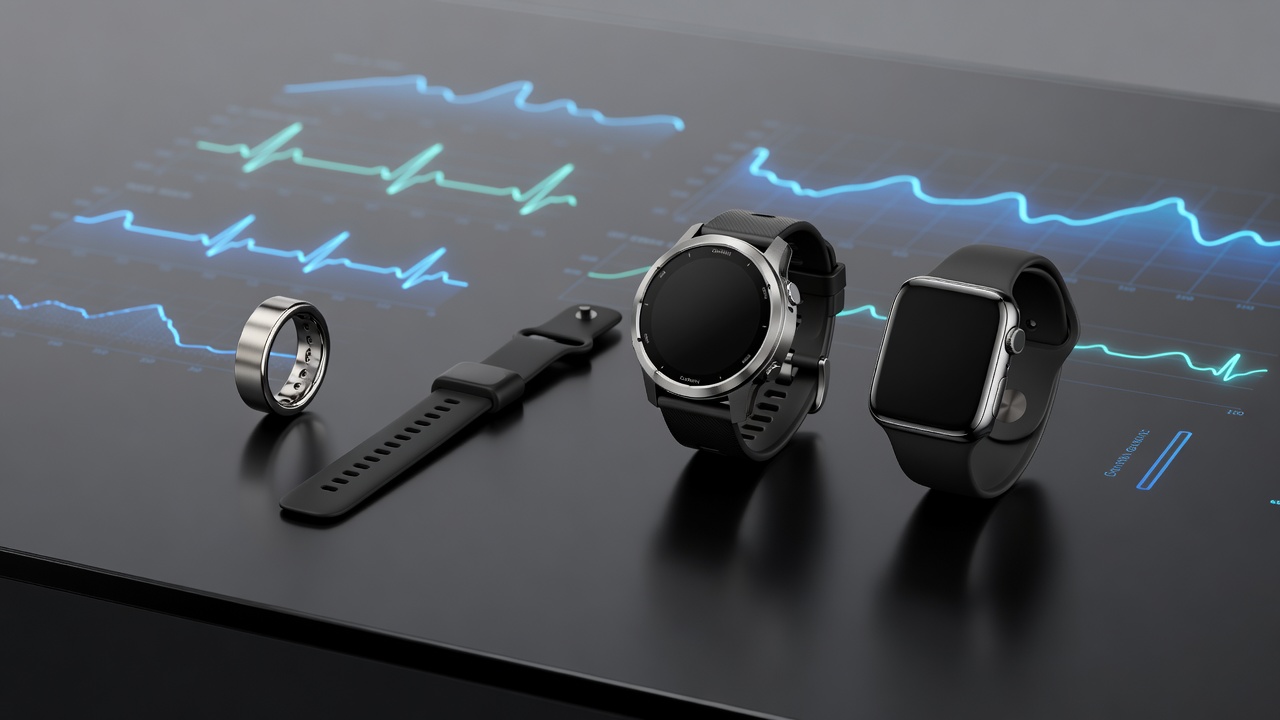
Fitness enthusiasts increasingly rely on wearables to guide training decisions, recovery protocols, and overall health optimization. Devices from Oura, Whoop, and competitors promise precise data on steps, heart rate, and calorie expenditure, yet real-world performance often varies. This guide examines tested accuracy across popular models, highlights common discrepancies, and provides actionable steps to improve readings. Serious athletes need trustworthy metrics because even small errors in heart rate can lead to overtraining or insufficient recovery periods.
Understanding device limitations helps users interpret data correctly and avoid misguided adjustments to workouts or nutrition plans. Factors such as skin tone, motion artifacts, and sensor placement play significant roles in measurement reliability. In 2026, advancements in sensor technology have narrowed some gaps, but baseline testing remains essential for anyone using these tools to make data-driven fitness choices.
Key Metrics and How They Are Measured
Steps are typically tracked via accelerometers that detect movement patterns. Heart rate monitoring relies on optical sensors using photoplethysmography (PPG) to detect blood flow changes. Calorie burn estimates combine heart rate data with user-inputted details like age, weight, and activity type. Each metric depends on proprietary algorithms that manufacturers refine over time through machine learning models trained on large user datasets.
Discrepancies arise because algorithms differ between brands. For example, optical heart rate sensors may struggle during high-intensity interval training due to rapid wrist movements. Users often notice that step counts from a ring differ from those on a wrist-based watch even when both devices are worn simultaneously during the same walk.
Testing Methodologies for Reliable Results
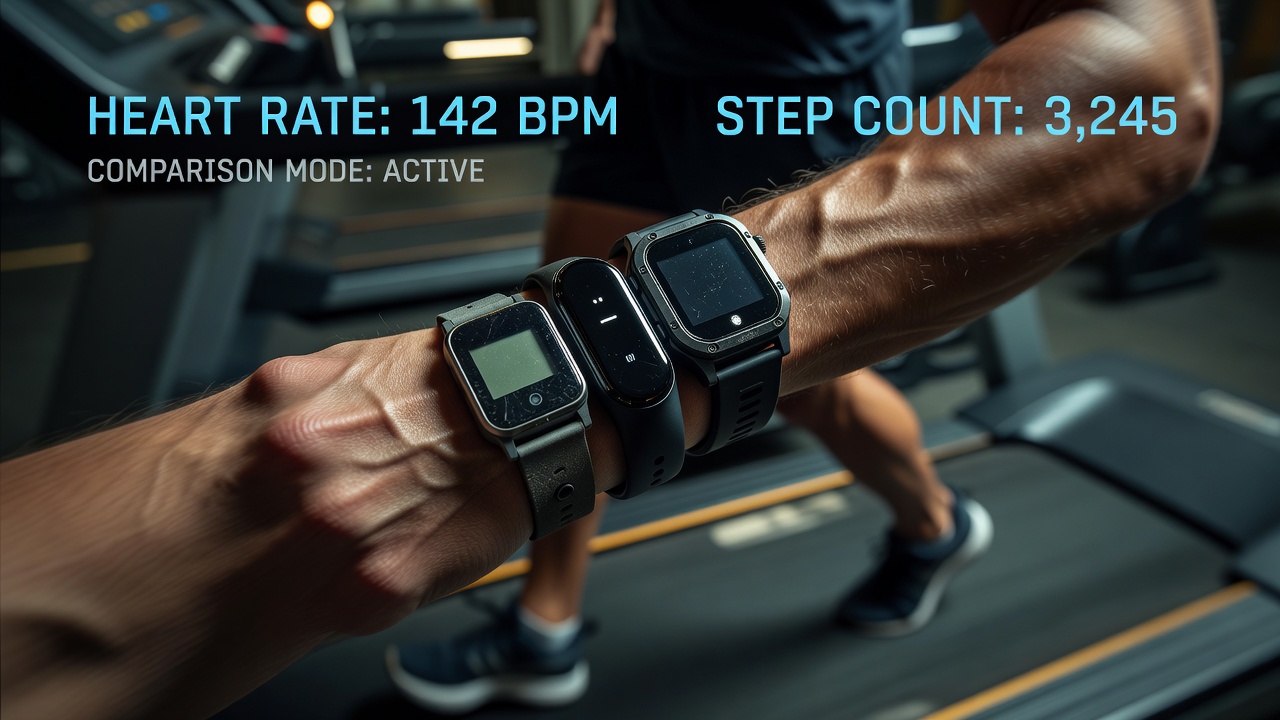
Controlled testing involves simultaneous wear of multiple devices during standardized activities. Users perform walking tests on treadmills, cycling sessions, and rest periods while logging manual counts or using medical-grade references like chest-strap ECG monitors. A typical protocol includes 10-minute bouts at varying intensities followed by immediate data export for comparison against reference values.
Daily user data examples show Oura often underestimates steps by 5-10% during casual movement compared to phone pedometers, while Whoop excels in heart rate stability during sleep but can lag during intense lifts. Extended field tests over multiple weeks reveal patterns that single-day lab sessions miss, such as drift caused by battery depletion or changes in skin contact from sweat.
Oura Ring Performance Breakdown
The Oura Ring uses a combination of infrared and green LEDs for heart rate. In side-by-side tests, it delivers strong accuracy for resting heart rate but shows variability in step counting when the ring shifts on the finger. Athletes who wear the ring on their non-dominant hand report more consistent readings during desk work and light activity. Recovery scores generated by Oura correlate well with subjective feelings of fatigue when users maintain consistent wear habits.
Whoop Strap Insights and Comparisons
Whoop focuses on strain and recovery scores derived from continuous heart rate. Its accuracy for calorie estimates improves when users calibrate with personal biometric data, though motion during sports can introduce noise. The strap version offers flexibility in placement on the upper arm or wrist, which some users find reduces motion artifacts compared to traditional wrist locations. Long-term subscribers note that Whoop data aligns closely with lab-based lactate threshold tests when averaged over several sessions.
Competing devices like Garmin watches and Apple Watch often provide closer step matches to manual counts but may overestimate calorie burn during non-cardio activities. Fitbit models tend to perform well for step accuracy in daily living but show larger variances in heart rate during weight training.
Mayo Clinic guidelines on heart rate monitoring emphasize validating wearable data against professional equipment periodically.
Factors Impacting Accuracy
Skin tone affects optical sensors because darker pigmentation absorbs more light, reducing signal quality in some devices. Users with deeper skin tones often benefit from wearing the device slightly tighter or choosing models with improved multi-wavelength LEDs introduced in recent generations. Motion artifacts occur when rapid arm swings or vibrations disrupt the sensor's ability to read blood flow accurately, leading to erratic heart rate spikes that do not reflect true cardiovascular effort.
Sensor placement matters greatly; a loose fit allows ambient light to interfere, while excessive tightness can restrict blood flow and distort readings. Environmental conditions such as cold weather or high humidity also influence battery performance and sensor sensitivity, sometimes causing temporary data dropouts during outdoor workouts.
Comparison Table of Popular Trackers
| Device | Step Accuracy | Heart Rate Accuracy | Calorie Estimate Reliability |
|---|---|---|---|
| Oura Ring | Moderate | High at rest | Moderate |
| Whoop | Low during activity | High continuous | High with calibration |
| Garmin Watch | High | High | Moderate |
| Apple Watch | High | Moderate during HIIT | Low |
Calibration Steps for Improved Readings
- Input accurate personal data including height, weight, and age into the companion app. Double-check these values every few months because body composition changes affect algorithm outputs.
- Perform a baseline test wearing the device alongside a validated chest strap for 30 minutes of varied activity. Record results in a spreadsheet to track improvements after adjustments.
- Adjust fit for optimal skin contact and repeat tests weekly. Many users discover that rotating the device position by a few millimeters produces noticeably steadier readings.
- Sync data with third-party apps like Apple Health or Google Fit to cross-reference metrics. This practice reveals systematic biases that single-app views hide.
Integration Tips with Fitness Apps
Export data from Oura and Whoop into platforms that allow custom dashboards. This enables tracking long-term trends and identifying patterns missed by individual apps. Regular firmware updates also enhance algorithm performance, so enabling automatic updates prevents outdated software from skewing results.
Combining data sources creates a more complete picture. For instance, pairing ring-based sleep metrics with watch-based activity logs helps athletes correlate recovery quality with daily strain levels more effectively than using either device alone.
National Institutes of Health resources provide additional context on wearable validation studies. CDC physical activity guidelines further support the value of accurate monitoring for meeting recommended activity levels safely.
Troubleshooting Checklist
- Verify device firmware is up to date.
- Ensure tight but comfortable fit against skin.
- Restart the device and re-pair with phone.
- Check for interference from tattoos or lotions on sensor area.
- Compare readings across multiple days under similar conditions.
- Contact support if persistent offsets exceed 15% versus reference devices.
Frequently Asked Questions on Data Validation
How often should I validate my tracker against medical devices?
Perform validation every three months or after major firmware updates to maintain confidence in readings. Seasonal changes in activity level may warrant extra checks.
Can skin tone really affect results?
Yes, research indicates optical sensors perform less accurately on darker skin tones without specific algorithmic adjustments. Newer models with multiple LED colors mitigate this issue for many users.
Are calorie estimates trustworthy for weight management?
They serve as directional guides but should be combined with dietary tracking and professional advice rather than used in isolation. Over-reliance on these numbers can lead to frustration when actual body composition changes differ from predictions.
What is the best way to handle data gaps during intense workouts?
Cross-reference with a secondary device or manual perceived exertion scale. Logging subjective effort alongside objective numbers helps fill gaps and maintain training consistency.
Conclusion
Accurate fitness tracking in 2026 requires understanding device strengths and limitations. By following structured testing, calibration, and integration practices, serious athletes can extract maximum value from Oura, Whoop, and similar wearables while minimizing the impact of common discrepancies. Consistent validation against trusted references ensures that the numbers guiding your training remain both reliable and actionable over time.

No comments yet. Be the first!