 Slow Bio Hack
Introduction to Sustainable Slow Living
In 2026, environmentally aware readers are increasingly turning to sustainable slow living as a powerful method for reducing daily stress while aligning personal habits with planetary health. This approach integrates eco-conscious decisions into deliberate, unhurried routines that cultivate mindfulness and emotional resilience. Rather than relying on fleeting wellness trends, sustainable slow living builds lasting habits around zero-waste meal preparation, thoughtful consumption, and gentle connections with nature. These elements work together to lower cortisol levels, decrease mental clutter, and foster a sense of purpose. Unlike conventional fast-paced lifestyles that often amplify anxiety through constant consumption and disconnection, this framework encourages presence and intentionality. Readers seeking practical stress-reduction methods will find step-by-step guidance, practitioner examples, and clear comparisons throughout this guide that demonstrate measurable improvements in well-being.
Zero-Waste Meal Prep: Expanded Step-by-Step Guide
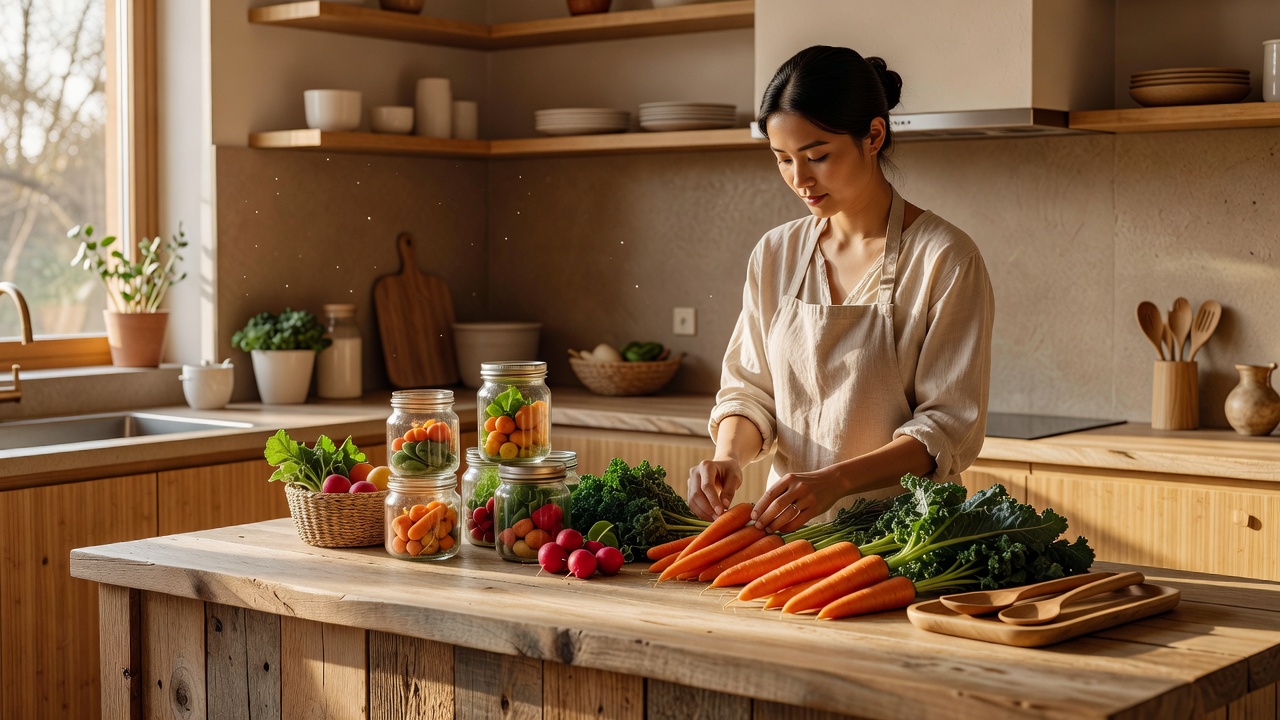
Zero-waste meal prep forms the foundation of many sustainable slow living routines by minimizing packaging waste and promoting mindful eating. Begin by conducting a thorough kitchen audit to identify reusable items such as glass jars, cloth bags, and stainless steel containers. Source ingredients from local farmers markets or community-supported agriculture programs to reduce transportation emissions. Next, create a weekly meal plan centered on seasonal produce to prevent overbuying and spoilage. Batch-cook staples like grains, legumes, and roasted vegetables on a designated day, storing them in clearly labeled jars for quick assembly throughout the week. After each preparation session, immediately compost vegetable scraps and rinse containers for reuse. Practitioners in urban areas often share success stories of transforming chaotic weeknight dinners into calm, ritualistic experiences that reduce decision fatigue. For instance, one individual replaced plastic-wrapped convenience foods with home-prepped salads in reusable containers, noting a 30 percent drop in perceived stress after six weeks. In comparison to standard rushed meal approaches that rely on takeout containers and processed items, zero-waste prep cuts household landfill contributions substantially while building appreciation for food origins and preparation processes.
Mindful Consumption Rituals for Sustained Calm
Mindful consumption rituals help interrupt the cycle of impulsive buying that contributes to both environmental harm and personal stress. Establish a recurring weekly practice of reviewing possessions and needs: examine your wardrobe or pantry, identify unused items for donation or repurposing, and compile a concise list of true essentials. Incorporate breathing exercises or short meditations before any purchase decision to evaluate necessity and ecological footprint. Real-world examples include professionals who shifted from frequent online shopping sprees to mending and upcycling sessions, reporting fewer episodes of buyer's remorse and heightened satisfaction with existing belongings. Another practitioner integrated digital detox periods during consumption reviews, leading to clearer focus and reduced screen-related anxiety. Standard consumption patterns frequently result in cluttered spaces and ongoing financial pressure, whereas these eco-routines promote clarity and contentment. Pairing rituals with simple affirmations about sustainability can further deepen mindfulness. Authoritative resources such as World Health Organization materials underscore how decreased material stress supports overall mental health outcomes.
Low-Impact Nature Connections and Their Benefits
Low-impact nature connections provide accessible ways to recharge without contributing to carbon emissions from travel. Select nearby green spaces like local parks or urban trails, always adhering to leave-no-trace principles and carrying only reusable items. Develop a consistent schedule starting with short 20-minute visits three times per week, gradually increasing duration as comfort grows. During each outing, practice device-free observation by noting sensory details such as bird calls, leaf textures, or seasonal changes, then record one insight in a dedicated journal upon returning home. Practitioners describe transformative effects, including improved concentration at work and stabilized mood after several months of adherence. One example involves a city resident who replaced evening television with sunset walks, achieving better sleep quality and lower anxiety scores. Standard indoor routines often exacerbate digital fatigue and isolation, while these nature-based practices restore equilibrium through direct environmental engagement. Environmental Protection Agency resources emphasize the value of accessible outdoor time for community well-being.

Integrating Eco-Mindfulness Across Daily Routines
Beyond isolated activities, true sustainable slow living weaves eco-mindfulness into morning, workday, and evening patterns. Morning routines might include herbal tea preparation using loose leaves in a reusable infuser followed by five minutes of gratitude journaling focused on natural resources. During work hours, incorporate micro-breaks for desk-side plant care or mindful breathing while using recycled paper notebooks. Evening wind-downs can feature lighting beeswax candles instead of synthetic alternatives and reviewing the day's sustainable choices. These integrations create compounding effects on stress reduction by reinforcing positive feedback loops between actions and environmental awareness.
Comparing Eco-Routines Versus Standard Approaches
- Stress Reduction: Eco-routines deliver steady mindfulness gains; standard habits often trigger spikes through haste, excess packaging, and disconnection from nature.
- Environmental Outcomes: Sustainable methods measurably decrease household waste and emissions over consistent months of practice.
- Well-Being Longevity: Mindful eco-practices produce accumulating benefits in focus and resilience, unlike temporary relief from conventional convenience-driven shortcuts.
- Community Impact: Participants frequently inspire others through visible examples, amplifying collective sustainability efforts.
Common Mistakes to Avoid When Starting
Many beginners attempt too many changes simultaneously, leading to burnout rather than sustainable adoption. Avoid perfectionism by focusing on incremental progress, such as mastering one meal prep technique before expanding. Another frequent error involves neglecting measurement; track simple metrics like weekly waste reduction or mood ratings to maintain motivation. Finally, overlooking local resources can hinder progress—connect with nearby zero-waste groups or extension services for tailored support.
FAQ: Long-Term Habit Maintenance and Measurable Well-Being Gains
How can these habits be maintained beyond initial enthusiasm?
Implement a monthly review process where you celebrate small wins and adjust routines based on life changes. Joining online or local sustainability communities provides accountability and fresh ideas without added pressure.
What specific well-being improvements are commonly observed?
Participants often report enhanced sleep quality, reduced anxiety frequency, and greater overall life satisfaction within eight to twelve weeks of consistent practice, supported by self-reported journals and basic wellness trackers.
Are these approaches feasible for busy professionals or parents?
Absolutely—begin with micro-integrations like five-minute prep rituals or shared family nature walks that fit existing schedules while gradually building depth.
How does one measure long-term progress objectively?
Use simple logs for waste diverted, nature visit frequency, and subjective stress scales rated weekly. Over time, patterns reveal clear correlations between eco-routines and improved mental clarity.
What resources support ongoing education?
Consult established organizations such as Centers for Disease Control and Prevention for evidence-based wellness insights tied to lifestyle habits.
Conclusion
Sustainable slow living equips individuals with practical, earth-friendly tools for meaningful stress relief and enhanced mindfulness. Through detailed adoption of zero-waste meal prep, consumption rituals, nature immersion, and integrated daily practices, readers can achieve lasting resilience. Start with a single focused change today to begin experiencing these cumulative benefits in both personal well-being and environmental contribution.


No comments yet. Be the first!