 Slow Bio Hack
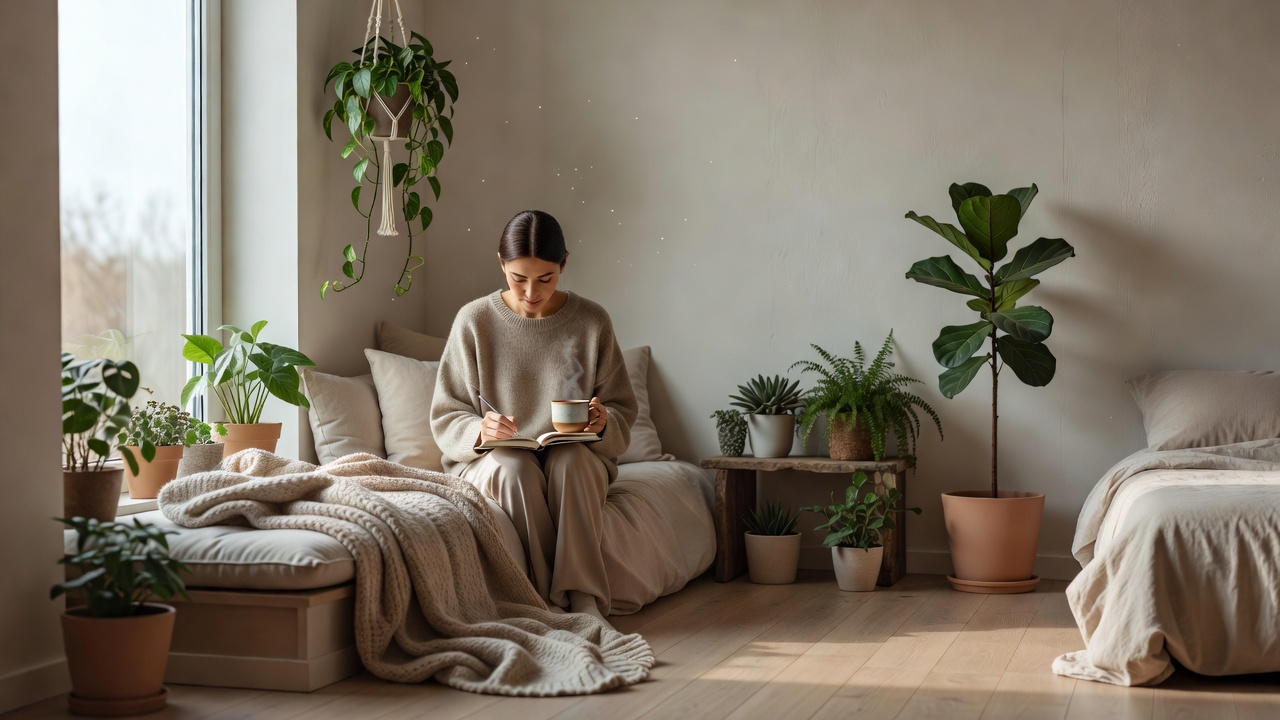
Understanding Introvert Challenges in a Fast-Paced World
Introverts often face unique pressures in daily life, from overstimulation in open offices to the expectation of constant social engagement. These demands can drain energy quickly, leading to burnout and heightened stress. Slow living offers a powerful antidote by emphasizing intentional solitude and mindful pacing, allowing introverts to recharge while cultivating deeper self-awareness. This approach aligns perfectly with introverted preferences for quiet reflection over constant activity. Many introverts report feeling misunderstood in environments that reward extroverted behaviors, such as networking events or team brainstorming sessions that leave little room for processing thoughts internally.
Research from the National Institutes of Health highlights how mindfulness practices can lower cortisol levels and improve emotional regulation, benefits especially valuable for those who thrive in low-stimulation environments. Understanding these challenges is the first step toward building routines that honor your natural temperament rather than fighting against it.
Morning Rituals That Preserve Energy
Starting the day slowly helps introverts set a calm tone. Begin with 10 minutes of gentle stretching or seated meditation upon waking, avoiding immediate phone checks. Follow with a mindful coffee or tea ritual, focusing on the flavors and warmth. Journaling three things you're grateful for or setting one intention for the day adds structure without overwhelm. To make this routine more robust, consider incorporating elements like soft lighting from a salt lamp or diffusing calming essential oils such as lavender to create a sensory sanctuary before the world intrudes.
Real-life example: Sarah, a remote writer, wakes at 7 a.m., practices 15 minutes of breathwork, then enjoys solo breakfast while listening to soft instrumental music. She follows this by reviewing her weekly goals in a dedicated notebook, allowing time for ideas to emerge naturally. This contrasts with general fast-paced routines that push early workouts or news consumption, which often leave introverts depleted by midday. Another introvert professional, Mark, uses his mornings for a short walk in his neighborhood without headphones, noticing details in nature that foster presence and reduce anticipatory anxiety about the workday ahead.
Evening Rituals for Wind-Down and Reflection
Evenings provide a prime opportunity to release the day's accumulated tension. Dim lights by 8 p.m., engage in light reading or creative sketching, and end with a gratitude review. Avoid blue light from screens at least an hour before bed to support better sleep quality. Expand this further by creating a dedicated wind-down space free of work materials, perhaps with a comfortable chair and a small collection of physical books that encourage slow reading.
These rituals differ from extrovert-oriented evening plans involving social events; instead, they prioritize solo restoration. Incorporating herbal tea and progressive muscle relaxation can further enhance mindfulness and stress reduction. For instance, an introverted teacher named Elena prepares a simple evening checklist that includes turning off notifications, writing down any lingering thoughts, and practicing five minutes of body scanning to release physical tension built up from classroom interactions.

Incorporating Solo Hobbies for Joy and Presence
Solo hobbies form the heart of introvert slow living. Options like watercolor painting, nature walks with a camera, or playing an instrument allow creative expression without social demands. These activities foster flow states that naturally boost mindfulness. To integrate them effectively, start by listing activities that genuinely interest you rather than those trending on social media, then dedicate consistent time blocks each week.
Practical steps include scheduling 30-60 minutes daily for a chosen hobby, starting small to build consistency. Compare this to generic self-care advice that often promotes group classes; introvert versions emphasize solitary pursuits that recharge rather than drain. Other ideas include knitting, bird watching, puzzle solving, or tending to indoor plants while observing growth patterns. One example involves an introvert accountant who spends Sunday afternoons building model airplanes, finding that the focused hand-eye coordination clears mental clutter from the previous week and improves overall emotional resilience.
Setting Boundaries at Work and in Social Settings
Boundaries protect introvert energy. At work, communicate clear availability hours and use techniques like email batching. In social situations, politely decline invitations that exceed your capacity and suggest one-on-one alternatives instead of group outings. Develop scripts in advance, such as "I appreciate the invitation, but I need quiet time this weekend to recharge."
Example: An introvert software developer blocks focus time on their calendar and shares a simple script: "I recharge best with quiet evenings, but let's catch up over coffee next week." This maintains relationships while honoring personal needs. In team meetings, requesting written agendas beforehand allows introverts to prepare thoughtful contributions instead of reacting on the spot, reducing stress significantly over time.
Mindfulness Techniques and Tracking Progress
Beyond basic rituals, explore techniques like single-tasking during meals or using guided apps for body awareness that require minimal external input. Track progress by noting energy levels on a simple scale each evening, adjusting routines as patterns emerge. This data-driven approach helps refine what truly supports mindfulness and stress reduction for your unique profile.
Overcoming Common Obstacles
Challenges such as unexpected interruptions or guilt over prioritizing solitude can arise. Address them by preparing gentle responses and reminding yourself that self-care enables better interactions when they do occur. Consistency matters more than perfection.
FAQ on Introvert Slow Living Concerns
- How do I explain my routines to extroverted family? Share simple benefits like improved mood and productivity.
- What if work requires constant interaction? Use micro-breaks for quiet resets and advocate for hybrid schedules.
- Can slow living feel too isolating? Balance with occasional meaningful connections that align with your energy levels.
- How long until I notice stress reduction? Many report subtle shifts within two to three weeks of consistent practice.
- Are there tools that help maintain these routines? Simple journals or timers set for ritual blocks work well without adding complexity.
Conclusion
Embracing introvert slow living routines creates a sanctuary of mindfulness and stress reduction. By customizing morning and evening practices, pursuing solo hobbies, and establishing firm boundaries, introverts can thrive authentically in 2026 and beyond. The key lies in viewing these routines not as restrictions but as empowering frameworks tailored to your inner world.


No comments yet. Be the first!