 Slow Bio Hack
Introduction to Slow Living for Busy Travelers
In 2026, frequent travel remains a staple for professionals, yet the pace often leads to burnout and diminished well-being. Slow living emphasizes intentional daily routines that prioritize mindfulness and stress reduction, even amid constant movement across cities and continents. This approach integrates simple, adaptable habits into travel schedules, helping maintain mental clarity, emotional balance, and physical vitality without adding complexity to already demanding itineraries. By focusing on presence rather than productivity, travelers can transform hectic journeys into opportunities for genuine calm and renewal. Keywords like slow living, mindfulness, daily routines, and stress reduction guide these practices, fostering sustainable habits that combat the cumulative fatigue of modern travel. Whether you are a corporate executive hopping between meetings or a digital nomad building a career on the road, these principles offer a pathway to more fulfilling experiences. The core idea is not to slow down every aspect of life but to infuse mindfulness into existing patterns, creating space for reflection amid the rush.
Many travelers overlook how small shifts in routine can yield profound benefits. Research from leading health organizations underscores that consistent mindfulness lowers anxiety and improves resilience during disruptions. This guide explores search intent around maintaining mindfulness amid constant movement by covering airport rituals, hotel room setups for calm, in-flight practices, nutrition integration, and adapting routines across time zones. Practical steps for creating portable mindfulness habits, real-world examples from digital nomads, comparisons between rushed versus slow travel days, and an expanded FAQ section address common challenges head-on.
Understanding the Benefits of Mindfulness on the Move
Mindfulness practices reduce cortisol levels and improve focus, according to health authorities. For travelers, this means less anxiety during delays, better sleep in unfamiliar beds, and sharper decision-making under pressure. Daily routines adapted for mobility support stress reduction without requiring extra time or equipment, making them ideal for packed schedules. Beyond immediate relief, regular incorporation of these techniques enhances long-term mental health by building emotional regulation skills that carry over into non-travel periods. Studies indicate that individuals who practice mindful breathing or body awareness during trips report higher overall life satisfaction and fewer instances of travel-related insomnia. Slow living does not mean abandoning efficiency; instead, it reframes efficiency to include recovery, ensuring sustained performance across multiple trips in 2026.
Real-world applications show that embedding slow living elements leads to higher satisfaction on trips of any length. Digital nomads and frequent flyers alike note improved creativity and reduced irritability when they prioritize presence over constant connectivity. These benefits compound over time, turning travel from a source of depletion into a catalyst for personal growth.
Airport Rituals for Mindful Transitions
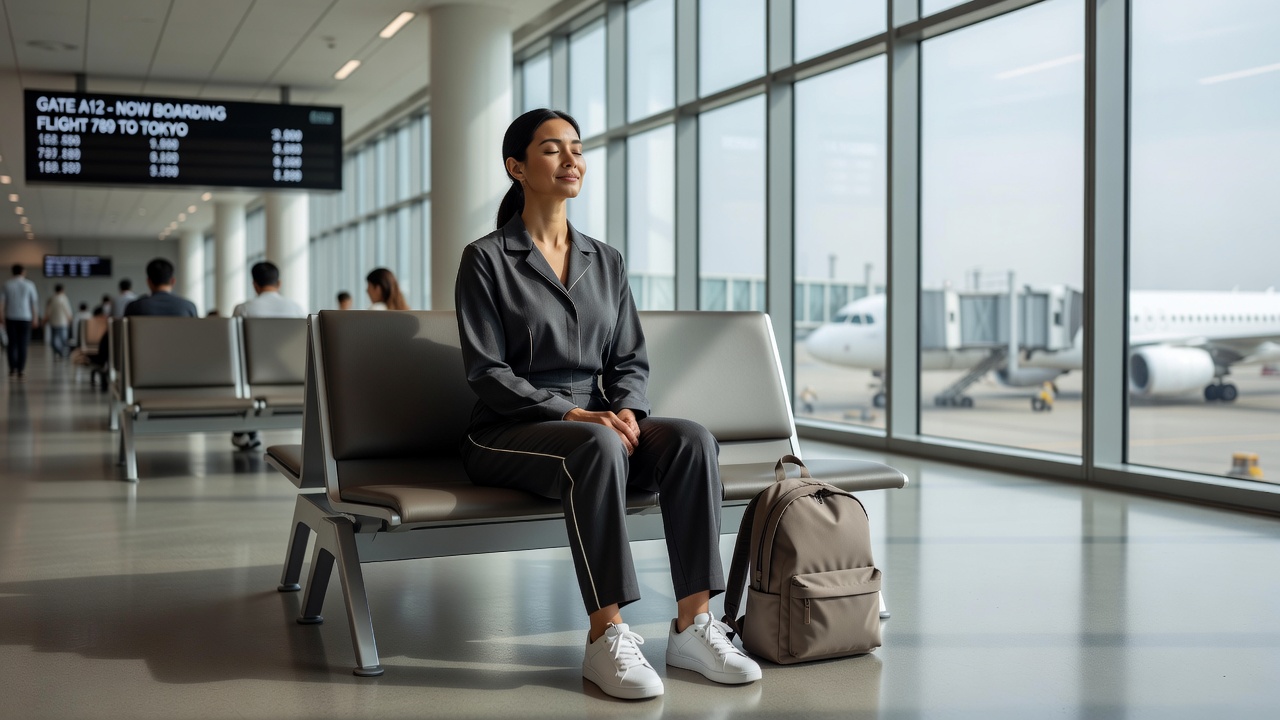
Airports can feel overwhelming with crowds, announcements, and tight connections, but structured rituals promote calm and set a positive tone for the entire journey. Start with a 5-minute breathing exercise at the gate: inhale for four counts, hold for four, exhale for six. This grounds you before boarding and can be repeated discreetly in security lines. Next, curate a portable mindfulness kit with noise-canceling headphones, a small journal, herbal tea bags, and a lightweight eye mask. During layovers, opt for a short walk instead of screen time to reconnect with your body and observe surroundings with curiosity rather than frustration. These steps turn rushed transitions into mindful pauses that prevent the buildup of tension. Consider arriving early enough to enjoy a quiet corner for stretching or listening to a brief guided meditation on your phone. Such rituals integrate seamlessly into existing routines while reinforcing the principles of slow living.
In-Flight Mindfulness Practices
Once airborne, cabin conditions often exacerbate stress through dry air, limited movement, and proximity to others. Counter this by establishing in-flight routines such as gentle neck rolls every hour or a seated body scan starting from the feet upward. Choose window seats when possible to gaze at clouds mindfully, using the view as an anchor for present-moment awareness. Hydration plays a key role; sip water slowly while focusing on the sensation rather than gulping between tasks. Noise-canceling headphones paired with calming playlists or ambient sounds further support stress reduction. These practices maintain momentum from airport rituals and prepare you for arrival with greater equanimity.
Creating Calm Hotel Room Setups
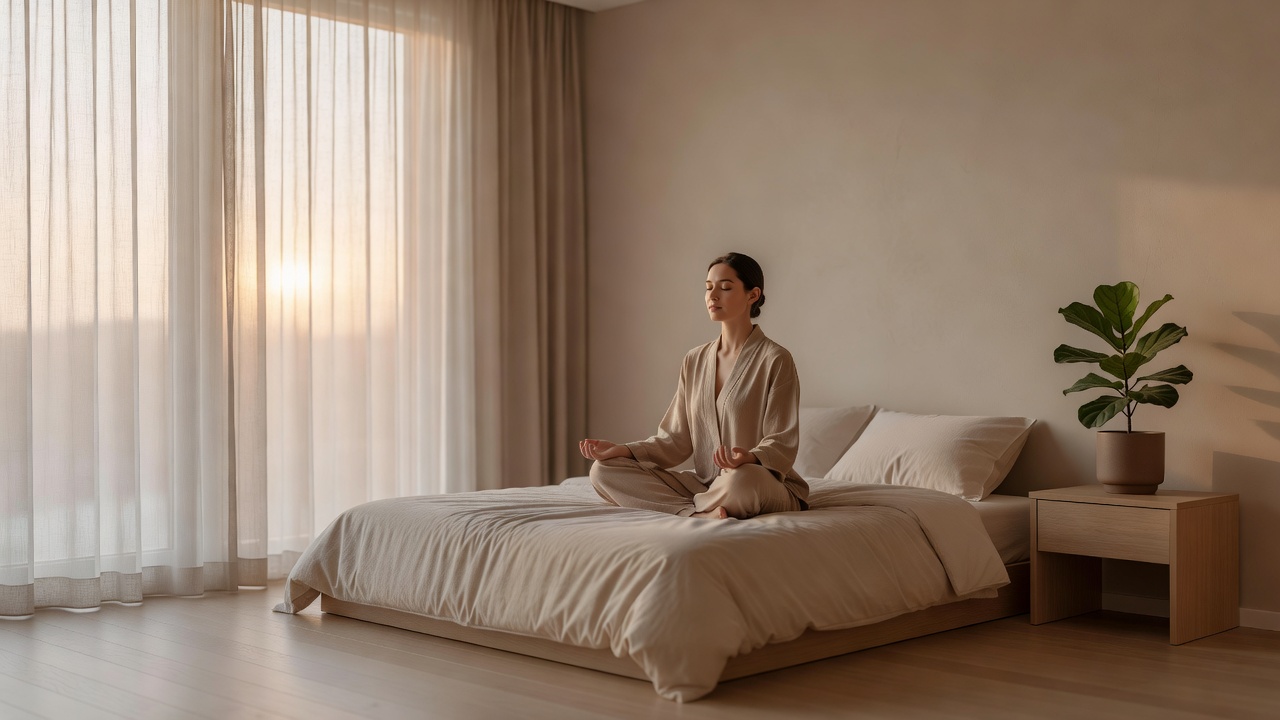
Upon arrival, transform your hotel room into a sanctuary that supports rest and reflection. Unpack essentials first: a small diffuser with lavender oil, a lightweight yoga mat, blackout curtains if available, and a familiar item from home like a photo or scarf. Arrange lighting to mimic home routines, using warm lamps over harsh fluorescents, and designate a small area for morning meditation or evening journaling. Incorporate a bedtime ritual like progressive muscle relaxation or gratitude listing to signal the end of the day. This setup supports slow living by creating environmental cues for calm, reducing the disorientation of new environments and promoting deeper sleep. 
Adapting Routines Across Time Zones
Time zone shifts disrupt circadian rhythms, amplifying stress and fatigue. Begin adjusting 48 hours before travel by shifting meal and sleep times gradually by one hour each day. Upon landing, expose yourself to natural light immediately to reset your internal clock and avoid heavy meals close to local bedtime. Portable habits include morning meditation apps or evening gratitude journaling adjusted to the new zone. These maintain consistency, easing the transition and preserving mindfulness throughout your stay. For longer trips, align physical activity with daylight hours to accelerate adaptation and sustain energy levels.
Building Portable Mindfulness Habits
Habit formation starts small and scales with experience. Carry a pocket journal for three daily gratitudes or use body scans during flights and commutes. Apps for guided breathing integrate seamlessly into daily routines without Wi-Fi dependency. Consistency matters more than duration; even 10 minutes daily compounds into significant stress reduction over repeated trips. Pair new habits with existing triggers, such as practicing mindful walking after landing or during hotel check-in waits.
Real-World Examples from Digital Nomads
Many digital nomads thrive by embedding slow living into itineraries. One professional in Southeast Asia starts each day with 15 minutes of stretching regardless of the destination, reporting lower anxiety levels and sustained focus during client calls. Another uses evening walks in new cities to practice mindful observation, turning exploration into meditation that sparks creative ideas for work. A third nomad maintains a strict no-email policy after 8 PM local time, using that window for reading or light yoga, which has improved sleep quality across continents. A fourth example involves a consultant who journals three wins from each trip, fostering a positive mindset that counters the isolation of constant movement. These examples highlight adaptability, showing how routines evolve with 2026 travel trends while delivering measurable stress reduction.
Rushed vs. Slow Travel Days: A Comparison
- Rushed Day: Skipping meals, constant notifications, and back-to-back activities leading to exhaustion by evening and poor sleep.
- Slow Day: Intentional pacing with scheduled breaks, mindful eating, and short reflection periods resulting in better focus, mood stability, and faster recovery.
- Outcome: Slow approaches consistently yield improved productivity and lower burnout rates, according to traveler feedback and wellness reports.
Choosing slow living prevents the common pitfalls of over-scheduling that plague many professionals.
Practical Steps to Start Today
- Assess your current travel schedule for stress points such as early flights or long layovers.
- Select 2-3 rituals like breathing exercises or gratitude journaling to implement on your next trip.
- Pack a dedicated mindfulness kit and test it on short journeys first.
- Track progress in a journal to refine habits and note improvements in energy or mood.
- Share experiences in nomad communities for accountability and fresh ideas.
- Review and adjust routines quarterly to align with changing travel patterns.
Frequently Asked Questions
How do I maintain mindfulness with unpredictable delays?
Use delays as built-in pauses for breathing exercises, reading inspiring content, or simply observing your surroundings without judgment.
What if my hotel lacks space for routines?
Focus on micro-practices like seated meditations or standing stretches that require no extra room and can be done beside the bed.
Can these routines work for family travel?
Yes, involve family in simple shared activities like group breathing or gratitude sharing around meals to enhance connection and reduce collective stress.
Is slow living compatible with tight business schedules?
Absolutely; micro-habits fit into five-minute windows between meetings and often increase overall efficiency by sharpening concentration.
How long until I notice benefits?
Many travelers report subtle improvements in calm within one week and more noticeable stress reduction after consistent practice over two to three trips.
Conclusion
Embracing slow living routines empowers frequent travelers to prioritize mindfulness and stress reduction without sacrificing productivity. By integrating these practices into daily routines, 2026 journeys become more fulfilling, restorative, and sustainable. Start small, stay consistent, and experience the transformative power of presence on the move. For further reading on mental health strategies during travel, visit World Health Organization, Mayo Clinic, and National Institute of Mental Health.

No comments yet. Be the first!