 Slow Bio Hack
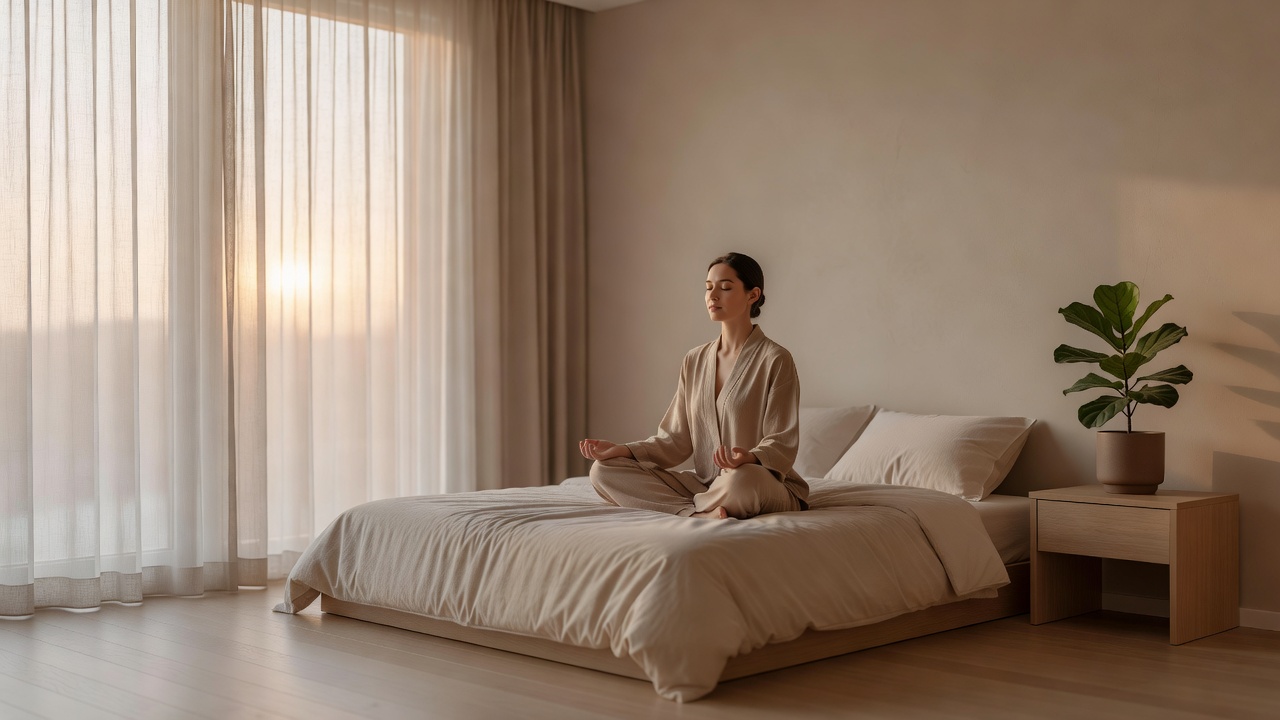
Introduction: Embracing Slow Living Through Minimalism in 2026
In a fast-paced world filled with constant notifications and endless to-do lists, many individuals seek sustainable ways to reduce overwhelm and reconnect with the present moment. Slow living routines combined with minimalism offer a powerful, evidence-backed path to mindfulness and stress reduction. This integrated approach focuses on intentional choices that prioritize presence, purpose, and well-being over constant productivity. By 2026, these practices have gained significant traction as people recognize the profound value of simplicity for long-term mental health. Minimalism strips away excess possessions, commitments, and distractions to reveal what truly matters, while slow living encourages deliberate pacing in every activity. Together, they foster mindfulness by reducing mental clutter and lowering chronic stress levels. Research from the National Institutes of Health highlights how simplified environments support better emotional regulation and cognitive function, making this lifestyle especially relevant for those navigating modern demands.
The Foundations of Intentional Decluttering Habits
Decluttering forms the bedrock of minimalist slow living and must be approached as an ongoing practice rather than a one-time event. Begin by assessing possessions room by room, asking whether each item adds genuine value, joy, or utility to your life. Keep only essentials that align with your core values, such as functional furniture, meaningful mementos, and versatile clothing. This process reduces visual noise and creates physical space that mirrors inner calm. Practical steps include adopting the one-in-one-out rule: for every new item acquired, remove one existing item to maintain balance. Schedule short weekly sessions of 15 to 20 minutes to review and refine your spaces. Over time, this habit prevents accumulation and supports continuous mindfulness. Real-world examples show success when people focus first on high-impact areas like closets or kitchens, leading to immediate feelings of lightness and control.
Simplified Daily Schedules for Reduced Overwhelm
Conventional schedules often pack too many tasks, meetings, and errands, leading directly to burnout and fragmented attention. Minimalist versions prioritize just three to five core activities per day, blocking dedicated time for deep work, restorative rest, and meaningful connections without overcommitting. A sample minimalist weekday might start with a focused two-hour work block, followed by a short walk, then family time or creative pursuits, leaving evenings free for reflection. In contrast, a conventional routine often includes rushed mornings with multiple errands and back-to-back obligations that erode presence. This simplicity frees substantial mental energy for present-moment awareness and reduces decision fatigue throughout the day.
Mindful Consumption to Eliminate Excess
Consuming less extends far beyond physical objects to include media intake, social commitments, and even food choices. Choose quality over quantity by carefully curating inputs that nourish body and mind rather than deplete energy. For instance, limit social media scrolling to 20-30 minutes daily, select books or podcasts that align with personal growth goals, and opt for whole foods prepared at home. This shift dramatically reduces decision fatigue and chronic stress while promoting a sustainable lifestyle that feels lighter and more intentional. Practitioners often report improved focus and emotional stability within weeks of implementing these boundaries.
Step-by-Step Guide to Minimalist Morning Rituals
Creating a consistent morning ritual sets a mindful tone that carries through the entire day. Follow these expanded steps for best results: First, wake naturally or with a gentle alarm placed away from your bed to avoid immediate phone checks that trigger stress responses. Next, hydrate with plain water and spend five to ten minutes in quiet breathing or simple stretching to center your mind. Then, journal three gratitudes or clear intentions in a dedicated notebook, keeping entries concise yet reflective. Follow with gentle movement such as a short outdoor walk or yoga sequence that connects you to your body. Finally, prepare and eat a nourishing breakfast mindfully, focusing fully on textures, flavors, and gratitude for the meal. Integrate this ritual into home environments by maintaining clear surfaces and maximizing natural light to enhance the sense of spaciousness.
Step-by-Step Guide to Minimalist Evening Rituals
Evening routines provide essential closure and prepare the mind for restorative sleep. Begin by dimming lights an hour before bed to signal the transition to rest. Reflect briefly on the day by noting three positive moments or lessons learned. Prepare your physical space by tidying only the essentials needed for the next morning. End the evening with calming activities such as reading physical books or gentle meditation instead of screens. These deliberate steps enhance sleep quality, lower next-day stress, and reinforce the slow living mindset. Many find that consistency here creates a powerful buffer against external pressures.

Real-Life Case Studies from Practitioners
One remote worker reduced personal belongings by 60 percent over six months and reported a 40 percent drop in daily anxiety after adopting minimalist routines. Another family of four simplified their schedule to shared meals and weekly nature outings, noting stronger relationships and greater mental clarity within eight weeks. A third example involves a teacher who replaced evening screen time with journaling and reported dramatically improved sleep and emotional resilience. These cases demonstrate measurable, lasting shifts in stress levels through consistent minimalist practices applied across different life stages and environments.
Integrating Practices into Work and Home Environments
At work, designate a completely clutter-free desk zone and apply time-blocking for focused tasks while turning off non-essential notifications. At home, create distinct zones for rest versus activity using minimal furniture and intentional lighting. Both settings benefit enormously from single-purpose items and regular five-minute resets at the end of each day. The Mayo Clinic notes that organized, simplified spaces correlate strongly with better stress management and overall well-being. Practical examples include using a single notebook for all work notes or keeping only three favorite mugs in the kitchen cabinet.
Comparisons Between Minimalist and Conventional Routines
- Time Management: Minimalist routines feature fewer tasks executed with deeper engagement and presence, whereas conventional ones spread attention thin across dozens of items, increasing errors and fatigue.
- Stress Levels: Simplified schedules lower cortisol through fewer daily decisions and transitions, unlike packed conventional days that heighten overwhelm and reactive behavior.
- Mindfulness: Minimalist habits build sustained presence via intentional pauses and reflection, while conventional patterns often rush through moments without awareness or appreciation.
- Long-Term Sustainability: Minimalist approaches adapt easily to life changes and prevent burnout, in contrast to rigid conventional schedules that frequently collapse under pressure.
Frequently Asked Questions
How do I start if I feel overwhelmed by existing clutter?
Begin with one small drawer or category rather than an entire room. Celebrate each small win to build momentum without pressure, and consider enlisting a friend for accountability during initial sessions.
What if my family or roommates resist minimalist changes?
Introduce ideas gradually by highlighting shared benefits such as more quality time together and reduced household stress. Involve everyone in decision-making and allow personal spaces to evolve at individual paces.
Can these routines work alongside a demanding full-time job?
Absolutely. Prioritize non-negotiable blocks for rituals and rest while delegating or eliminating low-value tasks. Focus on quality transitions between work and personal time to maintain balance even during busy periods.
How long until noticeable stress reduction occurs?
Many practitioners report meaningful improvements within two to four weeks of consistent daily practice, though individual results vary based on starting point and commitment level. Tracking simple mood notes helps observe progress clearly.
Conclusion: Sustaining Mindfulness Through Simple Practices
Adopting slow living routines through minimalism creates lasting, accessible pathways to greater mindfulness and meaningful stress reduction. By focusing on intentional decluttering, simplified schedules, mindful consumption, and reflective rituals, individuals craft sustainable habits that endure life’s inevitable changes. Start with small, consistent actions today to experience the profound calm and clarity these practices bring in 2026 and beyond. The World Health Organization emphasizes the critical role of balanced lifestyle choices in supporting mental health, underscoring the lasting value of simplicity-focused approaches.


No comments yet. Be the first!