 Slow Bio Hack
Introduction to Slow Living for Retirees
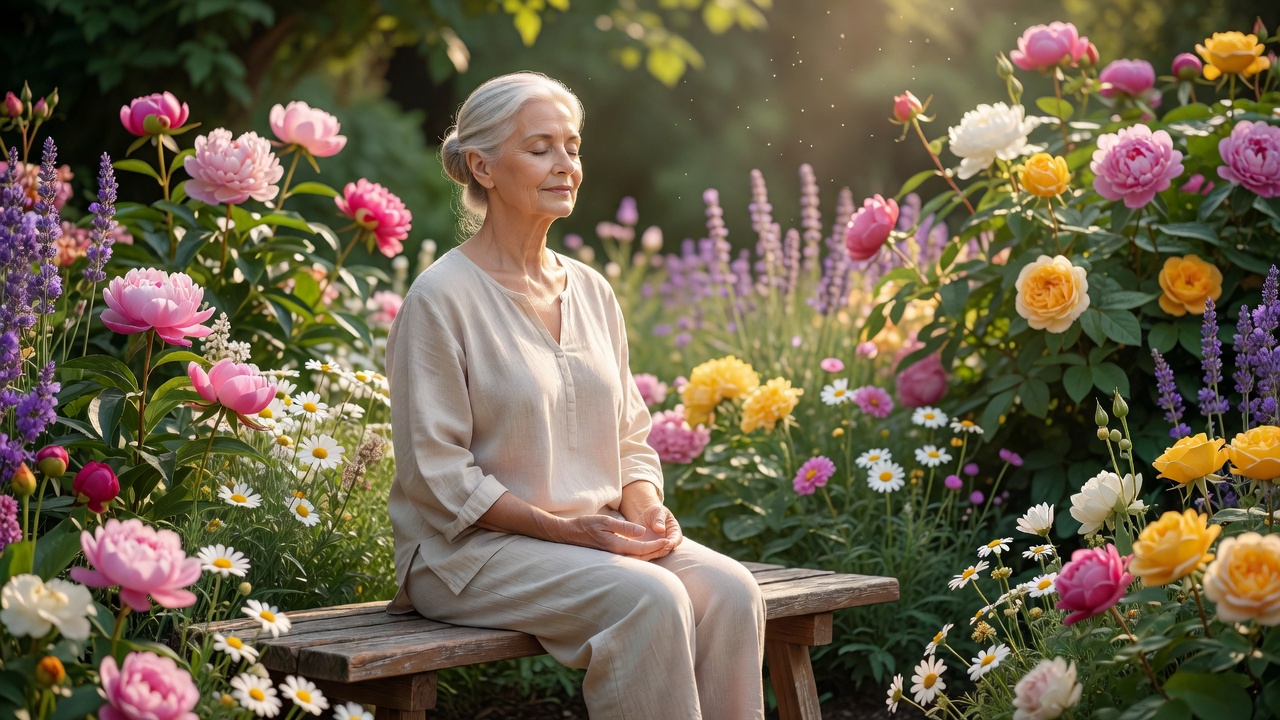
Retirement marks a profound transition from the structured demands of a career to a more open-ended daily existence. While this phase promises freedom, many retirees initially encounter heightened stress due to the loss of routine and purpose. Slow living offers a deliberate counterapproach by prioritizing mindfulness, intentional pacing, and simplicity. This lifestyle encourages presence in each moment, helping to alleviate anxiety and cultivate a sense of calm. For retirees, it means adapting practices to accommodate physical changes, such as incorporating gentle movement, reflective journaling, and mindful eating into daily life. According to guidance from the World Health Organization, mindful activities can significantly support emotional well-being in older adults. In 2026, slow living continues to gain traction as retirees seek sustainable ways to thrive beyond their working years.
The core philosophy involves reducing unnecessary haste and embracing quality over quantity in activities. This shift not only lowers stress but also enhances overall life satisfaction. Retirees who adopt these routines often report improved sleep, better emotional regulation, and a renewed appreciation for simple pleasures.
Comparing Pre- and Post-Retirement Stress Levels
Pre-retirement stress frequently stems from tight deadlines, workplace hierarchies, commuting pressures, and constant connectivity. These factors contribute to chronic elevation of stress hormones like cortisol, which can affect cardiovascular health and mental clarity over time. Post-retirement, the removal of these external pressures creates space for reflection, yet it can also lead to feelings of emptiness or social disconnection if unstructured days dominate. Slow living addresses this gap by providing flexible frameworks that restore balance without rigidity. Studies and wellness observations indicate that retirees practicing mindfulness-based routines often experience substantial reductions in perceived stress, sometimes by 30 to 50 percent within the first few months of consistent application. This comparison underscores the value of proactive habit formation during the transition period.
Adapting Routines to Physical Limitations
Physical limitations such as arthritis, reduced flexibility, or balance concerns require thoughtful modifications to traditional mindfulness practices. Rather than abandoning movement or reflection, retirees can tailor activities to their current abilities. For instance, seated versions of yoga or tai chi allow participation without strain on joints. Using props like cushions, supportive chairs, or resistance bands can enhance comfort and safety. A practical example comes from 72-year-old Margaret in Arizona, who replaced floor-based poses with chair-assisted stretches and noticed decreased back discomfort alongside better nighttime rest after just three weeks. Always consult a healthcare provider before starting new routines, and listen to the body’s signals to prevent overexertion. This adaptive mindset ensures longevity in the practice rather than short-term enthusiasm followed by abandonment.
Incorporating Gentle Movement
Gentle movement serves as a cornerstone of slow living by promoting circulation, reducing muscle tension, and fostering mind-body awareness. Suitable options for retirees include slow walking in nature, water-based exercises, or simple stretching sequences. Benefits extend beyond physical health to include lowered anxiety and improved mood through endorphin release. To implement effectively, follow these steps: choose an activity matching personal capacity, set a consistent daily time slot, monitor bodily responses in a notebook, and increase duration gradually by five-minute increments. A sample session might begin with five minutes of deep breathing followed by ten minutes of arm circles and leg lifts while seated. Over time, this builds endurance without overwhelming the system.
Reflective Journaling Practices
Journaling provides an outlet for processing emotions and reinforcing mindfulness. Effective prompts include questions such as “What moment today felt most peaceful?” or “How did I respond to a challenge with patience?” Writing for ten to fifteen minutes each morning or evening helps clarify thoughts and track progress. Pairing this habit with a calming beverage creates a comforting ritual. 
Mindful Meals as Core Elements
Mindful eating transforms routine nourishment into an opportunity for presence and stress reduction. The practice involves chewing slowly, noticing flavors and textures, and eliminating distractions like television or phones. This approach aids digestion, prevents overeating, and heightens gratitude for food. Retirees can start by preparing simple meals with fresh ingredients and dedicating at least twenty minutes to each sitting. Benefits compound when meals incorporate anti-inflammatory foods such as leafy greens and berries, supporting both physical and mental health.
Building Sustainable Habits
Long-term adherence requires starting small and layering new behaviors onto existing ones. Habit stacking, such as journaling immediately after breakfast, leverages momentum from established routines. Weekly reviews help identify what works and what needs adjustment. Tracking tools like simple paper calendars or basic apps can provide visual encouragement. The emphasis remains on consistency rather than perfection, allowing for rest days when energy fluctuates.
Avoiding Isolation Through Light Social Activities
While solitude supports reflection, excessive isolation can amplify stress and loneliness. Light social engagements such as neighborhood walking groups, library book clubs, or weekly phone calls with family maintain connection without draining energy. Aim for two to three meaningful interactions per week. These activities foster a sense of community and shared experience, which research from the National Institute on Aging links to better cognitive outcomes in older adults.
Balancing Rest with Light Social Activities
Rest forms the foundation of slow living, yet complete withdrawal from social spheres may lead to stagnation. An effective daily rhythm might feature morning movement, afternoon quiet time for reading or napping, and an evening conversation with a friend. This balance prevents burnout while honoring the need for both recovery and engagement.
Step-by-Step Implementation Plan
- Conduct a personal assessment of current stress triggers and physical capabilities.
- Select two or three foundational practices, such as gentle movement and journaling.
- Design a flexible weekly schedule with built-in rest periods.
- Establish accountability through a friend or self-check-ins.
- Review outcomes monthly and refine based on energy levels and enjoyment.
- Integrate health considerations by discussing changes with medical professionals.
Real Retiree Case Studies
Additional examples illustrate adaptability across diverse circumstances. Elena, 65, incorporated mindful meals and reduced reliance on anxiety medication under medical supervision. Another retiree, Robert, 70, combined seated tai chi with weekly community garden visits, reporting enhanced mood and new friendships. These narratives highlight how individualized approaches yield meaningful results regardless of starting health status.
Challenges and Practical Solutions
Common obstacles include fluctuating motivation and integrating practices with existing medical regimens. Solutions involve breaking activities into five-minute segments during low-energy periods and aligning routines with medication schedules. Environmental adjustments, such as creating a dedicated quiet corner at home, further support consistency.
FAQs on Motivation Dips and Health Integration
How do I handle motivation dips?
Reframe the practice as self-care rather than obligation. Revisit your original reasons for starting through a brief journal entry and celebrate incremental progress with small rewards like a favorite herbal tea.
Can slow living integrate with existing health conditions?
Absolutely. The Mayo Clinic emphasizes personalized mindfulness for chronic conditions. Always coordinate with healthcare providers to ensure safety and compatibility with treatments.
What if physical limitations prevent most movement?
Focus on breath awareness, guided audio meditations, or gentle hand and foot exercises. These accessible options maintain the mindfulness component while respecting bodily constraints.
How long before noticing benefits?
Many retirees observe subtle improvements in calmness within two to four weeks, with more pronounced effects after consistent practice for two months.
Conclusion
Slow living routines empower retirees to navigate post-career life with greater mindfulness and reduced stress. Through adaptive practices, thoughtful habit building, and balanced social engagement, individuals can create fulfilling rhythms that honor both rest and connection. Embracing these principles in 2026 and beyond supports a vibrant, intentional retirement experience.

No comments yet. Be the first!