 Slow Bio Hack
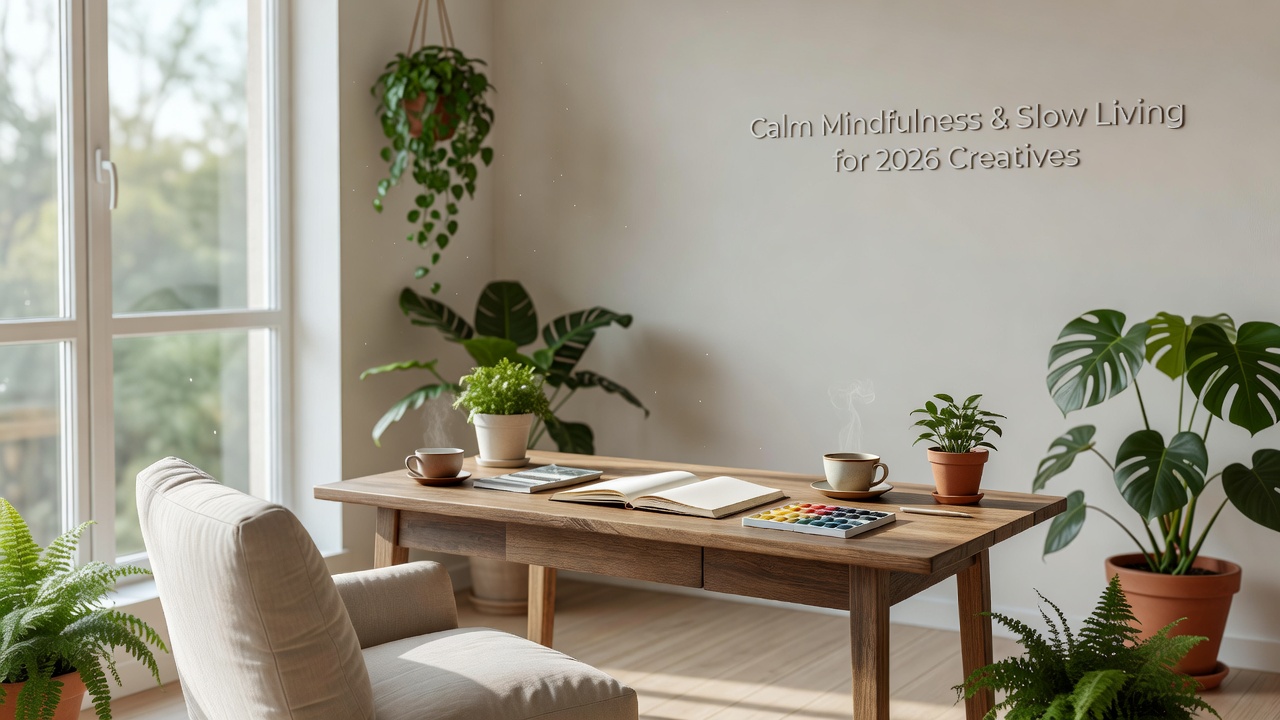
Introduction to Slow Living for Creatives
In today's fast-paced world, creative professionals and hobbyists often face burnout from constant deadlines and distractions. Slow living offers a sustainable alternative by prioritizing mindfulness and intentional pacing. This guide explores how to integrate these principles into daily creative routines in 2026, helping you produce better work without sacrificing well-being. Slow living emphasizes quality over quantity, encouraging creators to savor each moment rather than rushing through tasks. This mindset shift can lead to deeper inspiration, improved focus, and long-term career satisfaction. Many creatives report that adopting slower rhythms allows ideas to develop organically instead of being forced under pressure. Research from authoritative health organizations supports mindfulness practices for stress reduction and mental clarity, making these approaches evidence-based strategies for modern creators seeking balance.
By focusing on presence rather than productivity hacks, slow living enhances creativity through reduced mental clutter. Implementing these routines requires consistency but yields compounding benefits over time, such as heightened sensory awareness and emotional resilience during challenging projects.
Morning Creative Rituals
Starting the day slowly sets a mindful tone that carries through creative sessions. Begin with 10 minutes of gentle stretching or breathwork upon waking to awaken the body without overstimulation. Follow with a short journaling session where you note three intentions for your creative project, avoiding any rush to check emails or social media. This practice grounds your mind and aligns your energy with purposeful creation.
For writers, this might mean free-writing for 15 minutes without editing to unlock subconscious ideas. Artists could sketch loosely in a notebook, exploring shapes and colors intuitively. Designers might review mood boards thoughtfully, selecting elements that resonate emotionally rather than logically. These rituals build focus and prevent the overwhelm that comes from jumping straight into tasks. Experiment with variations like incorporating herbal tea or soft instrumental music to enhance the sensory experience and deepen the mindful state.
Mindful Breaks During Projects
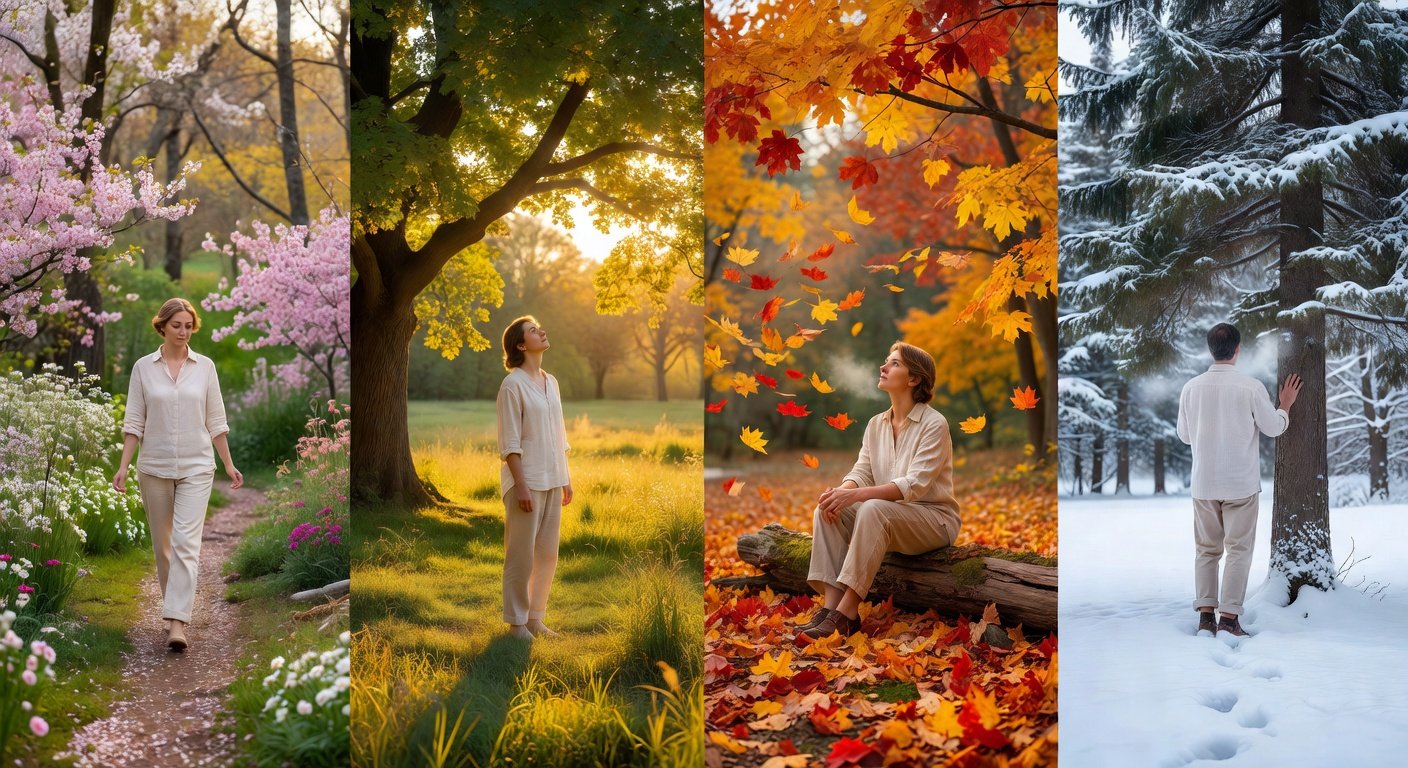
Integrate pauses every 90 minutes to reset your nervous system and spark fresh insights. Step away from screens for a walk outdoors or a mindful tea ritual, paying close attention to each sip and its warmth. During breaks, practice sensory awareness by noticing sounds, smells, and textures around you to return to your work with renewed perspective.
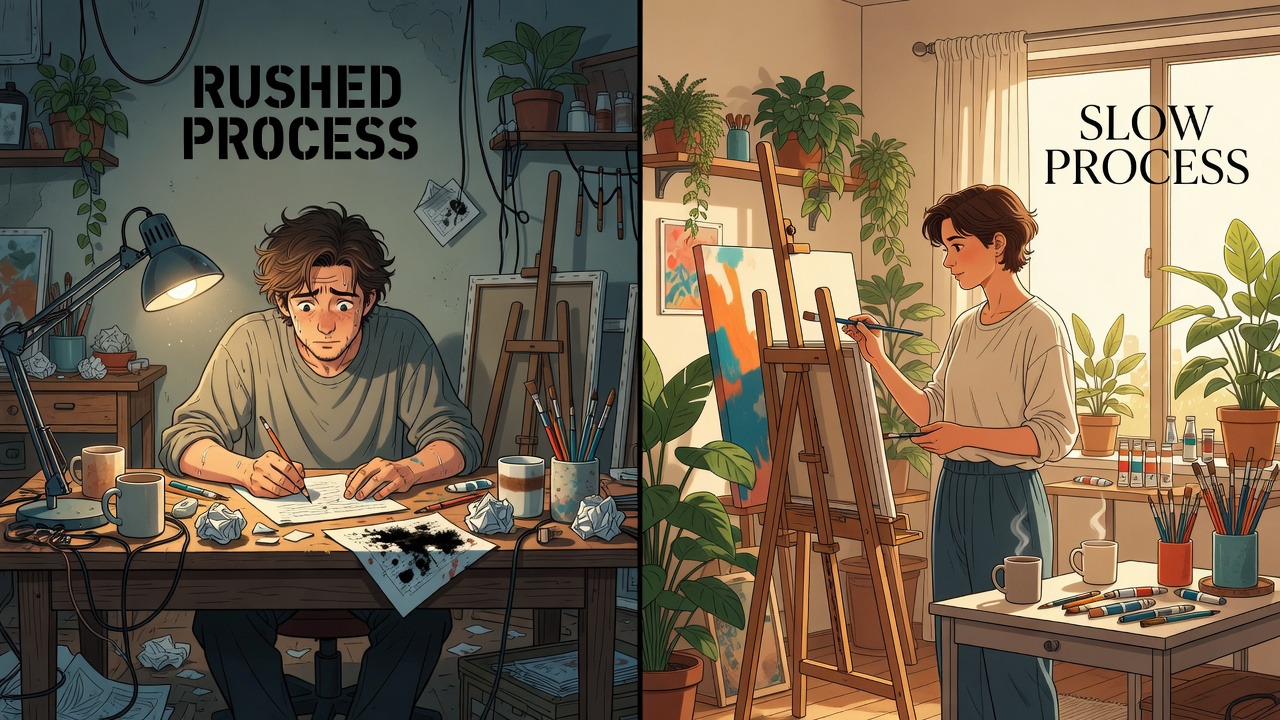
This approach contrasts sharply with rushed workflows, where continuous grinding leads to diminished quality and higher error rates. Slow breaks foster fresh perspectives, often sparking innovative ideas upon return. For instance, a writer might use the break to observe cloud patterns for metaphorical inspiration, while a designer could rearrange physical materials to stimulate visual thinking. Over time, these pauses become essential anchors that sustain energy throughout long creative days.
Evening Wind-Down Practices
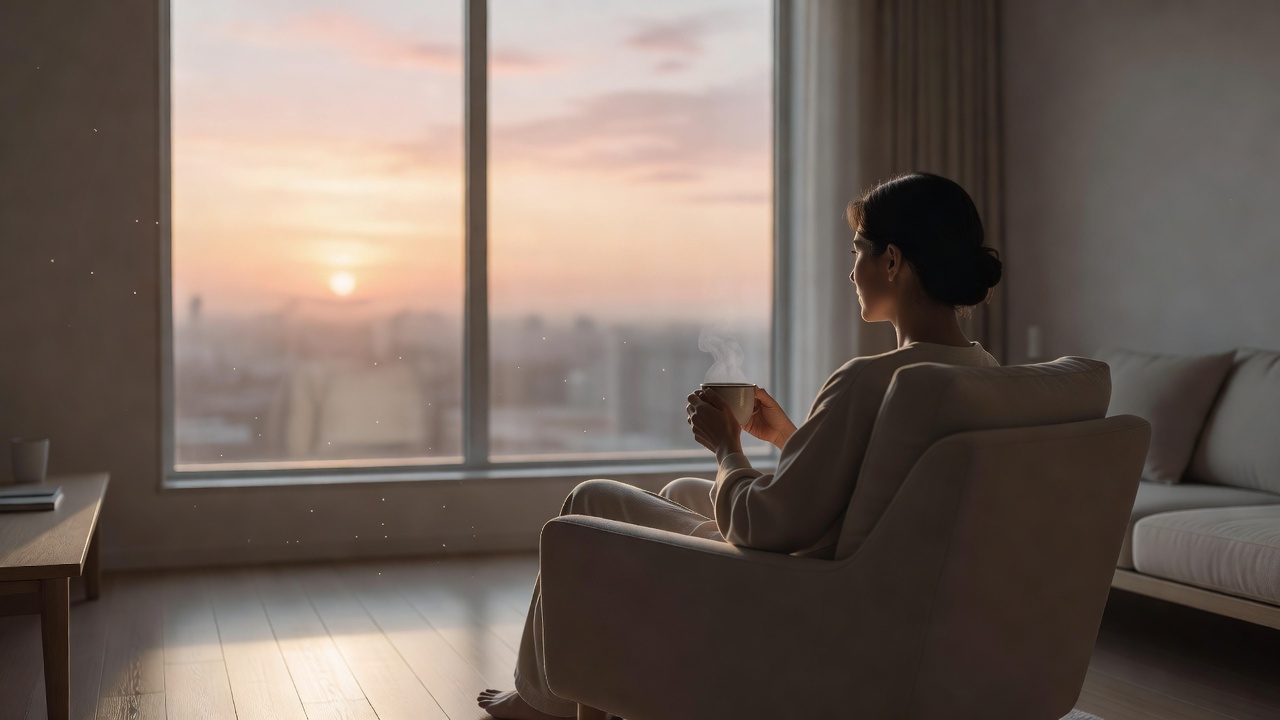
End the day by reflecting on accomplishments without judgment through a brief gratitude exercise. Dim lights, avoid blue screens an hour before bed, and engage in analog creative activities like reading physical books or light sketching to signal the brain that work has concluded. These practices improve sleep quality, which directly supports next-day creativity and problem-solving abilities.
Consistent wind-downs create a boundary between work and rest, essential for long-term sustainability. Consider adding progressive muscle relaxation or listening to ambient sounds to further ease transition into restorative sleep. Many creatives find that documenting one lesson learned each evening reinforces positive growth without self-criticism.
Step-by-Step Examples for Different Creatives
For Writers: 1. Morning: 5-minute meditation followed by 20 minutes of timed writing focused purely on flow. 2. Breaks: Read one inspiring paragraph mindfully and note emotional responses. 3. Evening: Review day's pages slowly, highlighting strengths and setting gentle intentions for the next session. This sequence helps maintain narrative momentum while honoring personal energy levels.
For Artists: 1. Morning: Light yoga followed by 15 minutes of color exploration using favorite mediums without a specific goal. 2. Breaks: Observe nature for texture inspiration, collecting small natural objects if appropriate. 3. Evening: Clean workspace slowly while visualizing tomorrow's piece, allowing subconscious processing overnight. Such steps cultivate a deeper connection to materials and subject matter.
For Designers: 1. Morning: Intention-setting with client briefs read aloud for full comprehension. 2. Breaks: Hand-stretch exercises combined with eye-focus shifts to prevent strain. 3. Evening: Curate inspiration files deliberately, discarding elements that no longer serve the vision. These tailored routines adapt slow living to specific creative demands while promoting holistic well-being.
Rushed vs. Slow Creative Processes: A Comparison
- Rushed: Leads to repetitive ideas, higher stress levels, and incomplete projects that require extensive revisions later.
- Slow: Encourages depth, originality, and sustained energy over weeks or months, resulting in polished final outputs.
- Rushed: Frequent context-switching reduces output quality and increases mental fatigue throughout the day.
- Slow: Single-tasking allows for nuanced refinements and personal satisfaction, fostering a sense of accomplishment.
- Rushed: Often involves multitasking across devices, fragmenting attention and diluting creative potential.
- Slow: Prioritizes one focused activity at a time, building momentum through deliberate attention and presence.
Adopting the slow path often results in work that resonates more authentically with audiences and stands the test of time.
Building a Supportive Environment
To sustain slow living, curate your physical and digital spaces intentionally. Choose calming colors, natural materials, and organized storage that invites calm rather than chaos. Limit notifications on devices during creative hours and designate a specific area solely for focused work. Incorporating elements like houseplants or natural light can further enhance mindfulness. Track your routines in a simple journal for the first month to identify what adjustments improve consistency and enjoyment.
Overcoming Common Obstacles
Deadlines can feel incompatible with slowness, yet breaking projects into smaller mindful segments maintains progress without panic. Distractions are managed by creating physical boundaries like dedicated creative spaces and using simple timers for focused sessions. If resistance arises, start with just one ritual and build gradually as benefits become evident.
FAQ
How do I handle tight deadlines with slow living?
Prioritize the most essential elements first in a calm manner, delegating or simplifying where possible to preserve mindfulness while meeting core requirements.
What if distractions keep interrupting my routines?
Start small with one 25-minute focused block daily, gradually building tolerance as mindfulness strengthens your attention span over consistent practice.
Can slow living work for team-based creative projects?
Yes, by encouraging shared mindful check-ins and respecting individual pacing within group timelines to foster collaborative harmony.
Conclusion
Embracing slow living in 2026 transforms creative work from a source of stress into a fulfilling practice. By implementing these routines consistently, professionals and hobbyists alike can achieve greater mindfulness, reduced burnout, and more meaningful output. Begin with one morning ritual today to experience the benefits firsthand. For further reading on mindfulness benefits, explore World Health Organization resources and Mayo Clinic guidance on mental wellness strategies.
No comments yet. Be the first!