 Slow Bio Hack
Introduction to Seasonal Nature Rituals and Slow Living
In 2026, aligning slow living routines with seasonal nature changes offers a powerful way to enhance mindfulness and reduce stress. This approach encourages individuals to slow down, observe natural cycles, and integrate intentional practices into everyday life. Rather than rushing through days filled with digital distractions, people are rediscovering how spring blooms, summer warmth, autumn colors, and winter quiet can guide personal rituals that promote calm and presence. Beginners benefit from starting with simple observations, such as noting weather shifts during a commute, which gradually builds awareness without overwhelming schedules.
These rituals draw from timeless wisdom yet adapt to contemporary needs, providing fresh approaches for those seeking balance. Research highlights nature connection as a key factor in mental well-being, with organizations like the World Health Organization emphasizing the role of environment in stress management. By weaving seasonal elements into routines, participants often report sustained energy and clearer focus over time.
Spring Renewal Walks for Fresh Energy
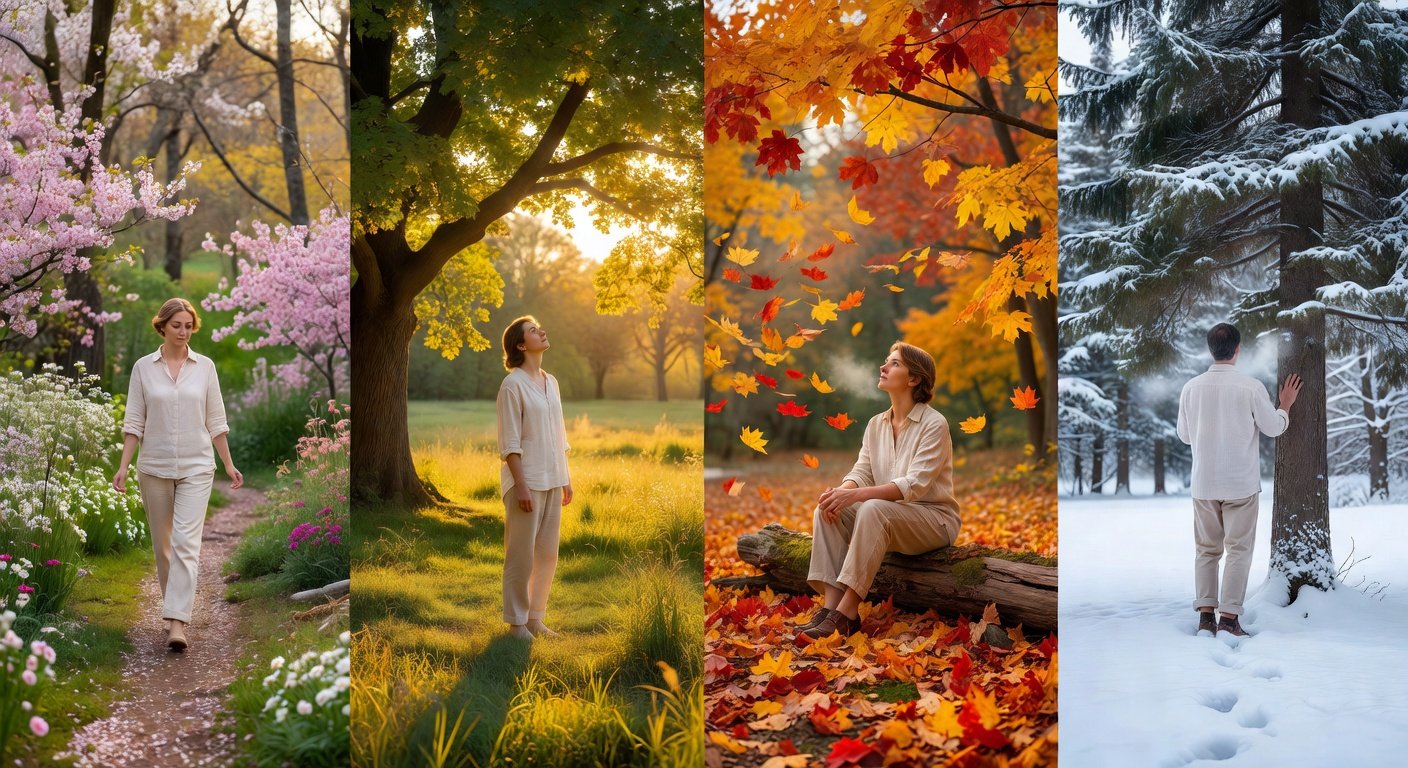
Spring symbolizes rebirth, making it ideal for renewal walks that awaken the senses after winter dormancy. Begin by selecting a nearby green space and committing to a 20- to 30-minute mindful stroll three times weekly. Practical steps include preparing comfortable shoes, setting a phone reminder, and focusing on sensory details like the scent of rain or sight of emerging leaves. After each walk, spend five minutes journaling observations to reinforce mindfulness.
In temperate climates such as the Pacific Northwest of the United States, residents incorporate local wildflower trails for added inspiration. Mediterranean areas feature citrus-scented paths that heighten sensory engagement. Those in variable weather zones can adapt by carrying a light jacket and choosing sheltered routes. Rural participants enjoy expansive meadows, while urban users leverage city parks with designated walking loops. Over weeks, these walks become anchors that ease seasonal affective transitions and build resilience.
Adapting Spring Rituals for Beginners
New practitioners should avoid overcommitting by starting with five-minute outdoor moments, gradually extending duration. Pair the ritual with existing habits like post-breakfast movement to ensure consistency. Examples from European suburbs show families turning weekend outings into shared renewal experiences that strengthen bonds.
Summer Outdoor Pauses for Vitality
Summer's extended daylight supports outdoor pauses that recharge vitality and prevent burnout. Select a shaded spot such as a backyard or balcony and practice 10-minute breath-focused sitting sessions twice daily. Include elements like sipping cool water mindfully or stretching to stay attuned to bodily sensations. Track progress by noting energy levels before and after each pause.
Real-world applications in hot Australian climates involve early morning or evening sessions to avoid peak heat, while Southeast Asian examples use breezy verandas with natural fans. Urban professionals in dense cities like New York adapt by using rooftop gardens during lunch breaks. Rural settings offer expansive lawns ideal for lying on a blanket and cloud-watching. Consistency here fosters deeper appreciation for light and growth cycles.
Autumn Reflection Practices for Gratitude
Autumn encourages introspection through reflection practices that mirror nature's release. Create a weekly ritual of gathering fallen leaves during a short walk, then listing three things to release or appreciate in a journal. Practical steps involve choosing a consistent time, such as sunset, and using natural items as prompts for meditation.
Participants in cooler Canadian regions combine these with harvest-themed meals, while Japanese practitioners draw from maple leaf viewing traditions. Urban adapters visit botanical gardens, contrasting rural forest floors rich in textures. These practices help process change and cultivate gratitude, easing the shift toward shorter days.
Winter Cozy Grounding Techniques
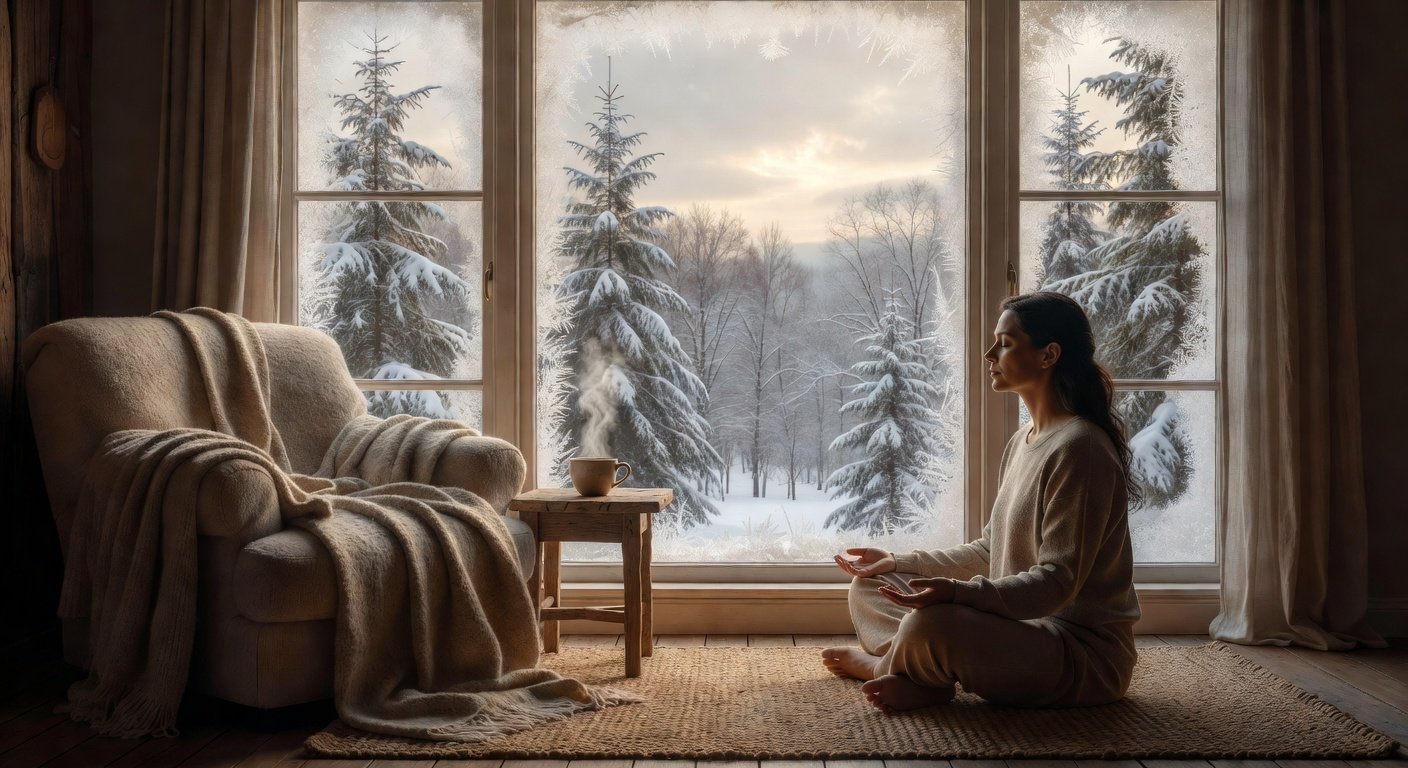
Winter invites cozy grounding techniques that embrace stillness and inner warmth. Develop indoor routines like a five-minute body scan beside a window while holding a warm beverage, or brief outdoor stands to feel cold air on the skin. Layer clothing for comfort and dim lights to simulate natural dusk.
Examples from Nordic countries feature candlelit grounding sessions, while milder Southern Hemisphere winters use indoor plant tending as a proxy. City dwellers might incorporate public library corners with nature views, versus countryside homes with direct snow vistas. These methods build emotional steadiness during darker months.
Practical Steps for Adapting Daily Routines
Integrating seasonal rituals requires thoughtful planning. First, audit your weekly calendar to identify 10- to 15-minute windows, then match them to the current season's theme. Second, prepare minimal supplies such as a small notebook or weather-appropriate attire. Third, involve accountability by sharing intentions with a friend or using simple phone notes. Fourth, review monthly to refine based on what resonates. Real examples include remote workers blending rituals with video call breaks and parents modeling them during school commutes. Over time, these adaptations create compounding benefits for mental clarity.
Urban Versus Rural Comparison
Urban environments provide convenient access to public parks and community events yet contend with noise and limited space. Counter this by selecting early morning slots or using noise-reducing earbuds during pauses. Rural areas deliver immersive quiet and biodiversity but may require travel for variety; supplement with home-based seasonal decor like fresh branches. Both settings yield similar mindfulness gains when routines emphasize presence over perfection, as seen across diverse global communities adapting the same core practices.
Benefits Supported by Broader Insights
Beyond personal anecdotes, connecting with nature through slow living aligns with guidance from the National Park Service, which promotes outdoor time for cognitive restoration. Additional support comes from the Centers for Disease Control and Prevention, noting physical activity in natural settings aids stress reduction. These rituals thus serve as accessible entry points for sustained well-being in 2026.
Mistakes to Avoid When Starting
Common pitfalls include forcing intensity too soon, ignoring personal energy fluctuations, or comparing progress to others. Instead, remain flexible with timing and focus on enjoyment. Another error is neglecting weather preparation, which can be solved by having indoor alternatives ready. Tracking these adjustments prevents discouragement and supports long-term adherence.
FAQ: Addressing Common Obstacles
- How to handle unpredictable weather? Maintain a flexible plan with indoor backups such as guided imagery of seasonal scenes or window-based observation.
- What if time feels too limited? Break rituals into micro-moments, like two-minute breath checks during transitions, and build upward.
- Can these work in extreme climates? Yes, by modifying exposure length and focusing on sensory elements available indoors or via controlled outings.
- Is prior experience necessary? No, beginners thrive by starting with one season and expanding, using simple observation as the foundation.
- How to stay motivated long-term? Celebrate small consistencies with seasonal treats and revisit initial intentions periodically.
Conclusion
Seasonal nature rituals embedded in slow living routines provide a comprehensive framework for mindfulness and stress reduction throughout 2026. Through detailed seasonal practices, adaptable steps, real climate examples, and comparisons between urban and rural living, these methods offer depth and accessibility. By addressing obstacles via the FAQ and avoiding common mistakes, anyone can cultivate lasting presence. Begin with the current season's simple ritual to experience the benefits firsthand.

No comments yet. Be the first!