 Slow Bio Hack

Introduction to Slow Living
Slow living encourages intentional pacing in a fast world, helping beginners reduce stress through mindful daily choices. This approach focuses on presence rather than productivity alone, fostering better mental health without drastic changes. By 2026, sustainable slow living integrates simple routines that fit modern schedules and technology use. Readers new to the concept often seek ways to weave mindfulness into existing habits. Core benefits include lower anxiety and improved focus, supported by resources from the World Health Organization. The philosophy draws from ancient practices but adapts to contemporary life, emphasizing quality time with family, nature, and self-care over constant achievement. Many people report feeling overwhelmed by digital notifications and packed calendars, making slow living a timely response that restores balance.
Implementing these habits gradually prevents burnout and builds resilience. Research from institutions like the Mayo Clinic highlights how consistent mindfulness reduces cortisol levels and enhances emotional regulation. This guide provides concrete steps tailored for beginners who want results without lifestyle overhauls.
Core Principles of Slow Living
At its foundation, slow living emphasizes awareness, simplicity, and balance. Awareness means noticing your current state without judgment, such as recognizing when your shoulders tense during work. Simplicity involves reducing unnecessary tasks like excessive screen scrolling or overcommitting to social events. Balance ensures rest and activity coexist, preventing the exhaustion common in rushed lifestyles. These principles guide beginners toward lasting change by prioritizing quality over quantity in daily actions. For instance, choosing one focused conversation over multiple superficial ones deepens relationships. In 2026, incorporating eco-friendly choices like walking instead of driving short distances aligns with broader wellness trends. Understanding these pillars helps individuals customize their approach based on personal values and constraints.
Starting with Small Habit Changes
Begin with intentional morning pauses. Spend three minutes upon waking to breathe deeply and set a calm tone. This prevents rushing into the day and sets a mindful precedent. Mindful transitions between tasks help maintain flow. Pause for 30 seconds, take a few breaths, and mentally close one activity before starting the next. Additional small changes include eating without screens to savor flavors and improve digestion, or limiting email checks to three designated times daily. These micro-adjustments compound over weeks, creating momentum without resistance. Beginners often start by identifying one high-stress trigger, such as chaotic mornings, and addressing it first.
Step-by-Step Habit Stacking Examples
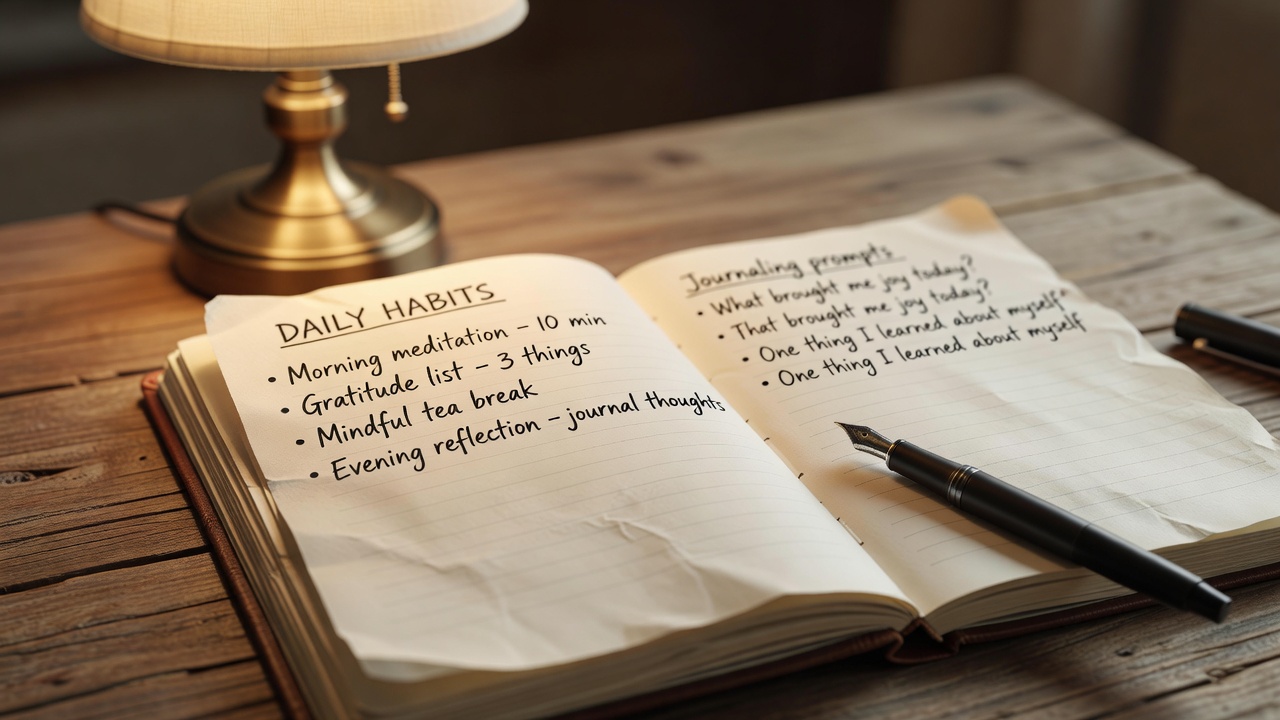
Habit stacking builds new behaviors onto existing ones for seamless integration. Example 1: After brushing teeth (existing), add a 2-minute body scan for tension release by mentally checking each body part from head to toe. Example 2: While waiting for coffee to brew, practice gratitude by noting three positive aspects of the morning in a quick mental list. Example 3: Before opening email, stand and stretch mindfully for one minute to reset posture and attention. Example 4: After finishing lunch, spend two minutes noting three sensory details from the meal to anchor yourself in the present. Example 5: When returning home from work, change into comfortable clothes and then immediately journal one win from the day. Each stack should feel natural and take under five minutes initially. Track which stacks stick best and refine them monthly.
Tracking Mindfulness Progress with Journals
Simple journals track consistency without pressure. Use a notebook to record one mindful moment daily, noting how it affected your stress levels. Include prompts like "What slowed me down today?" or "How did my body feel during transitions?" Weekly reviews reveal patterns, such as improved evenings after morning pauses. This method supports gradual refinement of routines. Consider bullet journaling for visual learners or voice notes for those who prefer speaking. Over time, entries show measurable reductions in reactive behaviors. Pairing journals with basic apps for reminders enhances accountability without adding complexity.
Comparisons: Rushed vs Intentional Daily Flows
- Rushed flow: Jumping from alarm to tasks leads to scattered focus and higher cortisol, often resulting in afternoon crashes.
- Intentional flow: Pausing between activities creates space for clarity and sustained energy throughout the afternoon.
- Outcome difference: Intentional days often end with greater satisfaction and less fatigue, allowing better sleep quality.
- Long-term impact: Rushed patterns increase burnout risk, while intentional ones build emotional reserves and creativity.
- Relationship effects: Rushed interactions feel superficial, whereas intentional pacing fosters deeper connections with loved ones.
Real-Life Starter Routines
Morning routine: Wake naturally if possible, pause for breath, hydrate slowly, then move into light stretching before checking any devices. Workday routine: Begin with a 5-minute intention setting, use transition pauses between meetings, and take a 10-minute outdoor break at midday. Evening wind-down: Dim lights early, review the day briefly in a journal, and avoid screens 30 minutes before bed to promote restful sleep. Weekend variations might include a longer nature walk or cooking a meal from scratch without time pressure. These routines scale to different life stages, such as parenting or remote work, by focusing on presence during key moments.
Common Beginner Obstacles and Solutions
Obstacle 1: Forgetting new habits. Solution: Set phone reminders tied to existing cues like meal times. Obstacle 2: Feeling guilty about slowing down. Solution: Reframe slow living as a productivity enhancer through better recovery and fewer errors. Obstacle 3: Overwhelm from too many changes. Solution: Introduce one habit per week only and celebrate small wins. Obstacle 4: External pressures from deadlines or family. Solution: Communicate boundaries clearly and model calm behavior to influence others positively. Obstacle 5: Inconsistent motivation on busy days. Solution: Default to a single 60-second breath practice when full routines feel impossible. Addressing these proactively ensures long-term adherence.
Sustainable 2026 Approaches
Modern slow living incorporates digital minimalism tools and community support networks. Focus on seasonal adjustments, like more indoor reflection during winter months. Integrate movement with mindfulness, such as slow walks while observing surroundings. These methods avoid overwhelm by aligning with current lifestyle realities rather than requiring isolation from technology or work.
FAQ: Addressing Integration Challenges
How long until slow living feels natural?
Most beginners notice shifts within two to four weeks of consistent small practices, with deeper integration around three months.
Can slow living work with a busy job?
Yes, by embedding micro-pauses into existing workflows rather than adding time blocks, such as breathing during commutes.
What if family members resist the pace?
Share benefits gradually through your own calmer demeanor, inviting them to join optional elements like shared evening meals.
Is journaling necessary for success?
No, but it accelerates awareness; alternatives include voice memos or mental check-ins at day's end.
How does slow living differ from laziness?
It involves deliberate choices that maintain or increase effectiveness while reducing unnecessary haste and stress.
Conclusion
Building lasting slow living habits starts with tiny, repeatable actions rooted in mindfulness. Over time, these create profound stress reduction and a more fulfilling rhythm. Explore further guidance from established wellness references like the Centers for Disease Control and Prevention for complementary strategies on mental health maintenance.

No comments yet. Be the first!