 Slow Bio Hack
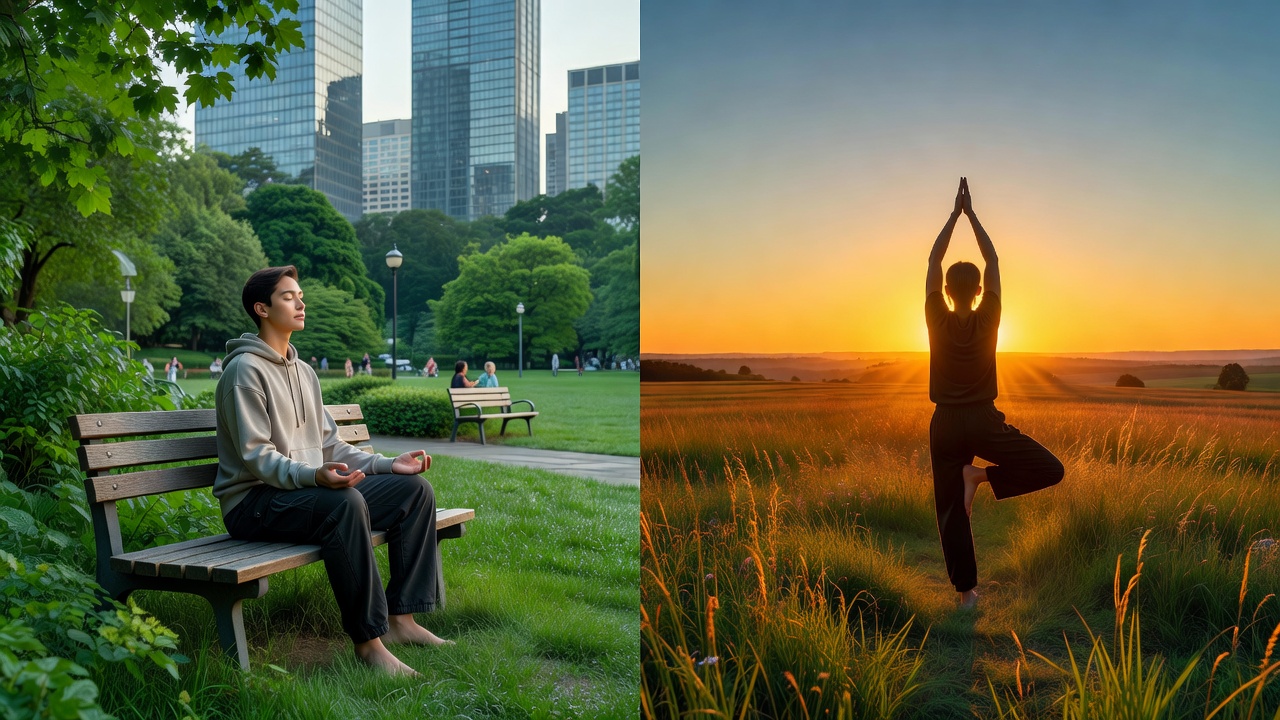
Introduction to Slow Living in Different Environments
In 2026, slow living has emerged as an essential strategy for reducing stress and enhancing mindfulness across diverse lifestyles. This approach emphasizes intentional pacing, presence, and reduced overstimulation rather than constant productivity. Urban residents often face constant sensory input from traffic, crowds, and digital notifications, while rural dwellers may contend with seasonal isolation or limited access to specialized wellness resources. Research from the World Health Organization highlights how chronic stress contributes to mental health challenges globally, making environment-specific slow living routines particularly valuable. This comprehensive guide compares the two settings, providing detailed examples, adaptation steps, and real-world insights so readers can implement changes regardless of their location or planned lifestyle transition.
Core Routine Differences Between Urban and Rural Slow Living
Urban slow living routines typically revolve around carving out brief, high-impact pauses within dense schedules. These might include five-minute breathing exercises during commutes or creating a dedicated corner for meditation in a small apartment. Rural routines, by contrast, often integrate extended periods of natural immersion, such as morning walks through fields or evening reflections under open skies. The fundamental distinction lies in external stimuli: cities require active filtering of noise and activity, whereas rural areas benefit from inherent quiet but may need intentional structure to prevent under-stimulation. Additional differences appear in community engagement, access to fresh produce for mindful meals, and the role of technology. Urban practitioners frequently use apps for guided sessions, while rural individuals might prioritize analog tools like paper journals to deepen disconnection from screens.
| Aspect | Urban Pros | Urban Cons | Rural Pros | Rural Cons |
|---|---|---|---|---|
| Access to Nature | Parks and green spaces nearby | Limited quiet areas | Abundant natural landscapes | Weather-dependent access |
| Community | Diverse groups and events | Potential overstimulation | Close-knit support networks | Risk of isolation |
| Daily Pace | Structured micro-practices | Constant distractions | Unhurried flow | Fewer external motivators |
| Resource Availability | Wellness classes and studios | Higher costs and crowding | Self-sufficiency opportunities | Limited specialized services |
Practical Mindfulness Practices in Urban Settings
City-based slow living begins with a morning ritual of five to ten minutes of seated meditation upon waking, focusing on breath awareness before checking any devices. During the workday, practitioners can adopt mindful walking techniques on short breaks, paying close attention to footfalls and surrounding sounds without judgment. Evening routines often include a digital sunset one hour before bed, replacing screen time with herbal tea preparation or light stretching. A concrete example involves a software engineer in Chicago who incorporated three daily micro-practices: balcony breathing at sunrise, a 12-minute lunch walk in a nearby park, and progressive muscle relaxation before sleep. Over eight weeks, this individual reported measurable reductions in perceived stress through consistent journaling. Another urban strategy is creating a sensory anchor, such as a small indoor herb garden tended mindfully each evening, which provides tactile engagement and fresh ingredients for intentional cooking. These practices prove adaptable even in high-density neighborhoods when combined with noise-masking techniques like soft instrumental playlists or earplugs.
Practical Mindfulness Practices in Rural Settings
Rural slow living leverages expansive environments for deeper, longer-duration practices. A typical day might start with sunrise observation from a porch or garden, followed by mindful gardening that engages all senses through soil texture and plant aromas. Midday could feature a deliberate forest bathing session, walking slowly without destination while noticing light patterns through trees. Evening wind-downs often involve stargazing or fireplace journaling to process the day’s events. Residents in agricultural areas frequently align routines with natural cycles, such as seasonal meal preparation that emphasizes gratitude for local harvests. One extended example is a family in Vermont who established weekly “slow Sundays” involving collective nature hikes and shared reflective conversations, resulting in stronger family bonds and lower anxiety levels. Rural practitioners also benefit from incorporating movement-based mindfulness like gentle yoga on open land, which combines physical activity with environmental awareness. When weather limits outdoor time, indoor alternatives such as window-gazing meditation or slow reading of physical books maintain the slow living ethos.

Step-by-Step Adaptation Guides
Transitioning to urban slow living requires a phased approach. First, conduct a two-week audit of your schedule to identify existing gaps for micro-practices. Second, designate a small physical space for mindfulness, even if it is simply a chair near a window. Third, experiment with noise-reduction tools such as white-noise apps or physical barriers. Fourth, join local community classes for accountability while maintaining personal boundaries. Fifth, track progress weekly through simple mood journals to refine what works. For rural adaptation, begin by establishing a daily structure that includes both solitude and connection, such as scheduled video calls with friends twice weekly. Next, create indoor backup plans for inclement weather, including a dedicated reading nook or home stretching area. Third, explore nearby community resources like libraries or farmers’ markets for social integration. Fourth, set gentle boundaries around technology to preserve the benefits of rural quiet. Fifth, introduce seasonal rituals, such as equinox reflections, to maintain engagement year-round. Both guides emphasize starting small and iterating based on personal response rather than adopting every suggestion at once.
Real-World Case Studies
Consider the experience of a marketing manager in Seattle who shifted from high-intensity workouts to slow urban routines including park-based walking meditation and evening tea ceremonies. After three months, she noted improved sleep quality and reduced evening anxiety, attributing success to consistency rather than intensity. In a contrasting rural case, a retired teacher in rural Montana addressed feelings of isolation by initiating a neighborhood walking group that met twice weekly for mindful strolls and conversation. Participants reported enhanced mood and a stronger sense of belonging within six weeks. A third example involves a young couple who relocated from a mid-sized city to a rural property and gradually adapted by blending urban micro-habits with new rural freedoms, such as combining balcony-style morning meditation with extended garden time. Their hybrid approach demonstrates that elements from both environments can coexist successfully during transitions.
Common Mistakes to Avoid
Many beginners attempt to replicate rural calm in cities without accounting for noise levels, leading to frustration. Others in rural areas over-schedule activities in an attempt to combat boredom, which undermines the slow living principle. Avoid comparing your progress to social media portrayals of either lifestyle, as these often present idealized versions. Instead, focus on personal metrics such as daily energy levels and sleep patterns.
Frequently Asked Questions
How do I handle city noise during slow living?
Use white noise machines or schedule practices during quieter early mornings. Focus on internal awareness rather than external silence, and consider earplugs or noise-cancelling headphones as temporary aids while building tolerance.
What if rural life feels too isolating?
Join local groups or use video calls for virtual community. Balance solitude with intentional connections through shared meals or hobby clubs. Regular check-ins with distant friends can also maintain emotional support networks.
Can I combine urban and rural elements successfully?
Yes, many people create hybrid routines by bringing nature elements indoors or using technology sparingly for connection. The key is intentional selection rather than random mixing of practices.
How long does it take to notice stress reduction benefits?
Most individuals observe initial improvements in mood and focus within two to four weeks of consistent practice, with deeper physiological changes appearing after eight to twelve weeks according to general wellness observations.
Conclusion
Urban and rural slow living routines each offer powerful pathways to stress reduction when tailored thoughtfully to their unique environments. By understanding core differences, applying practical examples, and following structured adaptation steps, individuals can cultivate mindfulness that fits their specific circumstances in 2026. Experimentation combined with patience yields the most sustainable results, allowing slow living to become a lasting foundation for mental resilience.


No comments yet. Be the first!