 Slow Bio Hack
Introduction to Mindful Fitness in 2026
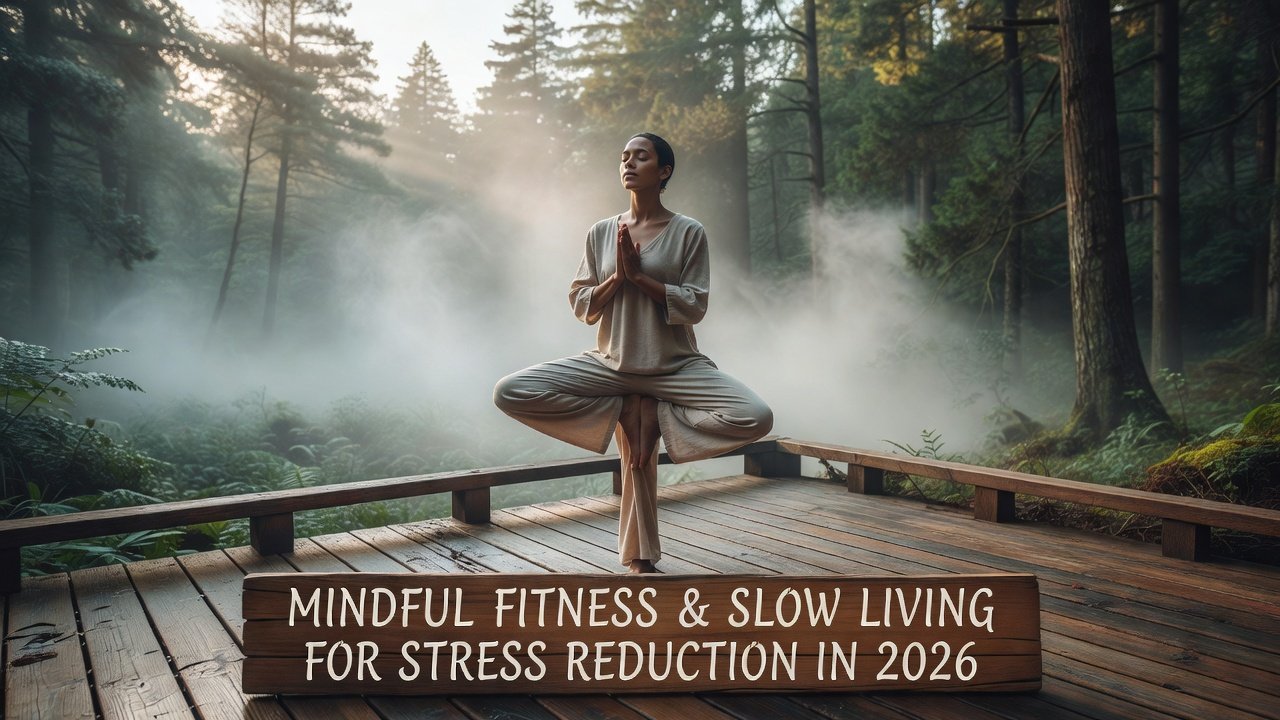
In today’s fast-paced world, many fitness enthusiasts are turning to mindful fitness as a way to combine movement with slow living principles. This approach emphasizes presence, breath awareness, and gentle progression over high-intensity efforts, leading to better stress management and long-term adherence. As we navigate 2026, integrating these routines daily supports mental clarity and physical health without burnout. Mindful fitness draws from ancient practices updated for modern life, helping readers reduce cortisol levels while building strength and flexibility. It targets those seeking calmer alternatives to intense workouts, promoting sustainable habits that fit seamlessly into busy schedules. The core idea is to move with intention rather than speed, allowing the body and mind to synchronize for deeper relaxation and improved overall wellness.
By focusing on the present moment during exercise, individuals often find that stress from work, family, and daily pressures begins to dissipate naturally. This method is particularly valuable in 2026 as societal awareness of mental health continues to grow, encouraging people to prioritize recovery and awareness alongside physical gains.
The Science Behind Mindful Fitness and Stress Reduction
Understanding the physiological mechanisms makes the benefits clear. Slow, mindful movement activates the parasympathetic nervous system, which counters the fight-or-flight response triggered by high-stress environments. Studies referenced by the World Health Organization show that regular mindfulness practices can lower blood pressure and improve emotional regulation over time. In contrast to vigorous exercise that may temporarily spike adrenaline, gentle approaches foster sustained calm by encouraging diaphragmatic breathing and body scanning techniques.
Research also links these routines to better sleep quality and reduced inflammation markers. For fitness-minded readers, this means achieving physical benefits like improved posture and joint mobility while simultaneously addressing mental fatigue. In 2026, with wearable devices tracking heart rate variability, many are discovering how mindful sessions positively influence recovery metrics more effectively than previously thought.
Understanding the Benefits of Slow Living in Fitness
Slow living routines prioritize quality over quantity, encouraging awareness during every movement. By focusing on breath and sensation, practitioners experience reduced anxiety and enhanced recovery. Key advantages include improved sleep, better emotional regulation, and decreased risk of injury compared to high-impact training. In 2026, with increasing awareness of mental health, this method aligns perfectly with holistic wellness trends. Additional benefits encompass heightened body awareness that helps prevent overtraining and fosters a positive relationship with movement rather than viewing it as punishment.
Long-term practitioners report greater resilience during challenging periods, such as career transitions or seasonal changes, because the routines build both physical endurance and mental fortitude through consistent, low-pressure practice.
Mindful Movement Practices
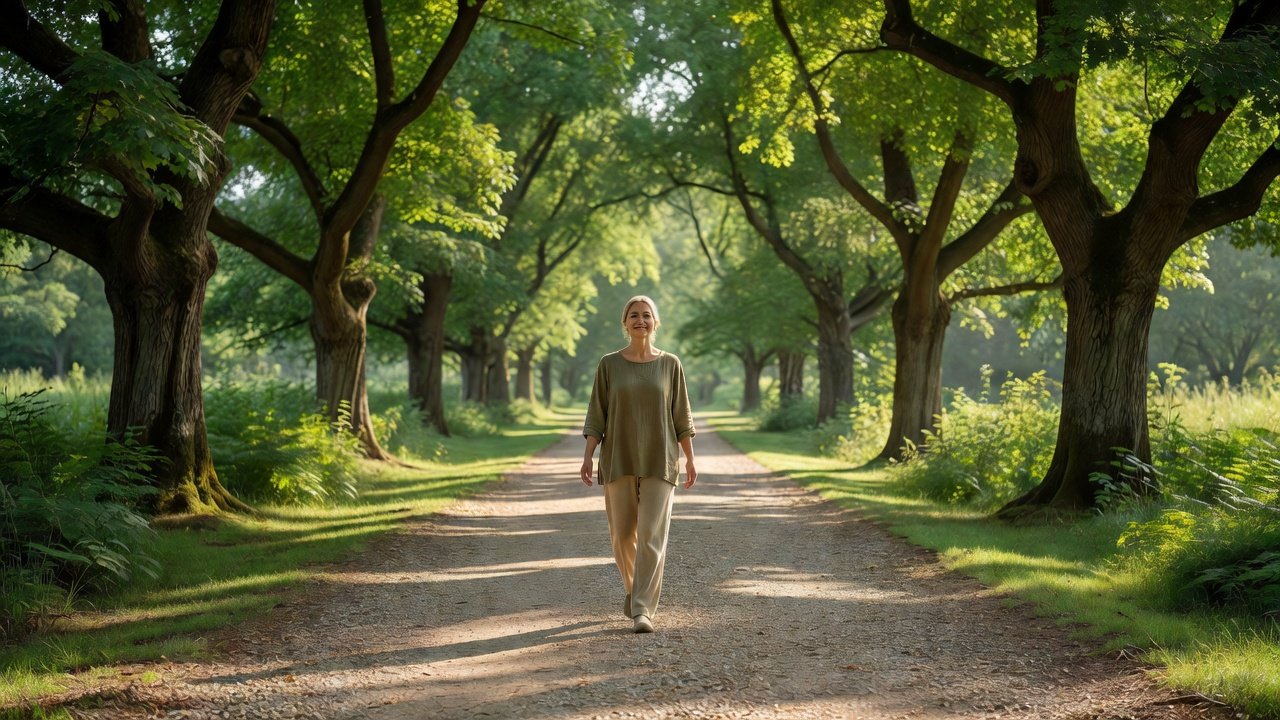
Two cornerstone practices are walking meditation and gentle yoga. Walking meditation involves slow, deliberate steps while focusing on the sensation of feet touching the ground and the rhythm of breath. Start with 10-minute sessions in a quiet outdoor space, progressing to longer walks as comfort increases. Pay attention to environmental sounds and your posture to deepen the experience.
Gentle yoga incorporates poses like child’s pose, cat-cow, and seated twists held for several breaths. These build mobility without strain, fostering a meditative state. Practice in a calm environment with soft lighting to enhance mindfulness. Variations can include incorporating props such as blocks or straps for support, making the practice accessible for beginners or those with limited flexibility.
Step-by-Step Guide to Building Your Routine
Follow these practical steps to create a personalized mindful fitness plan:
- Assess your current stress levels and movement preferences through a simple journal entry for one week.
- Choose 3-4 core practices, such as morning walking meditation and evening gentle yoga, tailored to your energy patterns.
- Schedule short sessions: begin with 15-20 minutes daily, gradually increasing duration as habits solidify.
- Incorporate environmental cues like natural light or calming music to reinforce slow living principles.
- Track progress weekly, noting energy levels, stress markers, and any physical changes.
- Adjust based on feedback, ensuring the routine remains enjoyable and adaptable for 2026 life changes such as travel or new responsibilities.
- Layer in seasonal elements, like outdoor sessions in warmer months, to maintain engagement year-round.
Consistency matters more than intensity. Real-life examples include professionals who replaced evening gym sessions with mindful walks, reporting lower stress within weeks.
High-Intensity vs. Slow Approaches: A Comparison
High-intensity interval training (HIIT) delivers quick results but can elevate stress hormones if overdone. In contrast, slow approaches like mindful fitness promote parasympathetic activation for true recovery. For stress-prone individuals, the latter offers superior sustainability and mental benefits. Choose slow living when the goal is long-term calm; opt for HIIT sparingly for athletic performance goals. Many find a hybrid works best after establishing a mindful base, alternating intense days with recovery-focused mindful movement.
Consider factors like age, current fitness level, and lifestyle demands when deciding. Slow routines excel in preventing plateaus caused by chronic stress, while high-intensity methods may suit shorter cycles when energy is abundant.
Common Mistakes to Avoid
Many beginners rush the process or judge their progress too harshly. Avoid forcing longer sessions before your mind adapts, as this can increase frustration. Another pitfall is multitasking during practice, such as listening to podcasts instead of staying present. Instead, dedicate the time fully to movement and breath. Overlooking proper form in yoga poses can also lead to discomfort, so consider occasional guidance from certified instructors via reputable online platforms.
Real-Life Examples and Daily Integration
Consider a busy parent who integrates walking meditation during school drop-off, turning commute time into mindful practice. Or an office worker using desk-friendly yoga stretches between meetings. These examples show how routines embed into existing patterns without extra time demands. In 2026, leverage technology mindfully—such as simple timers—while avoiding constant notifications. Focus on presence to maximize stress reduction. Another example involves retirees who combine gentle yoga with community groups, building social connections alongside physical mindfulness for enhanced well-being.
FAQ on Common Challenges
- How do I stay consistent? Start small and link new habits to existing ones, like post-coffee movement or pre-bed stretches.
- What if I feel restless during slow practices? Begin with shorter durations and use guided audio for focus until the mind settles.
- Can this replace all exercise? It complements other activities; consult a professional for balanced plans that include variety.
- Is it suitable for all ages? Yes, modifications make it accessible across fitness levels and life stages.
- How does weather affect outdoor walking meditation? Adapt by using indoor hallways or malls on inclement days while maintaining the same mindful focus.
Conclusion
Mindful fitness through slow living routines offers a powerful path to stress reduction in 2026. By embracing walking meditation, gentle yoga, and thoughtful integration, you create habits that nourish both body and mind. Start today for lasting calm and vitality, and remember that small, consistent steps yield the most meaningful transformations over time.

No comments yet. Be the first!