 Slow Bio Hack
Introduction to Biohacking Stress Management in 2026
Stress remains one of the most pervasive challenges in modern life, influencing everything from cognitive performance and immune function to sleep quality and emotional resilience. In 2026, biohacking has evolved into a sophisticated, data-driven discipline that goes far beyond generic wellness advice. Individuals now use targeted interventions combining wearable technology, evidence-based supplements, and specialized devices to directly modulate the body's stress response systems, including the hypothalamic-pituitary-adrenal axis and autonomic nervous system. This comprehensive approach delivers measurable reductions in cortisol levels and improvements in heart rate variability (HRV), empowering users to move from reactive coping to proactive optimization. Whether dealing with high-pressure careers, family demands, or environmental stressors, the strategies outlined here provide actionable pathways tailored to real-world implementation.
Biohacking stress management emphasizes personalization through continuous feedback loops. Rather than relying solely on mindfulness apps or occasional yoga, practitioners integrate multiple modalities that address both acute symptoms and underlying physiological imbalances. The result is sustainable resilience that supports peak mental and physical performance throughout the year.
Key Biohacking Tools for Stress Reduction
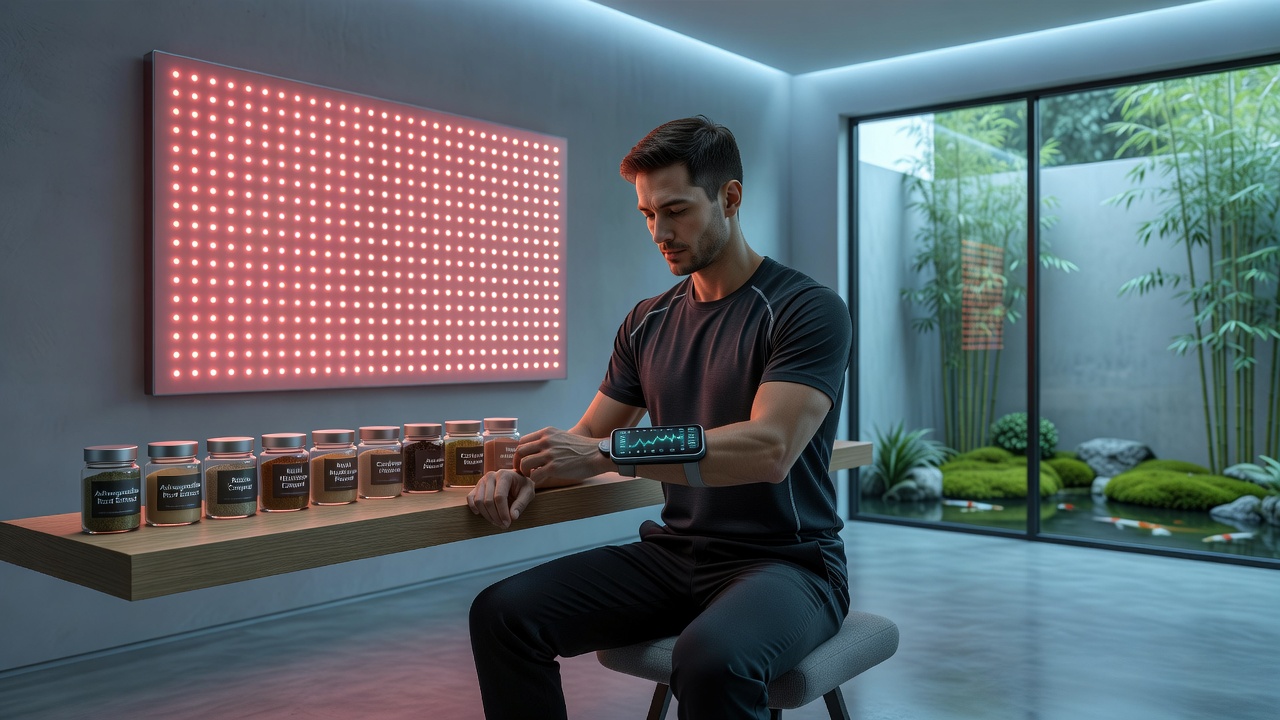
Modern biohacking tools leverage neuroscience and photobiomodulation to recalibrate the nervous system quickly. Red light therapy panels, operating in the 660-850nm range, reduce systemic inflammation and support mitochondrial function, leading to calmer states within minutes of use. Neurofeedback headbands enable users to train alpha and theta brainwaves associated with relaxation, often showing measurable shifts after just a few sessions. Programmable cold plunge systems induce controlled hormesis, strengthening the body's adaptive capacity to stressors and improving mood regulation over time. Additional 2026 innovations include pulsed electromagnetic field (PEMF) mats that enhance cellular recovery and smart sound therapy devices delivering binaural beats synchronized with personal biometrics.
These tools stand out because they provide immediate physiological feedback, unlike passive relaxation techniques. Consistent integration often results in lower resting heart rates and faster recovery from daily stressors.
Comparing Adaptogens and Light Therapy Devices
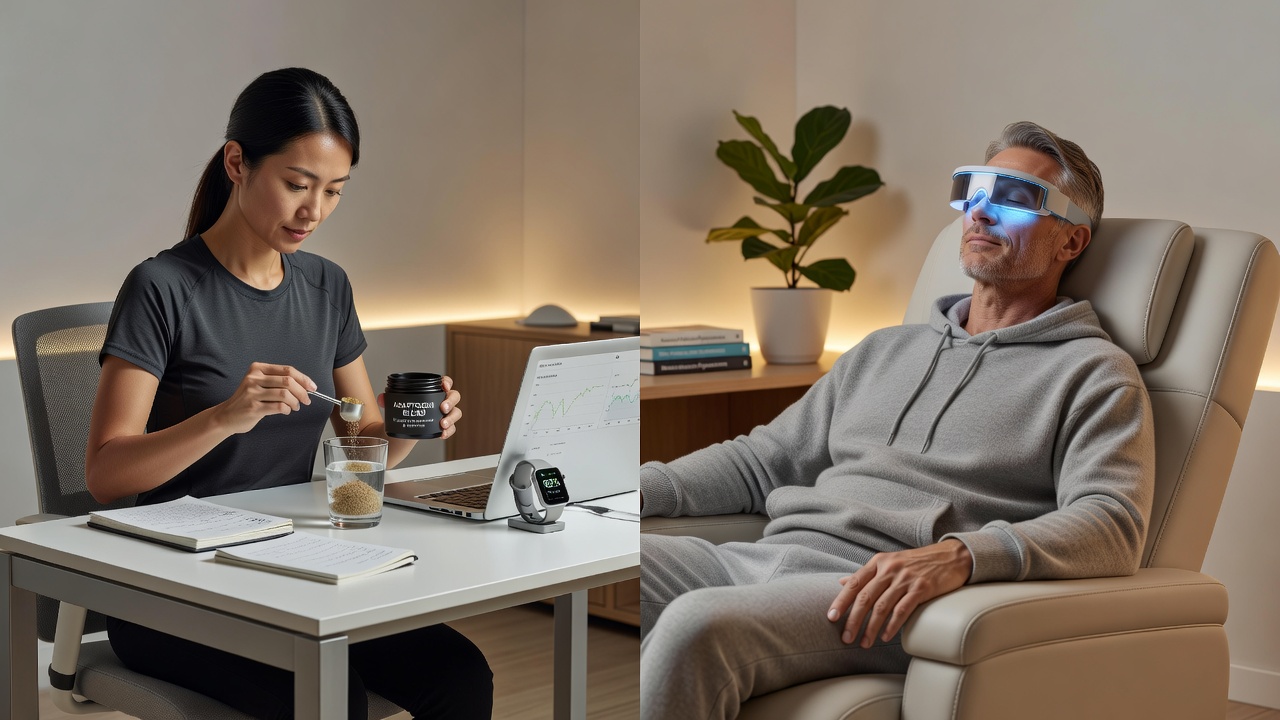
Adaptogens such as ashwagandha, rhodiola rosea, and holy basil work by modulating cortisol production and supporting adrenal health, making them ideal for long-term baseline resilience. Effects typically build over weeks of daily use, with studies showing reductions in perceived stress scores. Light therapy devices, by comparison, offer rapid intervention by influencing circadian rhythms and neurotransmitter balance, often producing noticeable calm within 15-20 minutes. Many biohackers combine both: morning adaptogen intake for foundational support paired with evening light therapy sessions for wind-down. This hybrid model frequently outperforms single-modality approaches by addressing both chronic and acute stress layers.
Essential Supplements for Stress Optimization
Beyond adaptogens, targeted supplements include magnesium glycinate to support GABA activity and muscle relaxation, L-theanine to promote focused calm without drowsiness, and phosphatidylserine to blunt cortisol spikes during demanding periods. Additional options like omega-3 fatty acids help reduce neuroinflammation, while saffron extract has demonstrated mood-stabilizing properties in recent research. Users should prioritize third-party tested products and introduce one supplement at a time to assess individual responses accurately.
Step-by-Step Implementation Routines
Building an effective routine starts with assessment and scales to full integration. Begin by establishing a seven-day baseline using a wearable to record HRV, sleep architecture, and stress scores. Incorporate 10-15 minutes of morning natural light exposure or red light therapy immediately after waking to regulate circadian timing. Mid-morning, take adaptogens with a protein-rich meal to enhance absorption. Schedule 20-minute neurofeedback or guided breathing sessions in the late afternoon when cortisol naturally dips. End evenings with a 10-minute cold exposure protocol or PEMF session followed by journaling to reinforce positive patterns. Weekly reviews allow adjustments, such as increasing supplement dosage or swapping device protocols based on data trends.
- Track daily inputs like caffeine intake and screen time alongside biometric outputs.
- Experiment with one new variable per week to isolate effective changes.
- Pair routines with accountability partners or apps for consistency.
Tracking Progress with Wearables
Wearable devices provide objective metrics that subjective feelings often miss. Key indicators include nightly HRV trends, deep sleep percentages, and daytime stress load scores. Advanced users correlate these with environmental factors such as work deadlines or travel, revealing personalized triggers. Over months, this data reveals clear cause-and-effect relationships, enabling precise protocol refinements that compound into significant quality-of-life gains. Popular platforms integrate AI-driven recommendations that adapt in real time to user biometrics.
Real-Life User Examples
A software engineer facing chronic deadline pressure implemented red light therapy combined with magnesium and daily HRV tracking. Within four weeks, his average stress score dropped noticeably, accompanied by improved focus and fewer evening anxiety episodes. Another example involves a healthcare worker who layered adaptogens with neurofeedback sessions; she reported enhanced emotional regulation during high-stakes shifts and better recovery sleep, validated by wearable data showing 15% higher HRV averages. A third case featured a parent managing remote work and childcare who used cold exposure routines alongside L-theanine, resulting in sustained energy without afternoon crashes.
Common Mistakes to Avoid
Many beginners overload protocols too quickly, leading to inconsistent adherence or overlooked interactions. Ignoring sleep hygiene while adding devices often undermines results. Another frequent error is neglecting professional medical consultation before starting supplements, particularly for those with existing conditions. Gradual layering and regular data review prevent these pitfalls and maximize long-term success.
FAQs on Safety and Efficacy
Are these biohacking methods safe for everyone?
Most tools and supplements demonstrate strong safety profiles when used according to guidelines, yet individuals with cardiovascular issues, pregnancy, or medication regimens should consult healthcare providers prior to adoption.
How long until results appear?
Device-based interventions often yield acute benefits within days, while supplement effects accumulate over two to six weeks of consistent application, depending on dosage and individual metabolism.
Can I combine multiple approaches?
Layered protocols tend to produce the strongest outcomes when introduced sequentially and monitored closely for tolerance and synergy.
For deeper understanding of stress physiology and evidence-based interventions, refer to authoritative sources including Mayo Clinic, National Institutes of Health, Centers for Disease Control and Prevention, and World Health Organization.
Conclusion
Optimizing stress levels through biohacking tools and supplements in 2026 represents a powerful shift toward personalized, measurable wellness. By thoughtfully combining devices, targeted nutrition, structured routines, and continuous tracking, individuals can achieve lasting reductions in stress impact while enhancing overall vitality and cognitive function. The key lies in consistent, data-informed application tailored to personal needs and lifestyle constraints.
No comments yet. Be the first!