 Slow Bio Hack
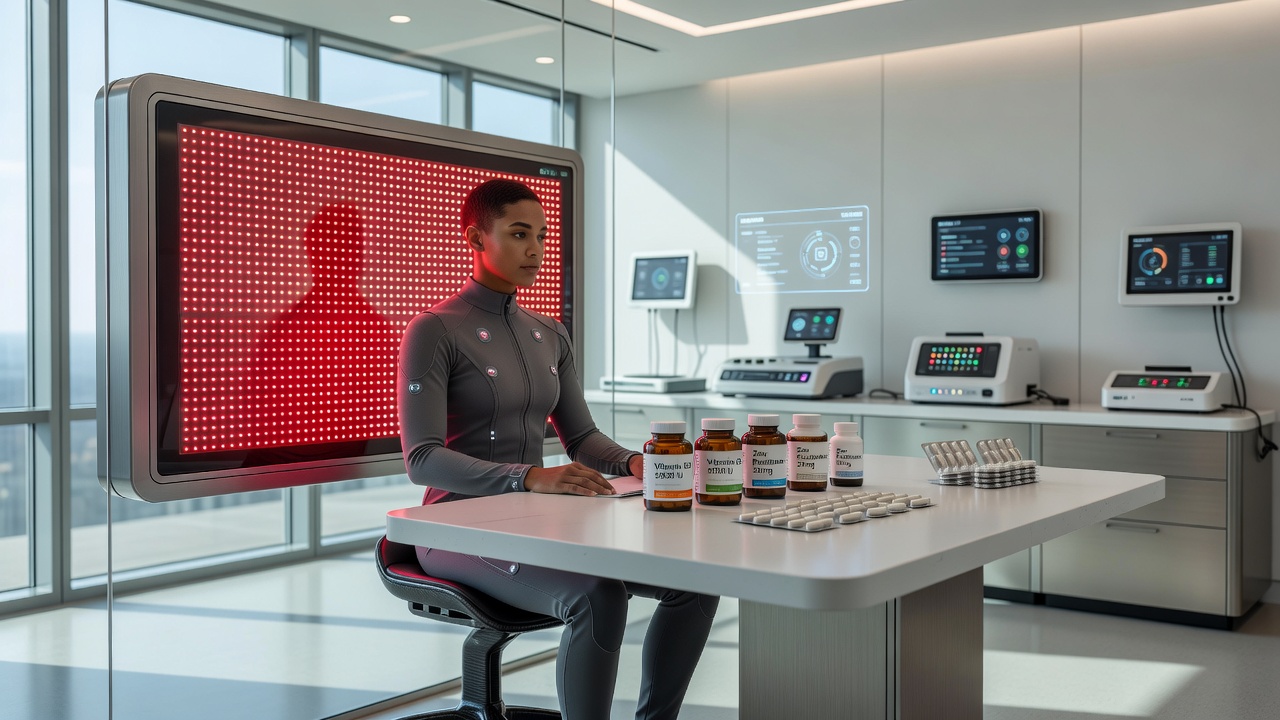
Introduction to Immune Optimization in 2026
Immune optimization has become a cornerstone of modern wellness as individuals seek measurable ways to enhance resilience against illness. This 2026 guide explores biohacking tools that combine targeted supplements like vitamin D and zinc with innovative gadgets such as red light therapy devices and air purifiers. By focusing on evidence-based approaches, readers can achieve reduced inflammation markers and improved overall health outcomes. Biohacking emphasizes personalization and tracking, allowing users to integrate these methods into daily life for sustainable results. Whether you're a beginner or advanced practitioner, the strategies here provide actionable steps backed by scientific principles. The goal is not just short-term boosts but long-term resilience through consistent application of both nutritional and technological interventions.
Understanding the science behind these tools starts with recognizing how the immune system responds to environmental and internal factors. Supplements address deficiencies that impair immune cell function, while gadgets create optimal conditions for recovery and defense. Together they form a comprehensive system that many users track through regular bloodwork and symptom journals. This integrated method has gained traction among those looking to move beyond generic advice toward quantifiable improvements.
Key Supplements for Immune Support
Vitamin D plays a critical role in modulating immune responses by regulating the production of antimicrobial peptides. Zinc supports cellular repair and pathogen defense by aiding enzyme activity in white blood cells. Stacking these with other nutrients like magnesium creates synergistic effects that enhance absorption and reduce oxidative stress. Start with baseline blood tests to determine deficiencies before beginning any regimen. Common testing panels measure serum 25-hydroxyvitamin D levels and plasma zinc concentrations to guide dosing decisions.
- Assess levels through lab work every three months to adjust intake based on seasonal changes.
- Combine with omega-3 fatty acids for enhanced absorption and anti-inflammatory benefits.
- Monitor for interactions with existing medications through consultation with a healthcare provider.
- Consider timing: take vitamin D in the morning with fat-containing meals for better uptake.
Additional considerations include cycling certain nutrients to prevent tolerance and pairing them with lifestyle factors such as adequate sleep. Real-world users often report noticeable differences in energy and fewer seasonal illnesses after three to six months of consistent use.
Wellness Gadgets That Amplify Results
Red light therapy devices stimulate mitochondrial function through specific wavelengths, potentially lowering inflammation and supporting tissue repair. High-quality air purifiers reduce airborne irritants and pathogens, creating a cleaner environment for recovery and daily function. These tools complement supplement stacks by addressing external factors that impact immunity, such as poor indoor air quality and limited natural light exposure. Comparisons show gadgets often provide faster visible changes in energy and sleep quality, whereas supplements excel in long-term biomarker improvements. Many biohackers report combining both for optimal efficacy, noting that devices help maintain consistency when motivation wanes.
When selecting gadgets, prioritize those with clinically validated wavelengths for red light units and HEPA filtration standards for air purifiers. Integration into existing routines becomes easier when devices are placed in high-traffic areas like home offices or bedrooms. Users frequently combine morning red light sessions with evening air purification to create a full-day supportive ecosystem.
Step-by-Step Daily Protocols
Implement a morning routine starting with 15 minutes of red light exposure followed by supplement intake. Afternoon focus shifts to hydration and movement, while evening protocols emphasize air purification and winding down to support restorative sleep. Consistency is key to tracking progress through apps or journals. Begin slowly by introducing one element at a time over the first two weeks to avoid overwhelm.
Sample Morning Protocol
- Wake and hydrate with electrolyte water within 30 minutes of rising.
- Use red light therapy for 10-20 minutes while reviewing daily goals.
- Take vitamin D and zinc with a balanced breakfast containing healthy fats.
- Log initial energy levels and any noticeable changes in a tracking app.
Sample Evening Protocol
- Activate air purifier in bedroom two hours before sleep.
- Review weekly inflammation notes and adjust next-day plans.
- Practice light stretching or breathing exercises to reduce cortisol.
- Ensure total supplement intake aligns with daily targets.
Real-World Biohacker Examples
Seasoned practitioners like those in longevity communities often share protocols involving quarterly inflammation marker tests such as CRP and IL-6 levels. One example involves pairing air purifiers with zinc during high-pollen seasons, resulting in fewer respiratory issues and improved sleep scores. Another biohacker documented combining red light therapy with vitamin D supplementation over eight weeks, noting a 25 percent drop in reported fatigue days. These cases highlight the importance of personalization and data-driven adjustments rather than following generic templates. A third case study from online wellness forums described integrating all four tools into a hybrid routine that reduced seasonal allergy symptoms significantly within one month.
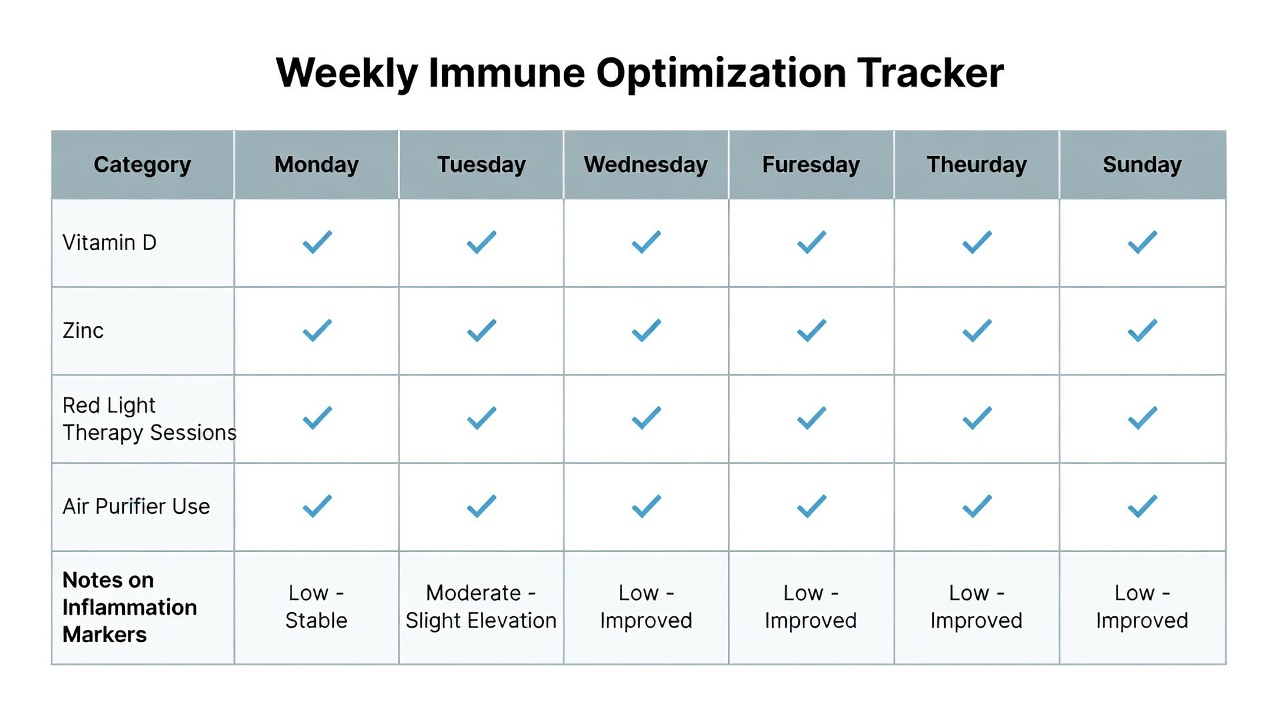
Sample Weekly Tracker
Use this template to log daily activities and note changes in energy or inflammation signs. Review weekly to refine your approach and identify patterns. Track subjective metrics like mood alongside objective data from home test kits when available.
| Day | Supplements | Gadgets Used | Notes on Energy & Markers |
|---|---|---|---|
| Monday | Vitamin D, Zinc | Red Light, Air Purifier | Energy high, CRP stable |
| Tuesday | Vitamin D, Zinc, Magnesium | Red Light | Improved focus |
| Wednesday | Vitamin D, Zinc | Air Purifier | Reduced congestion |
Comparisons: Gadgets vs Supplement Stacks
Gadgets offer immediate environmental benefits but require upfront investment in quality devices and occasional maintenance. Supplement stacks are more accessible and portable yet demand ongoing adherence and periodic testing. Hybrid approaches yield the best measurable outcomes according to user reports, as gadgets handle external variables while supplements target internal deficiencies. Decision factors include budget, living environment, and willingness to track multiple variables simultaneously.
Measuring Outcomes and Tracking Inflammation Markers
Success is best evaluated through periodic lab tests measuring C-reactive protein and interleukin levels. Home devices such as smart scales or sleep trackers provide supplementary data on recovery trends. Users who combine these metrics with symptom diaries achieve clearer insights into what adjustments produce the strongest results. Aim for gradual improvements rather than dramatic overnight changes.
Common Mistakes to Avoid
Many beginners skip baseline testing and jump straight into high doses, leading to imbalances. Others neglect device maintenance, reducing gadget effectiveness over time. Overloading protocols without gradual integration often causes burnout and inconsistent results. Always prioritize quality sourcing for both supplements and hardware to ensure safety and efficacy.
FAQ on Integration Challenges
How do I start if new to biohacking? Begin with one supplement and one gadget, tracking for two weeks before adding more elements.
What if markers don't improve? Consult a healthcare professional and adjust based on individual responses and test results.
Can I travel with these tools? Portable red light panels and travel-sized supplement packs make integration possible on the road.
How long until results appear? Most users notice subjective improvements within four to six weeks, with biomarker changes visible after eight to twelve weeks.
Conclusion
Immune optimization through biohacking tools empowers proactive health management. By blending supplements, gadgets, and consistent tracking, users can realize meaningful improvements in 2026 and beyond. Explore resources from World Health Organization and National Institutes of Health for further guidance on evidence-based practices.

No comments yet. Be the first!