 Slow Bio Hack
Introduction to Biohacking for Athletic Gains
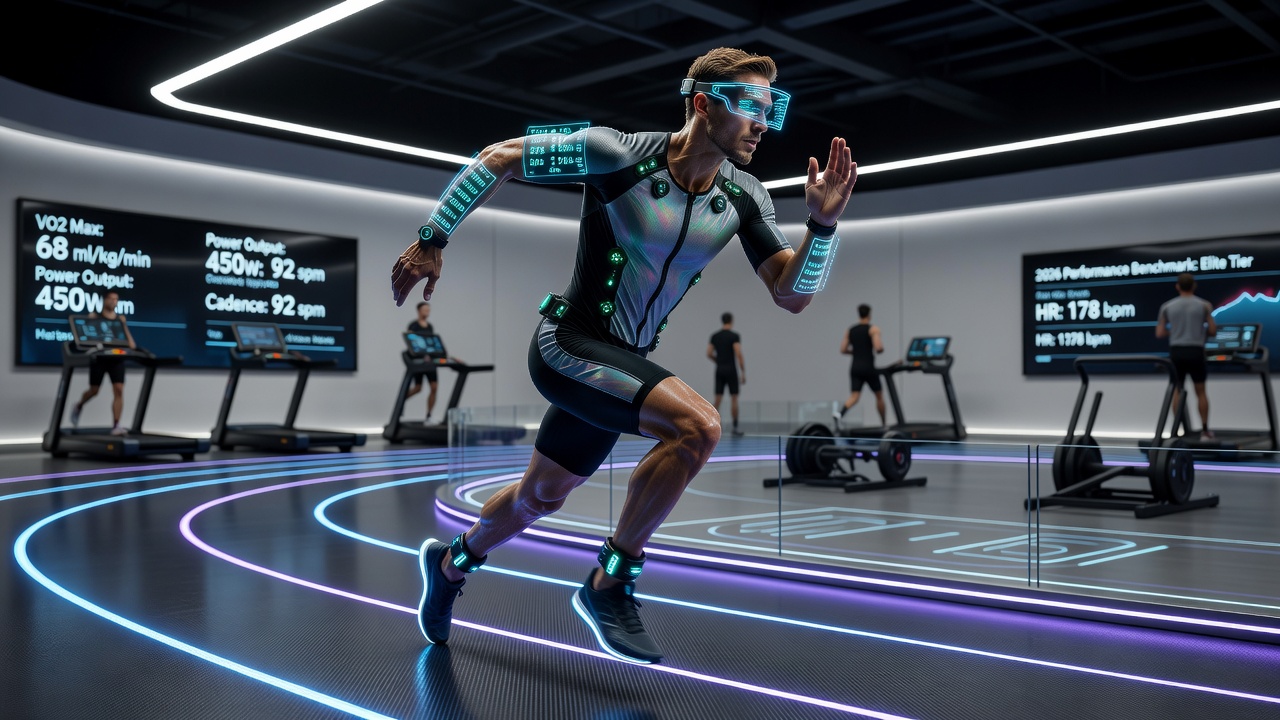
In 2026, athletes seeking measurable improvements in performance are turning to targeted biohacking strategies. These methods combine data-driven wearables, precise supplementation, and advanced gadgets to optimize training zones, accelerate muscle repair, and enhance endurance without relying on generic wellness advice. Performance-focused individuals benefit from integrating tools that provide real-time feedback and evidence-backed interventions. This approach moves beyond basic training to deliver quantifiable results in strength, recovery, and overall output. Whether you are a competitive runner, weightlifter, or team sport athlete, biohacking offers pathways to break through plateaus by leveraging technology and science. The focus remains on measurable gains such as improved VO2 max, faster recovery times, and increased power output rather than vague feelings of wellness.
Biohacking for athletics emphasizes personalization. What works for one individual may require adjustment for another based on genetics, training history, and lifestyle factors. Athletes who succeed typically begin with comprehensive baseline assessments including blood work, movement screenings, and performance testing. From there, they layer in tools systematically to avoid overwhelm and track cause-and-effect relationships clearly.
Wearable Trackers for Precise Training Zones
Modern wearables allow athletes to monitor heart rate variability, lactate thresholds, and recovery metrics. Devices like advanced chest straps and smartwatches help define personalized training zones, preventing overtraining while maximizing aerobic and anaerobic capacity. Implementation starts with baseline testing: wear the device during a controlled workout to establish zones. Adjust intensity weekly based on data trends. Athletes report improved endurance after consistent use, with examples from endurance runners who reduced race times by aligning sessions to zone-specific protocols. For instance, a marathon runner might spend 80 percent of training in zone two for aerobic base building while reserving high-intensity intervals for zone four or five.
Advanced features now include continuous glucose monitoring integration and sleep stage analysis that correlate directly with next-day performance. Comparing popular models involves evaluating sensor accuracy, battery life, and ecosystem compatibility with training apps. Many athletes pair multiple devices, such as a wrist unit for daily activity alongside a chest strap for precise sessions. This layered data approach reveals patterns invisible to subjective perception alone.
Evidence-Based Supplements for Muscle Repair
Supplements play a critical role when selected for their impact on protein synthesis and inflammation reduction. Key options include creatine monohydrate for power output and omega-3 fatty acids for joint health and recovery. Additional compounds such as beta-alanine for buffering lactic acid and branched-chain amino acids for reducing soreness have strong supporting research. A practical routine involves timing intake around workouts: 5g creatine post-training paired with a protein source. Compare options by checking third-party testing for purity. Real examples include professional cyclists who integrate these into daily regimens to support high-volume training loads.
Understanding bioavailability and individual response is essential. Some athletes benefit from cycling certain supplements while others maintain consistent daily intake. Blood biomarker tracking every four to six weeks helps confirm effectiveness and prevents unnecessary accumulation. Nutrition timing also matters: consuming protein within two hours post-exercise maximizes muscle protein synthesis rates according to established sports nutrition principles.
Integrating EMS Devices for Enhanced Activation
Electrical muscle stimulation (EMS) gadgets provide targeted contractions to complement traditional lifts. They aid in recruiting fast-twitch fibers and speeding recovery when used strategically. Step-by-step: Begin with low-intensity sessions on major muscle groups post-workout, gradually increasing duration. Compare models by electrode coverage and app integration. Athletes in strength sports have used EMS to break plateaus, noting enhanced muscle activation during off-season training. 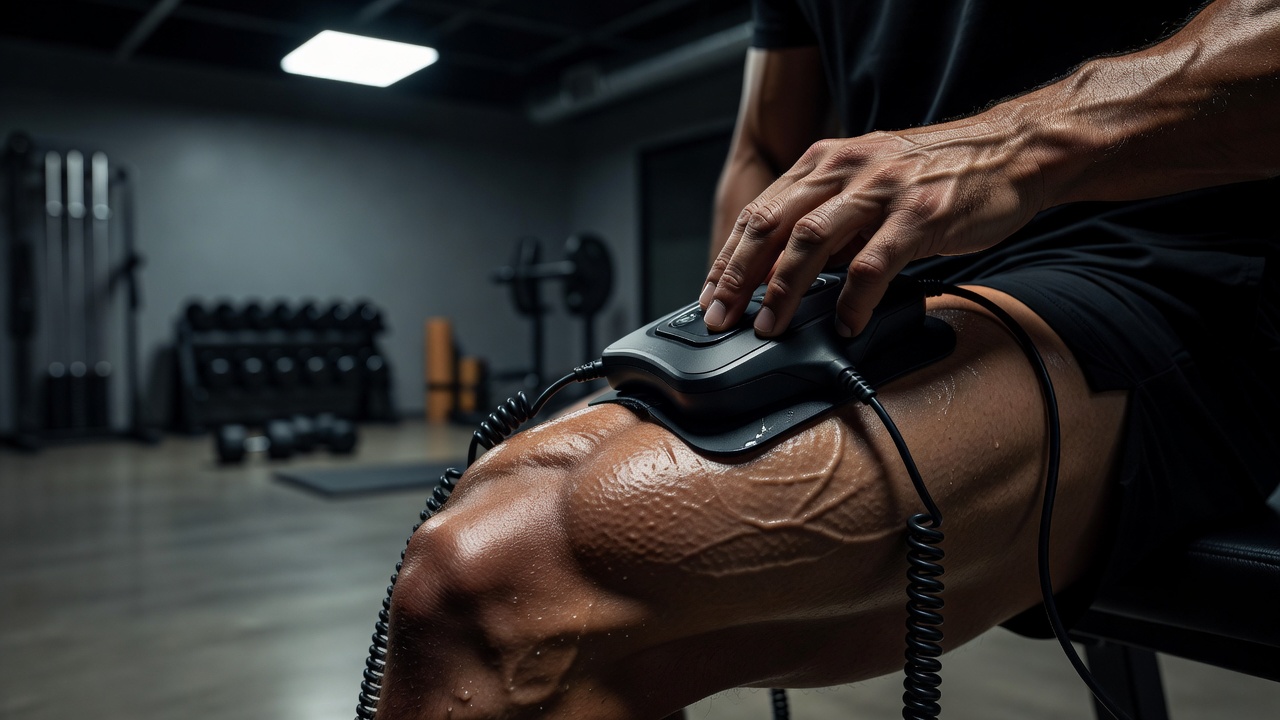
EMS protocols often combine with mobility work or active recovery days. Sessions typically last 20 to 30 minutes and target specific imbalances, such as weak glutes or underactive core stabilizers. When integrated thoughtfully, these devices accelerate rehabilitation from minor injuries and maintain muscle mass during deload periods.
Step-by-Step Implementation Routines
Creating sustainable routines requires structure. Follow this sequence for best results:
- Assess current metrics using a wearable for one week to establish baselines in heart rate, sleep, and activity.
- Select one supplement protocol and track effects for 14 days while maintaining consistent training.
- Incorporate EMS twice weekly, logging perceived recovery and any changes in strength metrics.
- Review data monthly and adjust zones, dosages, or gadget settings based on trends.
- Re-test performance markers such as time trials or one-rep max every six weeks to quantify progress.
These routines emphasize consistency and measurement over random experimentation. Many athletes journal subjective feelings alongside objective numbers to identify discrepancies early.
Product Comparisons and Athlete Examples
When comparing wearables, focus on accuracy in HRV tracking versus battery life. Supplements vary in bioavailability, with micronized forms often preferred. EMS units differ in portability and preset programs. Triathletes combining all three tools frequently achieve personal bests, illustrating how data integration leads to superior adaptations compared to traditional methods alone. One documented case involved a professional cyclist who improved his functional threshold power by 8 percent over a season through combined wearable-guided intervals, targeted creatine timing, and weekly EMS sessions on key muscle groups.
Another example comes from a CrossFit athlete who reduced injury downtime by 40 percent after adding recovery-focused EMS and omega-3 supplementation while monitoring sleep metrics. These real-world outcomes highlight the value of synergistic tool use rather than isolated interventions.
Monitoring Progress and Avoiding Common Pitfalls
Regular data review prevents stagnation. Use dashboards from wearable apps to visualize trends in recovery scores and training load. Common pitfalls include ignoring subjective fatigue signals, introducing too many changes simultaneously, and neglecting sleep optimization. Addressing these requires periodic deload weeks and consultation with coaches or sports medicine professionals when data conflicts with physical sensations.
FAQ: Addressing Common Optimization Pitfalls
How do I avoid over-reliance on gadgets?
Balance data with subjective feel; use tools as guides, not absolutes. Schedule periodic technology-free training blocks to maintain intuitive awareness of effort.
What if supplements cause digestive issues?
Start with lower doses and consult testing for tolerances. Consider splitting intake or switching to alternative forms with better gastrointestinal tolerance.
Are EMS devices safe for daily use?
Follow manufacturer guidelines and alternate with active recovery days. Overuse can lead to muscle fatigue rather than adaptation.
How long before seeing measurable results?
Most athletes notice initial improvements in recovery within two to four weeks, with performance gains typically emerging after eight to twelve weeks of consistent application.
By following these evidence-informed strategies, athletes can achieve sustainable performance elevations in 2026. For further reading, explore resources from NCBI, Mayo Clinic, and CDC.


No comments yet. Be the first!