 Slow Bio Hack
Introduction to Biohacking Skin Health in 2026
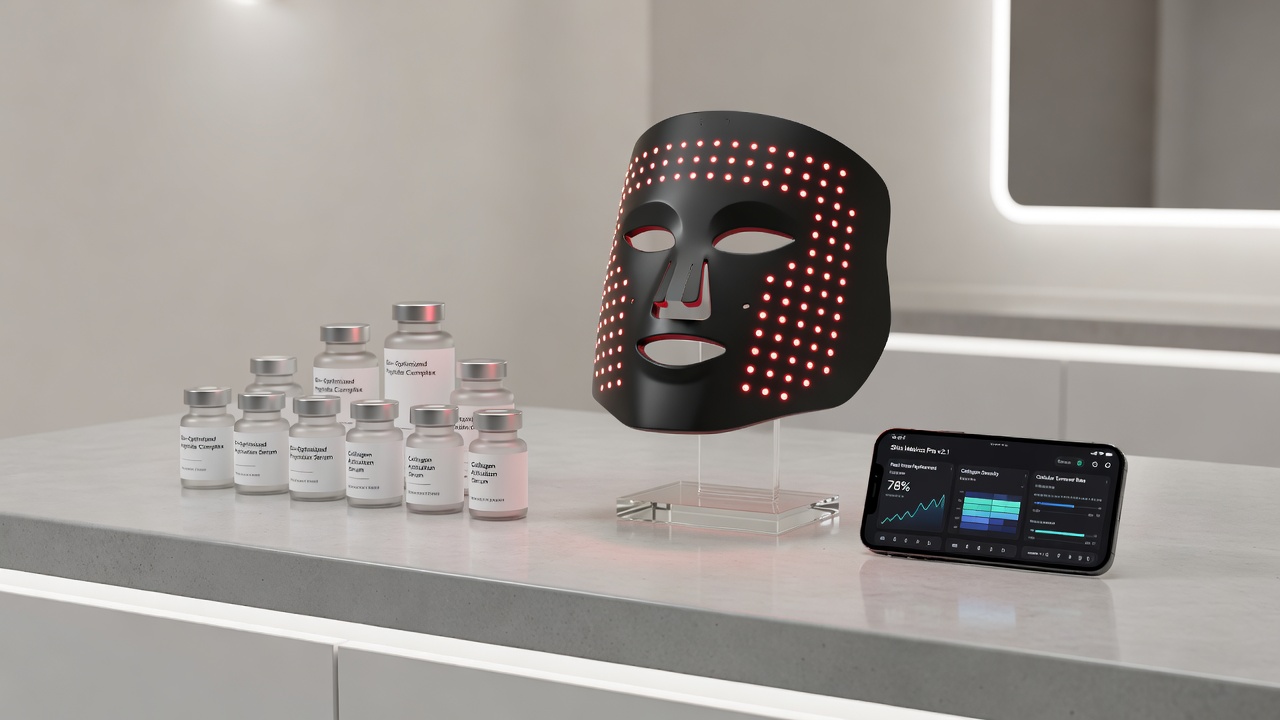
Biohacking skin health involves using targeted technology and supplements to optimize cellular processes for better hydration, reduced inflammation, and slower aging. In 2026, individuals are moving beyond basic skincare routines toward evidence-based methods that address skin at the mitochondrial level. This approach combines non-invasive gadgets with adaptogenic and peptide-based interventions for measurable improvements in radiance and resilience. Users seeking advanced non-invasive solutions often explore how these tools integrate into daily life. Evidence from cellular biology shows that consistent application can enhance collagen production and barrier function when combined with lifestyle tracking. The focus remains on practical integration rather than fleeting trends, allowing people to achieve visible results through disciplined routines that target aging, inflammation, and hydration simultaneously.
Many enthusiasts begin by researching how specific wavelengths interact with skin cells to stimulate repair. This foundation helps avoid generic products that lack measurable impact. As interest grows, communities share protocols that blend devices with internal support systems for comprehensive optimization.
Understanding Cellular Mechanisms Behind Skin Biohacking
At the core of effective skin optimization lies an understanding of how mitochondria in skin cells respond to external stimuli. Red and near-infrared light can boost ATP production, which fuels repair processes and reduces the buildup of reactive oxygen species that contribute to premature aging. Peptides work internally by signaling fibroblasts to increase collagen and elastin synthesis. When these mechanisms are combined, inflammation pathways are modulated more effectively, leading to improved barrier function and hydration retention over time. Practical details include monitoring skin pH levels and transepidermal water loss as indirect indicators of cellular health.
Comparisons between isolated gadget use and stacked approaches reveal that the latter often accelerates visible changes because internal nutrient support complements external energy delivery. Beginners benefit from starting with foundational knowledge before investing in multiple tools.
Selecting Evidence-Based Gadgets for Cellular Skin Optimization
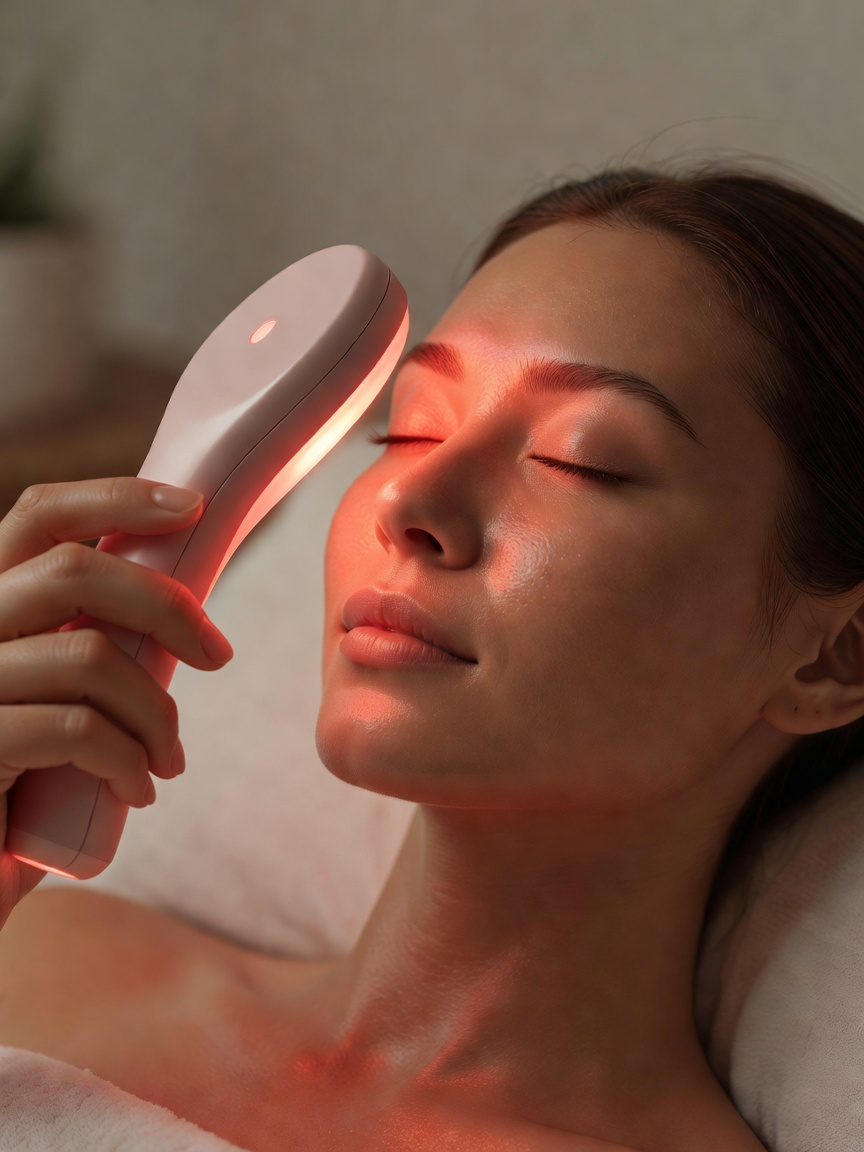
Choosing the right devices starts with understanding wavelengths and their effects. Red and near-infrared LED therapy masks penetrate the dermis to stimulate ATP production, supporting repair and reducing oxidative stress. Blue light options target surface bacteria for those dealing with persistent inflammation. When evaluating options, prioritize devices with clinical backing on irradiance levels and safety certifications. Users should consider session duration, typically 10-20 minutes, and consistency over months rather than expecting overnight changes. Comparisons show that home-use panels offer convenience while professional-grade masks provide targeted coverage for the face and neck. Factors such as build quality, wavelength precision, and integration with mobile apps for guided sessions further differentiate quality options from lesser alternatives.
Additional considerations include portability for maintaining routines during travel and compatibility with various skin types to minimize irritation risks. Evidence-based selection involves reviewing independent studies on photobiomodulation rather than relying solely on marketing claims.
Key Factors in Gadget Selection
- Wavelength accuracy: 630-850nm range for anti-aging benefits
- Build quality and eye protection features
- App integration for progress logging
- Portability for travel routines
- Certification from recognized safety bodies
Stacking with Adaptogenic and Peptide Supplements
Supplements enhance gadget results by providing internal support. Peptides such as collagen-derived types promote elasticity, while adaptogens like ashwagandha help manage cortisol-related inflammation that accelerates skin aging. Stacking involves timing intake around therapy sessions to maximize absorption and synergy. For example, a morning routine might include a peptide serum followed by LED exposure, then an evening adaptogen blend to support overnight recovery. Real-user examples demonstrate that combining these with adequate sleep and hydration yields visible improvements in texture within 8-12 weeks. Always consult healthcare providers before starting new regimens, especially for those with sensitivities. Expanding the stack gradually allows individuals to identify which components deliver the most noticeable benefits for their unique skin profiles.
Further depth comes from understanding bioavailability differences among peptide forms and how adaptogens influence stress hormones that indirectly affect skin barrier integrity. This layered method creates sustainable results beyond surface-level treatments.
Tracking Progress Through Dedicated Apps and Metrics
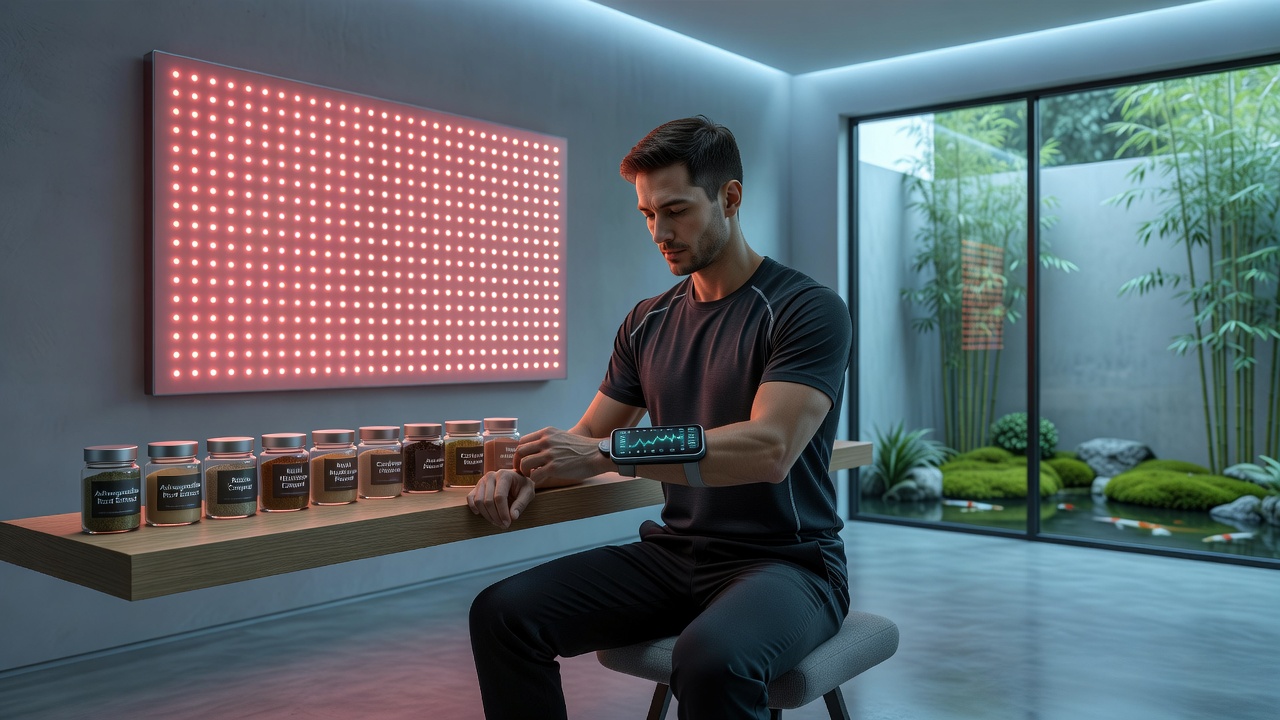
Modern biohackers leverage smartphone applications to log skin metrics such as hydration levels, redness scores, and elasticity readings from compatible devices. These tools create visual timelines that reveal trends invisible to the naked eye. Popular approaches include weekly selfies under consistent lighting and integrating data from wearable sensors that monitor environmental factors like UV exposure. This data-driven method allows adjustments, such as increasing session frequency if inflammation markers rise. Comparisons between manual journaling and app-based tracking highlight the latter's advantage in identifying subtle patterns over time. Users often combine multiple metrics to form a holistic view, including sleep quality correlations and dietary influences that affect overall skin radiance.
Cost Considerations Versus Long-Term Results
Evaluating investments requires focusing on durability and outcomes rather than upfront expenses. High-quality LED systems and targeted peptide formulations often deliver sustained benefits that reduce reliance on multiple topical products. Qualitative analysis shows that users prioritizing evidence-backed selections report higher satisfaction compared to those opting for unverified trends. Practical steps include starting with one core gadget and building a supplement stack gradually. This phased approach minimizes overwhelm while allowing observation of individual responses. Mistakes to avoid include inconsistent use and neglecting sun protection, which can undermine all other efforts.
Real-User Case Examples and Step-by-Step Routines
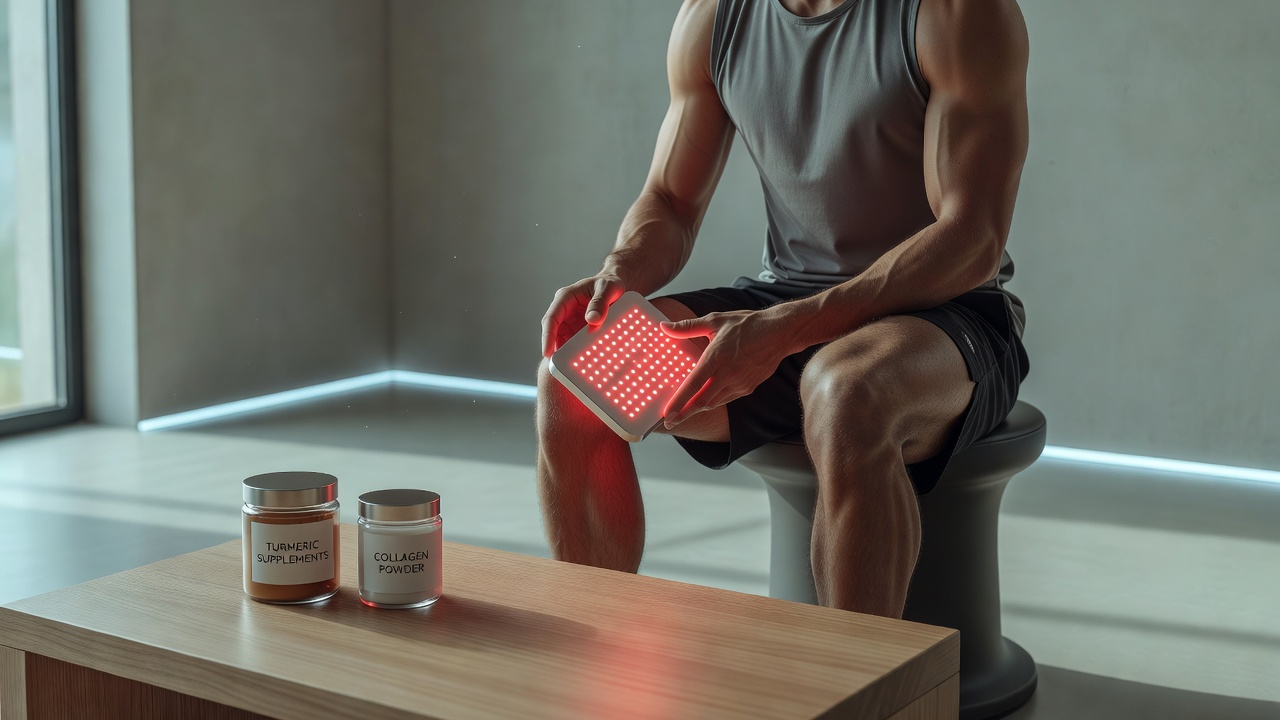
Consider a 42-year-old professional who integrated red light therapy three times weekly with a peptide supplement protocol. After consistent application, she noted improved firmness and reduced fine lines, tracked via app photos. Another example involves an athlete using blue light sessions post-workout to manage exercise-induced inflammation. A third case features a remote worker who combined adaptogens with daily hydration tracking to address chronic dryness caused by indoor environments. A sample daily routine includes morning cleansing followed by peptide application and LED exposure, midday app-based checks, and evening recovery with supplements. Weekly reviews help refine the protocol based on collected data points.
Common Mistakes to Avoid
Overlooking patch testing for new supplements can lead to unexpected reactions. Skipping eye protection during light therapy risks discomfort. Inconsistent timing disrupts the synergy between devices and internal support. Ignoring environmental factors such as humidity levels reduces overall effectiveness. Rushing to add multiple interventions simultaneously makes it difficult to isolate what works best.
FAQ on Common Pitfalls and Best Practices
What are the most frequent mistakes beginners make?
Overusing devices without proper eye protection or skipping patch tests for new supplements leads to irritation. Gradual introduction prevents these issues.
How long until results appear?
Most notice initial hydration changes in 4 weeks, with structural improvements around 12 weeks of consistent practice.
Can these methods replace professional dermatology care?
They complement but do not substitute medical advice. Persistent concerns warrant consultation with specialists.
Are there specific skin types that respond differently?
Dry and sensitive skins often benefit from added hydration focus, while oily types may prioritize anti-inflammatory wavelengths first.
For further reading on skin biology fundamentals, explore resources from National Institutes of Health, evidence-based guidelines at Mayo Clinic, and safety information from U.S. Food and Drug Administration.
Conclusion
Integrating biohacking tools with targeted supplements offers a powerful pathway to optimized skin health when approached methodically. By focusing on cellular mechanisms, consistent tracking, and gradual stacking, users can achieve lasting radiance and resilience. Continued refinement based on personal data ensures the approach remains effective long term.
No comments yet. Be the first!