 Slow Bio Hack
Introduction to Joint Health Optimization in 2026
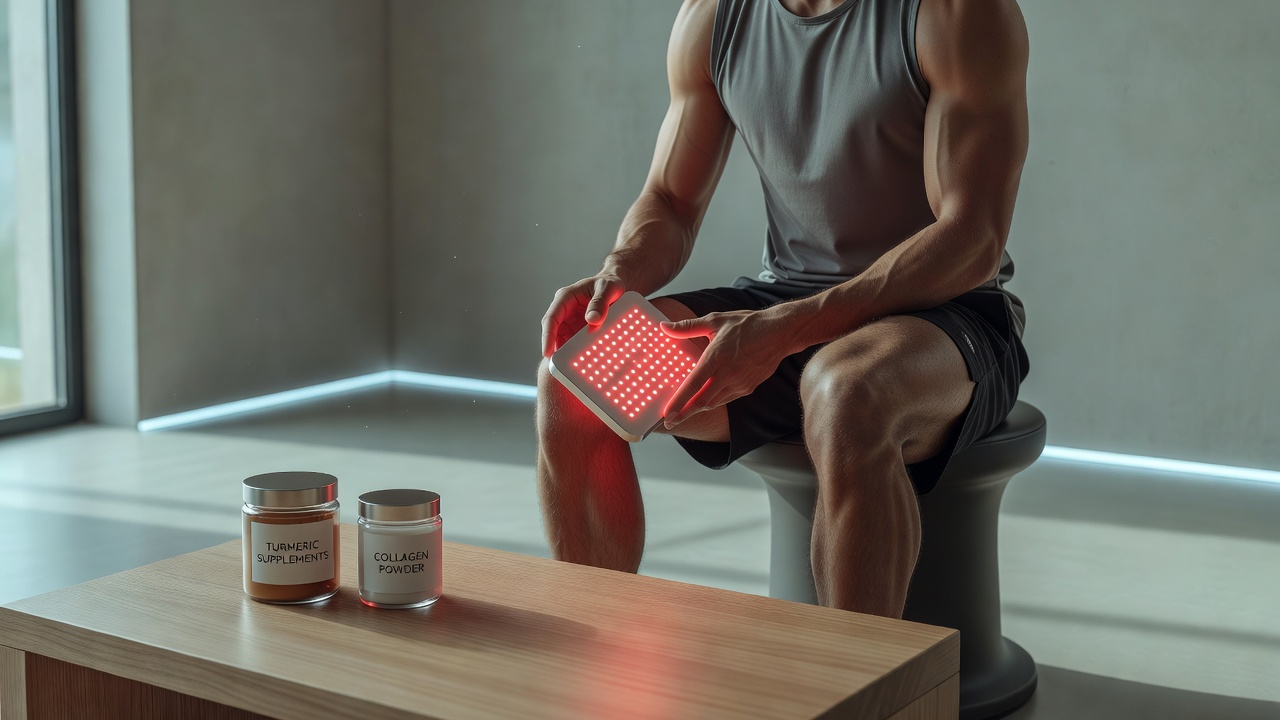
Joint health remains a cornerstone of overall wellness, especially for enthusiasts seeking to maintain mobility and minimize inflammation through targeted biohacking. In 2026, individuals are turning to advanced tools and nutrition to optimize physical comfort beyond basic exercise. This article examines evidence-based approaches, focusing on red light therapy devices compared directly to supplements like turmeric and collagen peptides. Readers will discover detailed comparisons, step-by-step routines, real-world examples, and decision-making frameworks that address the full spectrum of joint optimization strategies.
Modern lifestyles often strain joints through repetitive movements or sedentary habits. Biohacking integrates technology and nutrition for measurable improvements. Many wellness enthusiasts now combine multiple modalities to achieve faster recovery and sustained mobility. This comprehensive guide provides the depth needed to implement these strategies effectively while avoiding common pitfalls.
Understanding Joint Health and Inflammation
Joints connect bones and enable movement, relying on cartilage, synovial fluid, and surrounding tissues. Chronic inflammation contributes to discomfort and reduced range of motion. Factors like aging, intense training, and diet influence joint integrity. Biohackers monitor biomarkers such as C-reactive protein to track progress over time. Understanding the underlying mechanisms allows for more precise interventions rather than generic approaches.
Evidence from institutions like the National Institute of Arthritis and Musculoskeletal and Skin Diseases highlights lifestyle interventions that can slow degeneration. Combining gadgets with nutrition offers synergistic effects for long-term optimization. Additional research underscores the role of oxidative stress and how targeted light wavelengths or anti-inflammatory compounds can interrupt inflammatory pathways at the cellular level.
Red Light Therapy Devices for Joint Support
Red light therapy uses specific wavelengths to penetrate tissues, potentially stimulating cellular repair and reducing oxidative stress. Devices range from handheld wands to full-body panels. Users apply them to affected areas like knees or shoulders for 10-20 minutes daily. Advanced 2026 models feature adjustable intensity and Bluetooth connectivity for session logging.
Studies suggest benefits for mobility when consistent use occurs. In 2026, portable models with app integration allow tracking sessions. This tool appeals to those preferring non-invasive tech over daily pills. The mechanism involves mitochondrial stimulation that may enhance ATP production in joint tissues, leading to improved recovery after physical activity.
Supplements: Turmeric and Collagen Peptides
Turmeric contains curcumin, known for anti-inflammatory properties. Standardized extracts improve bioavailability when paired with black pepper. Collagen peptides support cartilage structure and may enhance joint comfort with regular intake. These supplements integrate easily into smoothies or meals and provide building blocks for tissue repair.
Research from sources like the Mayo Clinic discusses their roles in wellness protocols. Direct comparisons show supplements provide systemic support while devices target localized areas. Turmeric works through COX-2 inhibition similar to some pharmaceuticals but with fewer side effects when used appropriately, while collagen supplies amino acids that may stimulate natural production of joint matrix components.
Direct Efficacy Comparisons
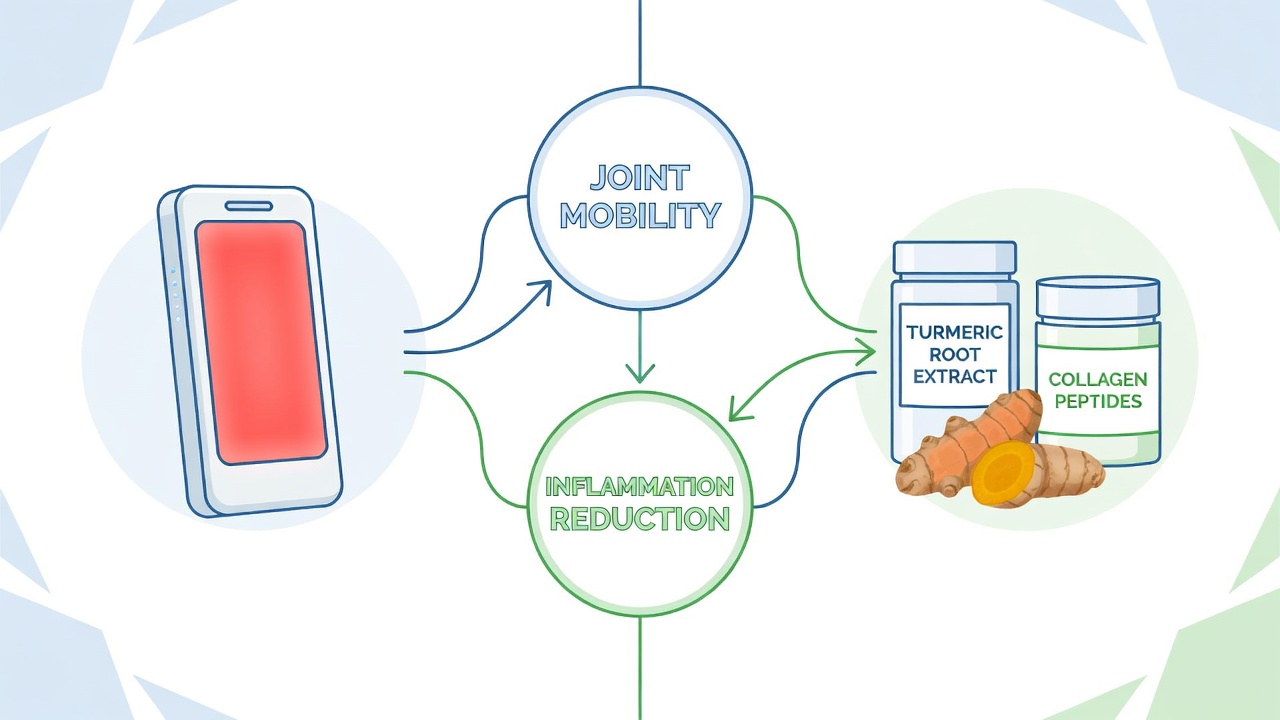
Red light therapy often delivers faster localized relief, with users noting improvements in stiffness within weeks. Turmeric and collagen may require 4-8 weeks for noticeable effects but support broader recovery. Combining both maximizes results for comprehensive optimization. Efficacy also depends on individual factors such as age, activity level, and baseline inflammation markers.
Key differences include cost structures, convenience, and evidence levels. Devices require initial investment but no ongoing purchases, whereas supplements need consistent replenishment. Clinical observations indicate that light therapy excels in acute flare-ups while supplements shine in preventive maintenance. Users often report additive benefits when both modalities are employed simultaneously.
Pros and Cons Table
| Tool/Supplement | Pros | Cons |
|---|---|---|
| Red Light Therapy Devices | Targeted application; non-chemical; trackable sessions; potential mitochondrial benefits | Higher upfront cost; requires consistent space and time; learning curve for optimal settings |
| Turmeric (Curcumin) | Affordable; easy to add to diet; systemic anti-inflammatory effects; supports overall wellness | Variable absorption; potential digestive upset in high doses; needs black pepper for best results |
| Collagen Peptides | Supports tissue repair; mixes well in beverages; may improve skin and hair as bonus | Results vary by source quality; daily commitment needed; not suitable for all dietary preferences |
Additional Tools and Complementary Approaches
Beyond the primary comparison, consider integrating wearable sensors for real-time joint angle and load monitoring. These devices help users adjust movement patterns before discomfort escalates. Another emerging option involves targeted vibration platforms that may enhance circulation around joints when used post-exercise.
Cross-referencing data from National Center for Biotechnology Information reveals that multi-modal protocols outperform single interventions in long-term studies. This layered strategy allows enthusiasts to address mechanical, nutritional, and inflammatory aspects simultaneously.
Building a Practical Daily Routine
Start with morning mobility assessment using simple tests like knee bends or shoulder rotations. Apply red light therapy to problem areas mid-morning for 15 minutes. Add turmeric to breakfast and collagen to an afternoon shake. Evening wind-down includes gentle stretching and hydration tracking.
- Assess baseline mobility weekly with standardized movements and log results in a journal or app.
- Integrate one new element at a time to monitor effects and avoid overwhelming the system.
- Track sleep and activity via wearables for correlations with joint comfort scores.
- Adjust based on energy levels and comfort reports, increasing intensity only after adaptation periods.
- Schedule rest days to allow tissue recovery and prevent over-stimulation from any single modality.
This structure fits busy schedules while promoting adherence. Consistency over months yields cumulative improvements in range of motion and reduced inflammatory markers.
Real-User Examples
A 45-year-old runner incorporated red light therapy three times weekly alongside turmeric. After two months, reported enhanced knee stability during long runs and was able to increase weekly mileage without setbacks. Another enthusiast combined collagen with light sessions and noted reduced morning stiffness within six weeks, allowing better performance in strength training sessions.
These cases illustrate personalization: athletes favor devices for recovery, while desk workers prefer supplement simplicity. A third example involves a 52-year-old yoga instructor who layered vibration therapy on top of the core protocol and achieved measurable gains in hip flexibility within eight weeks.
Potential Mistakes and How to Avoid Them
Common errors include inconsistent application of devices, choosing low-quality supplement sources, and ignoring progressive overload principles in training. Beginners often skip tracking, making it difficult to identify what works. To avoid these, establish clear metrics and review them monthly.
FAQs on Safety, Timelines, and Integration
Is red light therapy safe for daily use?
Yes, when following device guidelines. Consult a professional for underlying conditions or photosensitivity concerns.
How long until results appear?
Many notice subtle changes in 2-4 weeks; full optimization often requires 8-12 weeks of consistency with proper dosing.
Can I combine tools with existing medications?
Integration works well but requires healthcare provider approval to avoid interactions with anti-inflammatory drugs.
What mistakes should beginners avoid?
Overloading routines or skipping tracking leads to inconsistent results. Start minimal and scale gradually while documenting progress.
Are there dietary synergies beyond turmeric and collagen?
Omega-3 rich foods and adequate hydration amplify effects. Consider pairing with anti-inflammatory meal patterns for enhanced outcomes.
Conclusion
Joint health optimization in 2026 blends technology like red light therapy with proven supplements such as turmeric and collagen. Evidence-based comparisons reveal complementary strengths for mobility and inflammation management. Implementing a structured routine with tracking yields sustainable gains. Explore these strategies to enhance physical comfort and performance while maintaining long-term joint resilience.

No comments yet. Be the first!