 Slow Bio Hack
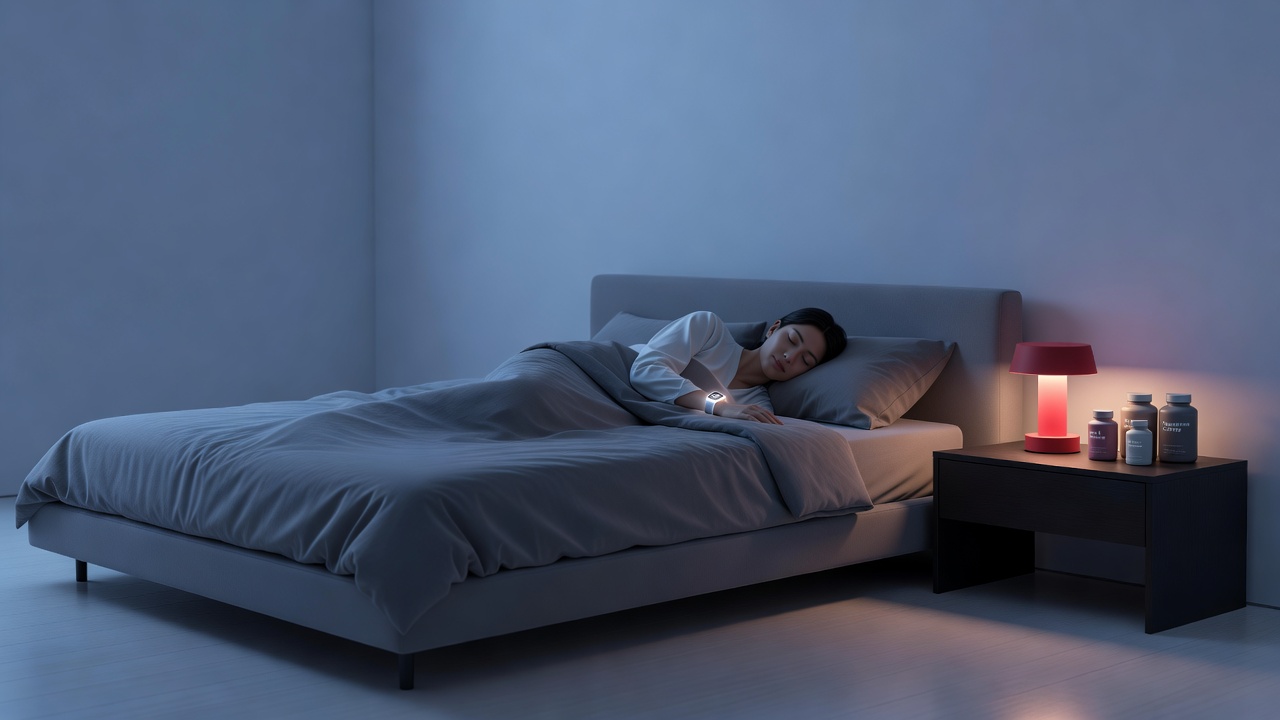
Introduction to Sleep Optimization in 2026
Quality sleep remains a cornerstone of overall wellness, and in 2026 biohackers are turning to targeted tools and supplements for measurable improvements. Non-invasive recovery methods have gained traction as people seek evidence-based ways to enhance rest without pharmaceuticals. This guide explores how gadgets and supplements work together to support better sleep architecture, drawing on search intent around practical evening protocols that deliver consistent results.
Biohacking sleep involves using data-driven devices and natural compounds to fine-tune circadian rhythms and sleep stages. In an era of constant connectivity, many adults struggle with fragmented rest, leading to reduced cognitive performance and slower physical recovery. By layering technology with nutrition, individuals can address root causes like blue light interference and nutrient gaps that traditional advice often overlooks.
Why Biohacking Sleep Matters Now
Modern lifestyles disrupt natural circadian rhythms through blue light exposure and irregular schedules. Biohacking addresses these issues by layering technology with nutrition. Research from authoritative sources such as the Sleep Foundation highlights how consistent routines combined with specific interventions can improve sleep efficiency. Users often report deeper rest and faster recovery when combining devices with targeted compounds.
Chronic poor sleep contributes to inflammation, impaired immunity, and mood instability. Non-invasive approaches allow for personalization without side effects common in prescription options. As wearable technology advances, real-time feedback loops make it easier than ever to experiment and iterate on personal protocols throughout 2026.
Understanding Non-Invasive Recovery Methods
Search intent around non-invasive recovery focuses on methods that avoid drugs or invasive procedures. These include light therapy, mineral supplementation, and sensor-based monitoring. The goal is to enhance the body’s natural processes rather than override them. For example, aligning light exposure with supplement timing can amplify melatonin release while trackers reveal which adjustments yield the biggest gains in sleep continuity.
Top Wellness Gadgets for Sleep Tracking and Enhancement
Smart sleep trackers provide data on stages like REM and deep sleep, allowing users to adjust habits in real time. Wearables from leading brands monitor heart rate variability and oxygen levels overnight. Red light devices emit wavelengths around 660nm that support melatonin production without suppressing it like standard lighting. These tools integrate seamlessly into evening setups for non-invasive recovery.
Another popular option includes sound-masking machines calibrated to pink noise frequencies, which studies suggest may extend time in restorative stages. When selecting devices, prioritize those with long battery life and app integration for trend analysis over weeks. Advanced models also offer guided wind-down modes that gradually lower room temperature or dim ambient lights automatically. Users appreciate how these gadgets turn abstract sleep goals into concrete metrics they can review each morning.
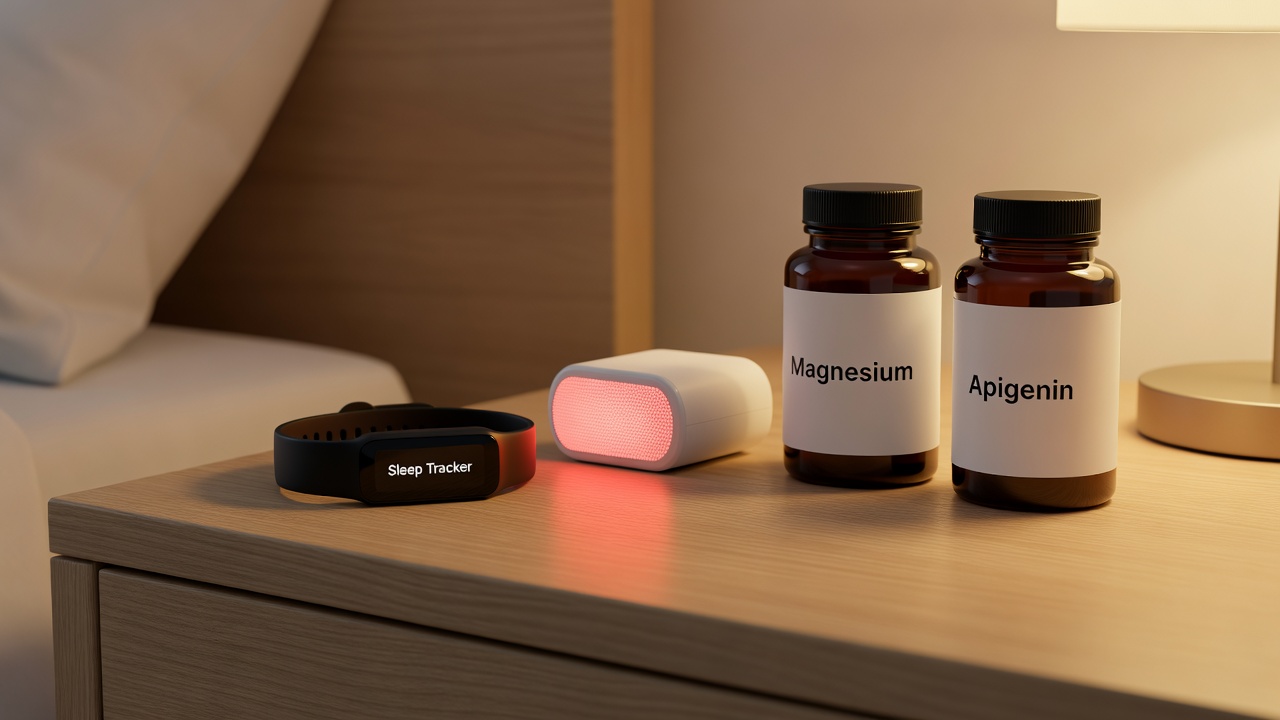
Targeted Supplements: Magnesium and Apigenin
Magnesium supports muscle relaxation and GABA activity, key for winding down. Forms like glycinate or threonate are often preferred for bioavailability. Apigenin, a flavonoid found in chamomile, promotes calmness by interacting with benzodiazepine receptors in the brain. Together, these compounds address common deficiencies that hinder sleep onset and maintenance.
Additional context comes from understanding how magnesium regulates over 300 enzymatic reactions, many tied to neurotransmitter balance. Apigenin complements this by reducing mental chatter without sedation. Real-world users often combine both with a small protein snack to stabilize blood sugar overnight, preventing awakenings around 3 a.m.
Dosage Guidelines and Timing
Start with 200-400 mg of elemental magnesium 60-90 minutes before bed. Apigenin is typically taken at 50 mg in the same window. Always consult a healthcare professional before beginning any regimen, especially if managing existing conditions. Real-world examples include professionals who layer these with consistent wind-down periods to combat shift-work fatigue.
Step-by-Step Evening Protocol for Integration
- Dim lights and activate red light therapy 90 minutes before bedtime while preparing a cool, dark sleep environment.
- Apply magnesium and apigenin while reviewing tracker data from the previous night to identify patterns such as low deep sleep percentages.
- Engage in light reading or meditation away from screens, optionally using a sound machine for background pink noise.
- Place the wearable tracker in its charging dock if needed, then settle into bed at the same time nightly to build circadian consistency.
- Track morning metrics to refine the routine weekly, adjusting light exposure duration or supplement timing based on observed improvements.
Before-and-After Comparisons and Real-World Results
Users frequently note improvements after 14-21 days. One case involved a software engineer who reduced sleep latency from 45 minutes to under 15 by combining a smart ring tracker with the supplement stack. Another example shows athletes reporting higher recovery scores on wearables after adding red light sessions. A third case study featured a parent managing irregular childcare schedules who achieved longer uninterrupted sleep blocks by layering pink noise with magnesium glycinate.
These synergies arise because gadgets provide feedback while supplements support physiological pathways. Before starting, many record baseline metrics for a week; after implementation, they compare weekly averages for total sleep time, awakenings, and subjective energy levels upon waking.
Potential Synergies and Common Mistakes to Avoid
Combining red light exposure with magnesium amplifies melatonin signaling. Trackers help identify if supplements need dosage tweaks based on individual response. Avoid common pitfalls like inconsistent timing or over-relying on one tool without lifestyle alignment. The National Institutes of Health emphasizes holistic approaches for sustained benefits.
Additional mistakes include ignoring hydration earlier in the day, which can lead to nighttime awakenings, or using devices with overly bright screens during the protocol window. Another frequent error is expecting overnight transformation rather than gradual adaptation over multiple weeks.
Practical Tips for Beginners
- Begin with one gadget and one supplement to isolate effects before adding complexity.
- Keep a simple journal noting energy, mood, and any side effects alongside tracker data.
- Reassess every 30 days and consider seasonal adjustments, such as increasing red light duration during darker winter months.
- Pair protocols with daytime habits like morning sunlight exposure for stronger circadian cues.
FAQ: Troubleshooting Sleep Optimization Issues
What if trackers show persistent low deep sleep?
Review magnesium form and consider adding a consistent cool room temperature. Reassess supplement timing and ensure no late-day caffeine intake.
Can apigenin cause next-day grogginess?
Lower the dose initially and pair with morning sunlight exposure to reset circadian cues. Most users adapt within several days.
How long until results appear?
Most notice shifts within two weeks, though full optimization may take a month of consistent use and data-driven adjustments.
Are there interactions with other medications?
Consult a physician, particularly if taking blood pressure or anxiety medications, as magnesium can influence absorption rates.
What if red light devices feel too warm?
Position the device farther away or shorten sessions to 15 minutes initially while monitoring comfort levels.
Conclusion
Integrating biohacking tools and supplements offers a practical path to superior sleep in 2026. By following structured protocols and monitoring progress, individuals can achieve noticeable gains in recovery and daily performance. Experiment mindfully and adjust based on personal data for the best outcomes.
No comments yet. Be the first!