 Slow Bio Hack
Introduction to Gene Expression Optimization
Gene expression plays a central role in how our bodies respond to environment, lifestyle, and aging. In 2026, biohackers are moving beyond basic supplements to leverage precise tools that target epigenetic markers. This approach allows for measurable influence on DNA methylation, histone modification, and non-coding RNA activity without altering the genetic code itself. Advanced strategies combine technology with targeted compounds to create synergistic effects that support longevity and cellular resilience. Readers seeking results beyond standard wellness routines will find practical protocols here, including device comparisons, detailed implementation steps, and real-world examples that demonstrate measurable shifts in biomarkers over time.
Epigenetic optimization is no longer limited to laboratory settings. With accessible consumer tools, individuals can now track and influence gene activity patterns through consistent daily practices. This article provides depth on mechanisms, comparisons of available gadgets, and guidance for integrating these methods safely into existing lifestyles for sustained benefits.
Understanding Epigenetics and Biohacking Tools
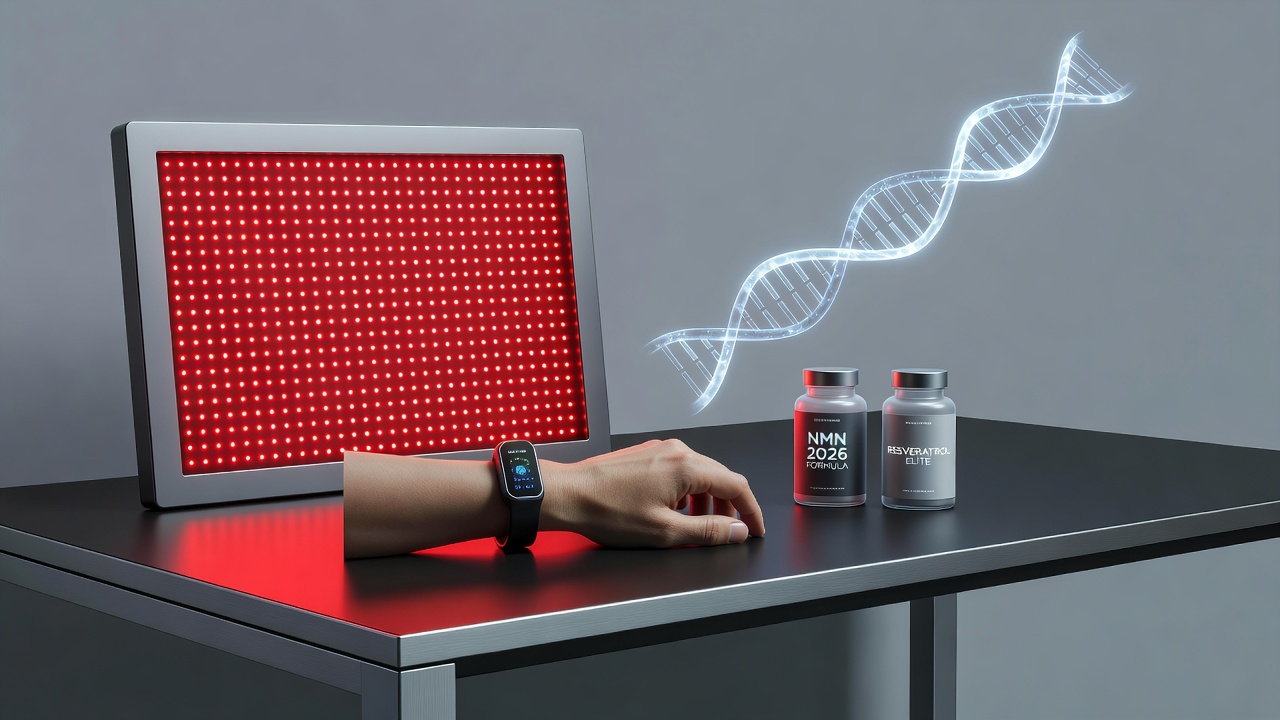
Epigenetics refers to modifications that affect gene activity without changing the DNA sequence. Tools like red light therapy devices modulate these markers by influencing mitochondrial function and reducing oxidative stress, which in turn can downregulate pro-inflammatory genes. Wearable sensors track real-time biomarkers such as heart rate variability and sleep stages that correlate with epigenetic shifts, allowing users to adjust behaviors based on data trends. Supporting supplements including NMN and resveratrol activate sirtuins, enzymes linked to longevity pathways that help maintain youthful gene expression profiles. These interventions work best when integrated into daily routines with consistent monitoring and periodic blood testing to verify changes in markers like homocysteine or inflammatory cytokines.
Biohacking at this level requires understanding how external stimuli translate into internal cellular responses. For instance, light exposure influences circadian gene regulators, while nutrient precursors boost NAD+ levels that support DNA repair enzymes. The combination creates a feedback loop where improved biomarkers encourage adherence to protocols.
Red Light Therapy Devices for Epigenetic Impact
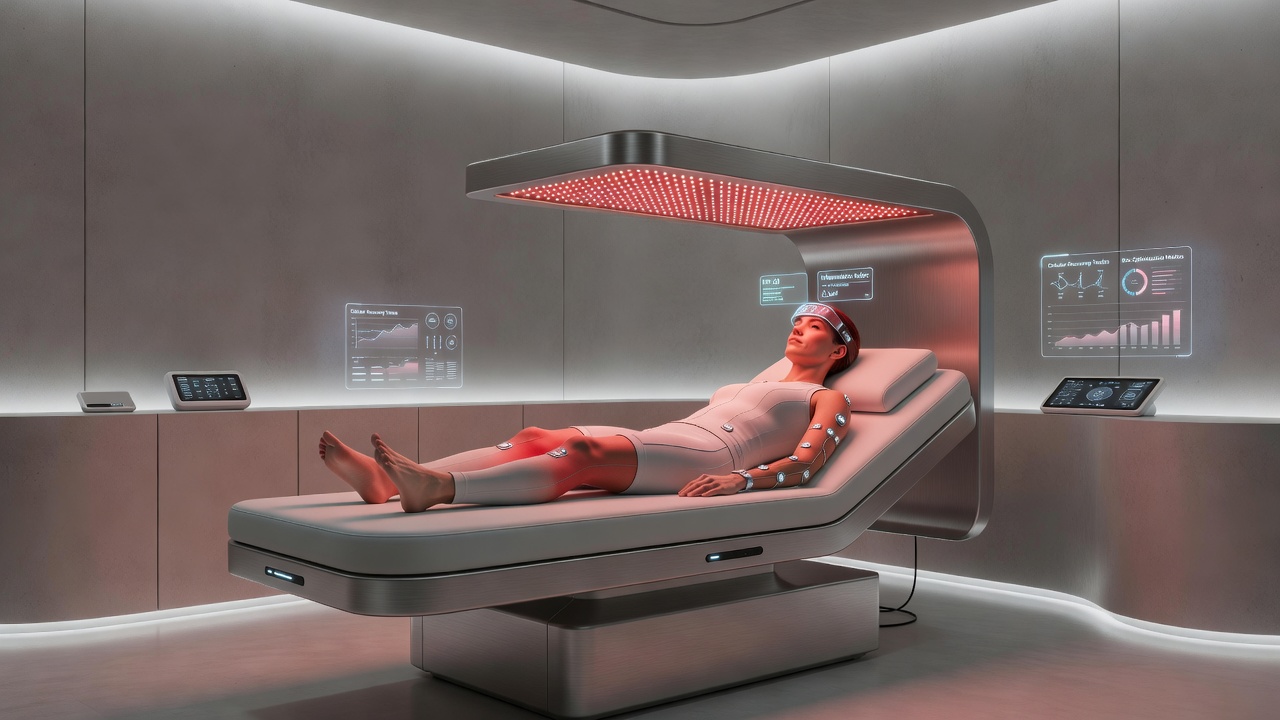
Red and near-infrared light therapy stimulates cytochrome c oxidase in mitochondria, potentially altering gene expression related to inflammation and cellular repair. Devices emitting 660nm and 850nm wavelengths are commonly used for sessions lasting 10-20 minutes, with emerging research suggesting benefits for skin health, muscle recovery, and even cognitive function through systemic effects. Users often notice reduced joint discomfort and improved energy within weeks of regular application.
Step-by-step implementation guide: First, select a panel with clinically relevant irradiance levels above 100mW/cm² for effective penetration. Second, position the device 6-12 inches from target areas like the torso or joints while protecting the eyes. Third, apply treatments 3-5 times weekly, preferably in the morning to align with natural circadian rhythms. Fourth, combine with morning sunlight exposure for amplified benefits on melatonin regulation and gene expression tied to sleep-wake cycles. Fifth, log session duration and subjective feelings in a journal alongside wearable data for pattern recognition.
Wearable Sensors and Real-Time Biomarker Tracking
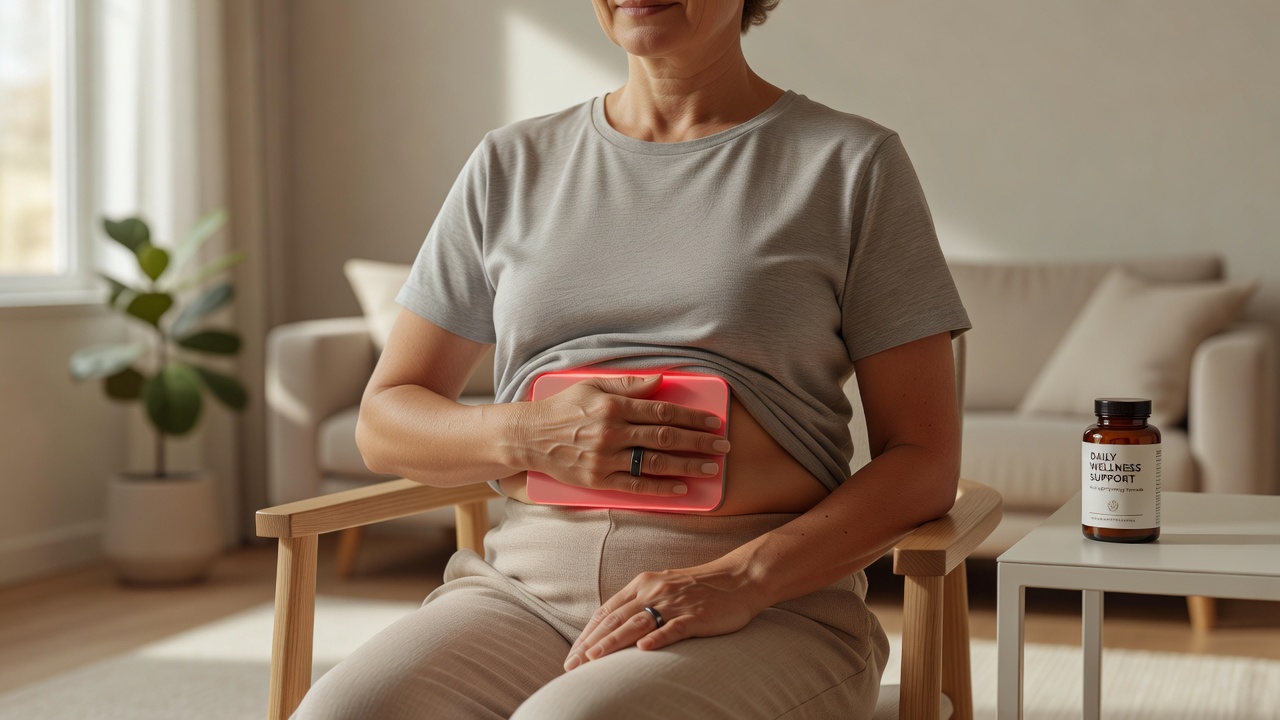
Wearables such as continuous glucose monitors and advanced fitness rings provide data on variables that influence epigenetic outcomes. Stable glucose levels, for example, correlate with reduced inflammation markers that affect gene regulation over months. Advanced models now include features like skin temperature tracking and respiratory rate, offering insights into stress responses that can alter histone acetylation patterns.
Practical comparison of options reveals that devices with high accuracy in HRV measurement outperform basic step counters by providing actionable feedback on autonomic nervous system balance. Users report better adherence when sensors integrate with smartphone apps for trend analysis over 30-90 day periods. Integration with daily routines involves wearing the device consistently, reviewing weekly summaries, and making micro-adjustments such as earlier bedtimes when recovery scores dip.
Supporting Supplements: NMN and Resveratrol
NMN serves as a precursor to NAD+, a coenzyme critical for sirtuin activation and energy metabolism. Resveratrol acts as a polyphenol that enhances sirtuin activity when paired with NMN, creating a complementary effect on longevity-related gene pathways. Protocols often involve morning intake with fatty meals for better absorption, alongside lifestyle factors like exercise that further amplify results.
- Begin with lower doses to assess individual tolerance before increasing gradually.
- Monitor bloodwork for NAD+ related markers and inflammatory indicators every three months.
- Avoid stacking with unrelated compounds initially to isolate effects clearly.
- Pair with resistance training sessions twice weekly for synergistic impacts on muscle gene expression.
Step-by-Step Implementation Guides and Daily Integration
Creating a cohesive routine starts with assessing baseline health through a full blood panel and wearable setup. Week one focuses on establishing red light sessions and supplement timing. Weeks two through four introduce sensor data review and minor adjustments based on sleep or energy metrics. By month two, users can evaluate progress via repeat testing and refine protocols, such as extending light therapy duration if recovery improves.
Integration examples include performing light therapy while listening to podcasts during commutes or taking supplements alongside breakfast preparation. This habit-stacking approach minimizes disruption while maximizing consistency for epigenetic changes that require sustained application.
Real-World Case Studies and Efficacy Comparisons
One documented case involved a 45-year-old male using red light therapy combined with NMN for 12 weeks, showing improved sleep architecture via wearable data and subjective cognitive gains measured through focus questionnaires. Another example featured a female athlete integrating sensors with resveratrol, noting faster recovery times reflected in reduced resting heart rate and better workout performance logs. A third case study highlighted a professional in their 50s who combined all tools and observed lowered CRP levels on follow-up labs, indicating reduced systemic inflammation tied to gene activity.
Comparisons of gadget efficacy show that red light devices vary in coverage area and wavelength precision, with full-body panels offering broader systemic effects than targeted wands. Wearables differ in battery life, data export capabilities, and accuracy of glucose versus HRV readings. Always prioritize third-party validated metrics over marketing claims when selecting tools.
Common Mistakes to Avoid
Many beginners overlook consistency, expecting rapid results from sporadic use. Others neglect baseline measurements, making it difficult to quantify improvements. Avoid combining too many new variables at once, as this obscures which tool drives specific changes. Finally, skipping professional medical consultation can lead to overlooking contraindications with existing health conditions.
FAQs on Safety, Outcomes, and Daily Integration
How safe are these tools? Most red light devices and wearables carry low risk when used as directed. Consult a physician before starting supplements, especially with existing conditions or medications.
What measurable outcomes can be expected? Users often track improvements in energy, inflammation via CRP tests, and sleep scores within 4-8 weeks of consistent use, with deeper epigenetic shifts appearing on advanced testing after three months.
How to integrate into routines? Schedule device sessions during existing habits like reading or commuting via audio. Take supplements with breakfast and review wearable data weekly to maintain momentum.
Conclusion
Optimizing gene expression through biohacking in 2026 requires a layered approach combining devices, sensors, and compounds. By following structured protocols, monitoring progress with objective data, and avoiding common pitfalls, individuals can achieve targeted epigenetic benefits aligned with longevity goals. Continued research from sources like the National Institutes of Health and Mayo Clinic supports these evolving strategies for informed self-experimentation.

No comments yet. Be the first!