 Slow Bio Hack

Understanding Chronic Inflammation and Its Root Causes
Chronic inflammation underlies many modern health challenges, driven by oxidative stress, poor lifestyle factors, and imbalanced immune responses. In 2026, biohacking offers precise ways to modulate the body's inflammation response using data-driven tools and protocols. This comprehensive guide explores the science behind inflammation, compares leading gadgets with detailed pros and cons, details supplement synergies for cytokine balance, and provides an actionable daily integration plan complete with real-world examples for measurable outcomes like reduced CRP levels, improved energy, and better recovery metrics.
The Science of Inflammation and Biohacking Interventions
Inflammation is the immune system's natural response to threats, but when it becomes chronic, it leads to ongoing cellular damage via free radicals and elevated oxidative stress. Biohacking targets these issues by enhancing antioxidant defenses, supporting mitochondrial efficiency, and balancing key cytokines such as IL-6, TNF-alpha, and CRP. Emerging 2026 trends emphasize real-time biomarker tracking through advanced wearables integrated with AI insights, allowing users to adjust interventions dynamically for optimal results. Understanding these mechanisms helps individuals move beyond symptom management to address root causes effectively.
Key Mechanisms: Oxidative Stress and Cytokine Balance
Oxidative stress occurs when reactive oxygen species overwhelm the body's antioxidant systems, accelerating tissue damage and promoting pro-inflammatory pathways. Biohacking tools like red light therapy and PEMF devices help mitigate this by supporting mitochondrial function and reducing cellular stress signals. Supplement synergies, such as combining omega-3 fatty acids with curcumin and resveratrol, further promote anti-inflammatory cytokine profiles while lowering markers of oxidative damage. Regular monitoring through blood panels reveals how these interventions shift the balance toward resolution rather than perpetual inflammation.
Top Gadget Comparisons for Inflammation Optimization
Several devices stand out in 2026 for their evidence-based impact on inflammation. Consider these popular options for home use, each with distinct advantages and limitations:
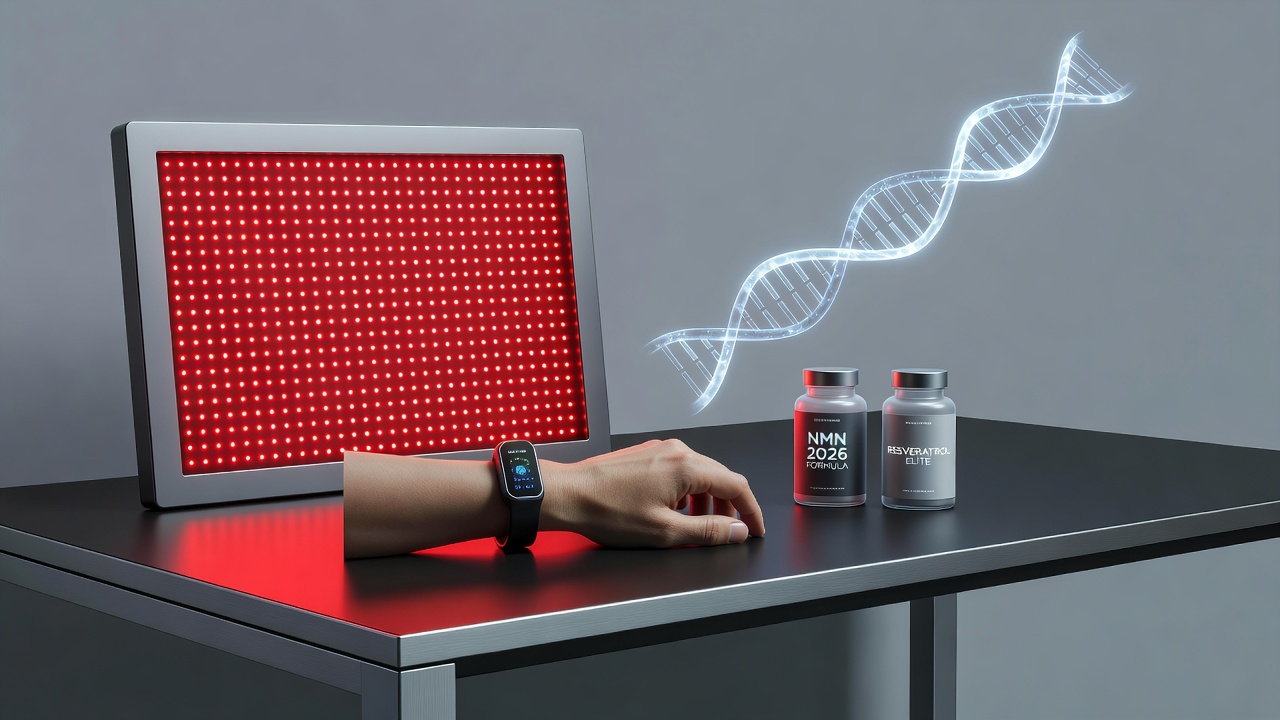
- Red Light Therapy Panels: These devices deliver specific wavelengths to reduce oxidative stress and support tissue repair. Pros include deep tissue penetration, non-invasive application, and noticeable improvements in recovery time; cons involve the need for consistent daily sessions, potential variability in wavelength output across models, and the requirement for proper eye protection during use.
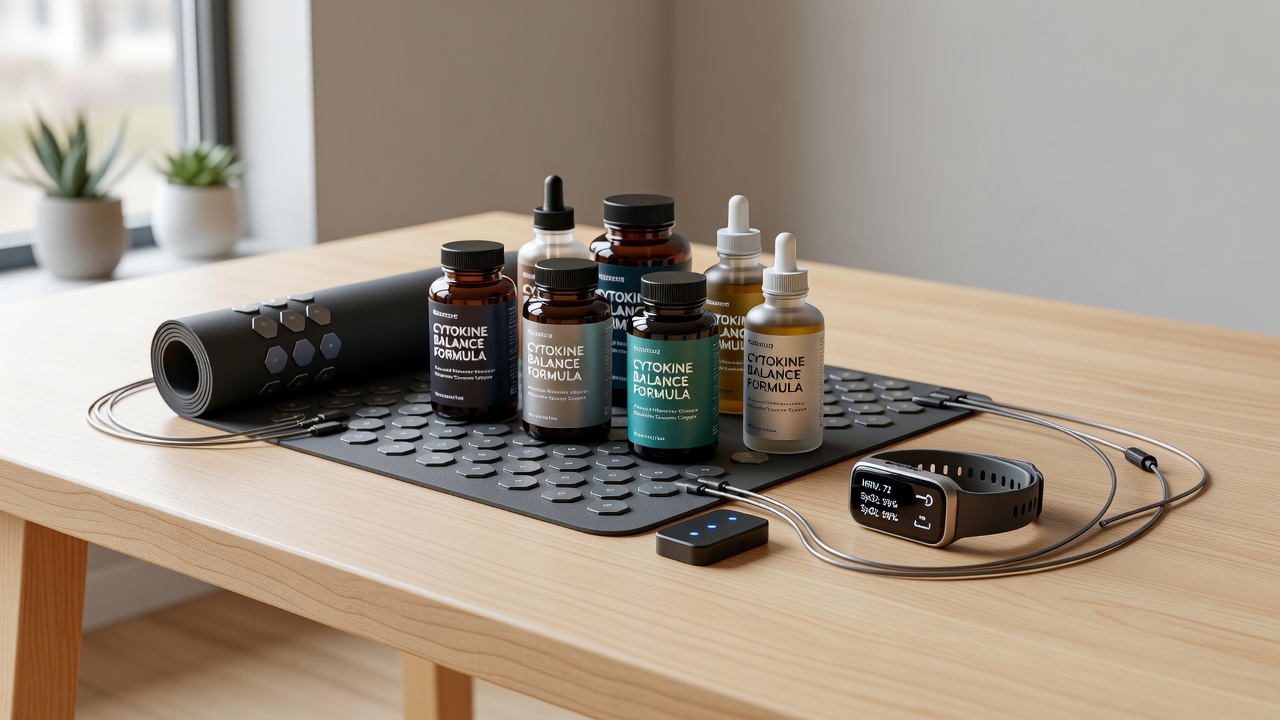
- PEMF Mats: Pulsed electromagnetic field therapy helps modulate inflammatory signals at the cellular level. Pros include ease of use while relaxing, broad coverage for joints and muscles, and compatibility with other routines; cons center on the initial learning curve for optimal settings, the space required for storage, and the importance of selecting devices with clinically validated frequencies.
- Advanced Wearables: Modern trackers monitor HRV, sleep quality, and estimated inflammation indicators continuously. Pros lie in providing actionable data trends and integration with smartphone apps for personalized recommendations; cons include occasional accuracy variations between brands and the need to cross-reference with lab tests for confirmation.
Compare devices based on your specific goals—wearables suit beginners seeking insights, while dedicated therapy tools deliver targeted physiological support.
Supplement Synergies for Cytokine Balance
Strategic pairing of supplements amplifies anti-inflammatory effects beyond single-nutrient approaches. Omega-3 fatty acids from high-quality sources help lower pro-inflammatory eicosanoids, while vitamin D supports overall immune modulation and reduces cytokine overproduction. Adding magnesium aids in stress hormone regulation, creating a synergistic effect that enhances absorption and efficacy. Real-world protocols often include cycling these nutrients with periodic breaks to prevent tolerance, always starting with baseline blood testing to identify deficiencies and track progress over time.
Step-by-Step Daily Integration Protocol
Follow this structured routine to maximize results while minimizing overwhelm:
- Morning: Begin with biomarker measurement using your wearable device to establish daily baselines, followed by a 20-minute red light therapy session targeting key areas like the abdomen or joints.
- Midday: Incorporate synergistic supplements with a balanced meal rich in antioxidants, ensuring proper timing to align with natural metabolic rhythms.
- Afternoon: Engage in light movement or breathwork to further reduce oxidative load, monitoring real-time feedback from wearables.
- Evening: Apply PEMF therapy for 30 minutes while winding down, then review recovery metrics such as HRV and sleep readiness scores before bed.
- Weekly Review: Analyze accumulated data trends, adjust session durations or supplement doses as needed, and schedule professional lab tests every 4-6 weeks for objective validation.
Consistency across these steps creates compounding benefits, with many users noting stabilized energy levels and reduced discomfort within the first month.
Real-World Examples and Measurable Outcomes
Wellness enthusiasts integrating these tools in 2026 report transformative shifts in their routines. For instance, a 45-year-old professional using red light therapy and omega-3 synergy alongside daily HRV tracking experienced a marked improvement in morning stiffness and sustained focus throughout workdays. Another example involves a runner who combined PEMF sessions with magnesium supplementation, achieving faster post-training recovery and lower perceived exertion during sessions. These cases highlight how measurable outcomes—such as improved sleep architecture and reduced inflammatory markers—emerge when protocols are followed diligently and tailored to individual biomarker feedback.
Common Mistakes to Avoid
Overlooking consistency often leads to suboptimal results, as sporadic use fails to shift chronic patterns. Ignoring baseline testing can mask underlying deficiencies, while combining too many tools simultaneously creates confusion rather than clarity. Additional pitfalls include neglecting sleep hygiene, which amplifies inflammation regardless of gadget use, and failing to account for dietary triggers that counteract supplement benefits. Starting with one or two interventions and layering others gradually prevents these issues and supports sustainable progress.
Measurement, Tracking, and 2026 Trends
Success relies on combining wearable data with periodic laboratory assessments for comprehensive insights. Key 2026 trends include AI-driven personalization of protocols and interconnected device ecosystems that automatically suggest adjustments based on daily readings. These advancements make inflammation optimization more precise and accessible than ever before.
FAQ: Timing, Measurement, and Practical Concerns
When should I time my sessions for best effect? Align energizing tools like red light therapy with morning hours to support circadian alignment, while scheduling recovery-focused PEMF in the evening to promote relaxation and overnight repair processes.
How do I accurately measure inflammation reduction? Rely on wearable metrics for daily trends and supplement with quarterly blood tests measuring hs-CRP, IL-6, and oxidative stress indicators to confirm physiological changes.
What if I experience initial discomfort with new tools? Begin with shorter durations and lower intensities, gradually increasing as your body adapts, and consult a healthcare provider if symptoms persist.
Are there synergies with existing wellness routines? Yes, these biohacking methods integrate well with balanced nutrition, stress management practices, and regular movement for amplified overall impact.
How long until noticeable results appear? Many individuals observe initial shifts in energy and sleep within 2-4 weeks, with more significant biomarker improvements typically documented after 8-12 weeks of consistent application.
For deeper research on inflammation pathways and biohacking approaches, consult authoritative resources such as the National Institutes of Health, Mayo Clinic, and World Health Organization reports on chronic disease prevention and immune health.
Conclusion
Optimizing inflammation response through 2026 biohacking tools requires a thoughtful blend of science, technology, and consistent daily habits. By understanding mechanisms, selecting appropriate gadgets, leveraging supplement synergies, and following structured protocols, individuals can achieve lasting improvements in wellness markers and quality of life. Begin with baseline assessments, stay patient with the process, and refine your approach based on personal data for the most effective outcomes.

No comments yet. Be the first!