 Slow Bio Hack

Introduction to Mitochondrial Optimization
Mitochondria serve as the powerhouses of your cells, producing ATP that fuels every bodily function from muscle contraction to brain activity. In 2026, mitochondrial optimization has emerged as a leading biohacking approach for combating fatigue, enhancing endurance, and supporting long-term cellular health. This comprehensive guide delivers practical, in-depth strategies including evidence-based supplements like CoQ10 and PQQ, supportive devices such as red light therapy panels, and detailed implementation protocols tailored for beginners and advanced users. By targeting ATP production at its source, individuals can experience sustained energy improvements rather than relying on temporary stimulants.
Understanding Mitochondria and ATP Production
Mitochondria convert nutrients into usable energy through oxidative phosphorylation within the electron transport chain. When mitochondrial function declines due to aging, chronic stress, poor nutrition, or environmental toxins, ATP output drops significantly, leading to persistent tiredness, slower recovery, and increased risk of age-related conditions. Optimizing these organelles involves promoting mitochondrial biogenesis, reducing oxidative stress through antioxidants, and improving the efficiency of the electron transport chain. Studies from leading health authorities emphasize how targeted interventions can increase mitochondrial density and overall performance over time.
How Mitochondrial Dysfunction Leads to Fatigue
Many people experience unexplained fatigue because damaged mitochondria fail to meet daily energy demands. Factors such as sedentary lifestyles, processed diets high in sugars, and exposure to pollutants impair the inner mitochondrial membrane, reducing proton gradient formation needed for ATP synthesis. Real-world examples include office workers who notice afternoon energy crashes despite adequate sleep, often linked to accumulated mitochondrial damage. Addressing this root cause through biohacking provides longer-lasting results compared to caffeine or short-term fixes.
Top Supplements for Mitochondrial Support
Several well-researched compounds stand out for their ability to enhance mitochondrial health. Coenzyme Q10 (CoQ10) functions as a vital electron carrier in the respiratory chain and protects cell membranes from oxidative damage. PQQ (pyrroloquinoline quinone) actively stimulates the creation of new mitochondria, known as biogenesis, while also supporting cognitive clarity. Additional supportive options include acetyl-L-carnitine to facilitate fatty acid transport into mitochondria for fuel, alpha-lipoic acid as a powerful antioxidant that regenerates other nutrients, and magnesium which serves as a cofactor in numerous enzymatic reactions tied to energy production. Users frequently report noticeable energy stabilization within two to four weeks when these are combined with consistent daily routines and proper hydration.
- CoQ10: Ideal for supporting ATP synthesis and shielding against free radical damage during high-energy demands.
- PQQ: Excellent for promoting mitochondrial growth and protecting neurons in high-stress periods.
- Acetyl-L-carnitine: Enhances endurance by improving fat metabolism within cells.
- Alpha-lipoic acid: Aids in recycling antioxidants and reducing inflammation markers.
Biohacking Gadgets and Devices for Cellular Energy
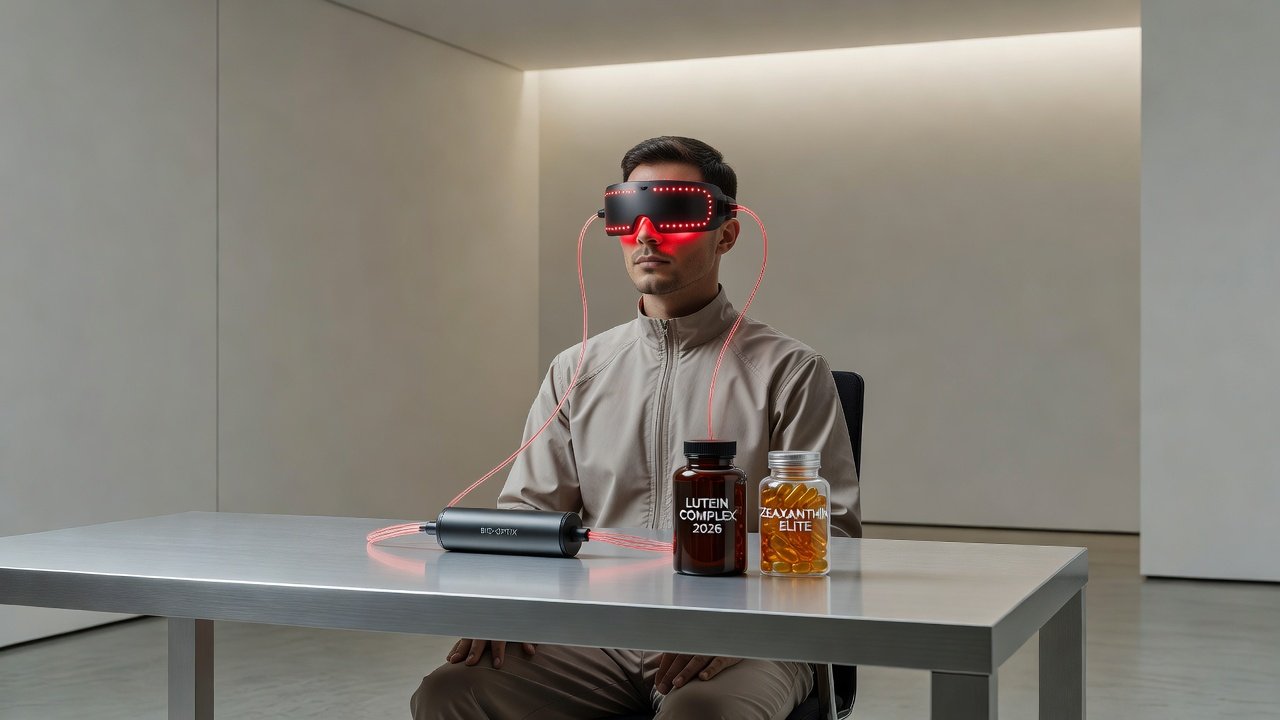
Red light therapy devices represent a primary gadget category for mitochondrial optimization. These panels emit specific red and near-infrared wavelengths that activate cytochrome c oxidase, boosting ATP production while lowering inflammation and supporting tissue repair. Other useful technologies include near-infrared saunas that promote heat shock proteins for cellular resilience and PEMF mats that encourage improved circulation and mitochondrial membrane potential. When selecting devices, consider factors like wavelength accuracy, power output consistency, and ease of home integration for daily use. 
Comparing Efficacy Across Supplements and Devices
Evaluating options reveals that CoQ10 and PQQ deliver precise biochemical support backed by clinical observations, whereas red light therapy offers broad, non-invasive benefits across multiple body systems. Real-world user examples demonstrate that combining morning red light exposure with consistent CoQ10 intake produces synergistic improvements in both physical stamina and mental focus. Beginners benefit most by testing one supplement alongside one device initially to monitor individual responses before layering additional elements.
Practical Stacking Protocols and Variations
Effective protocols strategically layer supplements with device sessions. A foundational daily approach might feature CoQ10 taken with a morning meal rich in healthy fats, PQQ introduced midday alongside light movement, and a dedicated red light session lasting 10-15 minutes in the evening to aid recovery. Advanced variations include cycling protocols every 8-12 weeks, incorporating rest periods, or adjusting timing based on activity levels such as pre-workout use of carnitine. Tracking subjective energy alongside objective markers like sleep quality helps refine these stacks for optimal outcomes.
Step-by-Step Implementation Plan for Beginners
Follow this structured plan to build mitochondrial optimization habits safely and effectively: First, establish a one-week baseline by logging daily energy levels, sleep duration, and any fatigue patterns. Next, introduce a single supplement such as CoQ10 at a conservative starting amount for the initial 14 days while noting changes. Then incorporate red light therapy three times per week, gradually building to daily sessions if tolerated well. Add PQQ after the first month and continue monthly reviews of progress. Throughout, prioritize whole-food nutrition, regular movement, and quality sleep as foundational supports. Common mistakes to avoid include rushing multiple additions simultaneously or ignoring personal tolerance signals.
Tracking Progress and Measuring Results
Effective tracking combines subjective journals with objective data from wearables that monitor heart rate variability, resting heart rate, and sleep stages. Periodic blood tests for markers like oxidative stress indicators or nutrient levels provide further insight. Many practitioners recommend quarterly assessments to evaluate long-term shifts in vitality and recovery capacity.
Safety Considerations and Potential Interactions
Prioritize safety by beginning with lower amounts, staying hydrated, and consulting healthcare professionals before starting any new regimen, especially if managing existing health conditions or taking medications. Potential interactions may arise with certain blood thinners or thyroid treatments, underscoring the importance of professional guidance. Always source high-quality supplements from reputable manufacturers to ensure purity and bioavailability.
Frequently Asked Questions
How long until results appear? Most individuals notice subtle energy improvements within two to four weeks, with more substantial changes after consistent use over two months. Can these approaches be combined with exercise? Yes, mitochondrial optimization complements strength training and aerobic activities by enhancing cellular energy availability. What about safety for older adults? When implemented gradually under guidance, these strategies support healthy aging through improved cellular resilience.
By integrating these mitochondrial optimization techniques, individuals can achieve sustained vitality and better cellular health throughout 2026. For additional scientific context, consult resources from National Institutes of Health, Mayo Clinic, and National Center for Biotechnology Information.

No comments yet. Be the first!