 Slow Bio Hack
Introduction to Biohacking Eye Health in 2026
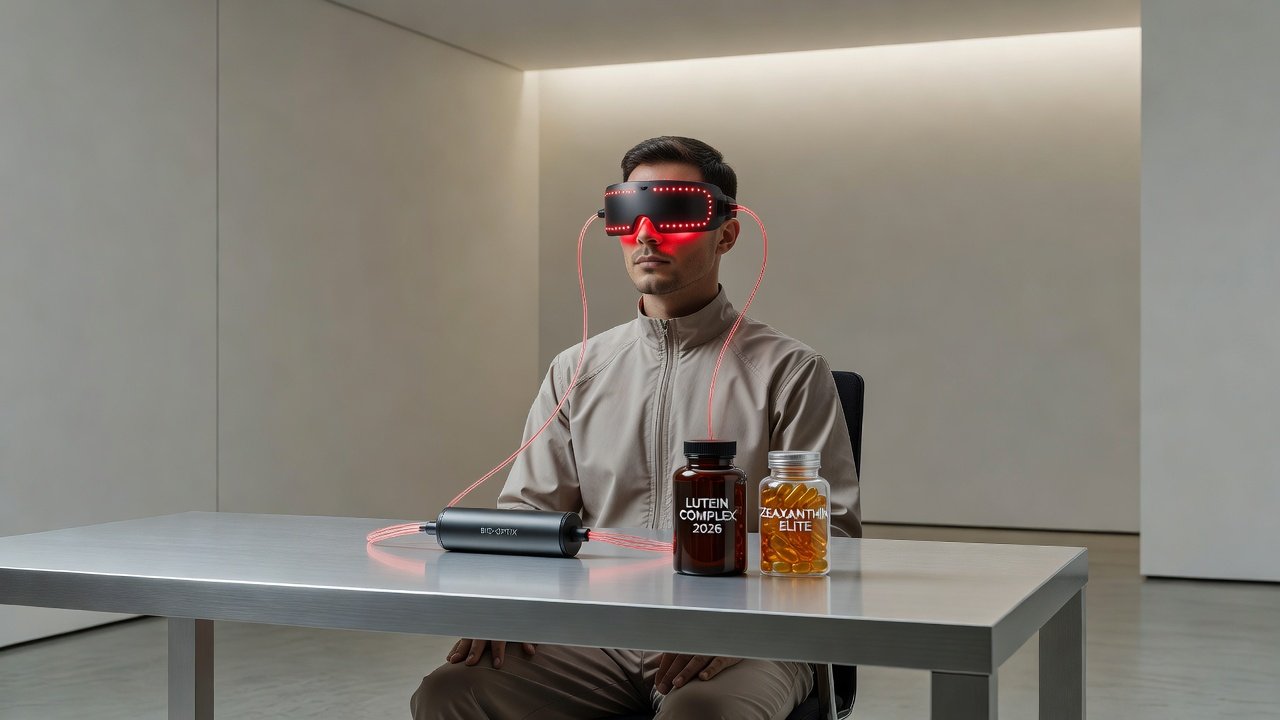
Proactive optimization of visual performance has become a key focus for many seeking long-term resilience against digital strain and age-related decline. In 2026, biohacking offers targeted approaches combining evidence-based supplements and wellness gadgets to support retinal health, reduce oxidative stress, and enhance focus under blue-light exposure. This guide covers practical selection of tools, integration into daily life, and measurable progress tracking. Readers searching for ways to future-proof their vision will find concrete steps to build a personalized eye-optimization stack that fits modern lifestyles dominated by screens and artificial lighting.
Understanding the Science Behind Eye Biohacking
Modern lifestyles expose eyes to prolonged screen time, leading to digital eye strain and potential macular degeneration risks. Biohacking targets the macula with carotenoids that filter harmful light and support cellular repair. Research from the National Institutes of Health highlights the role of specific nutrients in maintaining visual acuity. The macula lutea accumulates lutein and zeaxanthin, which act as natural sunglasses by absorbing high-energy blue light before it reaches photoreceptors. Combining these with light-based therapies creates synergistic effects for proactive care. Additional factors include mitochondrial health in retinal cells, where oxidative stress from environmental pollutants and poor sleep accelerates damage. Understanding these mechanisms allows users to select interventions that address root causes rather than symptoms alone.
Evidence-Based Supplements for Vision Support
Lutein and zeaxanthin stand out as primary carotenoids concentrated in the macula. Daily intake helps absorb blue light and combat free radicals. Typical protocols suggest 10-20 mg lutein paired with 2 mg zeaxanthin, sourced from marigold extracts or leafy greens. Other supportive options include astaxanthin for antioxidant effects and omega-3s for tear film stability. Users often report sharper contrast sensitivity within 4-8 weeks of consistent use. When choosing supplements, prioritize those with clinically studied dosages and third-party purity testing to avoid fillers. Pairing intake with dietary sources like kale, spinach, and egg yolks enhances absorption through natural fat content. Long-term studies indicate these nutrients may slow progression of age-related macular changes when started early.
Wellness Gadgets: Red-Light Eye Masks and Blue-Light Filters
Red-light therapy devices emitting 670 nm wavelengths stimulate mitochondrial function in retinal cells, potentially improving energy production. Eye masks designed for this purpose allow 10-15 minute sessions before bed. Blue-light filtering glasses or screen overlays reduce melatonin disruption from evening device use. When selecting products, prioritize those with third-party testing for wavelength accuracy and comfort. Red-light masks often feature adjustable intensity and timers to prevent overuse, while quality blue-light filters maintain color accuracy for professionals in design or photography. Emerging devices also incorporate near-infrared components for deeper tissue support, though users should verify safety certifications before purchase.
Product Comparisons and Selection Criteria
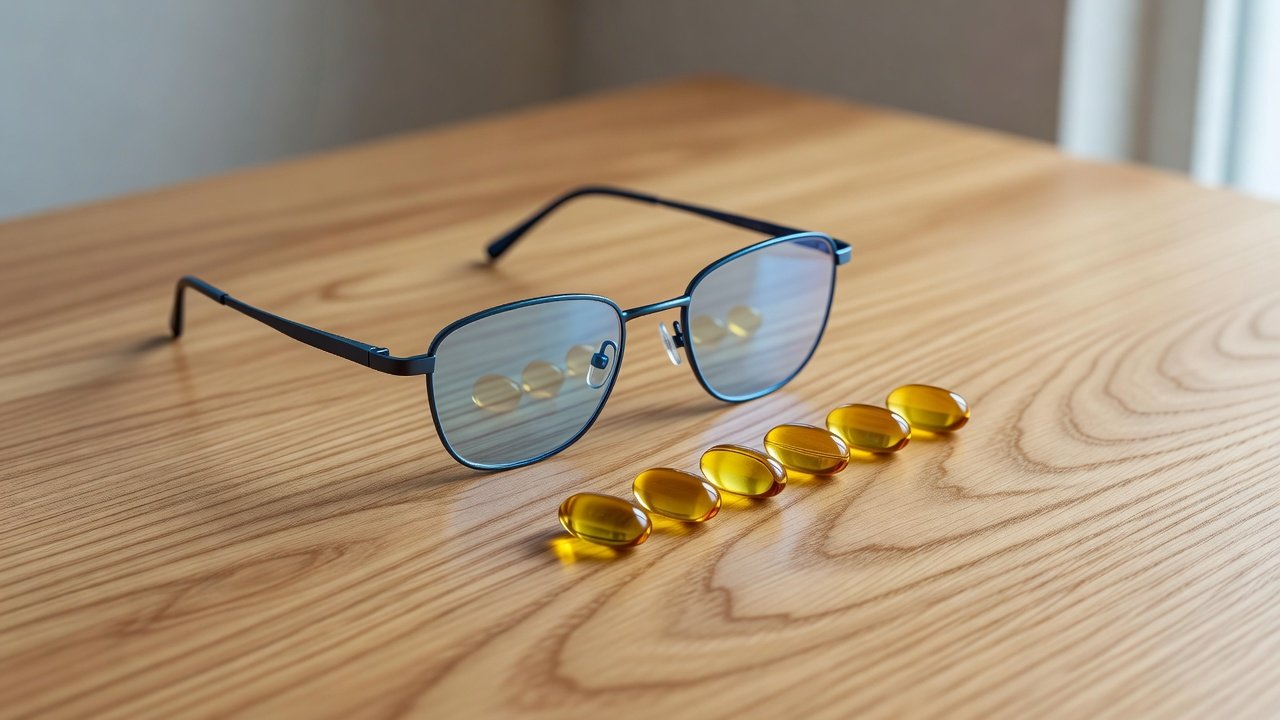
Compare supplements by bioavailability—look for free-form lutein over esterified versions. For gadgets, evaluate battery life, adjustability, and clinical backing. Red-light masks with built-in timers outperform basic versions, while blue-light filters should block at least 30% of 400-455 nm wavelengths without distorting color perception. Always cross-reference user feedback on durability and ease of integration. Consider factors such as portability for travel, ease of cleaning for hygiene, and compatibility with prescription eyewear. Independent lab reports on light output consistency help separate effective tools from marketing hype. Reading peer-reviewed comparisons from sources like the World Health Organization can provide broader context on light exposure guidelines.
Step-by-Step Daily Integration Routine
- Morning: Take lutein-zeaxanthin supplement with a meal containing healthy fats for absorption, followed by a brief outdoor exposure to natural light for circadian alignment.
- Workday: Activate blue-light filters on devices and wear protective eyewear during extended screen sessions; schedule micro-breaks every 20 minutes using the 20-20-20 rule.
- Evening: Apply red-light eye mask for 12 minutes while practicing gentle eye exercises like palming or focus shifts to release tension.
- Weekly: Log diet intake of carotenoid-rich foods like spinach and eggs to complement supplementation, and review screen-time analytics from phone or computer apps.
- Monthly: Adjust dosages or gadget settings based on tracked metrics such as dryness frequency or night vision quality.
Tracking Progress with At-Home Vision Tests
Simple tools like printable Snellen charts or digital apps measure visual acuity weekly. Color contrast tests and Amsler grid checks detect early macular changes. Consistent logging reveals improvements in glare recovery or reduced dryness. Pair these with professional optometry visits every six months for comprehensive assessment. Advanced users may incorporate apps that simulate low-light conditions or track blink rates during work to quantify strain reduction. Recording subjective feelings alongside objective scores creates a fuller picture of progress and helps identify when adjustments are needed.
Real-User Examples and Case Studies
One software developer integrated the stack and noted 40% less eye fatigue after three weeks, measured via self-reported surveys and contrast sensitivity apps. A graphic designer combined supplements with red-light sessions, reporting sustained focus during late-night projects without headaches. Another example involves a university student who added blue-light filters to her study routine and experienced fewer instances of blurred vision after long library sessions. These examples underscore the value of personalization based on lifestyle demands, such as tailoring session timing around work shifts or combining with hydration tracking for optimal tear production.
Common Mistakes to Avoid
- Skipping consistency—results require 30-60 days of daily adherence before noticeable benefits accumulate.
- Choosing untested gadgets that deliver incorrect wavelengths or lack safety certifications.
- Ignoring overall lifestyle factors like sleep quality, hydration, and posture that amplify biohacking effects.
- Over-relying on supplements without dietary variety or neglecting annual eye exams.
- Starting multiple new tools simultaneously, which makes it hard to isolate what works.
Frequently Asked Questions
How soon can results appear?
Many notice reduced strain within two weeks, with measurable macular pigment density changes around eight weeks via specialized tests.
Are these approaches suitable for all ages?
Adults over 18 benefit most; consult an eye care professional for younger users or those with pre-existing conditions.
Can gadgets replace supplements?
No—synergistic use provides optimal outcomes, as light therapy supports cellular function while nutrients provide raw materials for repair.
What if I travel frequently?
Portable versions of red-light masks and clip-on blue-light filters make routines adaptable; carry supplement blister packs to maintain daily intake.
Conclusion
Building an eye-optimization stack in 2026 empowers individuals to protect and enhance vision proactively. By selecting quality lutein and zeaxanthin supplements alongside red-light masks and blue-light filters, establishing consistent routines, and tracking metrics, users achieve meaningful resilience. Start with foundational elements and refine based on personal feedback for sustainable results that support both daily comfort and long-term ocular health.
No comments yet. Be the first!