 Slow Bio Hack

Introduction to Neurotransmitter Optimization in 2026
Balancing key brain chemicals like dopamine and serotonin is essential for mood stability, focus, and cognitive performance. In 2026, biohacking tools have advanced to provide precise, data-driven ways to fine-tune these neurotransmitters without relying solely on medications. This comprehensive guide explores the underlying science, practical testing protocols, and integration of tools like EEG devices and supplements into everyday routines, helping users achieve better mental optimization through evidence-based strategies.
The Science of Key Neurotransmitters
Dopamine drives motivation, reward processing, attention, and goal-directed behavior. Serotonin regulates mood, emotional stability, sleep cycles, and appetite control. Additional neurotransmitters such as GABA for calmness and acetylcholine for memory and learning also play critical roles. Imbalances often manifest as persistent fatigue, anxiety, irritability, or diminished concentration. Research from leading institutions underscores how targeted interventions can modulate these systems safely. Learn more from NIH. Understanding receptor sensitivity and precursor availability forms the foundation for any biohacking approach in the current year.
Step-by-Step Protocols for Testing Neurotransmitter Levels
Accurate testing begins with baseline assessments using accessible, non-invasive methods. First, collect at-home saliva or urine samples to measure neurotransmitter metabolites over a 24-hour period. Second, incorporate portable EEG monitoring to capture real-time brainwave patterns associated with specific chemical activity. Third, maintain a detailed symptom journal via mobile apps for at least 14 days, noting energy levels, sleep quality, and emotional states. Fourth, schedule professional bloodwork or advanced metabolite panels with a qualified practitioner for confirmation. Repeat testing every four to six weeks to track changes and adjust protocols accordingly. These steps ensure personalized insights rather than generic assumptions.
Biohacking Tools: EEG Devices and Supporting Wearables
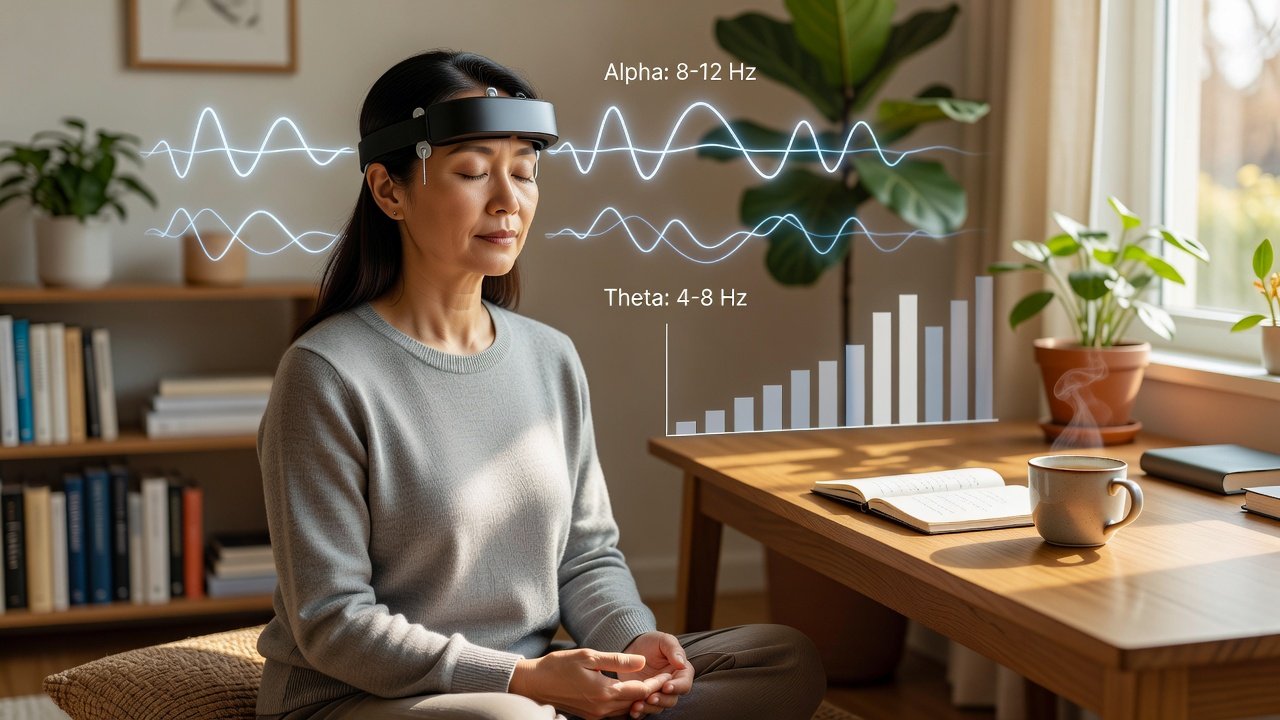
Modern EEG headsets provide visual feedback on alpha, beta, and theta waves linked to serotonin and dopamine pathways. Popular 2026 models include dry-sensor devices that connect to smartphone apps for guided neurofeedback sessions. Users can train specific brain states, such as increasing alpha waves for relaxation. Complementary wearables track heart rate variability and sleep stages, offering indirect indicators of neurotransmitter health. These tools empower individuals to observe immediate responses to interventions like meditation or light exposure. Explore evidence at Mayo Clinic.
Integrating Gadgets into Daily Routines
Successful integration requires consistency and contextual placement within existing schedules. Morning routines might include a 20-minute EEG-guided meditation session focused on dopamine activation through goal visualization. Midday breaks can combine brief light therapy exposure with breathwork exercises to sustain serotonin levels. Evening wind-down protocols emphasize blue-light blocking and progressive muscle relaxation while monitoring brainwave shifts. Real-world users, such as remote professionals, report improved focus after aligning device sessions with natural circadian rhythms. Track adherence using simple habit apps and review weekly data trends.
Targeted Supplements and Dosage Guidelines
Evidence-based supplementation supports precursor availability for neurotransmitter synthesis. Options such as L-tyrosine or Mucuna pruriens aid dopamine production, while 5-HTP and saffron extract support serotonin pathways. Begin with the lowest effective amounts and monitor responses over several days. Combine with foundational nutrients like omega-3 fatty acids and magnesium for enhanced absorption and synergy. Always cycle supplements periodically and retest levels to avoid tolerance buildup. Individual factors including diet, stress, and genetics influence outcomes, so personalization remains key.
Comparing Efficacy of Popular Options
EEG neurofeedback delivers immediate, measurable feedback on brain states, making it ideal for acute adjustments, whereas supplements provide cumulative support over weeks. Comparative user reports from 2026 communities indicate that combining both approaches yields superior results, with many experiencing enhanced mood stability and cognitive clarity after four to six weeks. Standalone supplement use may suffice for mild imbalances, but device-assisted protocols accelerate progress for those with pronounced symptoms. Cost-effectiveness varies by device durability and supplement sourcing quality.
Real-World Examples and Case Studies
One documented example involves a software developer who implemented morning EEG sessions alongside targeted amino acid support, resulting in reduced afternoon energy crashes and improved project focus within three weeks. Another case featured a graduate student using evening serotonin-focused routines with wearables to manage exam-related anxiety, achieving better sleep metrics and sustained motivation. These examples illustrate how tailored protocols translate scientific principles into tangible daily benefits.
Potential Pitfalls and Mistakes to Avoid
Common errors include over-supplementation without monitoring, which can disrupt natural feedback loops and cause new imbalances. Ignoring lifestyle fundamentals such as consistent sleep, exercise, and nutrition undermines tool effectiveness. Another frequent mistake is neglecting professional medical consultation before starting intensive protocols, particularly for individuals with pre-existing conditions. Users should avoid chasing rapid results and instead prioritize gradual, data-backed adjustments to prevent frustration or setbacks.
2026 Trends in Evidence-Based Biohacking
Emerging trends highlight AI-integrated wearables that deliver personalized neurotransmitter insights derived from continuous biometric data. Microbiome analysis combined with neurofeedback is gaining traction for its role in gut-brain axis modulation. Global health organizations continue to emphasize holistic, preventive strategies. Review global health insights at WHO. Staying current with peer-reviewed updates ensures protocols remain safe and effective amid rapid technological advancements.
FAQ
How long until noticeable results appear? Most individuals observe initial shifts in energy and mood within two to four weeks of consistent protocol adherence, with more substantial cognitive improvements emerging after six to eight weeks.
Are there any associated risks with these methods? Potential risks exist when supplements interact with medications or when devices are used without proper guidance; always consult a healthcare provider for personalized safety assessments.
Can these biohacking tools complement professional therapy? Yes, they integrate well with cognitive behavioral therapy and other clinical approaches, often enhancing overall outcomes when used under professional supervision.
What role does diet play alongside tools and supplements? Nutrient-dense foods rich in tyrosine, tryptophan, and healthy fats provide essential building blocks that amplify the effects of devices and targeted supplementation.
Conclusion
Optimizing neurotransmitter balance in 2026 is achievable through systematic testing, thoughtful integration of EEG devices and wearables, and evidence-based supplementation. By following detailed protocols, learning from real-world examples, and avoiding common pitfalls, users can realize meaningful improvements in mood and cognition. Begin with baseline assessments today and refine approaches iteratively for sustained mental optimization benefits.
No comments yet. Be the first!