 Slow Bio Hack
Introduction to Bone Density Biohacking in 2026
Bone density optimization has become a cornerstone of longevity-focused wellness, especially as non-pharmaceutical methods gain traction among those seeking skeletal health improvements without relying solely on medications. In 2026, biohacking tools allow targeted interventions that combine technology, nutrition, and exercise for measurable results. This approach addresses search intent around practical, evidence-informed ways to enhance bone mineral density (BMD) through gadgets and supplements. Many adults over 40 begin exploring these methods after noticing early signs of osteopenia or simply wanting to future-proof their skeletal structure against age-related decline. Emerging research highlights how vibration platforms and red light devices can stimulate bone formation, while targeted nutrients like vitamin K2 and specific magnesium forms support calcium metabolism. Users often track progress with DEXA scans or portable ultrasound devices, noting improvements in as little as three to six months when protocols are followed consistently. The appeal lies in personalization: individuals can adjust intensity based on age, fitness level, and recovery capacity, making this a versatile option for both prevention and reversal efforts.
Key Biohacking Gadgets for Skeletal Health
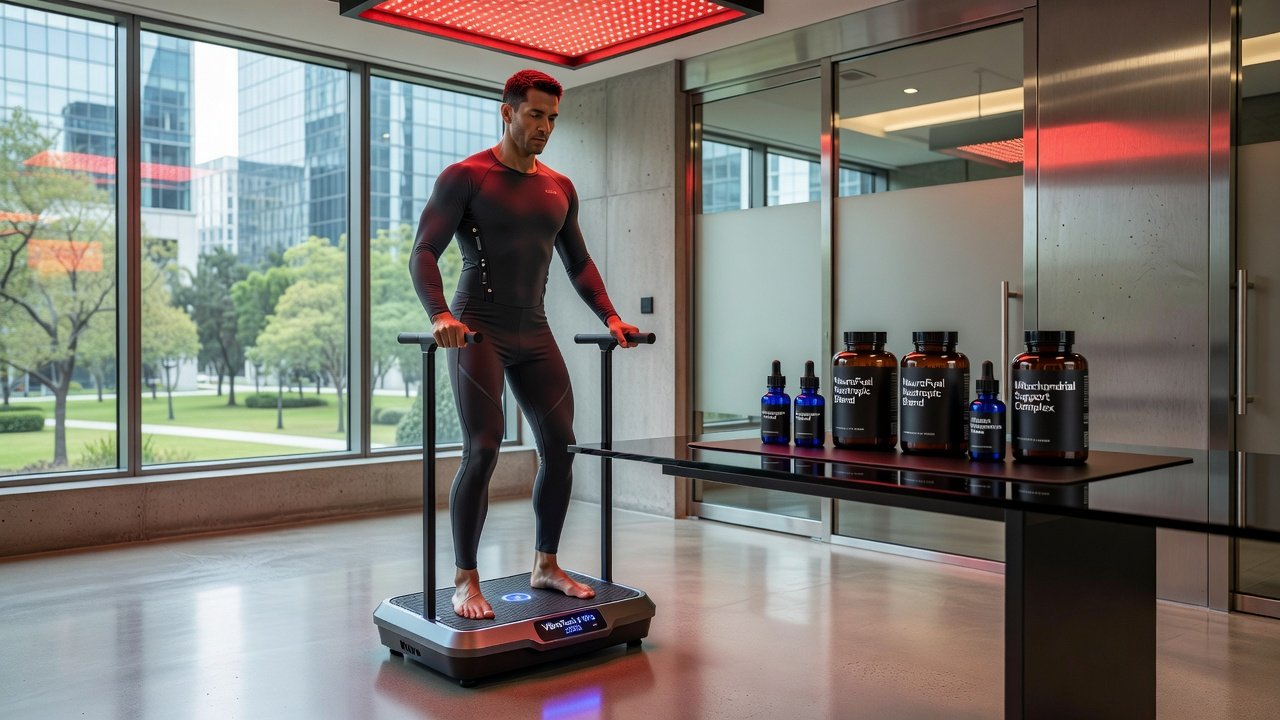
Modern wellness devices have evolved significantly by 2026. Whole-body vibration platforms deliver mechanical stimuli that mimic high-impact activity, potentially increasing osteoblast activity and improving circulation to bone tissue. Red light therapy devices, typically using near-infrared wavelengths, may reduce inflammation and support cellular energy in bone tissue through enhanced mitochondrial function. When comparing options, look for platforms with adjustable frequencies between 20-50 Hz and red light panels with 660-850 nm output for optimal penetration. Integration with resistance training amplifies benefits, as the combination stresses bones in multiple ways and encourages adaptive remodeling. A common mistake is using devices inconsistently; daily 10-15 minute sessions yield better outcomes than sporadic longer exposures. Beginners should start at lower intensities to allow the body to adapt, while advanced users can combine multiple modalities in one session for synergistic effects. Real-world examples include office workers who incorporate short vibration breaks to counteract sedentary lifestyles and athletes who use red light post-training to accelerate recovery.
Essential Supplements: Vitamin K2 and Magnesium Forms
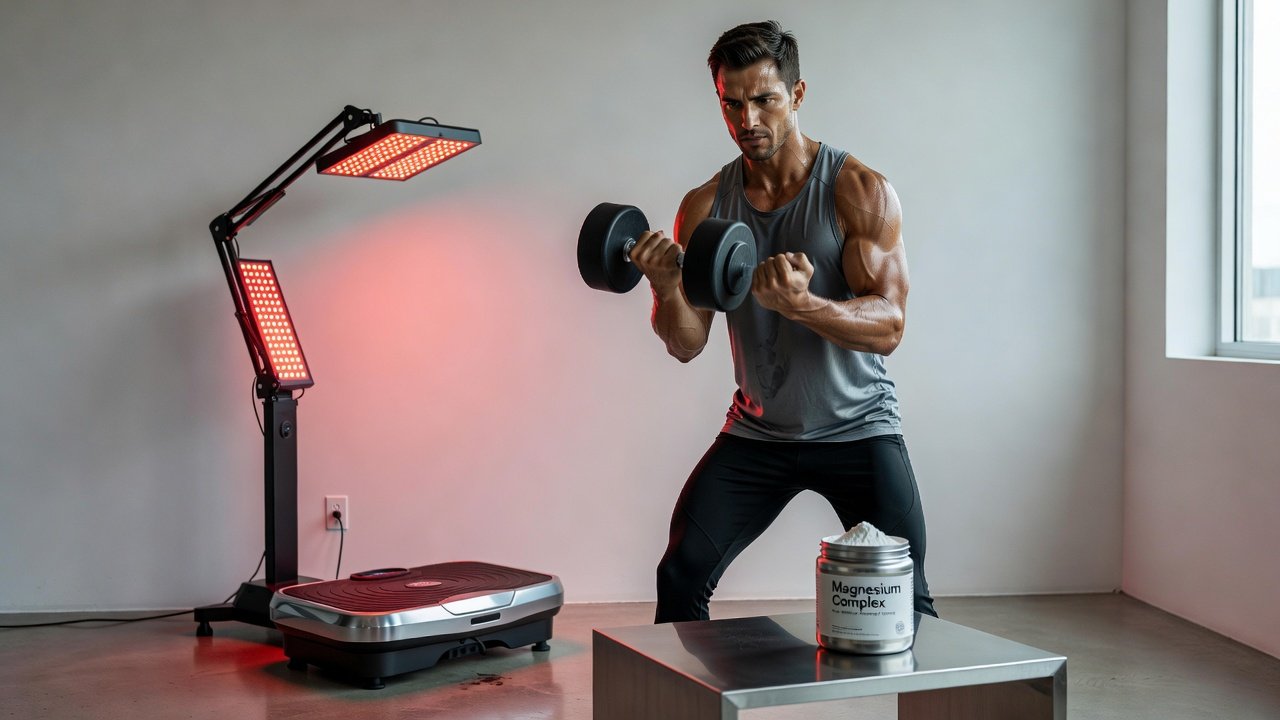
Vitamin K2 (menaquinone-7 form) directs calcium to bones rather than soft tissues, helping maintain arterial health alongside skeletal strength. Magnesium glycinate or threonate offers superior absorption compared to oxide forms, aiding in bone matrix formation and muscle relaxation that supports proper posture during exercise. Typical protocols involve pairing 100-200 mcg K2 with 300-400 mg magnesium daily, taken with meals to enhance uptake and minimize digestive discomfort. Additional cofactors such as vitamin D3 and boron can further optimize results when blood levels are tested beforehand. Case examples show individuals in their 50s improving T-scores by 0.3-0.5 points after six months when combining these with training. Always consult a healthcare provider before starting, as interactions with medications can occur, particularly blood thinners or thyroid treatments. Long-term users often report better sleep and reduced nighttime cramps as secondary benefits from consistent magnesium intake.
Integrating Resistance Training and Monitoring Progress
Biohacking works best alongside progressive resistance exercises like squats, deadlifts, and weighted carries performed three to four times weekly. Perform these after vibration sessions to prime muscles and bones for greater loading capacity. Track metrics with baseline and follow-up scans every three months using DEXA or quantitative ultrasound. User reports frequently include better posture, reduced joint discomfort, and higher energy levels within eight to twelve weeks. Potential side effects remain minimal but may include temporary muscle soreness or mild skin sensitivity from light devices; these usually resolve with proper warm-ups and hydration. A structured comparison of training styles shows that compound movements outperform isolation exercises for bone loading, while incorporating balance work reduces fall risk in older adults. Practical tips include logging perceived exertion and recovery scores to fine-tune weekly volume.
Step-by-Step Starter Routine
- Week 1-2: Begin with 5-minute vibration sessions twice daily at low amplitude and add 200 mg magnesium glycinate at bedtime while monitoring tolerance.
- Week 3-4: Introduce red light therapy for 10 minutes post-workout targeting hips and spine, and incorporate 100 mcg K2 with breakfast alongside a balanced meal.
- Week 5-8: Combine with full-body resistance training three times weekly using bodyweight progressions first, increasing vibration to 12 minutes and adding light dumbbells.
- Week 9-12: Introduce advanced variations such as single-leg stands on vibration platforms and reassess bone density markers through professional scanning.
- Ongoing: Maintain consistency with quarterly assessments, adjust based on energy and recovery, and cycle supplements every three months if advised by a practitioner.
Before-and-After Metrics and User Case Examples
Documented cases from 2025-2026 illustrate tangible gains. A 48-year-old woman improved her lumbar spine T-score from -1.8 to -1.3 after six months of combined vibration, red light, and supplementation while maintaining resistance training. A 62-year-old man reported a 4% increase in femoral neck density alongside better grip strength and reduced back stiffness. These examples underscore the importance of individualized dosing and consistent tracking rather than generic one-size-fits-all approaches.
Potential Side Effects, Safety Considerations, and FAQs
Is this suitable for all age groups?
Younger adults focus on prevention through moderate protocols, while those over 50 emphasize reversal with closer medical supervision. Protocols scale by intensity and supervision needs to accommodate joint limitations or comorbidities.
What side effects should I watch for?
Most experience none, but start low with devices to avoid dizziness, fatigue, or mild skin warmth. Individuals with implants or recent fractures should seek clearance first.
How does this compare to traditional treatments?
Biohacking complements medical care; it is not a replacement for prescribed therapies when clinically indicated, but many find it reduces reliance on pharmaceuticals over time.
For authoritative guidance on bone health, refer to resources from the World Health Organization, Mayo Clinic, National Institutes of Health, and Centers for Disease Control and Prevention.
Conclusion
Biohacking bone density in 2026 empowers proactive skeletal care through layered strategies. Consistent application of tools, supplements, and training delivers sustainable results across age groups when paired with regular monitoring and professional oversight.
No comments yet. Be the first!