 Slow Bio Hack
Introduction to Dopamine Optimization in 2026
Dopamine serves as a critical neurotransmitter that drives motivation, focus, reward processing, and overall cognitive function. In 2026, individuals seeking peak mental performance are turning to integrated biohacking strategies that combine advanced technology with nutritional science. This comprehensive guide explores practical, evidence-based protocols for optimizing dopamine levels through EEG wearables, targeted nootropics such as L-tyrosine and mucuna pruriens, and structured daily tracking routines. These methods build on the broader concept of neurotransmitter balance, offering actionable steps for those looking to enhance productivity, mood stability, and long-term brain health without relying on unproven trends.
Modern biohackers recognize that dopamine optimization requires consistent measurement and personalization rather than one-size-fits-all approaches. By leveraging tools that provide real-time data alongside supplements that support natural production pathways, users can achieve sustainable improvements. Throughout this article, we will cover implementation details, comparisons between gadgets and supplements, real-world examples, and answers to common questions about measuring progress.
Understanding Dopamine and Its Role in Neurotransmitter Balance
Dopamine influences multiple brain systems, including the mesolimbic pathway associated with motivation and the prefrontal cortex linked to executive function. Low dopamine activity often manifests as procrastination, low energy, or difficulty sustaining attention, while balanced levels support resilience under stress. Research from institutions like the National Institutes of Health highlights how lifestyle factors, nutrition, and targeted interventions can modulate dopamine synthesis and receptor sensitivity. In 2026, the focus has shifted toward quantifiable methods that allow individuals to track changes over weeks rather than relying on subjective feelings alone.
Neurotransmitter balance extends beyond dopamine to include interactions with serotonin, acetylcholine, and GABA. Effective protocols address these connections by incorporating rest, exercise, and precise supplementation timing. Understanding baseline function helps users avoid over-stimulation that could lead to tolerance or burnout.
EEG Wearables for Real-Time Dopamine Monitoring
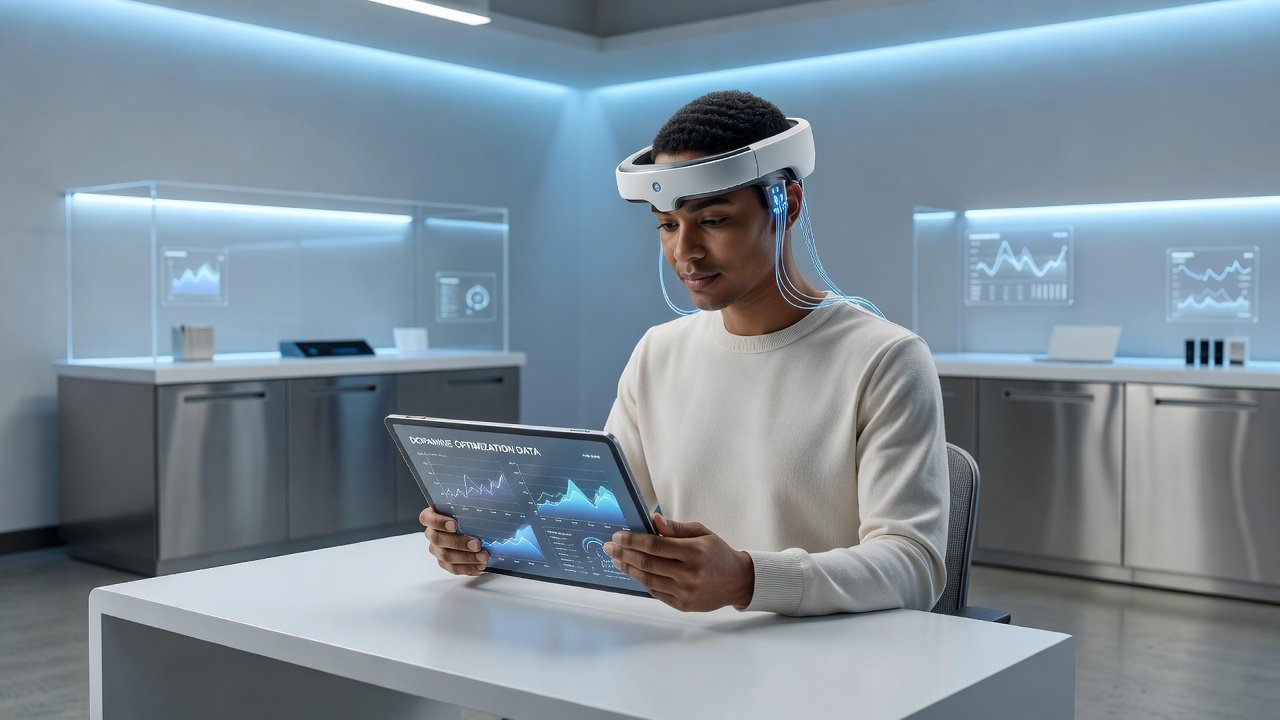
EEG wearables have become essential tools for visualizing brainwave patterns correlated with dopamine activity, such as increases in beta waves during focused tasks or alpha wave shifts during recovery periods. Devices like consumer-grade headbands enable users to conduct sessions at home, generating data on attention metrics and relaxation states that indirectly reflect dopamine dynamics. Step-by-step implementation begins with establishing a morning baseline reading of five to ten minutes while seated quietly. Users then repeat measurements after key activities such as supplementation, light exercise, or work blocks to identify personal response patterns.
Practical examples include professionals who notice beta wave dips during prolonged video calls and respond by taking brief movement breaks. Advanced users integrate wearable data with smartphone apps to log environmental factors like sleep duration or caffeine intake. When comparing EEG tools to other methods, wearables excel at providing immediate, objective feedback that supplements cannot match, though they require regular charging and calibration for accuracy.
Targeted Nootropics: L-Tyrosine and Mucuna Pruriens
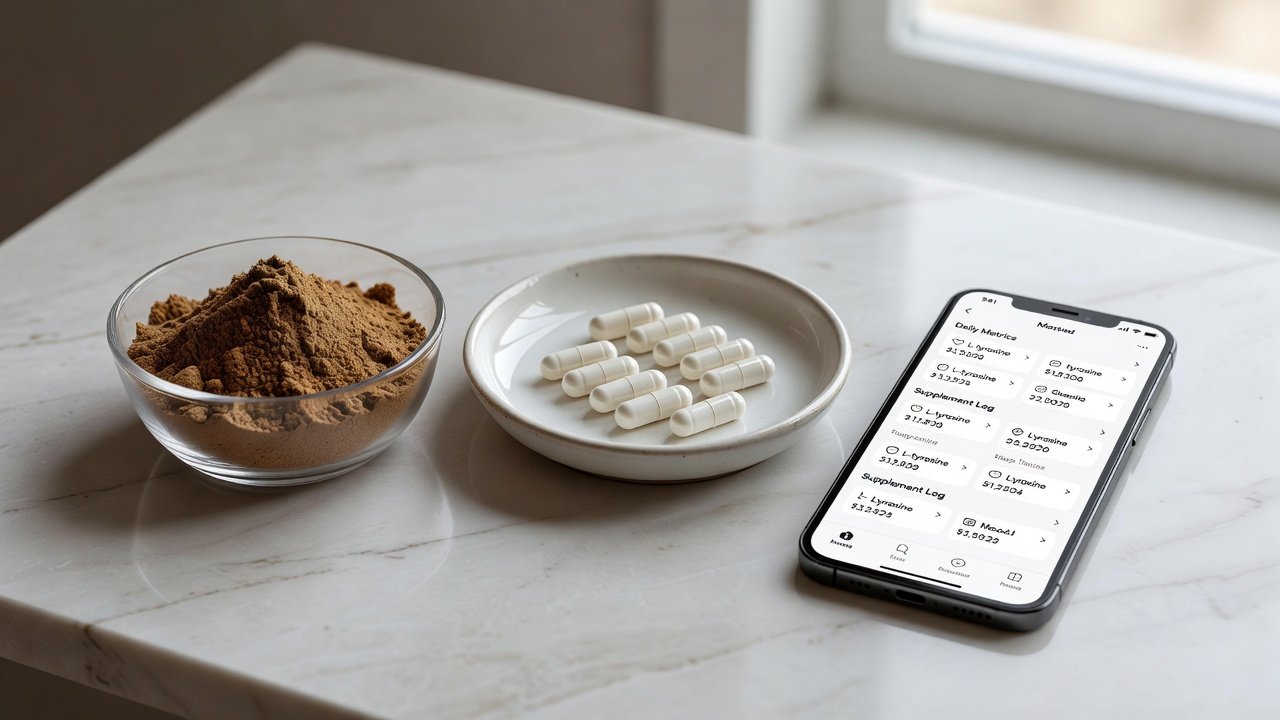
L-tyrosine acts as a direct precursor in the dopamine production pathway, helping replenish stores depleted by stress or intense cognitive demands. Mucuna pruriens, a natural source of L-DOPA, supports conversion into dopamine and has been studied for its role in supporting motor function and mood. Effective 2026 protocols emphasize cycling and stacking: begin with 500 milligrams of L-tyrosine taken with a protein-rich breakfast to leverage natural absorption, followed by a standardized mucuna extract in the early afternoon to counteract typical energy declines.
Users should introduce one compound at a time over a two-week period to assess tolerance and effects. Synergistic practices include pairing these nootropics with tyrosine-rich foods such as eggs, cheese, and soy products. Monitoring for individual responses remains critical, as genetic variations influence how quickly the body processes these compounds. Those new to nootropics benefit from starting with lower amounts and gradually increasing based on tracked outcomes.
Daily Tracking Protocols and Progress Measurement
A robust daily protocol integrates wearable data, supplement logs, and subjective metrics into a repeatable routine. Start each morning with a five-minute EEG session followed by noting sleep quality on a scale of one to ten. After taking morning supplements, record focus levels during the first work block. Afternoon check-ins involve a second EEG reading and a brief journal entry on mood and motivation. Evening reviews compile the day's data to spot trends, such as improved attention scores on days with consistent mucuna use.
Key metrics to track include duration of deep focus periods, number of task completions, energy ratings at set intervals, and any side effects. Real-user case examples demonstrate the value of this approach: a software developer reported sustained afternoon productivity after four weeks of combined EEG monitoring and L-tyrosine cycling, while a graduate student noted better exam preparation consistency when mucuna was added to an existing routine. Over 30 days, many users observe measurable shifts in average focus duration and reduced procrastination scores.
Real-User Case Examples
Case studies from biohacking communities illustrate varied applications. One entrepreneur used EEG wearables to identify that dopamine-related beta activity dropped sharply after lunch, prompting a switch to a mucuna-based protocol that restored afternoon drive within ten days. Another individual combined daily tracking with L-tyrosine timing to improve workout consistency, noting higher motivation scores on logged days. These examples underscore the importance of personalization and patience, as results typically emerge after two to four weeks of consistent application.
Comparisons: Gadgets Versus Supplements
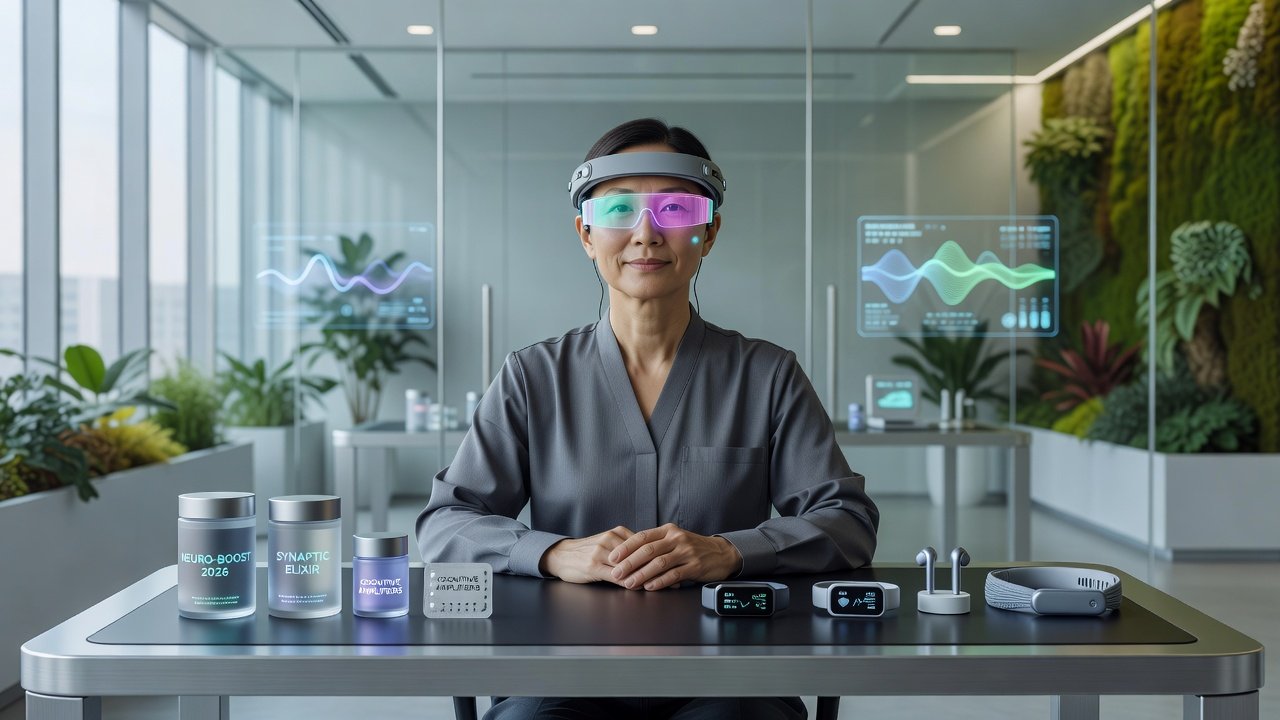
EEG wearables deliver precise, time-stamped data that helps users understand immediate brain responses, making them ideal for experimentation and troubleshooting. Supplements like L-tyrosine and mucuna provide foundational support for dopamine synthesis at lower ongoing effort, though they lack the feedback loop of technology. The most effective 2026 strategies combine both categories: wearables guide timing and dosage adjustments while supplements deliver steady biochemical support. Users report higher satisfaction when starting with one category before layering the second.
Common Mistakes to Avoid
Common pitfalls include inconsistent tracking that obscures progress, excessive reliance on high doses without cycling, and neglecting sleep or nutrition foundations. Another frequent error is comparing personal data directly to online averages instead of establishing individual baselines. Avoiding these issues requires disciplined logging and periodic review with a healthcare professional.
FAQs on Measuring Dopamine Progress
How do I know if protocols are working? Look for consistent improvements in focus duration, energy ratings, and EEG patterns over a minimum of two weeks. Subjective mood journals provide additional confirmation.
Are there risks with these methods? Begin with conservative amounts of nootropics and monitor for any discomfort. Wearables are generally low-risk but should not replace professional medical advice.
Best time to track? Morning baselines and post-activity sessions produce the most reliable comparisons for most users.
Can I combine multiple tools? Yes, but introduce changes gradually to isolate effects accurately.
Conclusion
Optimizing dopamine through 2026 biohacking protocols offers a structured path to enhanced mental performance when implemented with care and measurement. By combining EEG wearables for data, targeted nootropics for biochemical support, and disciplined tracking routines, individuals can create sustainable systems tailored to their needs. Begin with baseline assessments, introduce elements methodically, and refine based on personal results. For additional scientific context, consult resources from the National Institutes of Health, Mayo Clinic, and National Center for Biotechnology Information.
No comments yet. Be the first!