 Slow Bio Hack
Introduction to Neurotransmitter Optimization in 2026
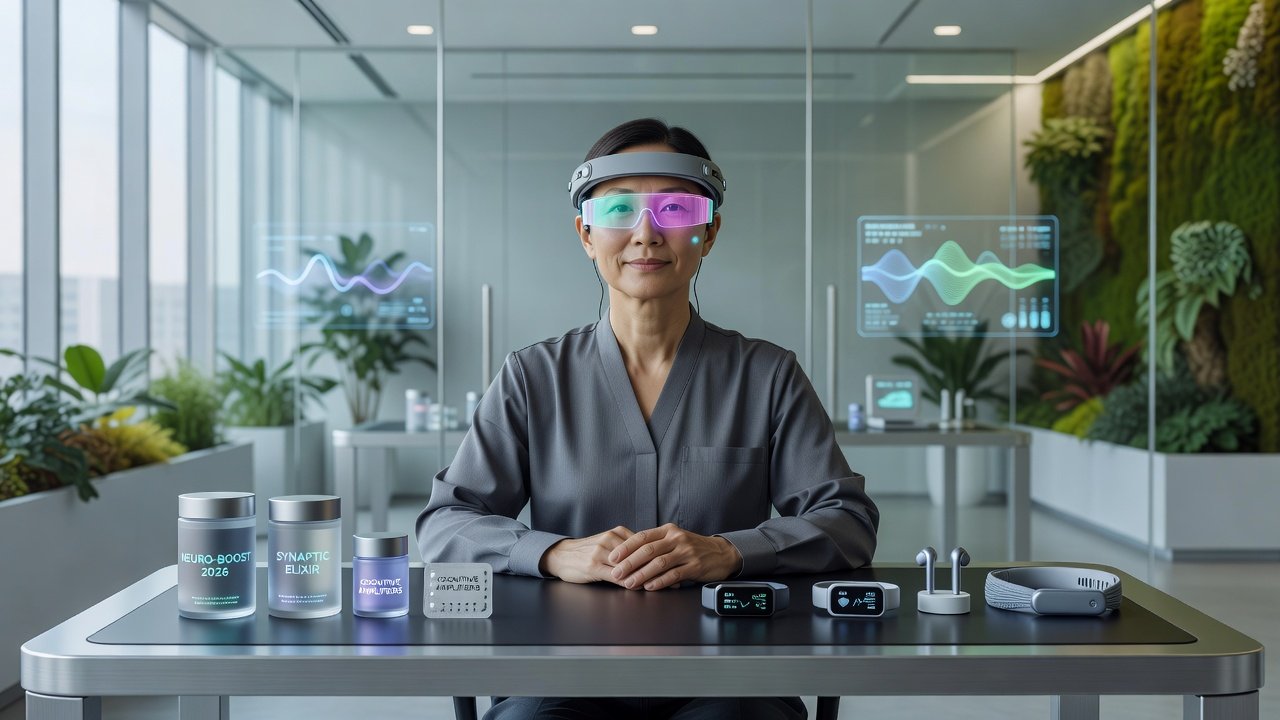
Balancing key neurotransmitters like dopamine, serotonin, and GABA has become a cornerstone of mental performance protocols. In 2026, advances in wearable technology and targeted supplementation allow individuals to achieve measurable improvements through daily routines. This guide outlines evidence-based methods combining EEG monitoring, specific nootropics, and light therapy devices for sustainable results. Many professionals and biohackers now integrate these tools into their lifestyles to combat burnout, enhance focus, and improve sleep quality. Rather than relying on one-size-fits-all advice, 2026 protocols emphasize personalization through data from consumer-grade devices.
Understanding the Core Neurotransmitters
Dopamine drives motivation and focus, serotonin regulates mood and sleep, while GABA promotes calm and reduces anxiety. Imbalances often stem from stress, poor sleep, or diet. Modern protocols emphasize personalized tracking rather than generic advice, enabling users to adjust interventions based on real-time data. For instance, low dopamine may manifest as procrastination during work hours, while insufficient GABA can lead to racing thoughts at night. Understanding these connections helps tailor routines effectively. Research from leading health institutions underscores the interplay between lifestyle factors and neurotransmitter function, making daily protocols essential for long-term cognitive health.
EEG Headbands for Real-Time Monitoring
EEG headbands provide non-invasive brainwave feedback to guide optimization. Users wear these devices during meditation or focus sessions to correlate alpha, beta, and theta waves with neurotransmitter activity. Start with 10-minute daily sessions, noting patterns in focus or relaxation scores. Integration with apps allows logging how interventions affect readings over time. Advanced users often combine EEG data with heart rate variability metrics to detect subtle shifts in GABA levels. For a beginner example, someone experiencing midday fatigue might use the headband to confirm low beta waves and then introduce a targeted intervention like a short walk combined with light exposure. Consistent use over weeks reveals personal baselines and progress trends.
Targeted Nootropics: L-Theanine and 5-HTP
L-theanine, typically dosed at 200 mg in the morning, promotes alpha brain waves for calm focus without sedation. 5-HTP at 100-200 mg in the evening supports serotonin production for better mood and sleep. Compare protocols by starting low: test L-theanine alone for one week, then add 5-HTP while monitoring for interactions. Always consult a healthcare professional before stacking. Dosage comparisons show that splitting L-theanine into two 100 mg servings can maintain steady effects throughout the workday for some users, whereas a single evening dose of 5-HTP often yields better sleep architecture. Practical examples include pairing L-theanine with green tea for natural synergy during high-focus tasks like coding or writing reports. Those new to nootropics should track subjective feelings alongside device data for the first month.
National Institutes of Health resources highlight the importance of individualized dosing based on biomarkers.
Wearable Light Therapy Devices
Light therapy wearables deliver specific wavelengths to influence circadian rhythms and neurotransmitter release. Morning use of blue-enriched light (around 10,000 lux equivalents) boosts dopamine, while evening red or amber settings support GABA. Combine with EEG feedback to verify improved wave patterns after 14 days of consistent use. Users report enhanced energy when aligning light sessions with natural sunrise times, and many integrate these devices into commute routines via portable versions. A common routine involves 20 minutes of morning light while reviewing daily goals, followed by evening wind-down with red light to ease into restful states. This approach proves especially useful for shift workers adjusting their internal clocks.
Step-by-Step Daily Protocol
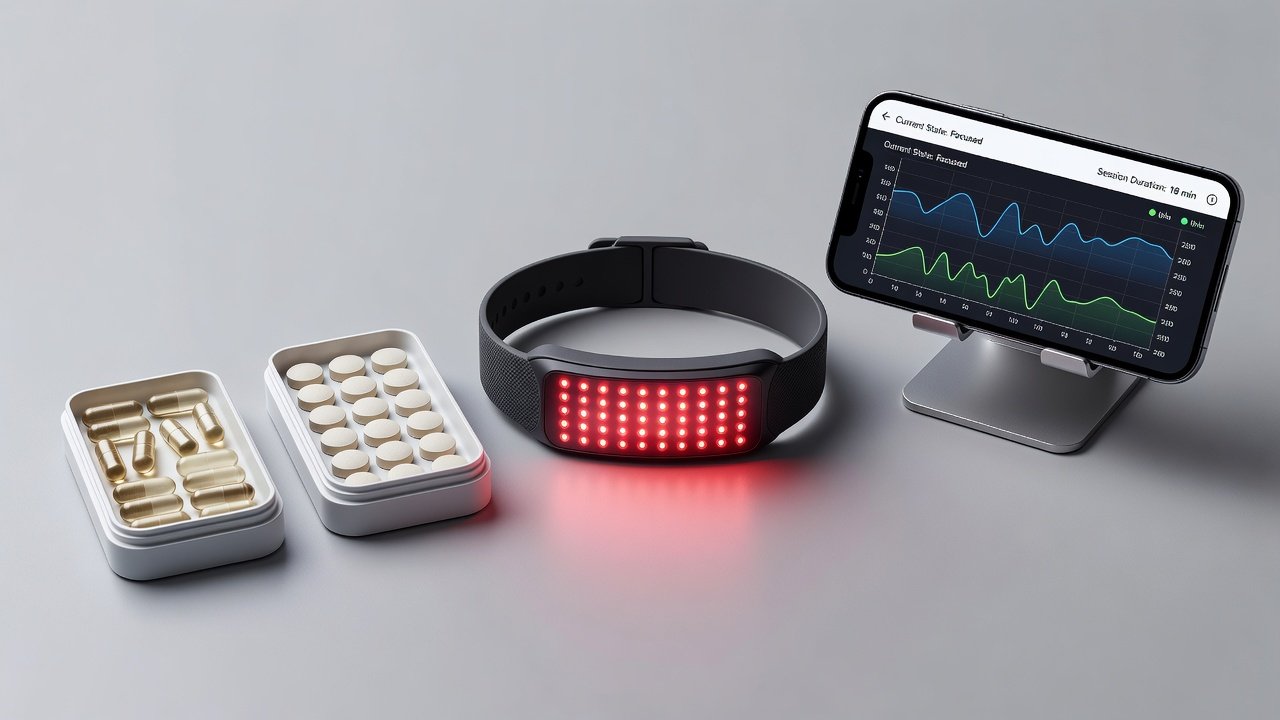
- Morning: 20 minutes of light therapy paired with EEG headband session to establish dopamine-supporting rhythms.
- Midday: 200 mg L-theanine with focus work, tracked via app, plus a 5-minute breathing exercise if beta waves dip.
- Evening: 100 mg 5-HTP plus red light exposure before bed, aiming for consistent wind-down timing.
- Weekly review: Analyze app data for neurotransmitter balance trends and adjust dosages or session lengths accordingly.
Variations exist for different lifestyles; remote workers might extend midday sessions, while parents could shorten them to fit family schedules. Documenting these adjustments creates a personalized playbook over time.
Integration with Wellness Gadgets
Sync EEG data with smartwatches or sleep trackers for holistic views. For example, correlate GABA improvements with reduced heart rate variability during rest. This layered approach provides quantifiable metrics beyond subjective feelings. Many users connect multiple devices through a central app dashboard, allowing cross-referencing of sleep stages with daytime focus scores. Practical integration might include using a fitness ring alongside the EEG headband to spot how evening light therapy influences next-day dopamine markers. Such combinations turn isolated tools into a cohesive optimization system.
Tracking Progress via Apps
Popular biohacking apps log supplement intake, device readings, and mood scores. Set baseline measurements in week one, then track weekly averages. Look for 15-20% improvements in focus metrics or sleep quality scores as indicators of success. Detailed tracking includes noting environmental factors like caffeine intake or screen time before sessions. Over several months, users can identify which protocol elements drive the largest gains, such as consistent light therapy correlating with steadier serotonin levels. Exporting data for personal review or sharing with a coach adds another layer of accountability.
Common Pitfalls to Avoid
- Over-supplementing without monitoring, leading to tolerance or diminished returns after initial weeks.
- Ignoring sleep hygiene while focusing only on nootropics, which undermines GABA balance despite supplementation.
- Skipping professional medical advice for underlying conditions that may mimic neurotransmitter issues.
- Using inconsistent tracking methods that skew results and make progress hard to measure accurately.
- Rushing to advanced stacks before establishing basic routines, often causing confusion about which element works best.
Advanced Strategies and Stacking
Experienced users explore cycling protocols every six to eight weeks to maintain sensitivity. Combining morning L-theanine with targeted light therapy sessions and evening 5-HTP creates synergistic effects when guided by EEG alpha wave improvements. Some incorporate short fasting windows or specific movement practices to further support dopamine pathways. Always introduce changes gradually and review device data weekly to confirm benefits.
Conclusion
Implementing these 2026 protocols offers a structured path to neurotransmitter balance through technology and supplementation. By combining monitoring, targeted compounds, and light therapy with diligent tracking, individuals can achieve sustainable mental optimization. Start simple, build consistency, and refine based on personal data for the best outcomes.
FAQ: Beginner Concerns and Advanced Stacking
How long until results appear?
Most users notice subtle shifts in mood and focus within 7-14 days, with stronger data emerging after 30 days of consistent protocols.
Can beginners start with all three methods?
Yes, but introduce one element per week to isolate effects. EEG monitoring helps confirm compatibility.
What advanced stacking strategies work best?
Experienced users combine morning L-theanine with afternoon light therapy and evening 5-HTP, adjusting based on EEG alpha wave data. Cycle every 6-8 weeks to prevent adaptation.
Mayo Clinic provides foundational guidance on supplement safety for neurotransmitter support.


No comments yet. Be the first!