 Slow Bio Hack
Introduction to Metabolic Optimization in 2026
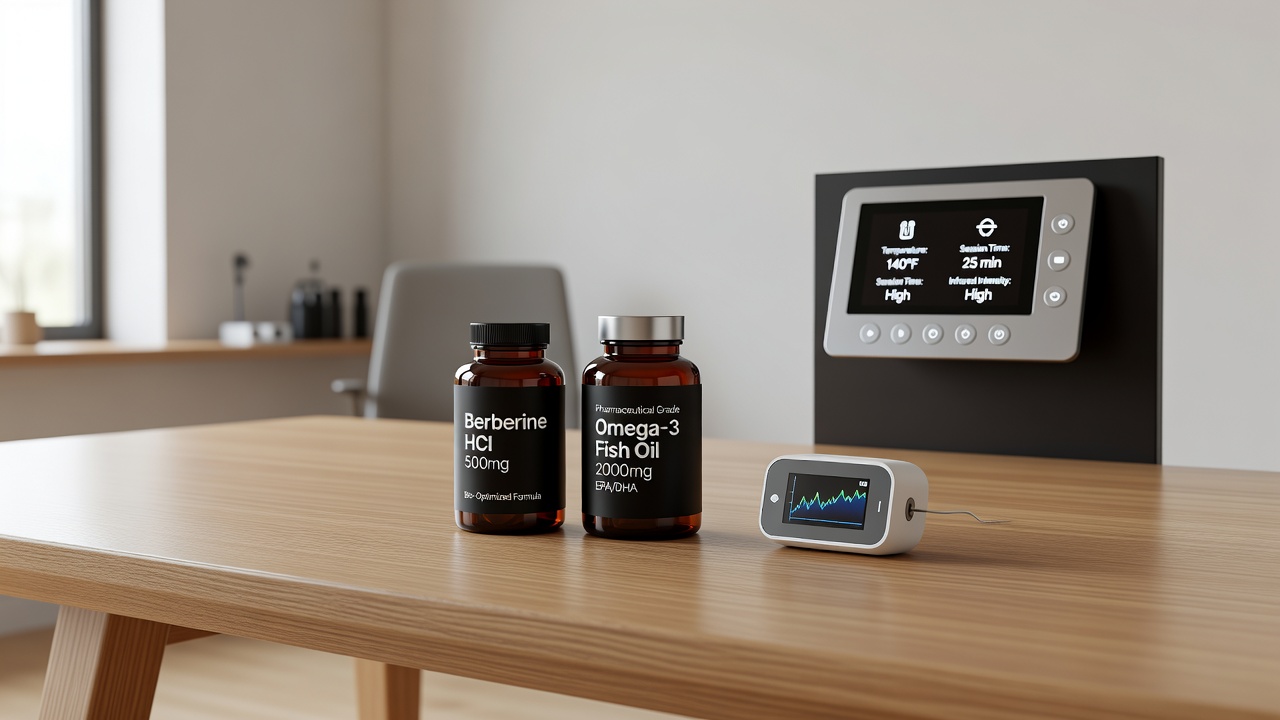
Metabolic optimization stands as a foundational element in contemporary wellness practices, centered on improving the efficiency with which the body processes nutrients into usable energy. As we move through 2026, biohacking offers targeted, evidence-informed techniques that help individuals refine these processes using specific supplements and advanced devices. This approach stays firmly focused on metabolic pathways, deliberately steering clear of discussions around energy production, gut function, or hormone balance. Readers searching for practical, results-oriented guidance will find detailed explanations, implementation frameworks, and illustrative examples throughout this resource. The goal is to equip users with tools that support sustained metabolic performance through measurable adjustments and consistent application.
The Science Behind Metabolic Function
At its core, metabolism involves a complex network of biochemical reactions responsible for energy conversion, nutrient breakdown, and waste elimination. Key elements include mitochondrial activity, where cells generate power from substrates, and processes like glycolysis and oxidative phosphorylation that dictate fuel utilization. Biohacking interventions often target AMPK activation and sirtuin pathways to promote metabolic flexibility, allowing the body to switch seamlessly between fuel sources. Insights from extensive research underscore how lifestyle factors influence these mechanisms, with emphasis on cellular signaling that governs glucose uptake and lipid metabolism. National Institutes of Health publications detail ongoing explorations into these dynamics, providing context for why precise supplementation and monitoring prove effective. Understanding these foundations helps users appreciate why certain tools yield better outcomes when applied systematically rather than sporadically.
Recommended Supplements for Metabolic Support
Berberine functions as a potent activator of AMPK, mimicking aspects of exercise at the cellular level to encourage efficient nutrient processing. Protocols typically recommend dividing intake across meals to maintain steady effects, often starting with moderate amounts and observing individual tolerance. Omega-3 fatty acids contribute by supporting membrane fluidity in cells, which facilitates better transport of metabolic substrates. When paired thoughtfully, these compounds create complementary actions that bolster overall metabolic resilience. Additional considerations include incorporating compounds like chromium or green tea extracts in some routines for their roles in glucose handling, though combinations should be introduced methodically. Real-world application involves selecting high-bioavailability forms and integrating them into existing meal patterns to avoid disruption. Users frequently document shifts in how their bodies respond to standard dietary inputs after several weeks of consistent use, highlighting the value of patience during adaptation phases.
Key Wellness Gadgets and Devices
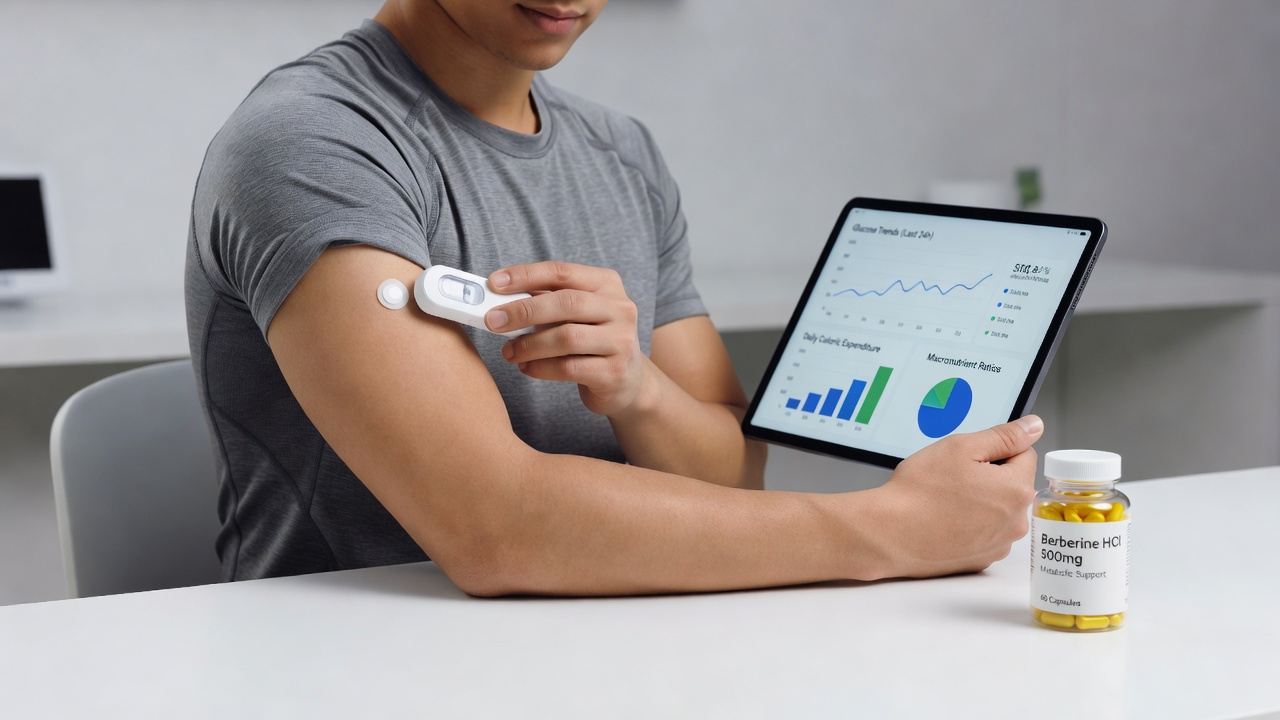
Continuous glucose monitors provide granular visibility into blood sugar dynamics, revealing patterns that inform immediate and long-term adjustments to food choices and timing. Infrared saunas leverage specific wavelengths to induce mild heat stress, potentially supporting cellular cleanup processes that indirectly benefit metabolic efficiency. Other devices, such as advanced wearables tracking respiratory rate or skin temperature, offer supplementary data layers for holistic oversight. These gadgets transform abstract concepts into quantifiable metrics, enabling personalized refinements. Selection depends on user priorities, with many beginning with one primary tool before expanding. Integration requires understanding device limitations, such as sensor accuracy windows or sauna session guidelines, to maximize utility without overcomplication.
Step-by-Step Implementation Guide
Successful metabolic optimization follows a phased approach that builds familiarity and minimizes overwhelm. First, establish baselines through a seven-to-ten-day monitoring period using a CGM to capture typical responses across various activities and intakes. Second, introduce foundational supplements like berberine at conservative levels, pairing them with omega-3 sources during main meals while logging any noticeable shifts. Third, incorporate sauna sessions progressively, beginning with shorter durations at moderate temperatures and advancing as comfort increases, ideally scheduling them post-activity for enhanced recovery support. Fourth, synthesize data weekly to identify trends, adjusting variables such as meal composition or session frequency accordingly. Fifth, conduct monthly reviews incorporating professional input if needed, ensuring protocols evolve with observed results. This structured sequence allows for iterative learning, where each phase informs the next and fosters sustainable habits.
Before-and-After Comparisons of Popular Tools
Comparative analysis of biohacking tools reveals distinct advantages depending on individual contexts. CGM users often transition from reactive eating to proactive timing strategies, noting stabilized readings after initial calibration periods compared to pre-device baselines. Infrared sauna participants frequently describe enhanced post-session sensations of lightness versus conventional dry heat experiences, attributing differences to deeper tissue penetration. Supplement stacks involving berberine alongside omega-3s demonstrate more pronounced pattern stabilization in tracking logs than isolated use, though outcomes vary by adherence and starting points. These comparisons underscore the importance of matching tools to specific goals, such as prioritizing data collection early or focusing on recovery modalities later in a program.
Real-World Examples of Daily Routines
Practical routines illustrate how these elements combine seamlessly into everyday life. One example begins with hydration and supplement intake upon waking, followed by CGM review before planning the first meal of the day. Mid-morning activity incorporates movement that aligns with device feedback, while lunch includes omega-3 integration. Afternoon sauna sessions occur three times weekly, bookended by rest periods. Evening concludes with data review and planning for the next day. A variation for busier schedules shifts sauna use to weekends and emphasizes supplement consistency during travel by using portable formats. Another routine adapts for shift workers by aligning monitoring windows with atypical meal times, demonstrating flexibility. These examples highlight customization based on lifestyle demands while maintaining core principles of tracking and gradual integration. Participants often refine these over months, incorporating feedback loops that lead to highly individualized protocols.
Common Mistakes to Avoid
- Introducing multiple supplements and devices at once, which obscures cause-and-effect relationships and complicates troubleshooting.
- Neglecting regular device maintenance or calibration, resulting in misleading data that derails progress.
- Disregarding professional medical advice prior to commencing, especially for those with pre-existing conditions.
- Expecting immediate transformations instead of allowing adequate time for physiological adaptations, typically spanning several weeks.
- Overlooking environmental factors like sleep consistency or stress management that interact with metabolic tools.
FAQ on Safety, Sourcing, and Tracking Progress
How safe are these biohacking methods?
Responsible application with quality-assured products and guidance from qualified professionals generally presents minimal concerns for most healthy adults. Gradual starts and attentive self-monitoring form the basis of safe practice.
Where should supplements be sourced?
Opt for suppliers providing transparent third-party testing documentation, such as certifications from recognized bodies, and verify details directly whenever possible.
What metrics best track metabolic progress?
Key indicators include CGM time-in-range statistics, trends in resting physiological measures, and periodic clinical assessments of relevant blood markers for comprehensive evaluation.
How often should routines be reassessed?
Monthly evaluations allow sufficient data accumulation while enabling timely tweaks, with more frequent checks during initial implementation phases.
Conclusion
Biohacking metabolism in 2026 integrates targeted supplementation with sophisticated monitoring devices to foster meaningful, trackable enhancements. Through detailed science, practical steps, and adaptable examples, this framework supports users in developing effective personal strategies. Continued reference to authoritative sources like Mayo Clinic and Centers for Disease Control and Prevention reinforces evidence-based decision making for lasting outcomes.

No comments yet. Be the first!