 Slow Bio Hack
Introduction to Personalized Biohacking in 2026
Biohacking has evolved from niche experiments into a mainstream approach for daily optimization. In 2026, the focus is on personalization, allowing individuals to tailor tools, supplements, and gadgets to their unique biology rather than following generic protocols. This beginner-friendly guide explains how to assess your needs, select matching interventions, integrate them seamlessly, and measure progress effectively. Personalization recognizes that factors such as age, genetics, stress levels, sleep patterns, and dietary habits create distinct physiological profiles that respond differently to the same interventions.
Many people begin with popular trends only to find limited results because those approaches ignore individual variability. By building a foundation on data from biomarker testing and consistent tracking, users can refine their routines over time. This method not only improves outcomes but also helps avoid unnecessary expenses on tools that do not align with personal requirements. The result is a sustainable system that supports energy, mental clarity, physical recovery, and long-term health without overwhelming daily life.
Self-Assessment Through Biomarker Testing
Before selecting any tools or supplements, conduct thorough self-assessment. Biomarker testing provides objective data on hormone levels, nutrient status, inflammation, and metabolic function. Common tests include comprehensive blood panels, saliva cortisol profiles, and at-home microbiome analyses. Start by consulting a healthcare provider or using reputable direct-to-consumer labs to order panels that cover key markers such as vitamin D, omega-3 index, HbA1c, C-reactive protein, and sex hormones.
Interpreting results requires context. For instance, optimal vitamin D ranges often sit between 40-60 ng/mL for many adults seeking peak performance, though individual targets vary. Repeat testing every 8-12 weeks allows users to observe trends rather than reacting to single data points. Resources from the National Institutes of Health offer guidance on understanding standard reference ranges and when to seek professional interpretation. This data-driven foundation prevents the common pitfall of chasing symptoms without addressing root causes.
Matching Supplements to Individual Goals
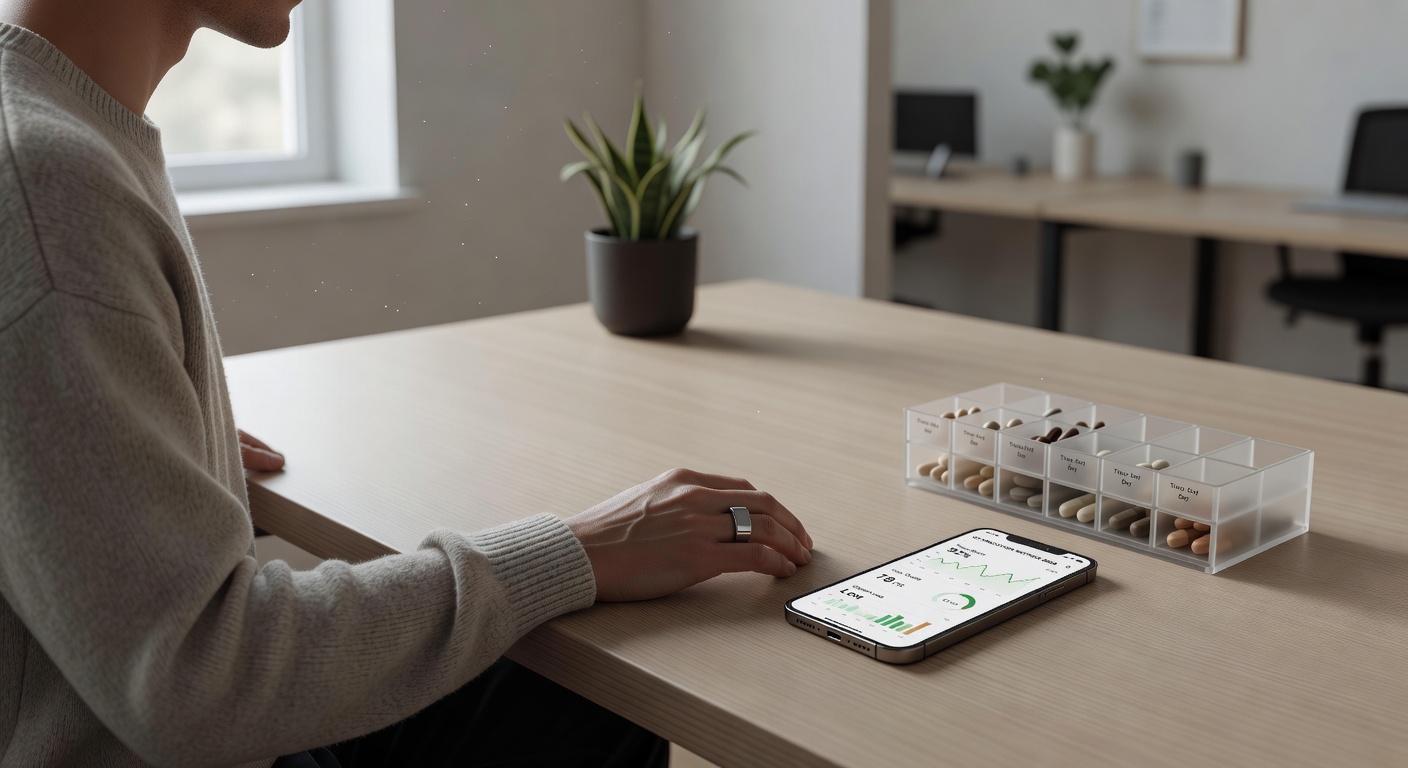
Once biomarkers are available, match supplements directly to identified needs. For example, low vitamin D paired with fatigue goals points toward targeted D3 supplementation combined with K2 for absorption. Those seeking cognitive enhancement with elevated inflammation markers might prioritize omega-3s and curcumin. Always prioritize third-party tested products and start with minimal effective doses. Track tolerance over two weeks before adding new compounds.
Consider user profiles to illustrate matching. A 35-year-old professional with poor sleep and low magnesium might begin with glycinate form at bedtime while monitoring heart-rate variability. Someone focused on joint health and showing elevated inflammation could add collagen peptides alongside an anti-inflammatory diet. The Mayo Clinic provides evidence-based overviews of common supplements that help users cross-reference safety information. This methodical matching reduces waste and minimizes potential interactions while aligning interventions precisely with measured deficiencies.
Integrating Gadgets into Daily Routines
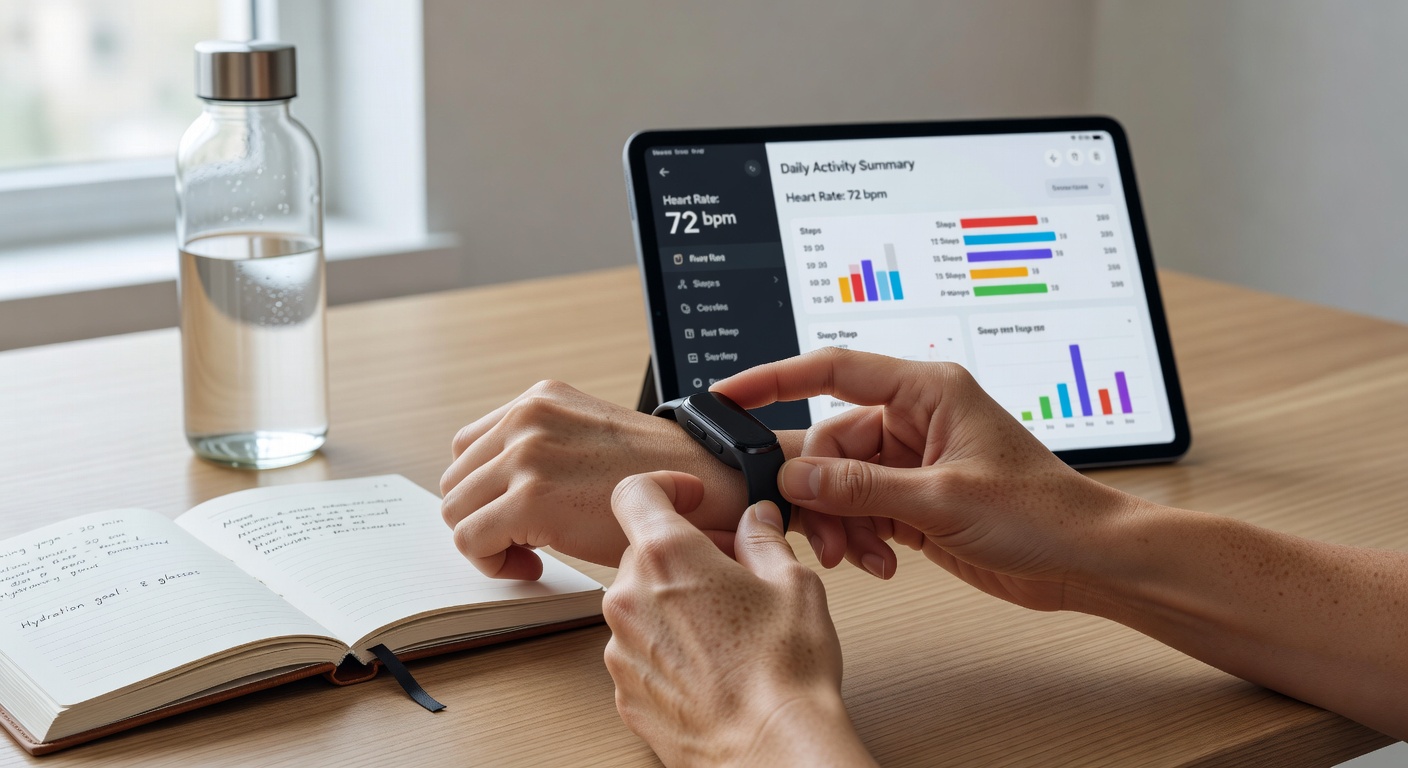
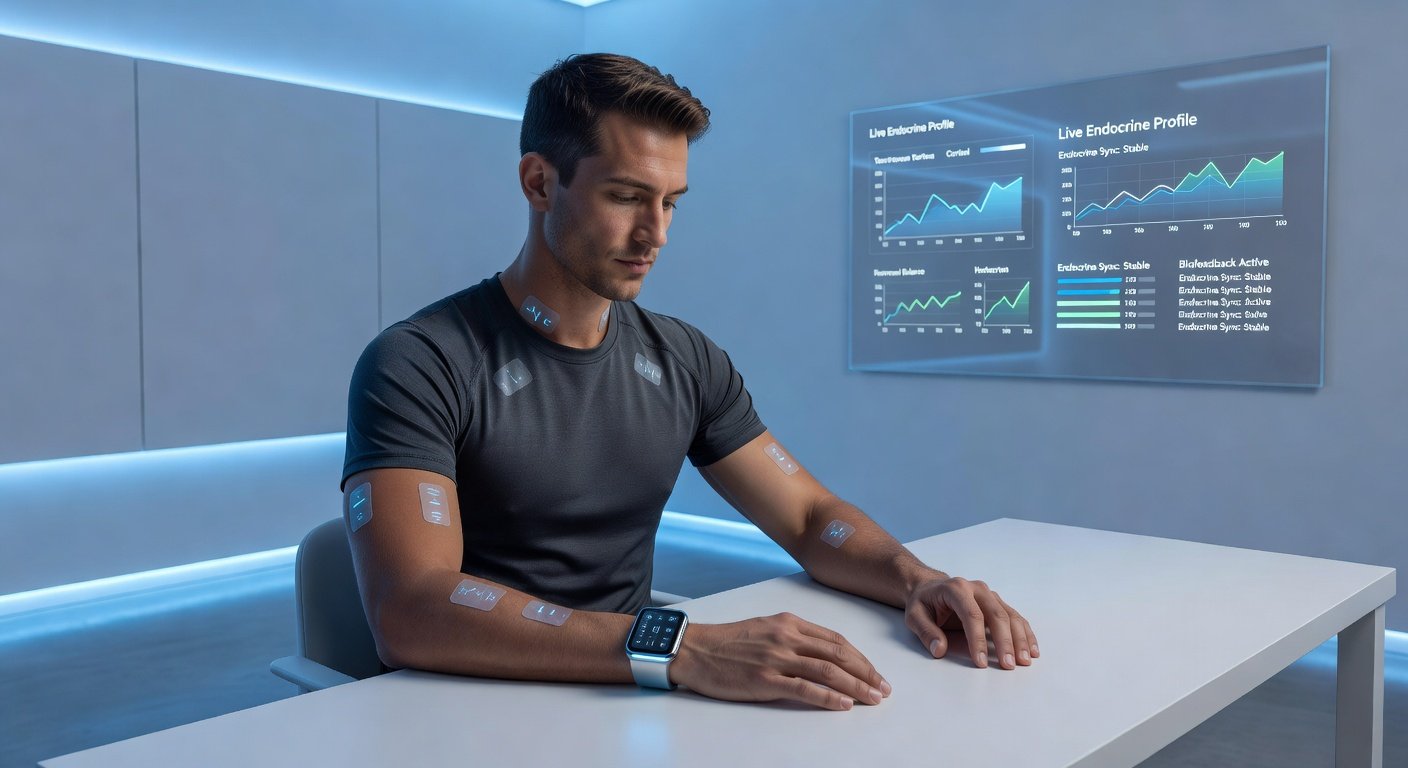
Wearable devices and recovery tools become powerful when integrated thoughtfully. Choose gadgets that align with your biomarkers, such as continuous glucose monitors for metabolic optimization or red-light therapy panels for recovery-focused users. Establish fixed times, like morning sunlight exposure tracked via a light meter app or evening wind-down with a guided breathing device. Build routines around existing habits to improve adherence. Pair gadget use with meals or commutes rather than creating entirely new time blocks.
Practical integration examples include placing a posture-correcting wearable on during work hours if biomarkers indicate chronic stress affecting recovery. Users with metabolic concerns can sync a glucose monitor with meal logging apps to identify personal trigger foods. Over time, these integrations create feedback loops where data informs adjustments, making the routine feel natural rather than burdensome.
Measuring Results with Tracking Apps
Apps serve as central hubs for logging data from multiple sources. Popular options aggregate sleep scores, heart-rate variability, and subjective energy ratings into unified dashboards. Review weekly trends rather than daily fluctuations to identify meaningful patterns. Set clear success metrics tied to your original goals, such as improved HRV readings or stabilized blood glucose. Export data periodically for professional review with a healthcare provider.
Advanced users often combine multiple apps through integrations or APIs. For example, one app might handle sleep while another tracks nutrition, with both feeding into a master dashboard. This layered measurement approach reveals correlations, such as how evening screen time affects next-day focus scores, enabling precise tweaks that compound over months.
Step-by-Step Implementation Examples
Consider a sample workflow for someone focused on energy optimization: First, complete a full blood panel. Second, address any identified iron or B-vitamin shortfalls with targeted supplements. Third, add a wearable that monitors daytime activity and sleep stages. Fourth, log results in an app for 30 days before reassessing. A second profile might target focus improvement after biomarker testing reveals high inflammation; the user introduces an anti-inflammatory stack and pairs it with a neurofeedback headband used during work blocks. Progress is measured through both subjective focus journals and app-based cognitive game scores.
Additional examples include athletes combining recovery gadgets with protein timing based on muscle enzyme markers, or remote workers using light therapy and blue-light blocking glasses calibrated to their cortisol test results. Each implementation follows the same cycle of test, match, integrate, and measure, allowing gradual scaling as confidence grows.
Comparisons of Popular Device Features
- Continuous glucose monitors: Offer real-time data and trend alerts but require sensor changes every 10-14 days; best for users with metabolic goals.
- HRV wearables: Provide recovery insights and sleep staging; some models include guided breathing exercises and long battery life for all-day wear.
- Red-light therapy devices: Vary in wavelength options and coverage area; larger panels suit full-body use while portable units target specific areas like joints or skin.
- Sleep trackers: Mattress sensors avoid wrist discomfort but may miss detailed movement data compared with ring or watch formats that also track daytime activity.
- Neurofeedback headbands: Deliver brainwave training sessions; they require consistent short daily use and pair well with meditation apps for focus goals.
Common Mistakes to Avoid
Many beginners overload their routine with too many new tools simultaneously, making it impossible to isolate effective variables. Others skip baseline testing and rely solely on social-media trends. Ignoring safety signals, such as persistent side effects, can lead to setbacks. Finally, failing to schedule regular reassessment periods often results in outdated protocols that no longer match current biomarkers. To avoid these issues, maintain a simple journal noting which changes were introduced and when, then review monthly.
Frequently Asked Questions
Is personalized biohacking safe for beginners?
Yes, when approached gradually with professional guidance for any concerning biomarkers. Start with non-invasive tools and basic testing before advancing to complex interventions. The FDA offers consumer resources on supplement and device safety that provide helpful context.
How should budgeting be handled?
Prioritize testing first, then add one or two high-impact tools rather than purchasing multiple gadgets at once. Focus on versatile devices that serve multiple goals and consider subscription models for apps that consolidate data.
What 2026 tech advancements matter most?
Improved sensor accuracy in wearables, AI-driven personalization within apps, and more accessible at-home epigenetic testing are leading developments that enhance individual optimization. These tools make it easier to refine routines based on real-time feedback.
Conclusion
Personalizing biohacking tools transforms generic wellness practices into precise, results-oriented systems. Through biomarker testing, thoughtful matching, consistent integration, and ongoing measurement, users can achieve meaningful daily optimization in 2026 and beyond. Begin with assessment today and iterate based on real data for sustainable progress that evolves with your changing biology.
No comments yet. Be the first!